admin
admin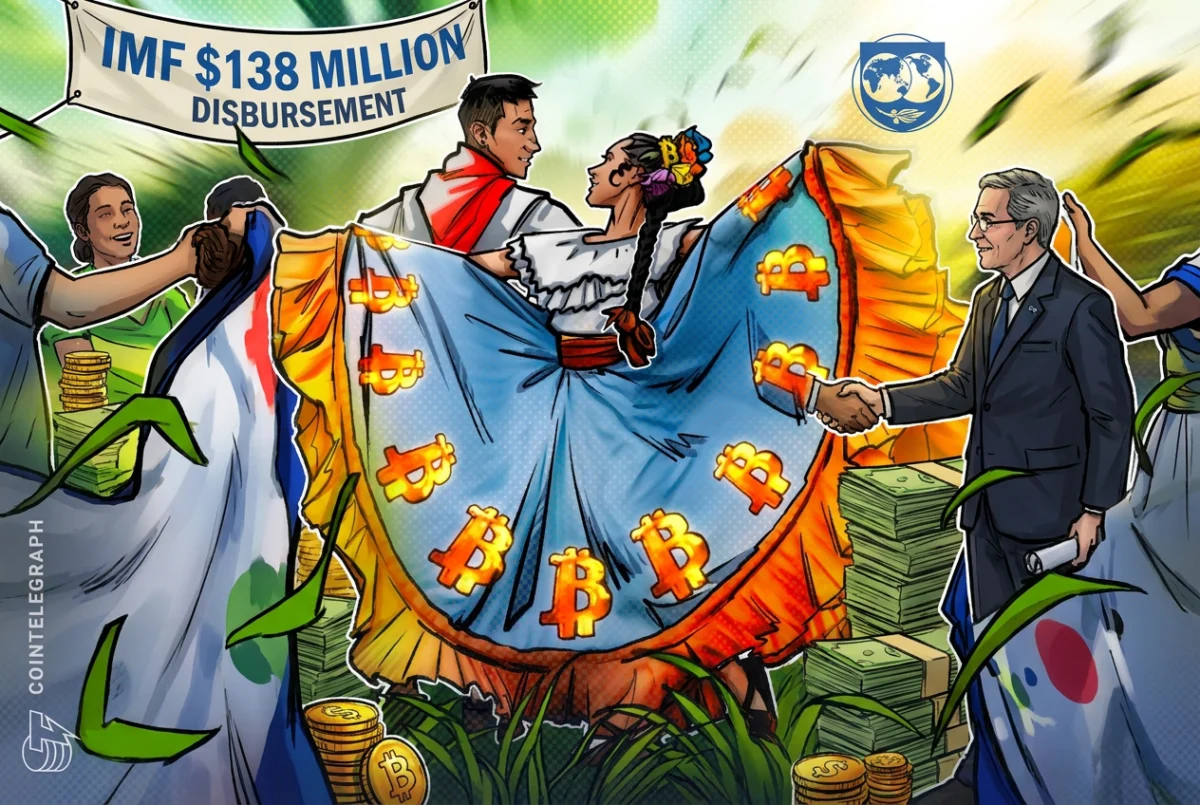
The International Monetary Fund (IMF) has approved the immediate disbursement of approximately $138 million (SDR 104.7 million) to El Salvador, a crucial injection of funds under the country’s existing $1.4 billion (SDR 1.05 billion) Extended Fund Facility (EFF) arrangement. This approval, which follows the completion of the second and third reviews of the 40-month program by the IMF’s Executive Board on Thursday, October 1, 2026, marks a significant milestone. Notably, the disbursement proceeded despite El Salvador missing certain performance criteria, particularly concerning the accumulation of Bitcoin, with the IMF granting waivers based on what it termed "strong corrective measures and renewed commitments" from the Salvadoran authorities.
The Extended Fund Facility: A Framework for Stability
The Extended Fund Facility (EFF) is one of the IMF’s lending instruments designed to help countries address structural imbalances that are causing serious balance of payments problems. EFF arrangements typically involve a longer repayment period and focus on comprehensive structural reforms aimed at achieving sustainable economic growth and macroeconomic stability. For El Salvador, the $1.4 billion EFF program, approved in June 2023, was conceived to support the country’s efforts to strengthen its fiscal position, enhance financial sector resilience, and improve governance and transparency.
El Salvador, a Central American nation with a population of approximately 6.5 million and a GDP of around $32 billion, has historically faced various economic challenges, including high public debt, persistent fiscal deficits, and vulnerability to external shocks. The EFF program was intended to provide a credible framework for the government to implement reforms that would address these deep-seated issues, foster a more stable macroeconomic environment, and attract foreign investment. Key areas of focus typically include fiscal consolidation, modernizing the financial regulatory framework, strengthening the central bank’s autonomy, and combating corruption.
However, the implementation of this conventional IMF program has been uniquely complicated by El Salvador’s groundbreaking decision in September 2021 to adopt Bitcoin as legal tender, alongside the U.S. dollar. This move, spearheaded by President Nayib Bukele, aimed to promote financial inclusion, attract investment, and facilitate remittances. While lauded by some as an innovative step into the future of finance, it drew considerable skepticism and concern from traditional financial institutions, including the IMF, which has consistently voiced warnings about the volatility of cryptocurrencies, their potential for financial instability, money laundering risks, and consumer protection issues. The tension between the IMF’s traditional mandate for fiscal prudence and El Salvador’s pioneering, yet controversial, Bitcoin experiment has been a defining feature of their ongoing engagement.
Navigating the Bitcoin Conundrum: Waivers and Commitments
The IMF’s decision to grant waivers for missed performance criteria related to Bitcoin accumulation underscores the complex and often delicate balance the institution must strike between its policy objectives and its role in supporting member states. The primary point of contention was El Salvador’s reported increase in Bitcoin holdings, which typically falls outside the parameters of fiscally prudent asset management advised by the Fund.
The IMF’s press release explicitly stated that while "certain performance criteria were not met, including on the Bitcoin accumulation front," the waivers were granted "based on strong corrective measures and renewed commitments." These commitments are central to the IMF’s confidence in the program’s continued viability. Among the critical actions and pledges made by the Salvadoran government are:
- Reduced State Involvement in Bitcoin Activities: A commitment to scale back the state’s direct participation in Bitcoin-related operations.
- Strengthened Crypto-Asset Regulation and Governance: Implementing more robust regulatory frameworks to oversee crypto assets, ensuring stability and investor protection.
- Enhanced Transparency: Improving transparency regarding public-sector crypto-asset holdings, a crucial step for accountability and risk assessment.
- Transfer of Chivo Wallet Ownership: The majority ownership and operational control of the government-backed Chivo Bitcoin wallet have been transferred to a private operator, with the government retaining only a minority stake and custodial responsibilities. This move aims to decentralize control and reduce direct public sector exposure to operational risks.
- Cessation of Further Public Accumulation: A definitive statement from the IMF, reiterated in its communication, that "No further Bitcoin accumulation is envisaged beyond the documented donations." This stipulation is a cornerstone of the agreement, signaling a clear boundary for future state-led Bitcoin purchases.
These measures collectively represent a strategic shift by El Salvador to align its Bitcoin strategy more closely with the IMF’s recommendations for fiscal responsibility and risk management. The transfer of the Chivo wallet, in particular, is a significant concession, moving the operational burden and associated financial risks away from the public balance sheet.
A Chronology of El Salvador’s Bitcoin Journey and IMF Engagement
The relationship between El Salvador’s embrace of Bitcoin and its ongoing discussions with the IMF has unfolded over several years, marked by key events:
- September 2021: El Salvador makes history by becoming the first country in the world to adopt Bitcoin as legal tender. The government launches the Chivo wallet, pre-loading it with $30 worth of Bitcoin for citizens, and initiates a strategy of purchasing Bitcoin with public funds, often timed with price dips. President Bukele’s administration champions Bitcoin as a tool for economic development and financial sovereignty.
- Early 2022: As El Salvador begins negotiations for an IMF loan, the Fund expresses significant concerns about the risks associated with Bitcoin adoption. An IMF staff report in January 2022 explicitly urges El Salvador to "narrow the scope of the Bitcoin Law" and recommends removing its legal tender status, citing "large risks to financial integrity and market integrity, financial stability, and consumer protection."
- June 2023: Despite initial reservations, the IMF’s Executive Board approves the 40-month Extended Fund Facility (EFF) arrangement for El Salvador, totaling $1.4 billion. The program includes specific performance criteria related to fiscal policy, financial sector reforms, and governance, implicitly setting expectations for cautious management of state assets.
- June 2025: The first review under the EFF arrangement is completed. At this stage, the IMF likely scrutinized El Salvador’s adherence to fiscal targets and its overall economic management, with Bitcoin holdings a latent concern.
- November 2025: El Salvador announces a significant purchase of 1,090 BTC, reportedly valued at around $100 million at the time. This public disclosure immediately raises questions within the international financial community regarding compliance with the IMF program, as direct public fund allocation to volatile assets is typically discouraged. Critics questioned the source of these funds and the fiscal implications for a country under an IMF program.
- September 3, 2026: The IMF announces that its staff has reached a Staff-Level Agreement (SLA) with El Salvador on the combined second and third reviews under the EFF arrangement. This crucial step indicates that technical discussions have concluded and the staff is recommending approval to the Executive Board. A key clarification emerges at this stage regarding the Bitcoin accumulation.
- October 1, 2026: The IMF Executive Board formally concludes the second and third reviews and approves the immediate disbursement of $138 million. The official press release details the waivers granted and the specific commitments made by El Salvador to address Bitcoin-related concerns.
Clarifying Bitcoin Accumulation: Public vs. Private Funds
A central point of contention and subsequent clarification revolved around the November 2025 acquisition of 1,090 BTC. When questions arose about how El Salvador could reconcile these purchases with its IMF commitments, Salvadoran authorities provided documentation and explanations to the lender.
According to the IMF’s September 2026 statement, verified documents supplied by Salvadoran authorities confirmed that the accumulation of Bitcoin after the first review of the financing program in June 2025 "came from private donations." This crucial distinction meant that the reported increase in El Salvador’s Bitcoin holdings did not reflect additional purchases financed with government resources or public funds. This clarification was pivotal in allowing the IMF to proceed with the program reviews and disbursement.
The mechanism of these "private donations" has not been fully detailed, but it suggests a strategy by the Salvadoran government to attract contributions from Bitcoin enthusiasts or related entities, rather than directly using taxpayer money or increasing public debt for these acquisitions. This approach allowed El Salvador to continue its Bitcoin strategy, at least in part, without directly violating the spirit of fiscal prudence that underpins its IMF agreement, which would typically restrict the use of public funds for speculative investments. The IMF’s acceptance of this explanation highlights its pragmatic approach to managing an unprecedented situation, acknowledging the political and economic realities of its member state while still upholding its core principles.
Reforms and Commitments: Beyond Bitcoin Management
While the Bitcoin narrative has dominated headlines, the IMF’s review also acknowledged broader progress in critical areas of structural reform, demonstrating El Salvador’s commitment to the overall EFF program objectives. The agency noted significant achievements in:
- Financial Sector Reforms: Efforts to strengthen the regulatory and supervisory frameworks for the financial sector, enhancing its resilience and stability. This includes prudential frameworks for banks and other financial institutions.
- Fiscal Transparency: Improvements in public financial management, budget reporting, and overall transparency in government spending and revenue collection. Such reforms are vital for accountability and efficient resource allocation.
- AML/CFT Reforms: Progress in implementing Anti-Money Laundering and Combating the Financing of Terrorism (AML/CFT) measures. These reforms are particularly crucial in the context of digital assets, where the risk of illicit financial flows can be higher without robust safeguards.
- Governance Improvements: General enhancements in governance, aimed at reducing corruption and improving the efficiency of public institutions.
These reforms are integral to El Salvador’s long-term economic health and its ability to attract sustainable investment. The IMF’s emphasis on continued efforts to reduce state involvement in Bitcoin-related activities, strengthen crypto-asset regulation and governance, and enhance transparency regarding public-sector crypto-asset holdings further underscores its focus on risk mitigation and responsible financial management within the burgeoning digital asset space.
Broader Implications and Future Outlook
The IMF’s decision to disburse funds to El Salvador, despite the Bitcoin-related waivers, carries significant implications for both the Central American nation and the broader international financial system.
For El Salvador:
The immediate disbursement of $138 million provides critical budgetary support, offering liquidity and signaling continued international confidence in the country’s reform agenda. This financial backing helps El Salvador address its fiscal needs and maintain macroeconomic stability, reducing immediate pressures on its public finances. Moreover, the IMF’s approval lends a degree of credibility to El Salvador’s economic management, potentially easing concerns of other international investors and lenders. The conditions, however, dictate a more constrained and privatized approach to its Bitcoin strategy, suggesting that the "Bitcoin experiment" will evolve with less direct state intervention. The focus will shift towards private sector-led innovation in crypto, while the government prioritizes traditional financial stability and transparency. This path, if successfully navigated, could allow El Salvador to reap potential benefits from its digital asset strategy without undermining its broader economic stability or alienating international financial partners.
For the International Monetary Fund:
This decision sets a crucial precedent for how the IMF engages with member states that adopt unconventional economic policies, particularly those involving volatile digital assets. It demonstrates the Fund’s capacity for flexibility and pragmatism, adapting its traditional frameworks to new financial realities while upholding its core principles of fiscal prudence and financial stability. The detailed conditions and the granting of waivers reflect a sophisticated attempt to manage the risks associated with state-level Bitcoin adoption, rather than outright rejection. It signals an evolving policy stance on cryptocurrencies, emphasizing transparency, robust regulation, and limited public sector exposure as key requirements for integration into the global financial system. This careful balancing act allows the IMF to maintain its relevance as a key arbiter of global financial stability in an increasingly digital and decentralized world.
For the Wider Crypto World:
El Salvador’s journey remains a global test case for the integration of Bitcoin and other cryptocurrencies into national economies. The IMF’s engagement highlights the challenges and opportunities involved in merging decentralized digital assets with established financial governance structures. It underscores the importance of regulatory clarity, robust AML/CFT frameworks, and transparent accounting for public sector crypto holdings. The outcome in El Salvador will continue to be closely watched by other nations considering similar moves, providing valuable lessons on navigating the complexities of digital asset adoption within a framework of international financial cooperation. It suggests that while innovation is encouraged, it must be accompanied by sound economic governance and risk management to gain the trust of traditional financial institutions.
In conclusion, the IMF’s approval of the $138 million disbursement to El Salvador marks a carefully negotiated step forward in a complex relationship. It represents a pragmatic compromise, allowing El Salvador access to vital financing while committing it to a more fiscally prudent and transparent management of its Bitcoin strategy. The path ahead requires sustained commitment from Salvadoran authorities to the agreed reforms and continued vigilance from the IMF, ensuring that the country’s pioneering digital asset policies are integrated responsibly within a framework of macroeconomic stability and sound financial governance. The world will continue to observe this unique experiment as it unfolds, shaping future discussions on the role of cryptocurrencies in national economies and international finance.