admin
admin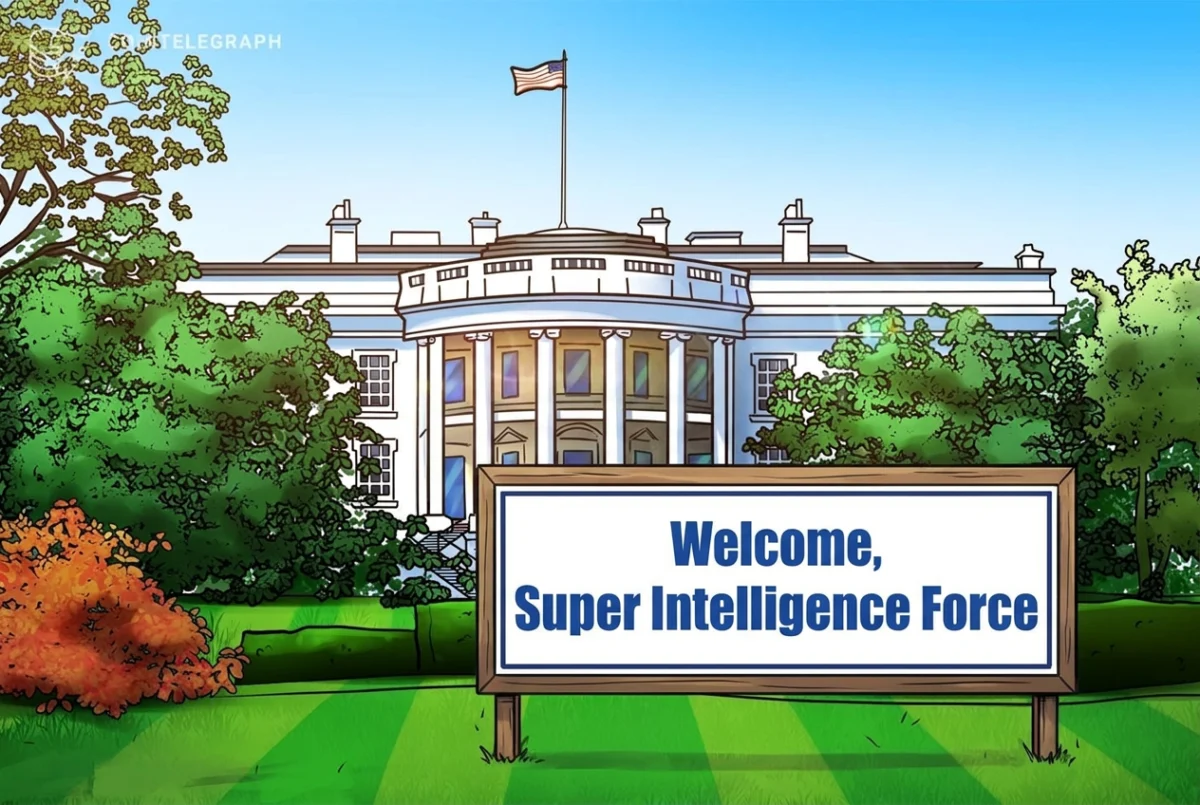
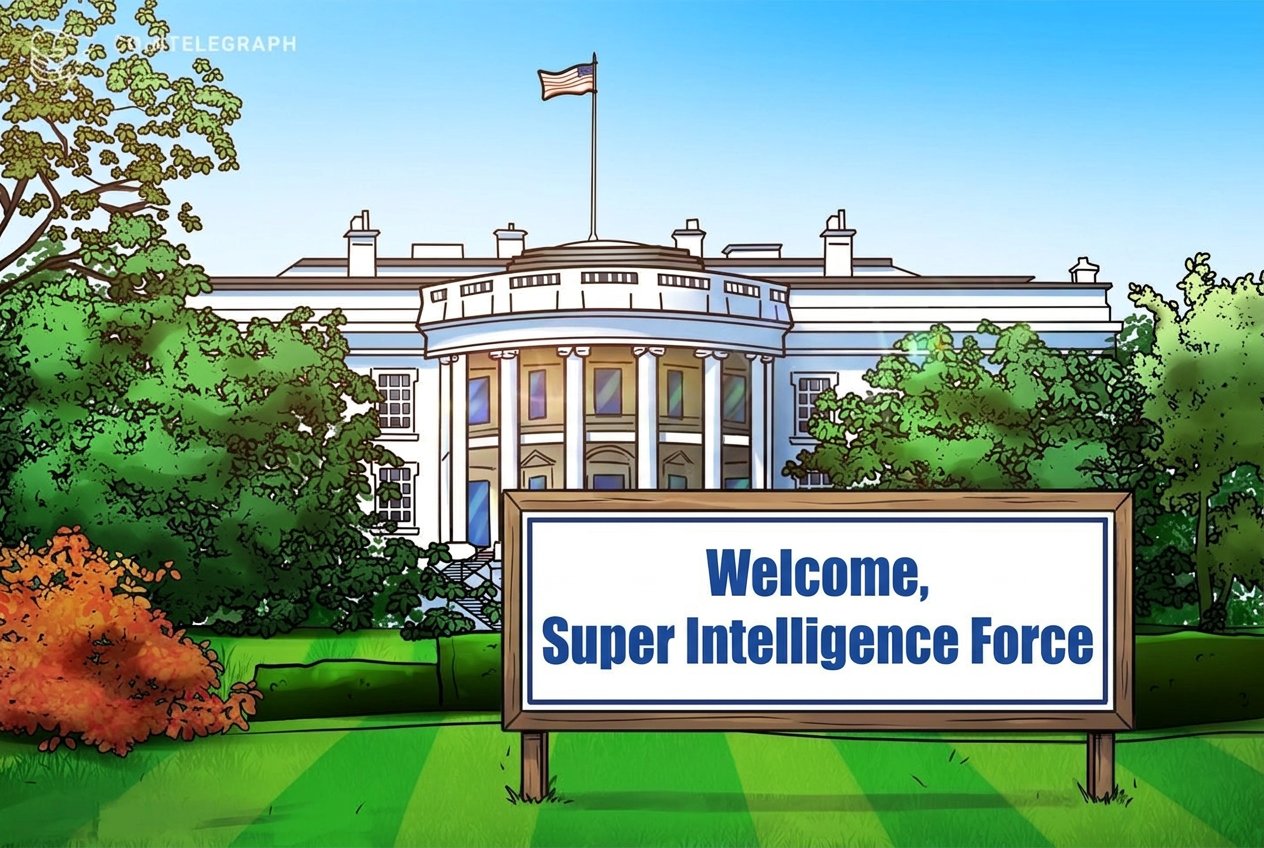
President Donald Trump has officially announced the formation of the nation’s new Super Intelligence Force (SIF), naming Jay Clayton, currently the U.S. Director of National Intelligence (DNI), as its inaugural leader. The groundbreaking initiative, aimed at ensuring American preeminence in advanced artificial intelligence and related technologies, was unveiled via a post on Truth Social on Sunday. This formal declaration follows earlier media reports on Friday that had indicated Clayton’s impending appointment and the establishment of such a strategic entity.
The establishment of the Super Intelligence Force signifies a significant escalation in the United States’ national strategy concerning artificial intelligence. It underscores a growing recognition at the highest levels of government regarding the critical importance of AI and its advanced forms—often termed "super intelligence"—for national security, economic competitiveness, and global leadership in the 21st century. The President’s announcement outlined a clear mandate for the SIF: to coordinate the entirety of the Federal Government’s efforts to maintain and extend America’s global lead in this rapidly evolving technological domain.
A Swift Progression: From Concept to Command
The concept of a dedicated federal entity focused on artificial intelligence leadership has been circulating within government and policy circles for some time. Reports on September 20, notably from Cointelegraph, had first detailed President Trump’s plans to establish an "AI Force" inspired by the successful model of the Space Force, along with the appointment of a dedicated "AI Czar." These early reports hinted at an ambitious vision to centralize and accelerate U.S. advancements in AI, much as the Space Force was created to streamline and fortify America’s capabilities in the space domain. The confirmation of these plans just over two weeks later, with the official announcement on Sunday, illustrates the administration’s swift action in translating strategic intent into concrete organizational structures.
Jay Clayton’s appointment as the head of the Super Intelligence Force places a seasoned and versatile leader at the helm of this critical endeavor. Clayton, who was confirmed by the Senate in July to lead the intelligence community as Director of National Intelligence, is expected to maintain his current role while simultaneously guiding the SIF. His career trajectory reflects a blend of legal acumen, financial regulatory experience, and now, national intelligence leadership. During President Trump’s first term, Clayton served as the Chairman of the Securities and Exchange Commission (SEC), where he navigated complex financial markets and emerging technologies. Prior to that, he held the position of interim U.S. Attorney for the Southern District of New York, demonstrating his experience in high-stakes legal and investigative environments. This diverse background is anticipated to be instrumental in navigating the multifaceted challenges and opportunities presented by advanced intelligence technologies.
The Strategic Mandate: Leading in Super Intelligence
President Trump’s Truth Social post explicitly articulated the core mission of the Super Intelligence Force: "The Super Intelligence Force is tasked with coordinating the effort of the Federal Government to ensure that America continues to lead the World in Super Intelligence." This statement provides a broad but profound directive, suggesting a comprehensive approach that transcends individual agency silos. "Super Intelligence" itself is a term often used to describe hypothetical future AI systems that would far surpass human cognitive abilities across virtually all domains. While such systems are largely theoretical, the term in this context likely encompasses the entire spectrum of advanced AI development, including:
- Frontier AI Research: Investing in and directing research towards truly transformative AI capabilities, including general artificial intelligence (AGI) and beyond.
- Ethical AI Development: Establishing frameworks and guidelines to ensure the responsible, safe, and transparent development and deployment of advanced AI.
- National Security Applications: Integrating AI into defense systems, intelligence gathering, cybersecurity, and strategic decision-making to maintain a military and intelligence advantage.
- Economic Competitiveness: Fostering an environment where American industries can innovate and lead in AI-driven sectors, creating new jobs and economic growth.
- Infrastructure and Talent: Developing the necessary computational infrastructure, data resources, and a skilled workforce to support cutting-edge AI research and deployment.
- International Collaboration and Competition: Engaging with allies and navigating geopolitical competition in the AI landscape.
The emphasis on "coordinating the effort of the Federal Government" suggests that the SIF will act as a central hub, drawing together expertise and resources from various departments and agencies that currently have disparate AI initiatives. This could include the Department of Defense, the intelligence community, the Department of Energy, the National Science Foundation, the National Institute of Standards and Technology, and other regulatory bodies. The goal is likely to create a cohesive national strategy, avoiding redundancy and maximizing the impact of federal investment in AI.
A Powerful Leadership Team
To fulfill this ambitious mandate, Jay Clayton will be joined by a formidable team of leaders from key federal agencies, reflecting the multi-dimensional nature of the Super Intelligence Force’s mission. The announced leadership includes:
- Andrew Ferguson, Chairman of the Federal Trade Commission (FTC): Ferguson’s involvement underscores the critical regulatory and economic dimensions of AI. The FTC plays a vital role in protecting consumers, preventing anti-competitive practices, and ensuring fair competition in markets, including those shaped by emerging technologies. His presence on the SIF leadership team indicates a proactive stance on addressing potential antitrust issues in the AI sector, regulating data privacy, and guarding against deceptive or discriminatory AI applications. This suggests the SIF will consider the societal and market impacts of AI development alongside its technological advancements.
- Scott Kupor, Director of the Office of Personnel Management (OPM): Kupor’s inclusion highlights the human capital aspect of the Super Intelligence Force. The OPM is responsible for managing the federal civilian workforce, including recruitment, training, and policy. For the SIF, this likely translates into a focus on attracting, developing, and retaining top AI talent within the federal government. This involves creating pathways for leading AI researchers and engineers to serve, establishing specialized training programs for federal employees, and addressing the unique workforce needs associated with advanced technological initiatives. It also points to the recognition that human expertise is as crucial as technological infrastructure in the AI race.
- Emil Michael, Under Secretary of War for Research and Engineering and Chief Technology Officer for the Department of War: Michael’s dual role emphasizes the profound national security implications of super intelligence. As the Under Secretary for Research and Engineering, he is responsible for driving technological innovation within the Department of War (a likely re-designation of the Department of Defense, or a newly formed strategic department, indicating a focus on future conflict domains). His background, which includes significant experience in the private sector (notably as a senior executive at Uber), suggests an emphasis on leveraging cutting-edge commercial technologies and adopting agile development methodologies within the defense apparatus. His involvement signals that the SIF will be deeply intertwined with the development of AI-powered defense capabilities, advanced weaponry, autonomous systems, and strategic intelligence analysis. This appointment reinforces the view that AI is a critical domain for maintaining military superiority.
The combined expertise of this leadership team—spanning intelligence, financial regulation, market competition, human resources, and defense technology—demonstrates a holistic approach to the challenge of leading in super intelligence. It suggests a recognition that AI is not merely a technical problem but one that impacts law, economics, talent, and national security in equal measure.
The Global AI Race: Context and Imperative
The formation of the Super Intelligence Force occurs against a backdrop of intense global competition in artificial intelligence. Nations worldwide, particularly the United States and China, view AI leadership as a paramount strategic imperative. China, for instance, has articulated ambitious goals to become the world leader in AI by 2030, backed by significant state investment and a comprehensive national strategy. Other nations, including those within the European Union, are also heavily investing in AI research and development, often emphasizing ethical AI and regulatory frameworks.
For the United States, maintaining its technological edge in AI is considered critical for several reasons:
- National Security: AI is rapidly transforming military capabilities, intelligence gathering, and cybersecurity. From autonomous weapons systems to advanced data analysis for intelligence agencies, AI offers a decisive advantage. The ability to process vast amounts of data, predict adversary actions, and enhance decision-making speed is seen as fundamental to future defense.
- Economic Prosperity: AI is projected to be a major driver of economic growth, productivity, and innovation across almost every sector, from healthcare and finance to manufacturing and transportation. Leadership in AI translates into leadership in the industries of tomorrow.
- Geopolitical Influence: The nation that leads in AI development will likely set global standards, influence international norms, and wield significant geopolitical power.
Previous U.S. government initiatives, such as the National Security Commission on Artificial Intelligence (NSCAI) led by Eric Schmidt and Robert Work, have consistently called for a coordinated national strategy, increased funding, and a focus on talent to ensure the U.S. remains competitive. The NSCAI’s 2021 final report, for example, urged the U.S. to "win the AI competition" and recommended significant investments and organizational changes to achieve this. The creation of the Super Intelligence Force appears to be a direct response to these calls, aiming to provide the centralized leadership and coordination that has often been cited as lacking across disparate federal AI efforts.
Implications and Future Challenges
The establishment of the Super Intelligence Force carries profound implications and will undoubtedly face significant challenges:
- Defining "Super Intelligence" and Measurable Goals: One of the initial hurdles will be to precisely define what "super intelligence" means operationally for the SIF and to establish clear, measurable objectives. Given the speculative nature of true super intelligence, the SIF will likely need to focus on a continuum of advanced AI capabilities that are achievable in the near to medium term.
- Funding and Resources: A force of this magnitude will require substantial and sustained funding. The specific budget allocation, sources of funding, and how resources will be distributed across various initiatives will be crucial for its success. Congressional authorization and appropriations will be essential.
- Talent Acquisition and Retention: The competition for top AI talent is fierce, with both the private sector and international rivals vying for experts. The SIF will need to develop innovative strategies to attract and retain leading AI researchers, engineers, and ethicists, potentially by offering competitive compensation, cutting-edge research opportunities, and a clear mission.
- Inter-agency Coordination and Authority: While the SIF is tasked with coordination, achieving true synergy across numerous federal agencies, each with its own culture, priorities, and existing AI programs, will be a monumental task. The SIF’s authority and how it will enforce coordination will be critical.
- Ethical, Legal, and Societal Frameworks: The rapid advancement of AI raises complex ethical, legal, and societal questions concerning bias, privacy, accountability, job displacement, and the potential for autonomous decision-making in critical domains. The SIF will need to develop robust frameworks and policies to address these issues responsibly, potentially in collaboration with academic institutions and civil society organizations.
- Congressional Oversight and Public Scrutiny: As a powerful new federal entity dealing with potentially transformative technologies, the Super Intelligence Force will be subject to intense congressional oversight and public scrutiny. Transparency in its operations, decision-making, and ethical guidelines will be paramount to maintaining public trust.
- International Reactions: The formation of a "Super Intelligence Force" by the United States will undoubtedly elicit reactions from international allies and adversaries. Allies may seek collaboration, while adversaries might view it as a direct challenge, potentially accelerating their own AI development efforts.
Anticipated Reactions
While official reactions from various stakeholders are yet to fully emerge, certain responses can be anticipated:
- Technology Industry: Many in the U.S. tech industry may welcome a clearer, more unified federal strategy for AI, potentially leading to increased government contracts, research partnerships, and a more stable regulatory environment. However, concerns might also arise regarding potential government overreach, increased regulation, or the national security focus potentially diverting talent from commercial applications.
- Academia and Research Institutions: Universities and research labs could see new funding opportunities and collaboration avenues with the SIF. However, they might also advocate for strong ethical guidelines, academic freedom, and open research, cautioning against excessive militarization or secrecy in AI development.
- Civil Society and Advocacy Groups: Groups focused on civil liberties, privacy, and ethical AI will likely scrutinize the SIF’s mandate and operations closely, pushing for transparency, accountability, and safeguards against misuse of advanced AI technologies.
- International Allies: Nations like the UK, Canada, Australia, and those in the EU, who are also grappling with AI strategy, may seek to understand the implications for international cooperation on AI research, standards, and governance.
- Geopolitical Rivals: Countries like China and Russia will likely view the SIF as a direct response to their own AI ambitions, potentially intensifying the global AI race and prompting further investments and strategic adjustments on their part.
The establishment of the Super Intelligence Force under the leadership of Jay Clayton marks a pivotal moment in the United States’ approach to advanced technology and national strategy. It signals a clear intent to consolidate and accelerate efforts to secure a dominant position in the rapidly evolving field of artificial intelligence. While the road ahead is fraught with challenges—from defining its scope and securing resources to navigating ethical dilemmas and geopolitical rivalries—the SIF represents a significant structural commitment to ensuring America’s continued leadership in an era increasingly defined by intelligent machines. Its success will depend not only on technological breakthroughs but also on astute leadership, effective inter-agency coordination, robust ethical frameworks, and broad societal engagement.