admin
admin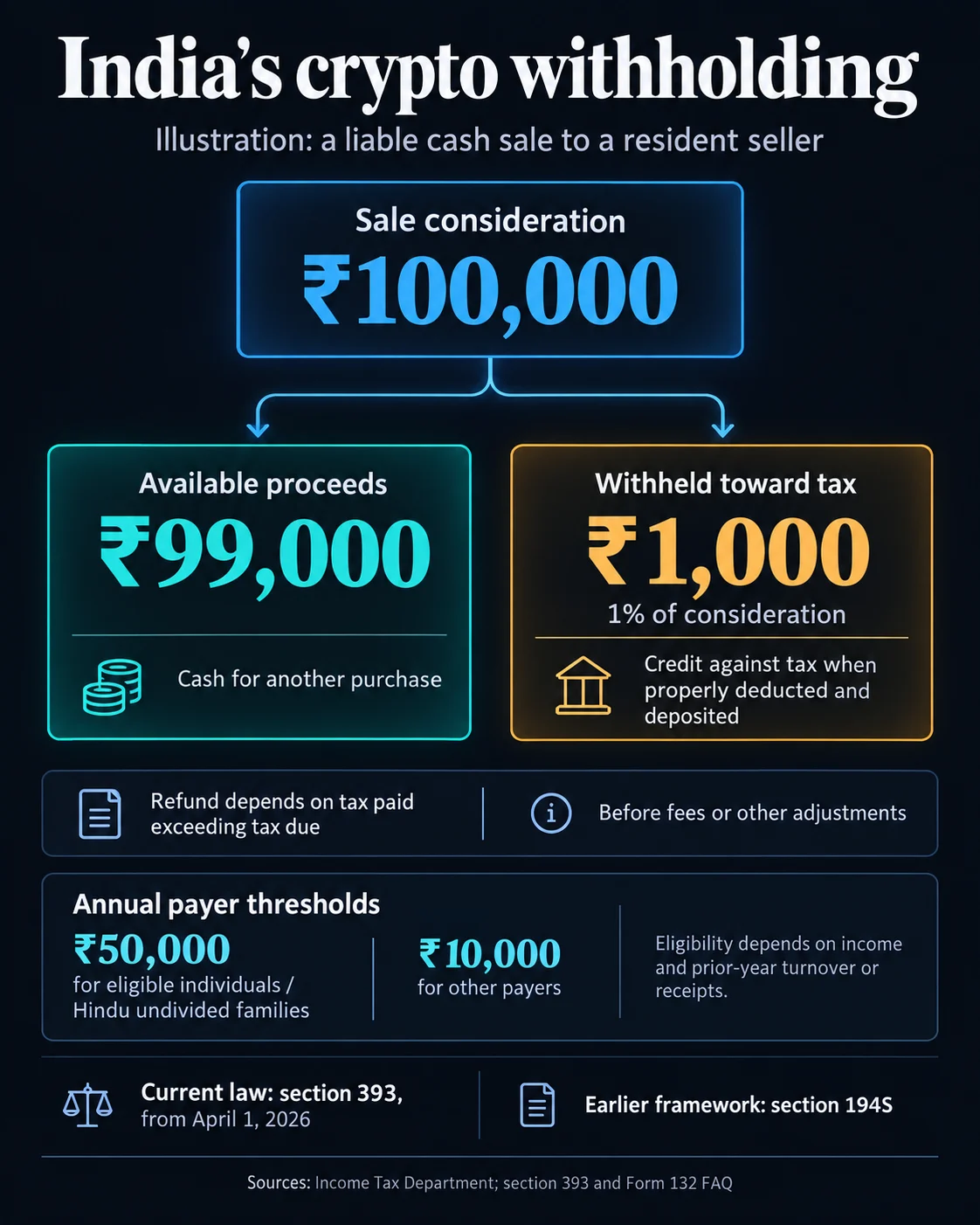
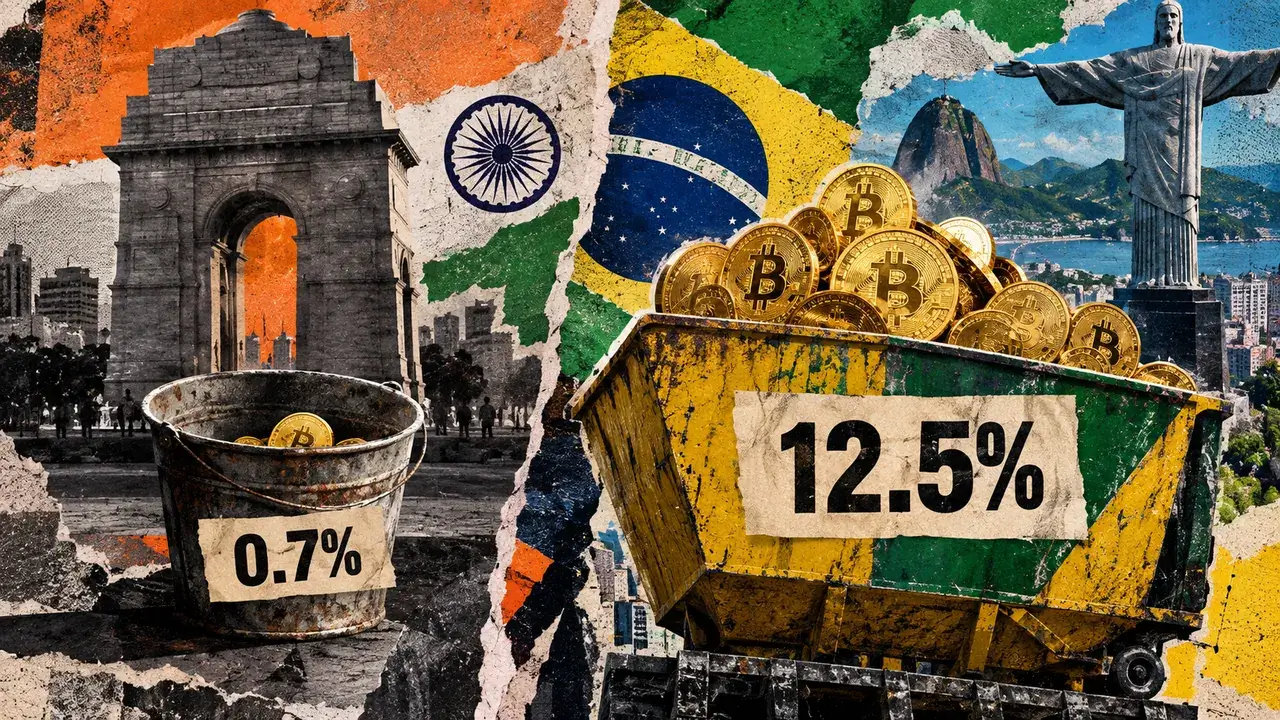
India’s burgeoning cryptocurrency user base, responsible for a staggering $88.4 billion in inflows to centralized exchanges, is disproportionately directing its digital asset wealth towards platforms operating outside the country. A groundbreaking regional report by blockchain analytics firm Chainalysis reveals that domestic Indian cryptocurrency exchanges are capturing a negligible 0.7% of this substantial exchange value. This stark contrast is highlighted by the report’s findings for Brazil, where local platforms command a robust 12.5% of incoming exchange value, underscoring a critical divergence in how national crypto economies are developing.
The discrepancy between the sheer volume of crypto activity associated with a nation and the market share secured by its indigenous platforms presents a complex economic puzzle. While India’s crypto users are demonstrably active on a global scale, the lion’s share of their transactional value bypasses local exchanges. This phenomenon has significant implications for the growth and sustainability of India’s domestic crypto ecosystem, as well as for regulatory oversight and tax collection.
Chainalysis’s latest regional reports, focusing on Central and Southeast Asia, Oceania (CSAO) and Latin America, published on September 30th and September 23rd respectively, shed light on these trends. While the primary annual reporting window for these reports spans from July 2025 to June 2026, the specific data points concerning exchange inflows predate October, offering a snapshot of recent market dynamics.
India emerged as the largest crypto market in the CSAO region during the analyzed period, with its users funneling an impressive $88.4 billion into centralized exchanges. This figure positions India as a dominant force in the global crypto landscape, yet the destination of these funds is a matter of significant concern for the nation’s burgeoning crypto industry.
The Chainalysis data paints a concerning picture for Indian domestic exchanges. Their share of received exchange value has plummeted from an already modest 7% to a mere 0.7%, a sharp decline that appears to have accelerated around mid-2022. This trajectory stands in stark opposition to Brazil’s experience. The Latin American chapter of the report indicates that Brazilian exchanges have seen their share of inflows surge from 1.5% to a commanding 12.5% over a comparable period, illustrating a successful model for domestic platform growth.
It is crucial to differentiate between the total crypto activity associated with a country and the market share captured by its domestic platforms. While the former reflects user engagement and adoption, the latter speaks to the competitiveness and attractiveness of local infrastructure. The percentage of received value at exchanges is a critical metric, but it is essential to note that it represents only one facet of a platform’s business. Other key indicators such as executed trades, revenue generation, and customer acquisition numbers provide a more comprehensive view of a platform’s overall health and market penetration.
The methodology employed by Chainalysis for attributing crypto activity to specific countries involves analyzing website traffic and adjusting it for income differences using GDP per capita. While this approach provides a robust estimate of geographically attributed activity, the firm acknowledges that it is not without imperfections, particularly concerning the exclusion of VPN and bot traffic. The precise sampling methodology and the consistency of platform samples across different reporting periods also remain areas where further clarity would be beneficial for a definitive year-on-year comparison.
Brazil’s broader crypto economy, meanwhile, demonstrated resilience despite a slight contraction, recording $252.5 billion in activity for the year ending June 30th. This figure, encompassing a wider array of crypto transactions beyond just exchange inflows, highlights the diverse nature of national crypto markets.
The Impact of India’s Withholding Tax on Crypto Transactions
A significant factor potentially contributing to the outflow of capital from domestic Indian exchanges is the nation’s tax regime, specifically the 1% withholding tax on virtual digital asset (VDA) transfers. Introduced under Section 393 of the Indian Income Tax Act, this provision mandates that the responsible payer deducts 1% of the consideration for a VDA transfer paid to a resident. This deduction is applied at the earliest of credit or payment, meaning that even a transaction with minimal profit can incur a tax deduction.
To illustrate the impact, consider a hypothetical cash sale of cryptocurrency valued at ₹100,000. If this transaction is subject to the standard 1% withholding tax, the seller would receive ₹99,000, with ₹1,000 being withheld towards their tax liability. This withheld amount is effectively locked and cannot be immediately reinvested or used for subsequent trades. If multiple such transactions occur throughout the tax year, the cumulative impact of these deductions can significantly reduce the readily available capital for traders.
The Indian tax authorities have outlined specific exemptions and thresholds for this withholding tax. For individuals and Hindu Undivided Families (HUFs) without business or professional income, the aggregate consideration limit for tax-year transactions is ₹50,000. For entities meeting certain prior-year business turnover or professional receipt ceilings, the limit is ₹1 crore and ₹50 lakh, respectively. Other payers face a lower aggregate consideration limit of ₹10,000. The applicability of these exemptions hinges on the specific circumstances of the payer, requiring careful assessment before the general withholding rate is applied.
The responsibility for deducting and remitting this tax lies with the "responsible payer," which can be either the buyer in direct transactions or the exchange in cases of platform-mediated settlements. The Income Tax Department’s guidance on Tax Deducted at Source (TDS) for VDA transfers clarifies these responsibilities. While the deductee can claim credit for the TDS paid when filing their income tax return, and can seek a refund if the tax paid exceeds their final tax liability, the process of claiming this credit and receiving a refund can involve a time lag. This delay in accessing the withheld funds can create liquidity constraints for traders.
Ashish Singhal, co-founder of CoinSwitch, a prominent Indian crypto exchange, has articulated that such "tax friction" is a key driver for users seeking offshore platforms. Foreign exchanges, he suggests, may not enforce similar withholding mechanisms, thereby offering a more seamless trading experience for Indian users. This perspective highlights the competitive disadvantage faced by compliant domestic exchanges that adhere to Indian tax regulations. While Singhal’s observation points to a plausible competitive pressure, the precise extent to which this withholding tax has contributed to the reported decline in domestic exchange market share remains an area for further quantitative analysis. It is also important to note that international platforms are not necessarily exempt from Indian tax obligations, and their compliance can vary.
Brazil’s Crypto Ecosystem: A Model of Domestic Growth
In contrast to India’s experience, Brazil’s crypto market showcases a dynamic growth trajectory for its domestic exchanges. Chainalysis attributes this success to several factors, including increasing regulatory clarity, robust investment, and the development of stronger local offerings. The report’s interviewees also pointed to the growing adoption of stablecoins for corporate liquidity management and cross-border transactions as a significant demand driver.
The integration of local payment systems has been a pivotal element in Brazil’s success. For instance, Mercado Bitcoin, a leading Brazilian crypto exchange, facilitates cryptocurrency purchases through Pix, Brazil’s instant payment system. This seamless integration connects users’ familiar banking applications directly with crypto trading platforms, significantly lowering the barrier to entry.
Similarly, Indian platforms like CoinSwitch offer INR deposits via UPI (Unified Payments Interface) and net banking, demonstrating the potential for local currency access within India. However, the availability of these methods can vary depending on the specific platform and the payment options it supports.
The competitive landscape is further complicated by international platforms adopting local payment rails. Binance, for example, offers BRL (Brazilian Real) deposits through Pix and TED transfers, illustrating how global exchanges can leverage local payment infrastructure to attract users. This demonstrates that access to local payment routes is not exclusive to domestic platforms.
Chainalysis suggests that Brazil’s upward trajectory in domestic exchange market share is likely a confluence of factors including regulatory certainty, increased investment in local infrastructure, and the development of more sophisticated and user-friendly trading platforms. The increasing use of stablecoins for business purposes, such as managing liquidity and facilitating cross-border payments, has also created new avenues for growth beyond traditional investment trading. These demand drivers present significant opportunities for exchanges that can cater to these evolving needs.
Implications for the Global Crypto Landscape
The divergent paths of India and Brazil, as illuminated by Chainalysis’s report, offer critical insights into the dynamics shaping the global cryptocurrency market. For India, the substantial outflow of user-generated value to foreign exchanges underscores the need for a more competitive and attractive domestic ecosystem. This could involve a re-evaluation of tax policies to reduce friction for traders, enhancements in user experience on local platforms, and a clearer regulatory framework that fosters innovation while ensuring investor protection. The ability of domestic platforms to capture a larger share of this burgeoning market is crucial for fostering local economic growth, job creation, and robust tax revenue.
The Brazilian model, characterized by strong domestic platform growth and deep integration with local payment systems, provides a potential blueprint for other emerging crypto economies. It suggests that fostering a supportive regulatory environment, encouraging innovation in product offerings, and leveraging local payment infrastructure can be key drivers of success.
As the cryptocurrency landscape continues to evolve, the ability of nations to nurture vibrant domestic digital asset markets will be increasingly important. The Chainalysis report serves as a wake-up call for India, highlighting the urgent need to address the factors driving its crypto wealth offshore and to strengthen its local exchange infrastructure to capitalize on its immense user base. The ongoing interplay between regulatory frameworks, technological innovation, and user behavior will undoubtedly shape the future of crypto adoption and exchange dominance in both established and emerging markets. The distinction between the aggregate crypto activity associated with a nation and the market share commanded by its domestic platforms remains a critical area of analysis for understanding the true health and trajectory of national cryptocurrency ecosystems.