admin
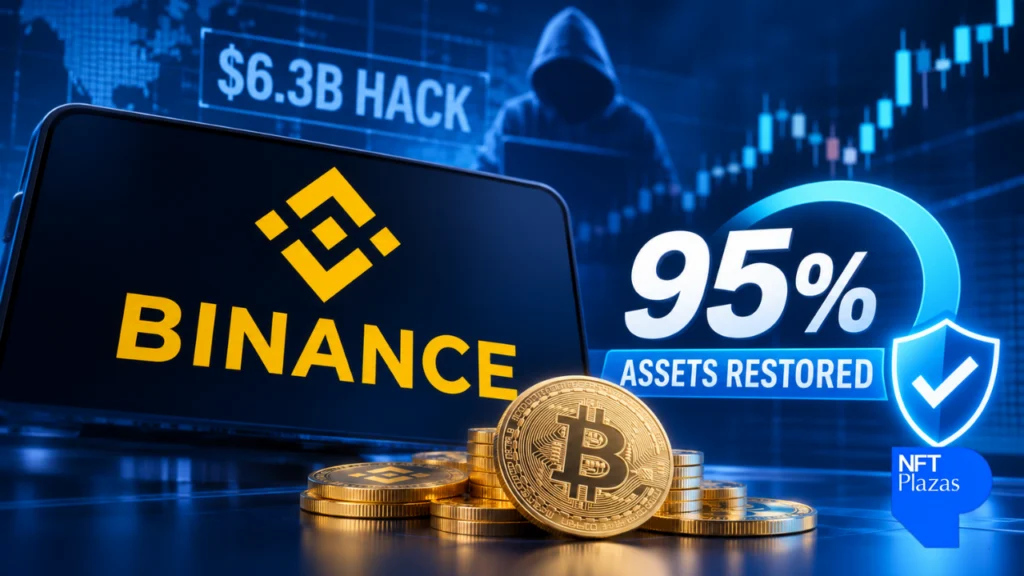
Binance, the world’s largest cryptocurrency exchange, has announced a significant recovery effort following an unprecedented security breach that resulted in the theft of approximately $6.3 billion in cryptocurrency. The exchange reported on November 1 that it has successfully replenished around 95% of the affected assets, utilizing its extensive internal reserves and corporate funds. This decisive action underscores Binance’s commitment to absorbing the substantial financial losses itself, thereby shielding its vast customer base from any direct impact. In a critical move to restore normalcy and user confidence, Binance has also initiated a cautious, phased restoration of withdrawal services.
The announcement, delivered through an update posted on the social media platform X by Co-CEO Richard Teng, emphasized the exchange’s unwavering pledge: "We’ve now replenished approximately 95% of the impacted assets, and our commitment remains clear: Binance will absorb the financial impact of the stolen funds, not our users." This statement, issued as part of the ongoing recovery efforts, highlights the company’s proactive stance in managing what has been described as one of the largest cryptocurrency thefts on record. The incident and subsequent recovery represent a critical test of resilience for centralized cryptocurrency platforms, particularly one of Binance’s scale and global reach.
The Anatomy of the Attack and Immediate Aftermath
While the precise date of the initial breach was not fully disclosed, the impact led to an immediate suspension of customer withdrawals across the platform. This measure, though disruptive, was deemed necessary to allow Binance’s security teams to thoroughly assess the extent of the compromise, neutralize the threat, and fortify its systems. Co-CEO Richard Teng previously indicated that the breach was a sophisticated attack, involving a compromised laptop and malicious software designed to erase evidence of its activities. Such advanced tactics made the investigation and tracing of the stolen assets exceptionally challenging, underscoring the evolving sophistication of cyber threats in the digital asset space.
The temporary halt on withdrawals, especially given the unprecedented sum involved, naturally triggered widespread concern among users and observers within the cryptocurrency community. The integrity of customer funds is paramount for any financial institution, and a security incident of this magnitude tests the very foundation of trust that users place in centralized exchanges. Binance’s swift response and transparent communication throughout the crisis have been critical in mitigating potential panic and demonstrating a commitment to accountability. The phased resumption of withdrawals on November 1 was a carefully calibrated step, designed to ensure that services could return securely and safely, preventing any further vulnerabilities during the restoration process.
Binance’s Financial Shield: SAFU and Corporate Reserves
Central to Binance’s ability to cover the staggering $6.3 billion loss is its robust financial architecture, notably its Secure Asset Fund for Users (SAFU), alongside its Futures Insurance Fund and corporate treasury. The exchange reported allocating approximately $6.34 billion in company funds to specifically address the financial fallout from the hack.
The SAFU fund, established in July 2018, is a dedicated emergency insurance fund designed to protect Binance users in extreme circumstances, such as security breaches, system failures, or other unforeseen incidents. This fund is primarily sustained by a percentage of trading fees collected on the exchange and is held in separate cold wallet addresses, ensuring its isolation from operational funds and enhanced security. Typically, SAFU maintains reserves in various cryptocurrencies, including Bitcoin (BTC), Binance Coin (BNB), and Tether (USDT), with its value fluctuating based on market conditions. At the time of this incident, the SAFU fund alone held approximately $1 billion in reserves, providing a crucial initial layer of protection.

In addition to SAFU, Binance leveraged its Futures Insurance Fund, a mechanism typically used to cover potential losses in its derivatives trading platform, and drew significantly from its substantial corporate treasury. This multi-pronged approach demonstrates the depth of Binance’s financial preparedness and its capacity to absorb massive shocks. The strategy involved actively purchasing replacement tokens in the market rather than simply compensating customers with fiat currency, aiming to restore users’ exact cryptocurrency holdings. This method, while complex, reaffirms the exchange’s dedication to preserving the integrity of user portfolios. The deployment of these internal resources sends a strong message to the market: Binance possesses the financial fortitude to honor its commitments to users, even in the face of record-breaking cyberattacks.
A Phased Return to Normalcy: Withdrawal Resumption and Lingering Challenges
The gradual resumption of withdrawals on November 1 marked a critical turning point in Binance’s recovery trajectory. This cautious, phased approach is a standard industry practice following major security incidents, allowing the exchange to meticulously monitor system stability, identify and address any residual vulnerabilities, and manage liquidity flows. It serves as a controlled reintroduction of services, building confidence incrementally rather than risking further complications with a full, immediate reopening. For users, the ability to access their funds, even with initial limitations, is a vital reassurance that their assets remain secure and liquid.
Despite the significant progress, Binance acknowledged that the complete replenishment of all affected assets presented ongoing challenges, particularly for less-liquid tokens. Acquiring large quantities of certain cryptocurrencies without substantially affecting their market prices can be a complex and time-consuming process. Market depth for such assets may be insufficient to facilitate large-scale purchases without causing significant slippage, which could inadvertently drive up prices and increase the cost of replenishment. Binance stated that this remaining 5% of affected assets might take longer to fully acquire, but reiterated its commitment that no customer would suffer financial losses due to these delays. This intricate process highlights the operational complexities inherent in managing a vast array of digital assets on a global exchange.
Reinforcing Trust: Binance’s Proof of Reserves Initiative
In parallel with its recovery efforts, Binance took proactive steps to enhance transparency and reinforce user trust by updating its Proof of Reserves (PoR) process. A new snapshot of assets held on its platform was taken as of 00:00 GMT on October 31. This initiative allows users to verify that their assets are backed by a minimum 1:1 ratio, meaning that for every unit of a supported cryptocurrency a user holds, Binance holds at least one unit in its reserves.
The latest PoR snapshot covered 10 major cryptocurrencies: Bitcoin (BTC), Ethereum (ETH), Tether (USDT), BNB, Solana (SOL), USD Coin (USDC), XRP, USD1, RLUSD, and Zcash (ZEC). This public verification mechanism is a direct response to the need for greater transparency in the centralized crypto exchange landscape, especially after high-profile incidents that can erode public confidence. By providing auditable proof of its reserves, Binance aims to reassure its users that their funds are not only secure but also fully backed by actual assets held by the exchange.
However, it is also important to note the limitations of Proof of Reserves. While PoR effectively demonstrates an exchange’s asset holdings, it does not always provide a complete picture of its financial health, as it typically does not account for all liabilities. Nonetheless, in the wake of a major security breach, such transparency measures are crucial for rebuilding and maintaining user trust, signaling a commitment to accountability and financial soundness.
Broader Implications for the Cryptocurrency Ecosystem

The $6.3 billion Binance hack and the exchange’s subsequent response carry profound implications for the entire cryptocurrency ecosystem. This incident serves as a stark reminder that even the largest and most technologically advanced platforms remain vulnerable to sophisticated cyberattacks.
Firstly, it underscores the continuous need for robust security infrastructure and protocols. Exchanges must constantly evolve their defenses to counter increasingly cunning attack vectors. This includes multi-layered security systems, rigorous internal controls, regular security audits, and continuous threat monitoring. The fact that a compromised laptop and malicious software could lead to such a massive breach highlights the importance of human element security, alongside technological safeguards.
Secondly, the incident reinforces the critical role of emergency funds like SAFU. Binance’s ability to cover such a substantial loss internally, without passing it on to users, sets a high bar for other centralized exchanges. It demonstrates that adequate financial provisioning for unforeseen events is not merely a best practice but an absolute necessity for maintaining operational integrity and user confidence in a volatile and high-risk environment. This financial resilience is key to preventing a security breach from cascading into a systemic crisis of trust.
Thirdly, the response from Binance will likely influence regulatory discussions globally. Governments and financial watchdogs are increasingly scrutinizing the cryptocurrency sector, particularly regarding consumer protection and market stability. A record-breaking hack, even with a successful recovery, will undoubtedly fuel calls for stricter oversight, mandatory insurance funds, and enhanced transparency requirements for crypto exchanges. Binance’s proactive steps, such as updating its Proof of Reserves, could be seen as an industry-led effort to self-regulate and demonstrate accountability, potentially shaping future regulatory frameworks.
Finally, the incident has significant implications for user confidence and the ongoing debate between centralized and decentralized finance (DeFi). While centralized exchanges offer convenience and liquidity, they inherently carry the risk of a single point of failure. Such hacks often prompt users to reconsider self-custody or explore decentralized alternatives where users retain direct control over their private keys. Binance’s recovery efforts are crucial not just for its own reputation, but for the broader perception of security within the centralized crypto landscape.
Historical Context and Future Outlook
To contextualize the scale of this event, the $6.3 billion stolen from Binance ranks as one of the largest, if not the largest, cryptocurrency thefts in history. Previous major hacks, such as the Mt. Gox hack in 2014 (which saw hundreds of millions of dollars in Bitcoin stolen, leading to the exchange’s collapse), or more recently, the Ronin Bridge hack in 2022 (where over $600 million was siphoned from the blockchain network underpinning the Axie Infinity game), pale in comparison to the reported $6.3 billion figure. This incident therefore represents an unprecedented financial challenge for any single entity in the digital asset space.
Looking ahead, Binance’s journey to full recovery extends beyond merely replenishing the stolen funds. It involves continuous hardening of its security infrastructure, investing in advanced forensic capabilities, and refining its incident response protocols. The remaining 5% of less-liquid assets will require careful management to avoid market disruption, a task that demands strategic execution. Moreover, sustained transparency through initiatives like Proof of Reserves will be vital in rebuilding and reinforcing long-term user trust.
Ultimately, the Binance hack serves as a powerful reminder of the inherent risks in the rapidly evolving cryptocurrency market. While Binance’s decisive actions and significant financial commitment have largely contained the immediate fallout, the incident underscores the relentless challenge of maintaining impenetrable security in a world where digital assets represent lucrative targets for sophisticated cybercriminals. How Binance navigates the complete restoration of operations and sustains user confidence in the coming months will be a critical case study for the entire cryptocurrency industry, measuring the true resilience of its largest players.