admin
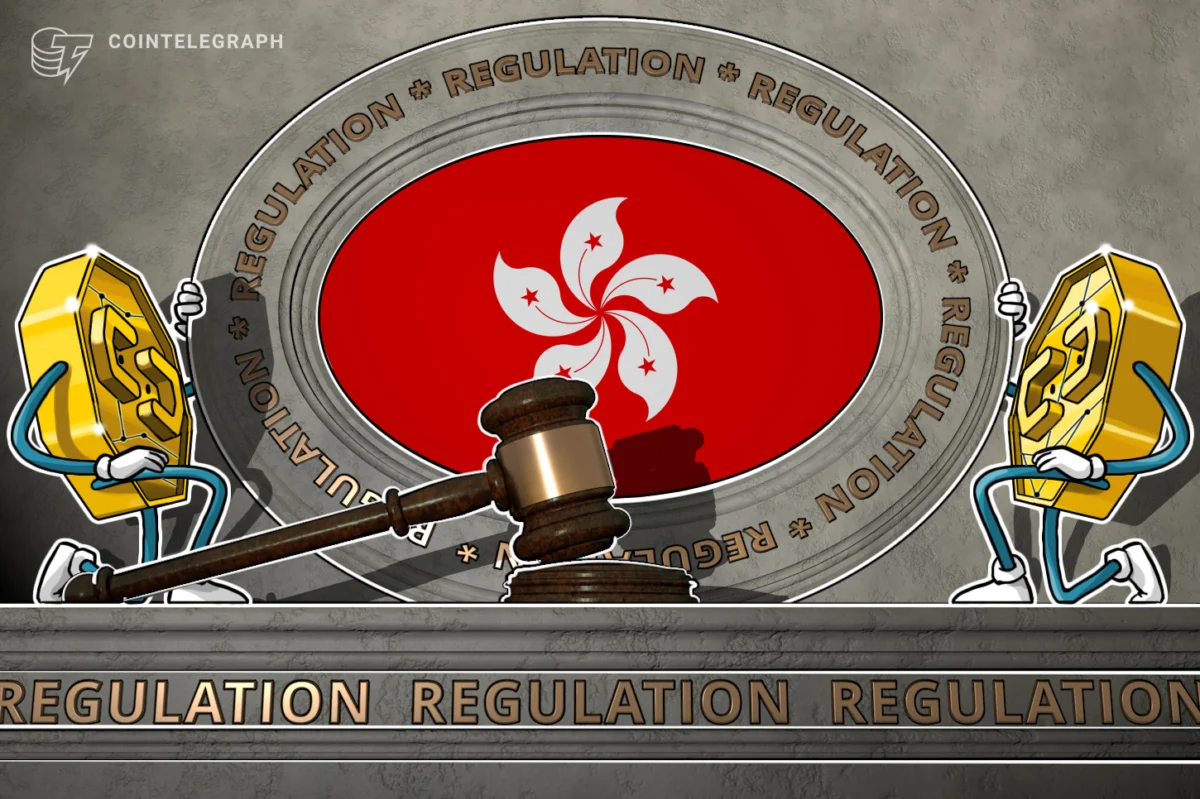
Hong Kong’s Securities and Futures Commission (SFC) has initiated a significant expansion of its regulatory framework for virtual assets, with the government officially publishing the Virtual Asset Services Legislation (Amendment) Bill 2026 on November 21, 2026. This pivotal legislative proposal aims to bring a broader spectrum of cryptocurrency-related activities under mandatory licensing or registration, moving beyond the existing focus on virtual asset trading platforms. The bill, a critical step in Hong Kong’s ambition to foster a regulated yet innovative Web3 ecosystem, is slated for its first reading in the Legislative Council on December 2, 2026.
The proposed amendments to the Anti-Money Laundering and Counter-Terrorist Financing Ordinance signal a comprehensive approach to overseeing the burgeoning virtual asset sector. Under the new regime, four core activities — virtual asset dealing, advisory, management, and custody — will require firms to obtain a license from, or register with, the SFC. This expansion marks a strategic shift, ensuring that service providers operating across the entire virtual asset value chain are subject to robust regulatory scrutiny, thereby enhancing investor protections and upholding market integrity.
Comprehensive Regulatory Framework: Scope and Requirements
The Virtual Asset Services Legislation (Amendment) Bill 2026 is designed to fill existing regulatory gaps by extending oversight to entities that facilitate various aspects of the virtual asset lifecycle. Previously, Hong Kong’s regulatory efforts largely concentrated on centralized virtual asset trading platforms. However, the rapid evolution and increasing complexity of the digital asset market have underscored the necessity for a more encompassing framework.
Under the new provisions, any entity engaging in the following activities within Hong Kong will be required to comply with SFC mandates:
- Virtual Asset Dealing: This covers services related to the buying and selling of virtual assets, including brokering and acting as a principal.
- Virtual Asset Advisory: Firms providing advice on virtual assets or virtual asset services will fall under this category.
- Virtual Asset Management: This encompasses the management of portfolios of virtual assets, similar to traditional asset management.
- Virtual Asset Custody: Providers holding virtual assets on behalf of clients, a critical function for security and trust, will now be regulated.
The licensing or registration process will entail stringent "fit-and-proper" checks for applicants and their responsible officers, ensuring that only reputable and competent entities operate within the market. These checks are fundamental to mitigating risks associated with financial crime, operational failures, and market misconduct. Furthermore, licensed or registered firms will be subject to ongoing regulatory requirements pertaining to capital adequacy, cybersecurity, risk management, corporate governance, and client asset segregation, aligning them with standards typically applied to traditional financial institutions.
A significant aspect of the bill is its inclusion of traditional financial entities. Banks and stored-value facility (SVF) licensees, which are already supervised by the Hong Kong Monetary Authority (HKMA), will also be required to register with the SFC if they intend to offer virtual asset services. This dual oversight mechanism aims to create a unified regulatory standard across both traditional and virtual asset domains, preventing regulatory arbitrage and ensuring a level playing field. The move acknowledges the increasing convergence of traditional finance and digital assets, preparing Hong Kong’s financial ecosystem for future innovations while maintaining stability.
Strategic Vision and Official Stance
The publication of this bill underscores Hong Kong’s deliberate strategy to position itself as a leading global hub for virtual assets and Web3 innovation. Julia Leung, Chief Executive of the SFC, emphasized that the proposal would "strengthen investor protections and provide clearer paths for responsible innovation." Her statement reflects a delicate balancing act: fostering technological advancement and economic growth through digital assets, while simultaneously safeguarding investors and maintaining financial stability.
Hong Kong has observed the global landscape, where the exponential growth of the virtual asset market, coupled with high-profile market dislocations and instances of fraud in recent years, has amplified calls for robust regulatory frameworks. By proactively expanding its oversight, Hong Kong aims to build trust and confidence in its virtual asset market, attracting legitimate businesses and institutional investors who prioritize regulatory clarity and security. This proactive approach distinguishes Hong Kong from jurisdictions that have either adopted a more restrictive stance or are still grappling with fragmented regulatory responses. The government’s commitment to creating a well-regulated environment is seen as essential for the long-term sustainable development of the virtual asset industry within its borders.
A Chronology of Hong Kong’s Regulatory Evolution in Virtual Assets
Hong Kong’s journey towards comprehensive virtual asset regulation has been a measured and evolving process, reflecting a cautious yet progressive approach to a rapidly developing sector.
- 2018-2019: Initial Framework for Trading Platforms: The SFC first introduced a regulatory framework for virtual asset trading platforms, primarily targeting those offering securities tokens. This initial step acknowledged the existence of virtual assets and the need for some form of oversight, albeit limited. The "opt-in" regime for platforms primarily dealing in non-securities tokens was later introduced, allowing platforms to voluntarily seek SFC licensing, which was a precursor to the current mandatory approach.
- 2020-2021: Consultation on Expanded Scope: As the virtual asset market matured and diversified, discussions began on expanding the regulatory perimeter. Regulators recognized that activities beyond mere trading, such as custody and asset management, also posed significant risks if left unregulated.
- October 2022: Policy Statement on Virtual Assets: A landmark policy statement from the Hong Kong government signaled a clear intent to embrace virtual asset development while implementing comprehensive regulation. This statement outlined a vision for Hong Kong to become an international virtual asset hub, emphasizing investor protection and compliance with international standards set by bodies like the Financial Action Task Force (FATF). It also specifically mentioned the intent to introduce legislation covering a broader range of virtual asset services.
- January 2026: Industry Concerns Emerge: Following earlier announcements of the impending legislation, the Hong Kong Securities & Futures Professionals Association voiced concerns. They warned that introducing new licensing requirements without adequate transitional arrangements could force existing businesses to suspend operations while their applications are reviewed. The association advocated for a grace period of six to twelve months to allow firms to adapt and comply without disrupting services.
- October 2026: Official Announcement of Legislation Timeline: The Hong Kong government reaffirmed its commitment to introduce legislation covering the four activities (dealing, advisory, management, and custody) before the end of 2026, following extensive consultations on the proposed framework.
- November 21, 2026: Bill Publication: The official publication of the Virtual Asset Services Legislation (Amendment) Bill 2026 marked the formal initiation of the legislative process.
- December 2, 2026: First Reading in Legislative Council: The bill is scheduled for its initial review by the Legislative Council, marking the first formal step in its passage into law.
This timeline illustrates a deliberate and consultative process, moving from initial cautious engagement to a comprehensive regulatory overhaul designed to integrate virtual assets into the mainstream financial system under robust oversight.
Industry Reactions and Implementation Concerns
While the overarching goal of strengthening investor protection and fostering responsible innovation is widely supported, the proposed expanded regime has raised significant implementation concerns within the virtual asset industry. The primary apprehension, articulated by the Hong Kong Securities & Futures Professionals Association in January 2026, centers on the potential for a "hard start" to the new licensing regime.
The association’s warning highlighted that a lack of clear transitional arrangements could lead to a scenario where existing virtual asset businesses, currently operating outside the SFC’s direct licensing scope for these specific activities, would be compelled to cease operations temporarily. This suspension would be necessary while their applications for the new licenses or registrations are processed, a period that can often be lengthy and resource-intensive for both applicants and the regulator. Such a halt in operations could severely impact business continuity, client services, and the overall stability of the nascent virtual asset market in Hong Kong. The call for a six- to twelve-month grace period is a plea for regulatory pragmatism, allowing firms sufficient time to adjust their operations, upgrade their compliance frameworks, and navigate the application process without causing undue market disruption.
Beyond operational pauses, the new regulations are expected to increase compliance costs significantly. Firms will need to invest in new technologies, personnel, and legal expertise to meet the stringent "fit-and-proper" criteria, anti-money laundering (AML), and counter-terrorist financing (CTF) requirements. Smaller and nascent virtual asset service providers might find these elevated compliance burdens particularly challenging, potentially leading to market consolidation as larger, better-resourced entities acquire or outcompete smaller players. While this could enhance market stability by weeding out less robust operators, it also raises questions about fostering a diverse and competitive landscape for innovation.
However, many established players and those seeking to enter the Hong Kong market welcome the regulatory clarity. They view the licensing regime as a necessary step towards legitimacy, attracting institutional capital and fostering mainstream adoption. For these entities, the costs of compliance are offset by the benefits of operating in a regulated environment that offers greater legal certainty and investor trust.
Broader Implications and Market Impact
The Virtual Asset Services Legislation (Amendment) Bill 2026 carries profound implications for Hong Kong’s financial sector, its global competitiveness, and the future trajectory of the virtual asset industry.
Enhanced Investor Protection and Market Integrity: The most direct impact will be a significant uplift in investor protection. By mandating licensing for custodians, advisers, and asset managers, the bill introduces a layer of professional accountability and oversight that was previously absent. This means clients’ assets will be better safeguarded through strict segregation requirements, and investors will receive advice from regulated entities subject to ethical standards. The "fit-and-proper" checks are designed to prevent bad actors from entering the market, thereby enhancing overall market integrity and reducing instances of fraud and misconduct.
Combatting Financial Crime: Amendments to the Anti-Money Laundering and Counter-Terrorist Financing Ordinance are crucial for Hong Kong to align with international standards set by organizations like the FATF. Extending AML/CTF obligations to a broader range of virtual asset service providers will significantly bolster Hong Kong’s defenses against illicit financial flows, reinforcing its reputation as a responsible financial hub. This is particularly important given the pseudonymous nature of some virtual asset transactions, which can be exploited for criminal activities.
Fostering Responsible Innovation: While regulations often evoke concerns about stifling innovation, Hong Kong’s approach aims to create a framework that allows responsible innovation to flourish. By providing clear rules of engagement, the SFC aims to reduce regulatory uncertainty, which is often a major deterrent for legitimate businesses and institutional investors. A well-regulated environment can serve as a catalyst for growth, attracting innovative companies that seek a stable and predictable operating landscape. The integration of traditional banks and SVF licensees into the virtual asset framework further signals Hong Kong’s intent to bridge the gap between traditional finance and digital assets, potentially unlocking new hybrid financial products and services.
Global Competitiveness and Regional Leadership: Hong Kong’s move places it firmly among leading jurisdictions globally that are establishing comprehensive virtual asset regulatory frameworks. Competing with centers like Singapore, Dubai, and emerging European hubs that have enacted legislation such as MiCA (Markets in Crypto-Assets), Hong Kong aims to solidify its position as a preferred destination for virtual asset businesses. The clarity and robustness of its framework could attract significant foreign direct investment and talent, especially from companies seeking a gateway to the broader Asian market. This could lead to a "flight to quality" as firms opt for jurisdictions with strong regulatory oversight.
Challenges for Smaller Firms and Potential Consolidation: As noted, the increased compliance burden might disproportionately affect smaller startups. While this could lead to consolidation, potentially fostering larger, more resilient entities, it also raises questions about market accessibility for new entrants and maintaining a vibrant, competitive ecosystem. Regulators will need to monitor these dynamics to ensure that the framework supports innovation across the board, not just for established players.
Future Regulatory Horizon: The current bill lays a robust foundation, but the rapidly evolving nature of virtual assets suggests that further regulatory refinements will be inevitable. Future considerations might include specific frameworks for decentralized finance (DeFi), non-fungible tokens (NFTs), stablecoins, and other emerging virtual asset classes that present unique regulatory challenges. Hong Kong’s ability to adapt and evolve its framework will be critical to maintaining its leadership in the long term.
In conclusion, the publication of Hong Kong’s Virtual Asset Services Legislation (Amendment) Bill 2026 represents a watershed moment for the city’s financial landscape. It signifies a determined effort to embrace the transformative potential of virtual assets while proactively mitigating their inherent risks. As the bill progresses through the Legislative Council, its successful implementation will be pivotal in shaping Hong Kong’s future as a secure, innovative, and globally competitive hub for the digital economy.