admin
admin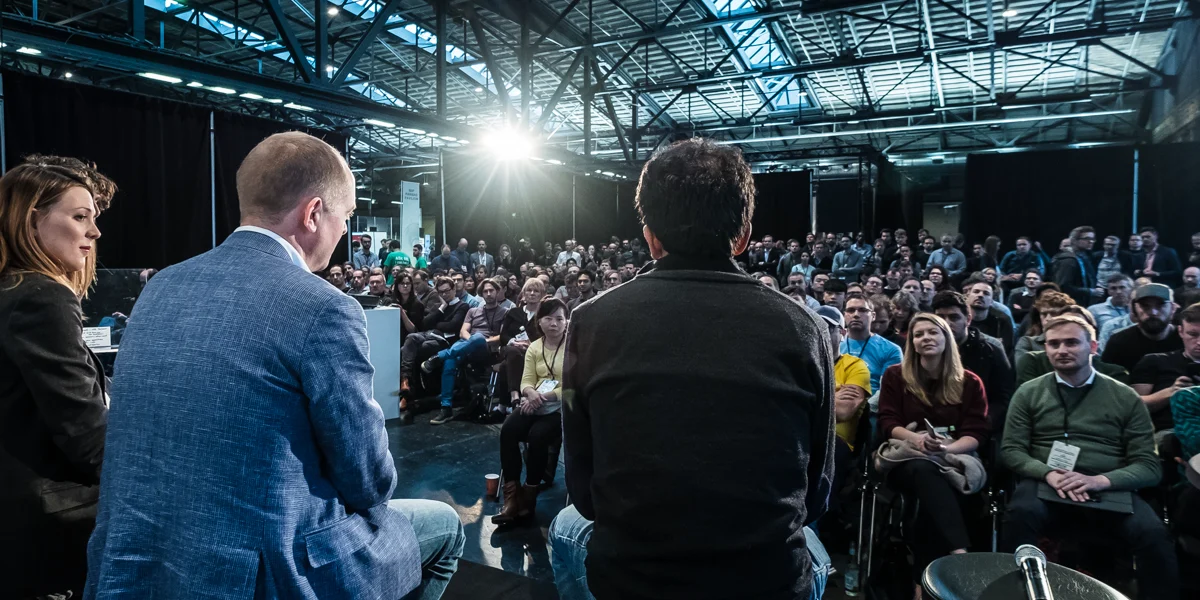
The 2026 iteration of the event arrives at a pivotal moment for the global tech economy. As the industry grapples with the long-term integration of artificial intelligence, shifting fintech regulations, and the revitalization of physical infrastructure through robotics, the "Call for Content" serves as a primary mechanism for identifying the voices that will define the narrative of the coming years. Organizers are specifically seeking experts capable of delivering actionable insights rather than high-level platitudes, emphasizing the need for speakers who have navigated the complexities of scaling businesses in a volatile macroeconomic environment.
Strategic Session Formats and Engagement Models
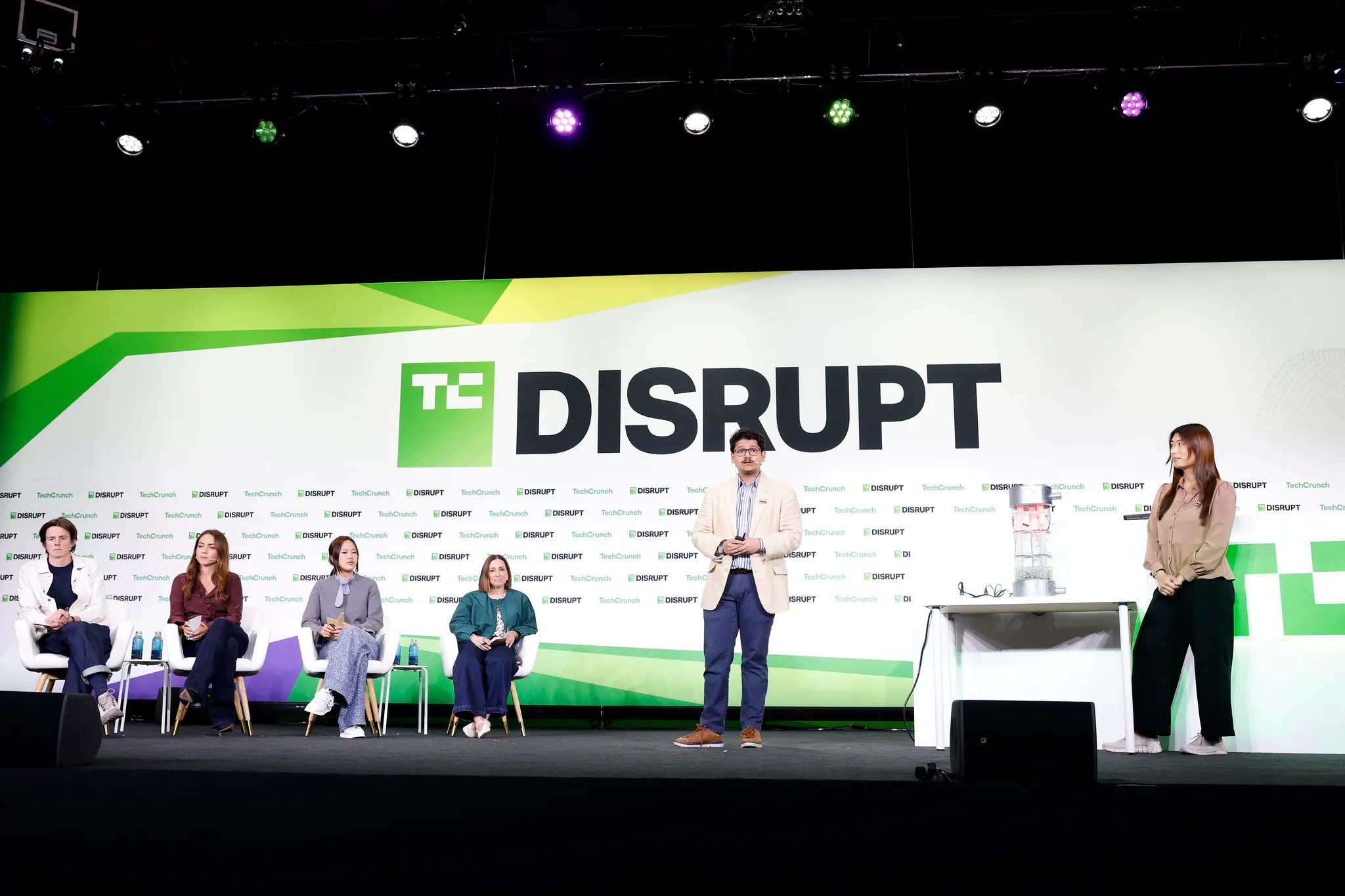
TechCrunch has structured the Disrupt 2026 program to facilitate different levels of engagement, moving away from traditional unidirectional lectures toward more interactive and specialized formats. The application process requires potential speakers to choose between two distinct session types, each designed to serve a specific educational or networking purpose within the broader conference ecosystem.
The first format, Breakout Sessions, is designed for high-impact knowledge sharing. These 30-minute sessions allow for up to four speakers, including a moderator, and are followed by a 20-minute dedicated audience Q&A period. With a capacity of 100 attendees, these sessions are intended to provide a deep dive into technical or operational subjects, such as the nuances of series-B fundraising, the deployment of large language models in enterprise environments, or the optimization of supply chains through automated systems. The inclusion of a mandatory Q&A period underscores TechCrunch’s commitment to fostering direct dialogue between industry leaders and the startup community.
The second format, Roundtables, offers a more intimate and collaborative environment. These 30-minute speaker-led discussions are limited to 40 participants and eschew traditional audio-visual aids and slide decks. The absence of slides is a deliberate choice intended to prioritize raw insight and spontaneous conversation over polished marketing presentations. Roundtables are frequently cited by past attendees as the most valuable component of the Disrupt experience, as they allow for granular problem-solving and high-level networking among peers facing similar industrial challenges.
The Editorial Review and Audience Choice Selection Process
The selection process for TechCrunch Disrupt 2026 is uniquely bifurcated, combining internal editorial expertise with community-driven democratic input. Once the application window closes tonight, every submission will undergo a rigorous review by the TechCrunch editorial team. This internal panel evaluates applications based on the novelty of the topic, the speaker’s verifiable track record, and the relevance of the content to the current technological landscape.

Following the initial editorial screening, a cohort of finalists will be advanced to the "Audience Choice" stage. This phase allows the TechCrunch readership—a global community of millions of tech enthusiasts and professionals—to vote on the sessions they find most compelling. This hybrid approach ensures that the final agenda reflects both the high standards of professional journalism and the actual interests of the tech community. By allowing the audience to shape the schedule, Disrupt 2026 aims to mitigate the "echo chamber" effect often found at major corporate conferences, instead highlighting grassroots trends and emerging concerns that might otherwise be overlooked by top-down programming.
Historical Context: TechCrunch Disrupt as an Innovation Catalyst
Since its inception, TechCrunch Disrupt has served as the premiere stage for the "unveiling" of the next generation of tech giants. Most famously known for its Startup Battlefield competition—which has seen alumni like Dropbox, Cloudflare, and Mint rise to multi-billion dollar valuations—the event has evolved into a comprehensive industry summit. The return to Moscone West in 2026 continues a long-standing tradition of hosting the event in San Francisco, the city that remains the heartbeat of global venture capital despite increasing competition from emerging hubs in Austin, Miami, and New York.
The 2026 event is expected to see a significant focus on the "Second Wave" of Artificial Intelligence. While previous years focused on the initial excitement surrounding generative models, the 2026 sessions are anticipated to pivot toward implementation, energy efficiency, and the ethical frameworks governing autonomous systems. Furthermore, with the fintech sector undergoing a period of consolidation and increased regulatory scrutiny, the "Call for Content" is expected to attract significant interest from experts in decentralized finance and traditional banking infrastructure.
Data and Economic Impact of the San Francisco Tech Ecosystem
The choice of San Francisco as the venue for Disrupt 2026 is supported by robust economic data. Despite shifts in remote work patterns, the Bay Area continues to command the lion’s share of global venture capital. In recent fiscal quarters, San Francisco-based startups accounted for nearly 40% of all AI-related investment in the United States. The gathering of 10,000 leaders at Moscone West is not merely a networking opportunity; it is a significant economic driver for the city, generating millions of dollars in local revenue through hospitality, transportation, and auxiliary services.
For founders, the stakes of participating in Disrupt are high. Historically, startups that have presented on the Disrupt stages or participated in the Battlefield have collectively raised billions in follow-on funding. The exposure provided by the TechCrunch platform offers a level of visibility that is difficult to replicate through traditional marketing channels. By inviting "operators" and "technology experts" alongside founders and investors, the event aims to provide a holistic view of the "how" behind the "what" of modern innovation.
Industry Implications and the Future of Innovation
The themes identified for Disrupt 2026—AI, scaling, fintech, infrastructure, and robotics—represent the pillars of the mid-decade economy. Analysis of current market trends suggests that by October 2026, the tech industry will be moving past the "hype cycles" of the early 2020s and into a phase of mature execution. Infrastructure, in particular, has become a hot-button issue as the physical requirements for data centers and the hardware for robotics begin to intersect with global climate goals and energy constraints.

The call for speakers who can discuss "scaling" is particularly relevant. As the era of "growth at all costs" has been replaced by a focus on "sustainable profitability," founders are seeking guidance on how to build resilient organizations. The sessions at Disrupt 2026 are expected to provide the blueprints for this new era of fiscal discipline and operational excellence.
Final Call to Action and Deadline Specifics
As the 11:59 p.m. PT deadline approaches, the TechCrunch editorial team has reiterated that no extensions will be granted. The high volume of applications expected in the final hours necessitates a strict adherence to the timeline to allow the review process to begin immediately. Interested parties are encouraged to submit comprehensive proposals that clearly outline the takeaways for the audience.
The "Call for Content" is more than just an application for a speaking slot; it is an invitation to help shape the global conversation. In an industry that moves as fast as technology, the voices heard on the Disrupt stage in October 2026 will likely influence investment strategies and product roadmaps well into 2027 and beyond. Whether it is a founder who has successfully pivoted during a market downturn or an engineer who has solved a fundamental bottleneck in robotic perception, the stage at Moscone West is reserved for those who are actively building the future.
With the tech world’s eyes fixed on San Francisco, the conclusion of the application window tonight marks the first major milestone in the journey toward TechCrunch Disrupt 2026. The resulting lineup will serve as a barometer for the health and direction of the global startup ecosystem, providing a platform for the disruptive ideas that will define the next decade of progress.