admin
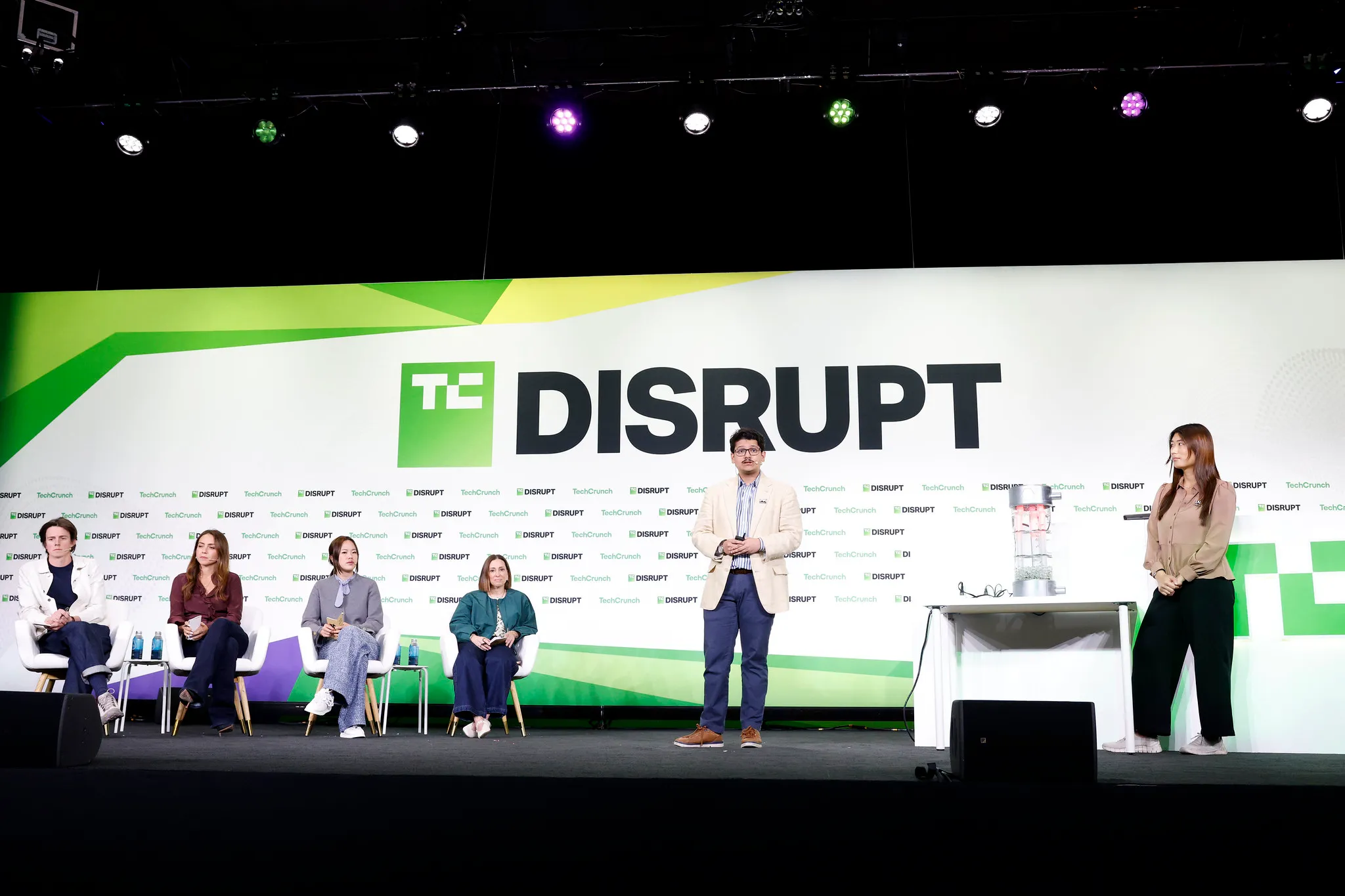
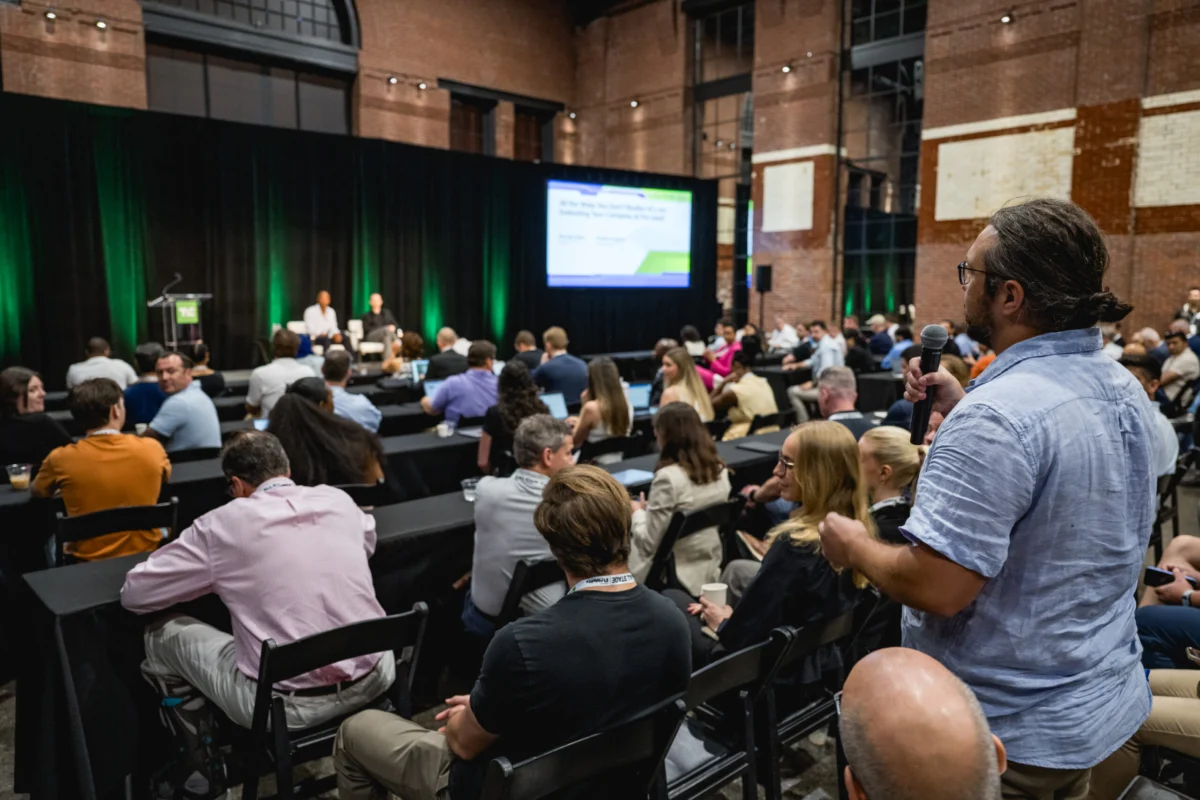
The first day of TechCrunch Disrupt 2026 concluded on October 13, marking the beginning of one of the global technology industry’s most significant annual gatherings at San Francisco’s Moscone West. As the event transitions into its second and third days, scheduled for October 14 and 15, organizers have announced a strategic shift in accessibility, offering a 50 percent discount on all ticket types for the remainder of the programming. This mid-event adjustment aims to maximize attendance for a high-profile lineup of speakers and sessions that focus heavily on the evolution of artificial intelligence, venture capital dynamics, and the next generation of startup innovation.
The discount applies to the full spectrum of the Disrupt ticket lineup, ranging from general admission and founder-specific passes to specialized investor and student tiers. By lowering the barrier to entry for the final 48 hours, the event organizers are facilitating broader access to the networking opportunities, interactive roundtables, and high-level keynotes that define the Disrupt experience. This move comes at a time when the San Francisco tech ecosystem is experiencing a resurgence, driven largely by the concentration of AI development in the Bay Area.
A High-Profile Roster: From Hollywood to Silicon Valley’s Inner Circle
The programming for the final two days of Disrupt 2026 features a diverse array of speakers representing various sectors of the global economy. On the main Disrupt Stage, the agenda includes a rare appearance by all five general partners of Benchmark. Known for its lean structure and outsized impact on the venture capital landscape, Benchmark’s joint appearance is expected to provide deep insights into the firm’s investment philosophy during a period of rapid technological shift.
In addition to venture capital royalty, the stage will host Mark Wahlberg. While primarily known as an A-list actor, Wahlberg has established a significant footprint as an entrepreneur and investor through ventures such as the Municipal apparel line and his involvement in the fitness and production industries. His presence highlights the increasing intersection between traditional celebrity and the startup ecosystem.
Other notable speakers scheduled for the coming days include Amjad Masad, the CEO of Replit, who has been a vocal proponent of AI-integrated development environments. Amazon’s Panos Panay is also slated to appear, likely discussing the integration of hardware and software in the age of ambient computing. The social media landscape will be represented by Bluesky’s leadership, including CEO Toni Schneider and COO Rose Wang, who are expected to address the challenges of building decentralized social protocols in a highly competitive market.
The Centrality of Artificial Intelligence in 2026
A defining feature of this year’s Disrupt is the presence of two flagship AI Stages, reflecting the technology’s dominance in the current venture and development cycle. A major highlight of the AI programming is the scheduled appearance of Alexander Embiricos, OpenAI’s Head of Enterprise Product. Embiricos is expected to detail the launch and implementation of the company’s "Dots" agents—autonomous or semi-autonomous AI entities designed to handle complex workflows within enterprise environments.
The focus on "agentic" AI marks a shift from the generative AI discussions of previous years toward more functional, task-oriented applications. Joining OpenAI on the AI Stages are leaders from Anthropic, Hugging Face, and Clay. These companies represent the infrastructure and application layers of the AI stack, and their sessions are expected to cover topics ranging from model safety and open-source collaboration to the automation of sales and marketing operations.
Industry analysts suggest that the concentration of AI leadership at Disrupt 2026 serves as a bellwether for the "Second Wave" of AI investment. While the first wave focused on large language model (LLM) development, the current phase is characterized by the search for sustainable business models and vertical-specific applications that can provide immediate ROI for corporate adopters.
Startup Battlefield 200 and the Reimagined Expo Hall
At the heart of the Disrupt experience is the Startup Battlefield 200, a curated cohort of early-stage startups selected from thousands of applicants globally. The pitch competition is continuing on the Disrupt Stage, where founders compete for the coveted Disrupt Cup and a $100,000 equity-free grand prize. The competition has historically served as a launchpad for companies that have gone on to raise billions in follow-on funding, including notable alumni like Dropbox, Mint, and Fitbit.
Complementing the pitch competition is the revamped Expo Hall, which hosts over 320 exhibitors. The layout of the hall has been redesigned for 2026 to facilitate more organic networking and "serendipitous" encounters between founders and investors. The hall features specialized "pavilions" dedicated to specific sectors, including SaaS, FinTech, Hardware, and Sustainability.

Beyond the exhibition floor, the event includes extensive breakout sessions and interactive roundtables. These smaller, more focused gatherings allow for direct engagement between attendees and industry experts. Topics range from the technicalities of scaling cloud infrastructure to the legal nuances of AI copyright and international expansion strategies for startups.
Historical Context: TechCrunch Disrupt’s Role in the Innovation Lifecycle
Since its inception, TechCrunch Disrupt has functioned as a primary venue for the debut of transformative technologies. Originally known as TechCrunch40 and later TechCrunch50, the event was rebranded as Disrupt in 2010. Over the past two decades, it has mirrored the shifts in the technology industry, moving from the social media and mobile app booms of the early 2010s to the current focus on deep tech and artificial intelligence.
The 2026 edition of Disrupt arrives at a critical juncture for the tech sector. Following the market corrections of 2023 and 2024, the venture capital environment has become more discerning, with a heightened focus on unit economics and path-to-profitability. Disrupt provides a platform for founders to demonstrate resilience and for investors to identify the next generation of "unicorns" in a more disciplined market.
The location of the event at Moscone West is also symbolic. As San Francisco continues to navigate its post-pandemic recovery, the influx of thousands of tech professionals for Disrupt provides a significant boost to the local economy. The "Side Events" happening across the city—ranging from investor brunches to developer hackathons—further extend the event’s footprint beyond the walls of the convention center.
Broader Implications and Market Impact
The 50 percent ticket discount for the final two days is more than a promotional tactic; it reflects an effort to democratize access to the "inner circles" of Silicon Valley. For early-stage founders, the opportunity to meet an investor who could secure their next funding round or to find a co-founder is often the primary driver for attendance. By reducing the cost of entry, the event increases the diversity of participants, which in turn enriches the quality of the networking and the breadth of ideas being discussed.
From an industry perspective, the discussions held during Disrupt 2026 will likely set the tone for the coming year. As companies like OpenAI and Anthropic outline their roadmaps for enterprise agents, and as legendary VC firms like Benchmark share their outlook on the next decade of computing, the ripple effects will be felt across the global market.
The integration of high-profile figures like Mark Wahlberg alongside technical leaders like Amjad Masad suggests that the "tech" industry is no longer a siloed sector but is inextricably linked with mainstream commerce, entertainment, and culture. The challenges discussed—such as the ethics of AI, the future of decentralized networks, and the sustainability of high-growth business models—are no longer just "startup problems" but are central to the global economic discourse.
Looking Ahead: The Final 48 Hours
As the event moves into October 14 and 15, the schedule remains packed with high-value programming. The Startup Battlefield finals will eventually narrow the field to a single winner, a moment that often defines the career trajectory of the participating founders. Meanwhile, the AI Stages will continue to dive deep into the technical and societal implications of the current "agentic" revolution.
For those sitting on the fence, the 50 percent discount represents a final call to join the excitement. The networking opportunities alone, bolstered by the "Side Events" scattered throughout San Francisco, offer a level of access that is difficult to replicate elsewhere. Whether it is learning from those who have built multi-billion dollar enterprises or connecting with the next generation of innovators, the remaining two days of TechCrunch Disrupt 2026 are poised to deliver substantial value to the global tech community.
The event’s conclusion on October 15 will likely be followed by a wave of funding announcements and strategic partnerships, as the connections made at Moscone West begin to bear fruit. In an industry defined by rapid change, Disrupt remains a constant—a place where the future is not just discussed, but actively shaped.