admin
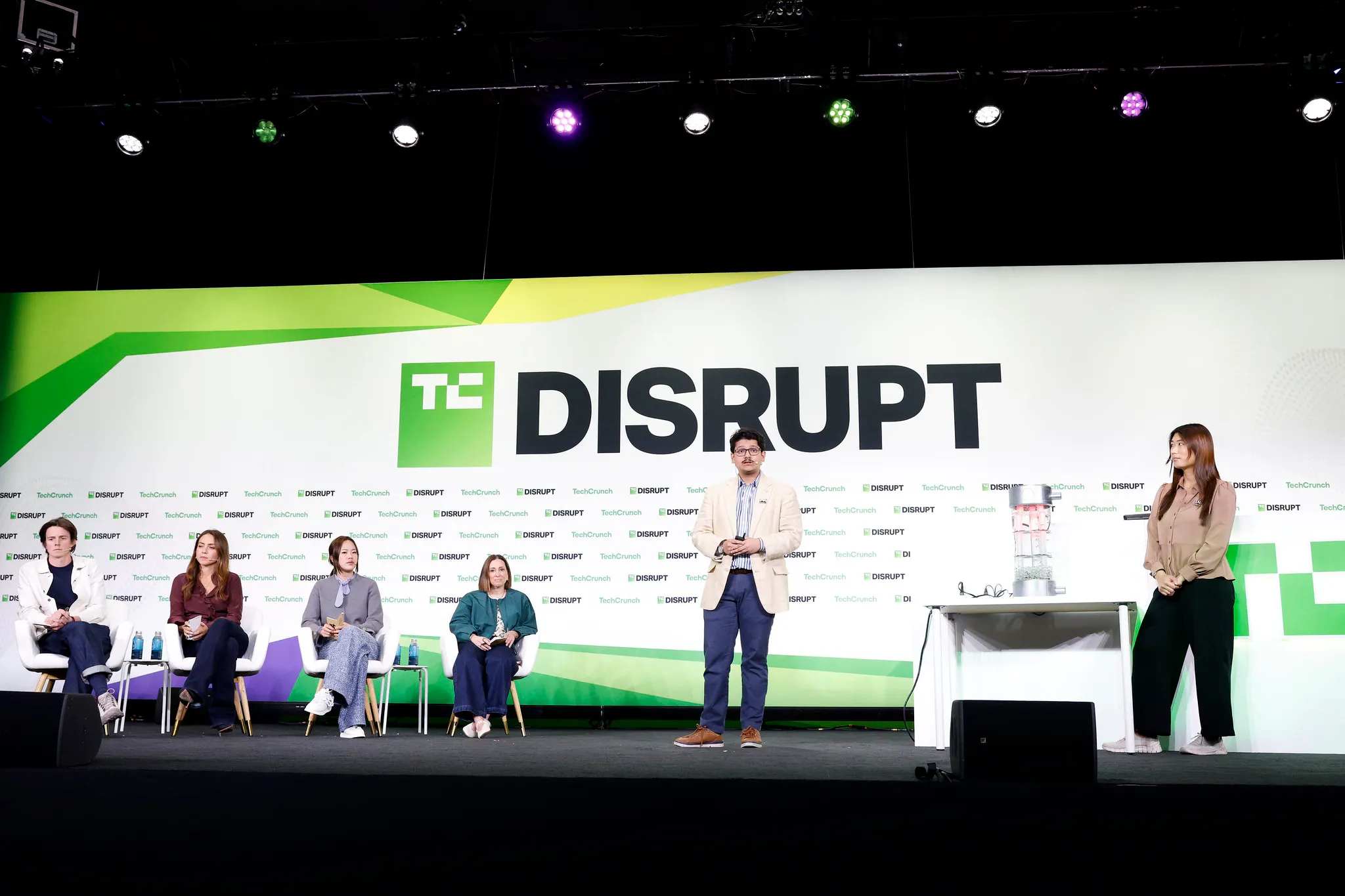
The first day of TechCrunch Disrupt 2026 has officially concluded, marking the midpoint of one of the global technology industry’s most significant annual gatherings. As the event moves into its final two days at San Francisco’s Moscone West on October 14 and 15, organizers have announced a strategic shift in accessibility, offering a 50% discount across all ticket categories. This move is designed to draw in a secondary wave of founders, investors, and engineers for a slate of programming that focuses heavily on the evolution of artificial intelligence agents, venture capital shifts, and the high-stakes Startup Battlefield 200 competition.
The 2026 iteration of Disrupt arrives at a pivotal moment for the technology sector. Following several years of market recalibration, the industry is currently navigating a surge in "agentic" AI development and a renewed interest in early-stage venture capital. The discount, which applies to the remaining two full days of programming, allows late-entry attendees to access a dense schedule of keynotes, breakout sessions, and networking opportunities that have come to define the Disrupt experience.
Strategic Programming and Keynote Highlights
The agenda for the remaining two days features a blend of traditional tech heavyweights and cultural figures who have pivoted into the investment and entrepreneurial space. On the Disrupt Stage, the lineup remains robust. A-list actor and entrepreneur Mark Wahlberg is scheduled to appear, likely discussing the intersection of celebrity branding and venture-backed startups, a field where he has seen significant success with ventures ranging from fitness to apparel.
The venture capital landscape is also a primary focus. In a rare joint appearance, all five partners from Benchmark—one of Silicon Valley’s most storied and selective venture firms—will take the stage together. Such an appearance is historically significant; Benchmark is known for its "equal partnership" model and its avoidance of the "mega-fund" trend, making their collective insight into the 2027-2028 economic outlook highly anticipated by the founder community.
Further technical and operational insights are expected from Replit CEO Amjad Masad, whose platform has become a cornerstone for the new generation of AI-native developers. Additionally, Panos Panay, formerly of Microsoft and now a key executive at Amazon, is expected to discuss the future of hardware and integrated AI ecosystems. The presence of Bluesky’s leadership, including CEO Toni Schneider and COO Rose Wang, highlights the ongoing shift in the social media landscape toward decentralized protocols and user-controlled environments.
The Rise of AI Agents: The Flagship AI Stages
Perhaps the most significant technical draw of Disrupt 2026 is the dedicated focus on artificial intelligence. The event features two flagship AI Stages, reflecting the massive capital allocation toward the sector over the last 24 months. A major highlight for Day 2 is the appearance of Alexander Embiricos, OpenAI’s Head of Enterprise Product.
Embiricos is set to provide a deep dive into the launch of "Dots," OpenAI’s latest foray into autonomous agents. While 2024 and 2025 were defined by Large Language Models (LLMs) that could converse, 2026 is being hailed as the year of the "Agent." These "Dots" are designed to perform complex, multi-step tasks across various software ecosystems without constant human oversight. The discussion is expected to cover the security implications, enterprise adoption hurdles, and the productivity gains associated with these autonomous systems.
Beyond OpenAI, the AI Stages will host leaders from Anthropic, Hugging Face, and Clay. These sessions are intended to provide a comprehensive view of the AI stack, from foundational models to the application layer and the open-source communities that sustain them. For developers and CTOs, these sessions offer a roadmap for the tools that will likely dominate the enterprise landscape in the coming fiscal year.
Startup Battlefield 200 and the Expo Hall
At the heart of Disrupt is the Startup Battlefield 200, a curated competition where 200 early-stage startups vie for the Disrupt Cup and a $100,000 equity-free prize. As the competition enters its final rounds on the Disrupt Stage, the tension is palpable. Historically, Battlefield alumni have collectively raised more than $9 billion and include household names like Dropbox and Mint.
The Expo Hall has also undergone a significant "revamp" for 2026. Featuring over 320 exhibitors, the hall serves as a physical manifestation of the current startup ecosystem. The exhibitors are categorized by industry verticals, including SaaS, Fintech, Hardware, Sustainability, and Healthtech. This layout is designed to facilitate more efficient "pathfinding" for investors looking for specific portfolio additions.

In addition to the main stages and the expo, the event includes extensive breakout sessions and interactive roundtables. These smaller, more intimate settings allow founders to engage in direct Q&A with industry experts on topics such as navigating Series A down-rounds, optimizing cloud spend, and managing remote-first engineering teams in a post-geographic world.
A Chronology of Disrupt 2026
The progression of the event reflects the changing priorities of the tech world:
- Day 1 (October 13): Focused on the "State of the Union" for tech. Keynotes addressed the macro-economic environment, the stabilization of interest rates, and the initial rounds of the Startup Battlefield.
- Day 2 (October 14): Transitioning into deep-tech and operational excellence. This day is dominated by the AI Stage announcements and the highly anticipated Benchmark partner session.
- Day 3 (October 15): The "Future-Looking" finale. This day will feature the crowning of the Startup Battlefield winner and closing remarks on the ethical considerations of ubiquitous AI.
Throughout the week, the "Side Events" across San Francisco have turned the city into a decentralized extension of the conference. From rooftop mixers in the South of Market (SoMa) district to private investor dinners in Nob Hill, these events provide the informal networking opportunities that often lead to the most significant deal-making.
Data and Economic Context: The San Francisco Tech Recovery
The decision to offer a 50% discount for the remaining days of Disrupt 2026 is not merely a promotional tactic; it is a response to the evolving nature of professional conferences. Data from the 2025 conference season indicated that "just-in-time" attendance—where professionals decide to attend based on real-time social media buzz—has increased by 30%. By lowering the barrier to entry mid-event, TechCrunch is tapping into this "FOMO" (fear of missing out) economy.
Furthermore, the event serves as a critical indicator for the economic health of San Francisco. After a period of "doom loop" narratives in 2023 and 2024, the 2026 tech calendar has seen a resurgence in San Francisco-based events. The Moscone Center has reported a 15% increase in tech-related bookings compared to the previous year, fueled largely by the AI boom. TechCrunch Disrupt remains the anchor event of this recovery, drawing international talent back to the city’s core.
Industry Implications and Analysis
The themes emerging from Disrupt 2026 suggest a "maturation" phase for the current tech cycle. The shift from "AI as a novelty" to "AI as an agentic tool" (as seen with OpenAI’s Dots) indicates that the industry is moving past the hype cycle and into the implementation phase.
For founders, the message from the stages at Moscone West is clear: capital is available, but the bar for "product-market fit" has been raised. Investors are no longer just looking for LLM wrappers; they are looking for defensible infrastructure and unique datasets. The joint appearance of the Benchmark partners reinforces this; their presence suggests a hunt for the next "generational company" that can survive the volatility of the modern market.
The networking component of Disrupt also cannot be understated. In an era of remote work, the physical density of 320+ startups and hundreds of VCs in a single hall creates a "collision frequency" that digital platforms cannot replicate. For a founder sitting on the fence, the 50% discount represents a low-cost, high-reward opportunity to secure the funding or partnerships necessary for the 2027 roadmap.
Conclusion and Call to Action
As TechCrunch Disrupt 2026 enters its final 48 hours, the energy at Moscone West remains high. The combination of celebrity star power, deep technical insight, and the raw ambition of the Startup Battlefield 200 makes it a microcosm of the broader tech industry.
The 50% discount on all ticket types—including General Admission and the more specialized Founder or Investor passes—is available immediately. For those looking for an entry-level experience, the event offers three additional tiers of access, ensuring that even those with limited time can participate in the networking and expo components.
The technology landscape of 2027 is being debated and decided this week in San Francisco. With two days of programming left, including the most anticipated AI announcements and the final Battlefield pitches, the window for participation is closing, but the opportunity for impact remains significant. Now is the time for founders, developers, and investors to act on this last-minute call to join the community that is building the next decade of innovation.