admin
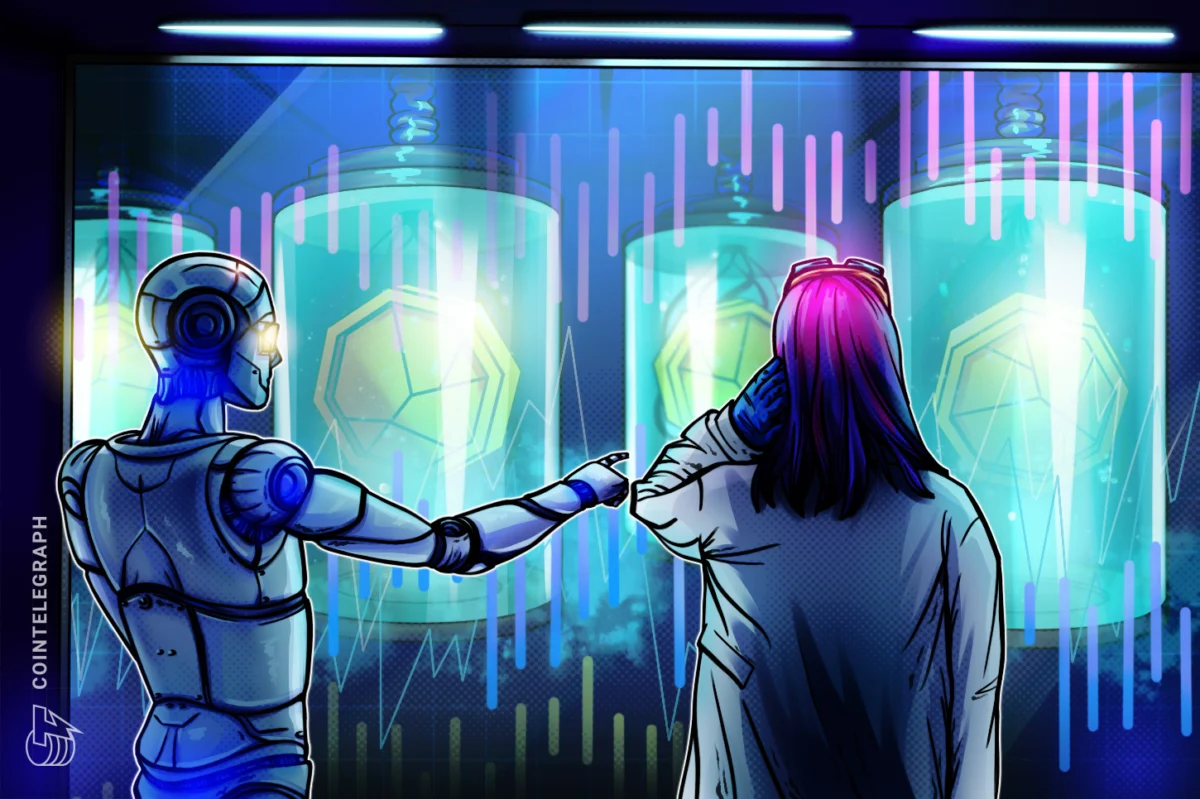
The burgeoning field of artificial intelligence, particularly the emergence of autonomous AI agents, is poised to trigger the next major adoption cycle for blockchain technology, according to Sunny Lu, co-founder and CEO of VeChain. Speaking during Cointelegraph’s Chain Reaction show on Wednesday, Lu articulated a compelling vision where the inherent need for verifying the identities and reputations of these ceaselessly operating digital entities would drive unprecedented demand for blockchain-based accountability systems. He posited that a decentralized ledger is the "perfect solution" for establishing the public trust essential for these advanced AI systems to integrate seamlessly and safely into daily life and commerce.
The Rise of Autonomous AI Agents and the Trust Imperative
Autonomous AI agents represent a significant leap beyond traditional software, operating with a degree of independence, making decisions, and executing tasks without constant human oversight. These agents are designed to function around the clock, potentially managing complex operations, facilitating transactions, or even representing individuals and businesses in the digital realm. As their capabilities expand and their presence becomes more pervasive, the fundamental question of trust becomes paramount. How can individuals, enterprises, and regulatory bodies ascertain the provenance, integrity, and accountability of an AI agent operating autonomously?
This challenge, Lu argues, creates a critical vacuum that blockchain technology is uniquely positioned to fill. The very nature of an AI agent – its continuous operation, potential for deep integration into sensitive systems, and capacity for independent action – necessitates an immutable and transparent record of its activities, identity, and performance history. Without a robust and universally verifiable system, the widespread deployment of such agents risks eroding public confidence and introducing systemic vulnerabilities. The existing digital infrastructure, largely centralized and prone to single points of failure or manipulation, is ill-equipped to provide the requisite level of decentralized accountability and trust for an economy increasingly powered by AI.
Blockchain as the Foundation for Digital Trust and Accountability
Lu’s proposal centers on the implementation of a "new accountability system" for AI agents, envisioning a future where each agent possesses a digital "passport" and operates within a "decentralized credibility system." This system, built on blockchain, would meticulously track their reputations, verify their identities, and even record the credentials and performance of their creators. Smart contracts, self-executing agreements coded directly onto the blockchain, would further enhance this framework by automating the settlement of transactions between agents, or between agents and human users, ensuring transparency and dispute resolution without intermediaries.
The foundational characteristics of blockchain technology — decentralization, immutability, transparency, and cryptographic security — make it an ideal candidate for this role.
- Decentralization ensures that no single entity controls the identity or reputation data of an AI agent, preventing censorship, manipulation, or a single point of failure.
- Immutability means that once a record (e.g., an agent’s activity log, transaction history, or identity credential) is added to the blockchain, it cannot be altered or deleted, providing an undeniable audit trail.
- Transparency (within privacy-preserving parameters) allows for verifiable proof of an agent’s actions and reputation, fostering trust among disparate parties.
- Cryptographic Security underpins all transactions and data storage, protecting against fraud and unauthorized access.
This integrated approach aims to build a verifiable layer of trust around AI agents, much like how passports and credit scores function for human entities in the physical world. For instance, an AI agent negotiating a complex supply chain agreement could have its identity and transactional history instantly verified on-chain, mitigating risks of fraud or misrepresentation. An AI assistant managing personal finances could provide verifiable proofs of compliance with user instructions and regulatory guidelines.
VeChain’s Strategic Move: VeWorld.ai and the Agent Economy
VeChain, a prominent enterprise-grade public blockchain platform, is not merely advocating for this future but actively building towards it. Lu’s discussion of these concepts coincided with the unveiling of VeWorld.ai, an agent-building platform explicitly designed to leverage VeChain’s blockchain infrastructure. This platform allows developers and, crucially, non-developers to create, deploy, and manage AI agents, all while embedding them within the decentralized accountability framework that Lu champions.
VeChain’s historical focus has been on driving real-world blockchain adoption, particularly through supply-chain tracking and enterprise solutions. Notable projects include collaborations with Walmart China for food traceability, demonstrating the practical application of blockchain in ensuring product authenticity and safety. The move into AI agent identity and reputation management signifies a strategic expansion, leveraging their existing expertise in enterprise-grade blockchain solutions to address a rapidly emerging need in the AI landscape. This pivot positions VeChain at the intersection of two of the most transformative technologies of our era.
A Historical Confluence: AI and Blockchain’s Parallel Journeys
The convergence of AI and blockchain, while gaining significant traction now, is the culmination of decades of parallel technological evolution.
- Artificial Intelligence: From its conceptual beginnings in the mid-20th century with figures like Alan Turing and the Dartmouth Workshop in 1956, AI has progressed through various "winters" and "summers." Early symbolic AI gave way to machine learning, then deep learning, fueled by vast datasets and computational power. The past decade has seen an explosion in AI capabilities, particularly with the advent of large language models (LLMs) and generative AI, which have brought sophisticated AI tools into the mainstream, enabling the creation of truly autonomous agents.
- Blockchain Technology: The genesis of blockchain is commonly traced to Satoshi Nakamoto’s 2008 whitepaper detailing Bitcoin, a decentralized digital currency. While Bitcoin demonstrated the core principles of a distributed, immutable ledger, the subsequent development of Ethereum in 2015 introduced smart contract functionality, vastly expanding blockchain’s potential beyond currency to programmable applications. Since then, numerous enterprise-grade blockchains like VeChain have emerged, focusing on specific industry applications such as supply chain management, digital identity, and tokenization of assets.
For years, discussions about AI and blockchain often treated them as separate, albeit powerful, innovations. However, as AI systems grew more complex and autonomous, and blockchain matured into a robust platform for trust and data integrity, the logical synergy became undeniable. The need for verifiable data to train AI models, secure AI algorithms, and, critically, establish accountability for AI agents, has brought these two fields into a necessary and accelerating convergence.
Market Dynamics and Supporting Data
The market landscape underscores the urgency and potential of this integration. The global AI market size was estimated at over $150 billion in 2023 and is projected to grow at a compound annual growth rate (CAGR) exceeding 37% from 2024 to 2030, potentially reaching trillions of dollars. Similarly, the global blockchain market, valued at around $11 billion in 2023, is forecast to expand at a CAGR of over 85% through 2030, driven by enterprise adoption and new applications. The intersection of these two mega-trends represents a colossal opportunity.
Beyond market size, the underlying challenges driving this convergence are significant. Cybercrime costs are projected to reach $10.5 trillion annually by 2025, with identity theft and data breaches remaining major contributors. The increasing sophistication of AI agents, while beneficial, also introduces new vectors for malicious activity if not properly secured and identified. A decentralized identity and reputation system could significantly bolster digital security, providing a robust, tamper-proof layer of verification that current centralized systems often lack.
Monetizing Expertise: The Agent Economy and Democratization of Software
Beyond establishing trust, Lu highlighted another transformative aspect of AI agents: their potential to democratize software development and enable individuals to monetize their expertise. He drew a parallel to the mobile app store revolution, which transformed individual developers into entrepreneurs, allowing them to distribute and monetize their work globally. Similarly, agent-building tools, particularly those integrated with a blockchain for trust and monetization, could open this market to a vast new cohort of creators.
This "agent economy" would empower non-developers – individuals with specialist professional experience, unique local knowledge, or niche hobbies – to transform their intellectual capital into valuable digital services. Imagine a retired expert in a specific industry creating an AI agent that provides tailored advice, or a local historian developing an agent that offers personalized guided tours based on real-time queries. These agents could be monetized through micro-transactions, subscriptions, or service fees, with smart contracts on the blockchain facilitating seamless and transparent payments.
Lu shared personal anecdotes to illustrate this potential: an educational agent for his daughter, an agent to assist his mother with daily routines and recovery, and a virtual employee designed to manage purchasing, inventory, sales, and operations for an acquaintance’s shop in Milan. These examples underscore the practical, everyday applications that could be unlocked, extending the power of AI beyond large corporations to individual innovators and small businesses.
Industry Perspectives and Cautionary Notes
While the potential is immense, industry leaders also sound notes of caution. Animoca Brands chairman Yat Siu, for instance, has highlighted the risks associated with relying on agent providers. In an October interview, Siu warned that while crypto traders could deploy AI agents to execute strategies around the clock, users risked building their entire trading frameworks around services over which they lacked direct control. This concern extends beyond trading to any critical function delegated to an autonomous agent. If the underlying platform or the agent itself is compromised, or if its parameters are altered without user consent, the consequences could be severe.
This concern reinforces Lu’s argument for a blockchain-based accountability system. A decentralized identity and reputation layer could provide users with verifiable assurances about the agent’s code integrity, its operational parameters, and its ownership, mitigating the "black box" problem prevalent in many AI systems. The ability to audit an agent’s historical actions on an immutable ledger would offer a crucial layer of transparency and control that is otherwise difficult to achieve.
Broader ethical considerations also loom large. The development of ethical AI, the prevention of algorithmic bias, and the establishment of clear lines of responsibility when an AI agent makes a harmful decision are complex challenges that will require ongoing dialogue and innovation. Blockchain, while providing a framework for accountability, does not inherently solve these ethical dilemmas but offers a tool to enforce ethical guidelines once they are established.
Regulatory Landscape and Future Challenges
The rapid advancement of AI agents presents a formidable challenge for regulators worldwide. Existing legal frameworks are largely unprepared for the complexities introduced by autonomous entities that can enter into contracts, manage assets, and make decisions. The need for robust regulatory guidance on AI agent identity, liability, data privacy, and ethical conduct is becoming increasingly urgent.
A blockchain-based identity and reputation system for AI agents could offer regulators a powerful tool. By providing a standardized, verifiable, and auditable record of an agent’s identity, actions, and affiliations, it could simplify compliance monitoring and enhance enforcement capabilities. Such a system could also facilitate the creation of "regulatory sandboxes" where AI agents operate under specific, verifiable constraints, allowing for controlled experimentation and data collection to inform future policymaking.
However, challenges remain. The scalability of blockchain networks will need to keep pace with the explosion of AI agent activity. Interoperability between different blockchain networks and traditional IT systems will be crucial. Furthermore, the development of privacy-preserving technologies (e.g., zero-knowledge proofs) will be essential to balance transparency with the need to protect sensitive data and proprietary algorithms.
Broader Societal and Economic Implications
The widespread adoption of blockchain-verified AI agents carries profound societal and economic implications.
- Enhanced Trust in Automation: By providing a verifiable layer of trust, these systems could accelerate the adoption of AI in sensitive sectors like healthcare, finance, and critical infrastructure, where accountability is non-negotiable.
- New Economic Models: The "agent economy" could foster new forms of entrepreneurship, empowering individuals and small businesses to compete with larger entities by leveraging specialized AI services. It could also lead to a more efficient allocation of expertise and resources.
- Reshaping the Future of Work: While AI agents will automate many tasks, they will also create new roles related to agent design, supervision, auditing, and ethical governance. The ability to outsource routine cognitive tasks to verifiable agents could free up human capital for more creative and strategic endeavors.
- Digital Citizenship and Identity: The concept of a digital passport for AI agents could pave the way for more sophisticated digital identity systems for humans, where verifiable credentials and reputation scores are managed in a decentralized manner, enhancing privacy and control.
- Mitigating Misinformation and Malicious AI: A robust identity system for AI agents could make it harder for bad actors to deploy anonymous, malicious bots or spread misinformation, as their origins and activities would be traceable.
In conclusion, Sunny Lu’s thesis presents a compelling roadmap for the symbiotic evolution of AI and blockchain. As AI agents become increasingly autonomous and integrated into the fabric of our digital lives, the imperative for verifiable identity, reputation, and accountability will only grow. Blockchain technology, with its inherent properties of decentralization, immutability, and transparency, stands ready to provide the foundational trust layer needed to unlock the full, secure, and ethical potential of the agent economy, driving not just the next wave of blockchain adoption but also shaping the future of digital interaction and commerce.