admin
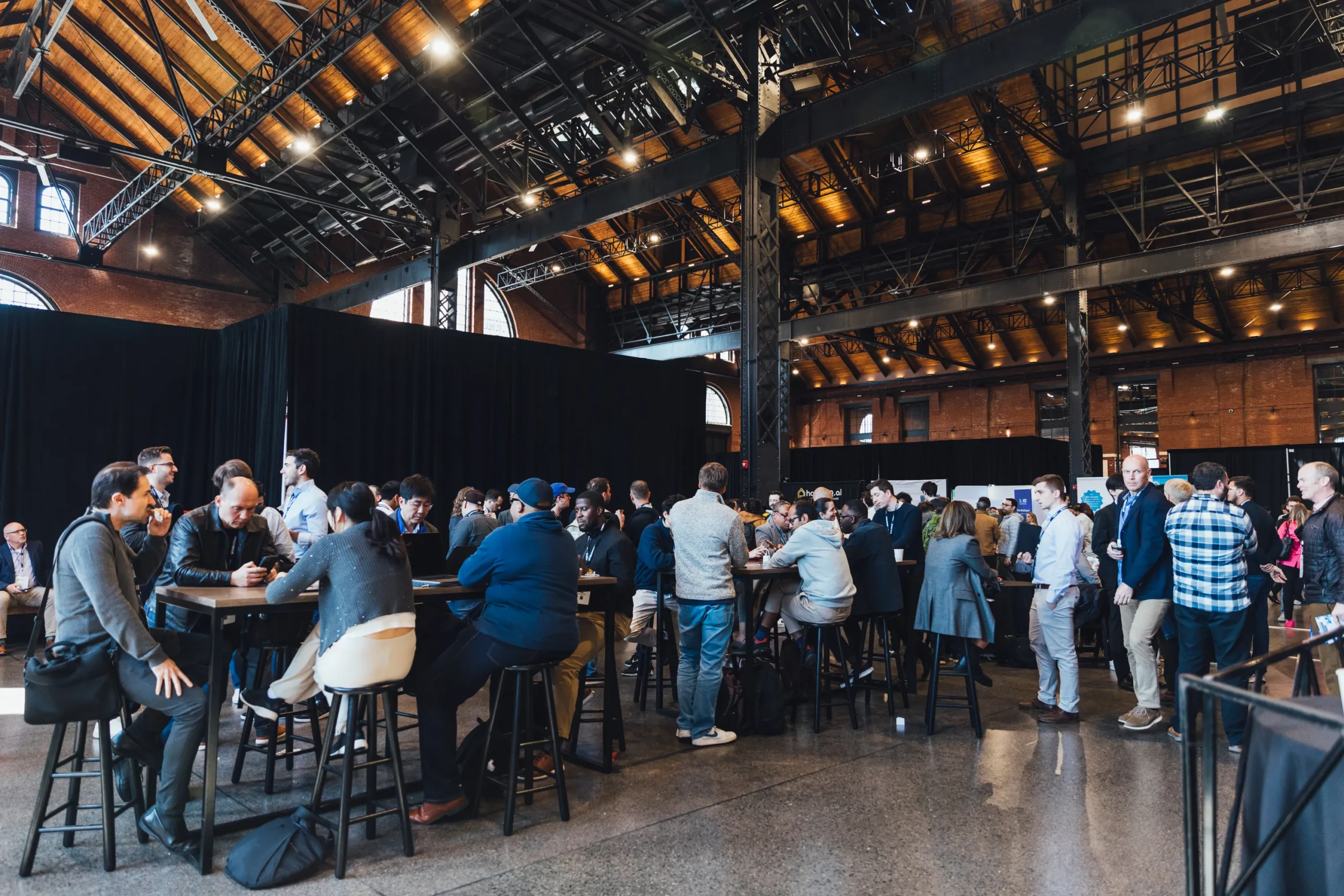
The TechCrunch Founder Summit 2026 is scheduled to convene on November 4 at the SoWa Power Station in Boston, marking a significant pivot toward intentional, high-utility networking for entrepreneurs and investors. In an era where the traditional conference model is increasingly scrutinized for its return on investment, this summit seeks to replace serendipity with a structured environment designed to facilitate specific, problem-solving conversations. Central to this initiative is the integration of Braindate, a networking platform that allows attendees to bypass the social friction of large-scale events and engage directly in one-on-one or small-group discussions centered on predefined challenges.
The Evolution of Professional Networking at Scale
Traditional business conferences have long relied on "hallway tracks"—the unplanned encounters that occur between formal sessions. However, as the startup ecosystem becomes more specialized and the pressures of scaling more acute, founders have expressed a growing need for more efficient use of their time. The TechCrunch Founder Summit 2026 addresses this by prioritizing "networking with a purpose." By utilizing the Braindate platform within the dedicated Founder Summit Networking Lounge, the event allows participants to browse a directory of topics posted by fellow attendees.
This methodology shifts the power dynamic of the event from the stage to the audience. Instead of a passive listening experience, the summit is structured as a peer-to-peer exchange. Founders can post specific queries—ranging from navigating Series B term sheets to optimizing remote engineering teams—and invite others with relevant expertise to meet. This targeted approach is intended to solve the "isolation of the founder," a documented psychological and professional hurdle where leaders feel they must solve unique internal crises without a sounding board of peers who have faced similar stakes.
Boston as a Strategic Hub for the 2026 Summit
The selection of Boston and the SoWa Power Station as the venue for the 2026 summit is a calculated move that reflects the city’s enduring status as a primary engine of global innovation. As of 2024 and 2025, Boston has consistently ranked among the top three global ecosystems for venture capital investment, particularly in deep tech, biotechnology, and enterprise software. The SoWa Power Station, a restored 19th-century architectural landmark in the South End, provides a venue that mirrors the summit’s theme of "building on a solid foundation while scaling for the future."

The regional context is vital for the summit’s success. The Boston-Cambridge corridor remains a dense concentration of academic talent from institutions like MIT and Harvard, alongside a robust "operator class"—executives who have scaled companies like HubSpot, Akamai, and Wayfair. By hosting the event in this environment, TechCrunch aims to draw a high concentration of local mentors and investors to supplement the national and international attendees. Data from recent industry reports suggest that regional tech hubs are seeing a resurgence in "in-person density," where founders value physical proximity for high-stakes negotiations and strategic planning.
Key Sessions and the Speaker Lineup
The 2026 agenda is bifurcated into two primary tracks: the Build Stage and the Impact Stage. These stages are supplemented by interactive roundtables and live pitch testing. The curriculum is built around the fundamental questions that define the lifecycle of a startup: readiness for scaling, team architecture, investor psychology, and enterprise sales strategies.
Several high-profile industry veterans are slated to lead these discussions, providing the intellectual framework that will then be dissected in the Braindate sessions. Kent Bennett, a partner at Bessemer Venture Partners, is scheduled to discuss the nuances of product-market fit. Bessemer’s historical data on "The State of the Cloud" and their long-term investment strategies provide a data-driven backdrop for founders struggling to find traction in a crowded market.
Dave Balter, representing True Ventures and Edisyl, will focus on the mechanics of the pitch. Balter’s expertise lies in understanding what makes an investor commit to a second meeting—a critical distinction in a 2026 market where capital efficiency is prioritized over "growth at all costs." Furthermore, Steve Fredette, co-founder of Toast, will offer a perspective on scaling through market volatility. As a co-founder of one of Boston’s most successful recent IPOs, Fredette’s insights into navigating changing market conditions are particularly relevant for founders in the growth stage.
Addressing the Scaling Crisis: Data and Analysis
The summit arrives at a time when the "scaling crisis" remains the primary cause of startup failure. According to industry analysis, approximately 70% of startups struggle with challenges related to premature scaling—hiring too quickly, overspending on customer acquisition before reaching product-market fit, or failing to adapt corporate culture to a larger headcount.

The Founder Summit’s emphasis on "the operator who has learned firsthand what happens when a company scales too quickly" is a direct response to these statistics. By facilitating conversations with those who have navigated the "trough of disillusionment," the event provides a form of risk mitigation for early-stage companies. The value of these connections is quantifiable; startups with access to high-quality mentorship and peer networks are significantly more likely to secure follow-on funding and achieve sustainable growth.
Chronology and Event Logistics
The TechCrunch Founder Summit 2026 is designed as a high-intensity, single-day event. The timeline for the day is structured to maximize the interplay between formal learning and informal networking:
- Morning Plenary: The day begins with keynote addresses on the Build Stage, establishing the thematic priorities of the summit.
- Mid-Morning Braindate Blocks: The first dedicated blocks for scheduled 1:1 and small-group meetings begin, allowing attendees to discuss the morning’s insights immediately.
- Afternoon Roundtables: Smaller, moderated groups focus on specific industry verticals such as AI infrastructure, fintech regulation, and SaaS sales cycles.
- Live Pitch Testing: Founders are given the opportunity to present their models to a panel of investors for real-time feedback in a constructive, non-public environment.
- Evening Networking and Expo Hall: The day concludes with an open session in the Expo Hall, featuring exhibitors who provide scaling solutions, including cloud infrastructure, HR tech, and legal services.
To encourage collaborative attendance, TechCrunch has implemented a "Buy One, Get One" pass policy. This initiative recognizes that startup leadership is rarely a solo endeavor, allowing founders to bring co-founders or key operators to ensure that the knowledge gained at the summit is shared across the organization’s executive team.
Broader Impact and Industry Implications
The TechCrunch Founder Summit 2026 represents a broader trend in the professional events industry: the move toward "boutique" experiences that offer high signal-to-noise ratios. In the mid-2010s, the trend was toward massive, "festival-style" tech conferences with tens of thousands of attendees. However, the post-pandemic era has seen a shift toward smaller, more curated gatherings where the quality of the attendee list is more important than the quantity.
For the Boston tech ecosystem, the summit serves as a catalyst for local engagement. By bringing together investors from firms like Bessemer and True Ventures with the local talent pool, the event reinforces the bridge between the East Coast’s academic/industrial base and the broader venture capital community.

Furthermore, the integration of Braindate suggests a future where event technology is used not just for registration, but as a sophisticated matching engine. As artificial intelligence continues to refine how professional data is analyzed, future iterations of these summits may see even more precise matchmaking, where founders are paired with mentors based on granular performance data and specific growth hurdles.
The implications for the participants are clear: the value of the summit is not merely in the content delivered from the stage, but in the longevity of the relationships formed in the Networking Lounge. In a volatile economic climate, a single conversation with a founder who has already solved a specific scaling problem can save a company months of wasted effort and significant capital.
Conclusion and Registration Information
As the November 4 date approaches, the TechCrunch Founder Summit 2026 stands as a pivotal moment for the startup community to recalibrate. The combination of high-level strategic oversight from veteran speakers and the granular, tactical problem-solving facilitated by Braindate creates a comprehensive environment for professional development.
Registration for the event remains open, with current passes offering a substantial discount and a complimentary second ticket for guests. Attendees will receive access to all stages, the Networking Lounge, the Expo Hall, and post-event session materials, ensuring that the insights gathered during the day can be integrated into their company’s long-term strategy. The summit at SoWa Power Station is poised to be more than just a date on the calendar; it is designed to be the starting point for the next generation of successful, resilient enterprises.