admin
admin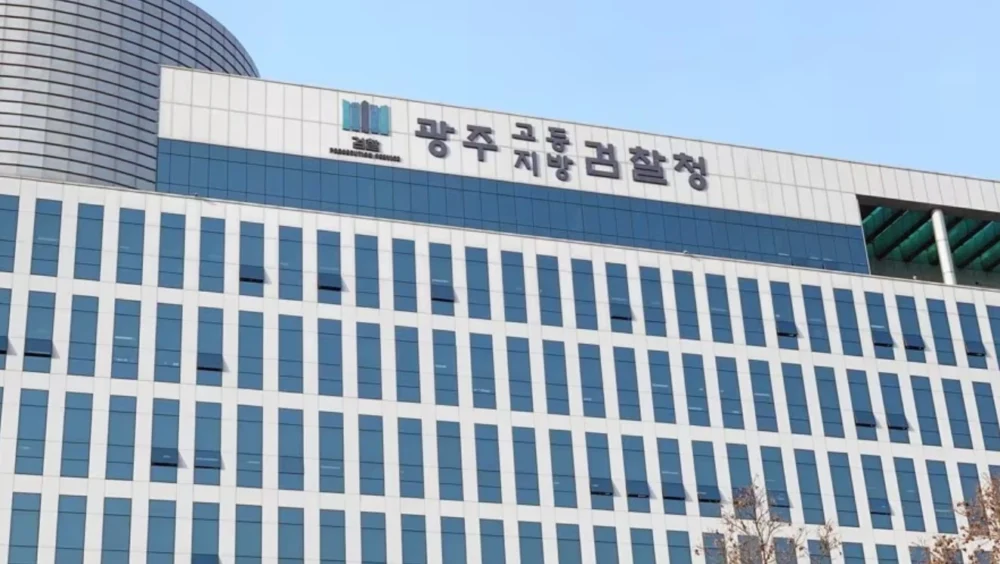
South Korean prosecutors have successfully liquidated 320.8 Bitcoin (BTC) that were recovered after a sophisticated phishing incident temporarily removed the cryptocurrency from government custody, transferring approximately 31.59 billion Korean won, equivalent to about $21.5 million, to the national treasury. The Gwangju District Prosecutors’ Office orchestrated the sale over an 11-day period, employing a strategic approach of selling in small batches to mitigate any potential disruption to the volatile cryptocurrency market, as confirmed by local media reports on Tuesday. This operation marks a significant event in the nation’s ongoing efforts to manage and integrate digital assets within its legal and financial frameworks, following a complex saga involving initial seizure, cyber theft, and a meticulous recovery process.
The Origins of the Seized Bitcoin: An Illegal Gambling Empire
The 320.8 Bitcoin at the heart of this saga were originally confiscated from an individual accused of operating a sprawling illegal online gambling network. This illicit enterprise reportedly handled an staggering 390 billion won (approximately $285 million at the time of the investigation) in wagers between 2018 and 2021, illustrating the significant scale of its operations. The seizure of these digital assets underscores the South Korean government’s proactive stance against illicit activities conducted through cryptocurrency, treating them as tangible assets subject to forfeiture under criminal law. Law enforcement agencies in South Korea, much like their counterparts globally, have increasingly focused on tracing and seizing cryptocurrencies linked to criminal activities, ranging from drug trafficking and money laundering to illegal gambling, due to their perceived pseudo-anonymity and ease of international transfer. The legal framework supporting such seizures typically involves proving the assets are proceeds of crime, followed by a court order for confiscation. This particular seizure represented a substantial win for authorities in combating sophisticated online crime, highlighting the growing intersection of cybercrime and digital asset forensics.
A Detailed Chronology of the Phishing Incident and Recovery
The journey of these Bitcoin from seizure to treasury was far from straightforward, marked by a critical cybersecurity lapse and a subsequent diligent recovery effort.
- August 2025: The Phishing Attack and Initial Loss: The critical turning point occurred in August 2025 during a routine custody handover of the seized Bitcoin. Asset managers responsible for securing the digital funds fell victim to a highly sophisticated phishing scheme. This incident saw them unknowingly interacting with a malicious website meticulously designed to mimic an official platform, leading to the unauthorized transfer of the Bitcoin. Such phishing attacks exploit human vulnerabilities, often leveraging urgency or official-looking communications to trick individuals into divulging sensitive information or authorizing transactions. The loss of a significant amount of government-held cryptocurrency sparked an immediate and intense investigation, raising concerns about the security protocols for managing digital assets in state custody.
- Tracing and International Cooperation: Following the breach, South Korean investigators launched a comprehensive digital forensic effort to trace the stolen funds. This process involved meticulously following the transaction trail on the Bitcoin blockchain, which, while pseudonymous, records every transaction publicly. Their efforts successfully traced the 320.8 Bitcoin to a specific wallet controlled by the hacker. This stage often involves significant technical expertise and, in many cases, international cooperation with cryptocurrency exchanges and law enforcement agencies across borders, given the global nature of blockchain networks.
- Early February 2026: Pressure Mounts on the Hacker: With the hacker’s wallet identified, South Korean authorities intensified their recovery efforts. They reportedly engaged with both domestic and international cryptocurrency exchanges, requesting that the identified address holding the stolen Bitcoin be frozen. Freezing an address typically means that exchanges are asked to prevent any outgoing transactions from that address if the funds were to be deposited or attempts made to withdraw them through their platforms. This measure significantly constrained the hacker’s ability to liquidate the stolen funds, effectively trapping the Bitcoin within the identified wallet and increasing the pressure for their return.
- February 17, 2026: Bitcoin Returns to Government Control: The pressure tactics proved effective. On February 17, the 320.8 Bitcoin were successfully returned to a government-controlled wallet. The exact mechanisms of this return—whether through direct negotiation, a surrender, or technical means—were not fully disclosed, but it marked a critical victory in the recovery operation, bringing the assets back into official custody after months of being adrift in the digital ether.
- February 19, 2026: The "Unexpected" Return: Two days later, on February 19, the Gwangju District Prosecutors’ Office made a public statement confirming that the hacker had "unexpectedly sent back" 320.88 Bitcoin. This slightly larger amount than the initially reported loss might indicate a buffer or an adjustment in the recovered sum. These returned funds were then immediately transferred to a secure exchange wallet, specifically designated and controlled by the authorities, ensuring their safety ahead of liquidation. The term "unexpectedly" suggests that while authorities were pursuing recovery, the hacker’s voluntary action was a pivotal moment, likely influenced by the inability to monetize the frozen assets and the persistent pressure from law enforcement.
Strategic Liquidation: Avoiding Market Disruption

With the Bitcoin securely back in government hands, the next challenge was their liquidation. The Gwangju District Prosecutors’ Office announced that the sale of the 320.8 Bitcoin commenced on February 24 and concluded on March 6, spanning an 11-day period. This extended timeline was a deliberate strategy. Unlike traditional assets, large quantities of cryptocurrency sold all at once can significantly impact market prices, especially for assets like Bitcoin, which, despite its large market capitalization, can experience considerable volatility with major sell-offs. By selling the Bitcoin in "small batches," authorities aimed to minimize downward price pressure and ensure they realized a fair market value for the assets, maximizing the proceeds transferred to the national treasury. This methodical approach reflects a growing understanding among state actors of the nuances of cryptocurrency markets and the best practices for handling seized digital assets. Governments globally, including the U.S. Marshals Service, have adopted similar strategies when liquidating confiscated cryptocurrencies, often utilizing specialized auction houses or over-the-counter (OTC) desks to offload large sums without causing market ripples. The successful execution of this sale, yielding $21.5 million, demonstrates effective asset management in a novel and complex financial landscape.
South Korea’s Evolving Stance on Cryptocurrency: Beyond Seizure and Recovery
The incident of the recovered Bitcoin and its subsequent sale unfolds within a broader context of South Korea’s dynamic and evolving relationship with cryptocurrencies. The nation has long been a global hub for crypto trading, but its regulatory environment has been characterized by both innovation and caution.
- Regulatory Framework: South Korea’s financial regulators, including the Financial Services Commission (FSC), have generally maintained a strict stance on cryptocurrency exchanges and related activities, emphasizing investor protection and anti-money laundering (AML) measures. Exchanges are required to operate under stringent licenses, implement real-name trading systems, and adhere to strict reporting requirements. While the government has historically been wary of the speculative nature of crypto, it has also acknowledged the potential of blockchain technology and digital assets, leading to a nuanced regulatory approach that seeks to harness innovation while mitigating risks. Recent discussions have focused on developing a comprehensive Digital Assets Basic Act to provide a clearer legal framework for the entire crypto industry, indicating a move towards greater institutionalization.
- Rethinking Crypto Losses in Debt Restructuring: In a significant development that reflects a maturing perspective on digital assets, South Korean courts are reportedly reconsidering how crypto-related debts are handled in personal rehabilitation cases. Traditionally, losses from speculative investments might have been treated differently, potentially complicating debt restructuring for individuals. However, a recent report from local outlet EToday on Sunday revealed that newly established rehabilitation courts in Daejeon, Daegu, and Gwangju are preparing new guidelines. These guidelines are set to generally exclude stock and cryptocurrency investment losses from liquidation value calculations.
- Implications for Debtors: This shift is monumental. By treating crypto investment losses more akin to ordinary asset losses rather than purely speculative debts, the courts aim to provide greater relief to individuals undergoing court-supervised debt restructuring. It could significantly lower repayment obligations for those who have incurred substantial losses in the volatile crypto market, offering them a more viable path to financial recovery. This policy change reflects an acknowledgment by the judiciary that cryptocurrencies, while volatile, have become a mainstream investment vehicle for many citizens, and their losses should be considered within the broader context of personal financial distress.
- Legal Precedent and Social Impact: This judicial evolution sets a powerful precedent, indicating a formal recognition of cryptocurrencies as a legitimate asset class within the legal system, even in the context of financial hardship. It suggests a move away from viewing crypto solely as a niche, high-risk speculative tool, towards integrating it into the conventional understanding of personal finance and asset management. For a nation with a significant crypto trading population, this re-evaluation could have far-reaching social and economic implications, potentially preventing widespread bankruptcies due to market downturns and fostering a more empathetic approach to financial rehabilitation.
Broader Impact and Implications
The successful recovery and liquidation of the Bitcoin seized by the Gwangju District Prosecutors’ Office carries several broader implications:
- Enhanced Cybersecurity for State Assets: The phishing incident serves as a stark reminder of the persistent and evolving threat of cyberattacks, particularly when government agencies are entrusted with digital assets. It will undoubtedly spur further investment in and refinement of cybersecurity protocols, multi-factor authentication, and robust training for personnel handling sensitive digital assets within state custody. The integrity of government-held digital assets is paramount, and this incident provides invaluable lessons for future safeguards.
- Government’s Role in Crypto Legitimacy: The very act of a government agency seizing, recovering, and then carefully liquidating cryptocurrency, along with the judicial system’s evolving stance on crypto debt, subtly but powerfully lends a degree of official legitimacy to digital assets. It signals that cryptocurrencies are no longer merely an unregulated fringe phenomenon but an integral part of the financial landscape that governments must actively engage with, regulate, and manage.
- A Model for Other Jurisdictions: South Korea’s methodical approach to the recovery and sale of these Bitcoin, particularly the market-sensitive liquidation strategy, could serve as a model for other jurisdictions grappling with similar challenges. As more governments worldwide confiscate cryptocurrencies from criminal enterprises, best practices for their secure custody, tracing, recovery, and responsible liquidation become increasingly vital.
In conclusion, the South Korean authorities’ successful recovery and liquidation of 320.8 Bitcoin, culminating in a significant transfer to the national treasury, underscores both the challenges and the growing sophistication involved in managing digital assets within a legal framework. This event, coupled with the progressive shift in judicial thinking regarding crypto-related debt, firmly positions South Korea at the forefront of nations navigating the complex but inevitable integration of cryptocurrencies into mainstream legal and financial systems. The saga highlights the critical importance of cybersecurity in the digital age, the effectiveness of international cooperation in combating cybercrime, and the ongoing evolution of legal and regulatory frameworks adapting to the realities of a decentralized financial landscape.