admin
admin
The long-term implications of stablecoins and tokenized real-world assets (RWAs) on the conventional banking sector are increasingly drawing scrutiny from financial analysts and policymakers, despite their current impact being assessed as "limited." While the immediate disruption risk to traditional banks appears contained, experts warn of potential market share erosion and heightened competition as the digital asset landscape matures and adoption accelerates. This evolving dynamic is unfolding against a backdrop of complex legislative battles in the United States Congress, where efforts to establish a comprehensive regulatory framework for digital assets, such as the CLARITY Act, have faced significant roadblocks, largely due to disagreements over the treatment of yield-bearing stablecoins.
The Ascendance of Stablecoins and Tokenized Assets
Stablecoins, cryptocurrencies designed to maintain a stable value relative to a fiat currency like the U.S. dollar, have seen remarkable growth in recent years. At the close of last year, the aggregate market capitalization of stablecoins surpassed an impressive $300 billion, marking a significant expansion from earlier periods. This surge underscores their growing utility in various digital finance applications, from facilitating rapid cross-border payments to serving as a foundational asset in decentralized finance (DeFi) ecosystems. Abhi Srivastava, an associate vice president within Moody’s Investors Service Digital Economy Group, highlighted this expansion in a statement to Cointelegraph, noting the increasing role of stablecoins in payments, international commerce, and on-chain finance, even if their overall usage remains relatively niche compared to traditional financial instruments.
The concept of tokenized real-world assets (RWAs) further amplifies this potential shift. RWAs represent traditional financial assets—ranging from real estate and commodities to corporate bonds and fine art—digitally represented on a blockchain. This tokenization process promises enhanced liquidity, fractional ownership, and increased transparency, potentially unlocking vast new markets for investors and challenging the traditional intermediaries that currently facilitate these transactions. As both stablecoins and tokenized RWAs gain traction, their combined growth trajectory could exert considerable pressure on the banking sector. This pressure could manifest through several channels, including a gradual outflow of deposits from conventional bank accounts and a corresponding reduction in banks’ capacity for lending, thereby impacting their core business models and profitability.
Current Banking Sector Resilience and Future Vulnerabilities
At present, the U.S. banking sector exhibits a degree of resilience against direct competition from stablecoins. Srivastava pointed out that existing payment systems in the U.S. are generally characterized by their speed, cost-efficiency, and trustworthiness. Furthermore, current U.S. regulations typically prohibit stablecoins from paying yield, a critical factor that deters them from directly competing with traditional bank deposits at scale domestically. Bank deposits, which often offer modest interest rates, serve as the lifeblood of commercial banks, providing the capital base for lending activities. Without the ability to offer competitive yield, stablecoins primarily function as a medium of exchange or a temporary store of value within the digital asset ecosystem, rather than a direct substitute for a savings account.
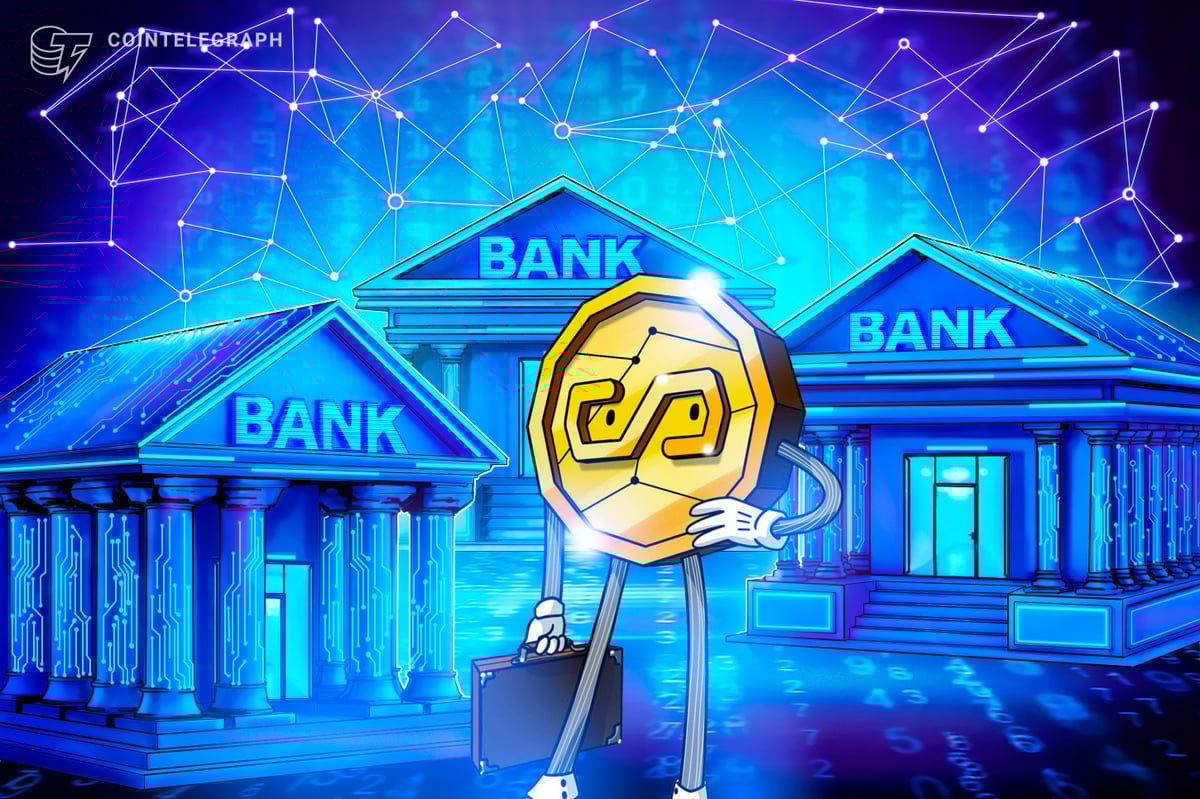
However, this current equilibrium is not static. The banking industry’s concerns are not merely speculative; they stem from a clear understanding of the potential for market disruption. The ability of stablecoins to facilitate instant, 24/7 transactions, often at lower costs for international transfers, presents an undeniable efficiency advantage over legacy banking infrastructure. If regulatory frameworks were to evolve to permit yield-bearing stablecoins, the landscape would shift dramatically. Such a development could enable stablecoins to directly compete for consumer and corporate deposits, potentially accelerating the outflow of funds from traditional banks. This fear has become a central point of contention in legislative debates, with banking lobbies actively advocating against provisions that would allow stablecoins to offer yield, viewing it as a direct threat to their foundational business model.
The Stalled CLARITY Act: A Legislative Bottleneck
The debate over stablecoins and their potential impact on banking has become a focal point in the broader legislative effort to regulate the nascent digital asset industry in the United States. The Digital Asset Market Clarity Act of 2025, colloquially known as the CLARITY Act, was introduced as a comprehensive framework aimed at establishing clear asset taxonomies, defining regulatory jurisdictions, and providing robust oversight for crypto markets. This bipartisan legislative push sought to bring much-needed certainty to an industry often criticized for its regulatory ambiguity.
However, the CLARITY Act has encountered significant hurdles, stalling its progress in Congress. A coalition of prominent crypto industry companies, spearheaded by cryptocurrency exchange Coinbase, publicly voiced strong opposition to earlier drafts of the bill. Their primary objections centered on two contentious issues: the perceived lack of adequate legal protections for open-source software developers within the crypto ecosystem, and, crucially, a proposed prohibition on yield-bearing stablecoins. The crypto industry argues that banning yield on stablecoins would stifle innovation, push capital offshore into less regulated environments, and disadvantage U.S. companies in a globally competitive market.
The legislative process has been marked by a series of negotiations between U.S. lawmakers, the White House, the crypto industry, and the powerful banking lobby. Earlier this month, Senator Thom Tillis of North Carolina reportedly aimed to release an updated draft bill proposal designed to bridge the divide between these disparate stakeholders. However, reports from Politico indicated that this revised proposal also faced pushback, and as of the latest updates, it has yet to be publicly released. This ongoing impasse highlights the profound ideological and economic differences that complicate the path to comprehensive crypto regulation.
Banking Lobby vs. Crypto Innovation: The Yield Divide
The core of the legislative deadlock lies in the fundamental disagreement over yield-bearing stablecoins. The banking sector, represented by powerful lobbying groups such as the American Bankers Association and the Independent Community Bankers of America, views any mechanism allowing stablecoins to offer returns as an existential threat. Their argument centers on financial stability: if a significant portion of deposits were to migrate from insured bank accounts to uninsured, yield-bearing stablecoins, it could destabilize the banking system, reduce credit availability, and complicate monetary policy transmission. They contend that stablecoins, particularly those offering yield, should be regulated similarly to banks, requiring them to adhere to stringent capital requirements, liquidity rules, and consumer protection standards. Senator Kirsten Gillibrand has been a vocal proponent of these concerns, raising fears that yield-bearing stablecoins could indeed "kill banking" by eroding market share without comparable regulatory burdens.

Conversely, the crypto industry argues that prohibiting yield on stablecoins is a regressive step that undermines the potential benefits of decentralized finance. They emphasize that yield generation is a core component of many innovative DeFi protocols, enabling efficient capital allocation and offering users new avenues for financial growth. Proponents of yield-bearing stablecoins argue that clear, well-crafted regulation, rather than an outright ban, is the appropriate path forward. They suggest that such regulation could ensure consumer protection and financial stability while allowing innovation to flourish. Furthermore, they warn that a restrictive U.S. regulatory environment could prompt digital asset businesses to relocate to more permissive jurisdictions, ultimately diminishing America’s leadership in the burgeoning digital economy.
Broader Implications and the Path Forward
The failure to pass a clear and comprehensive regulatory framework like the CLARITY Act carries significant risks for the U.S. digital asset industry. Without defined rules, the sector remains vulnerable to piecemeal enforcement actions and potential "regulatory crackdowns" by hostile lawmakers and officials, as warned by some industry executives and market analysts. This uncertainty stifles innovation, discourages institutional investment, and makes it challenging for legitimate businesses to operate and grow within the U.S. borders.
Beyond the immediate legislative skirmishes, the broader implications for the financial system are profound. The rise of stablecoins and tokenized RWAs represents a fundamental challenge to the traditional intermediation model of banking. Banks have historically served as central custodians of value, facilitators of payments, and primary sources of credit. Digital assets offer alternative paradigms for all these functions. While banks are unlikely to be fully displaced in the near term, they face an imperative to adapt. This could involve integrating blockchain technology into their own operations, offering tokenized services, or developing their own stablecoin products. Some forward-thinking financial institutions are already exploring these avenues, recognizing that embracing the technology may be the best strategy for long-term relevance.
The global context also plays a crucial role. Other major economic blocs, such as the European Union, have made significant strides in establishing comprehensive crypto regulations, most notably with the Markets in Crypto-Assets (MiCA) regulation. This proactive approach by other jurisdictions could put the U.S. at a disadvantage if it continues to lag in regulatory clarity, potentially ceding leadership in the digital finance space.
In conclusion, while the immediate threat of stablecoins to the traditional banking sector may be "limited," the underlying competitive dynamics are undeniably shifting. The escalating market capitalization of stablecoins and the growing potential of tokenized RWAs point towards a future where digital assets will play an increasingly central role in finance. The ongoing legislative impasse in the U.S. Congress over the CLARITY Act, particularly concerning yield-bearing stablecoins, underscores the deep divisions and high stakes involved. The outcome of these debates will not only shape the future of digital assets but also significantly influence the evolution of the traditional banking sector and the broader financial landscape for decades to come. The imperative for policymakers is to strike a delicate balance between fostering innovation, ensuring financial stability, and protecting consumers, all while navigating the complex interplay between legacy systems and emerging technologies.