admin
admin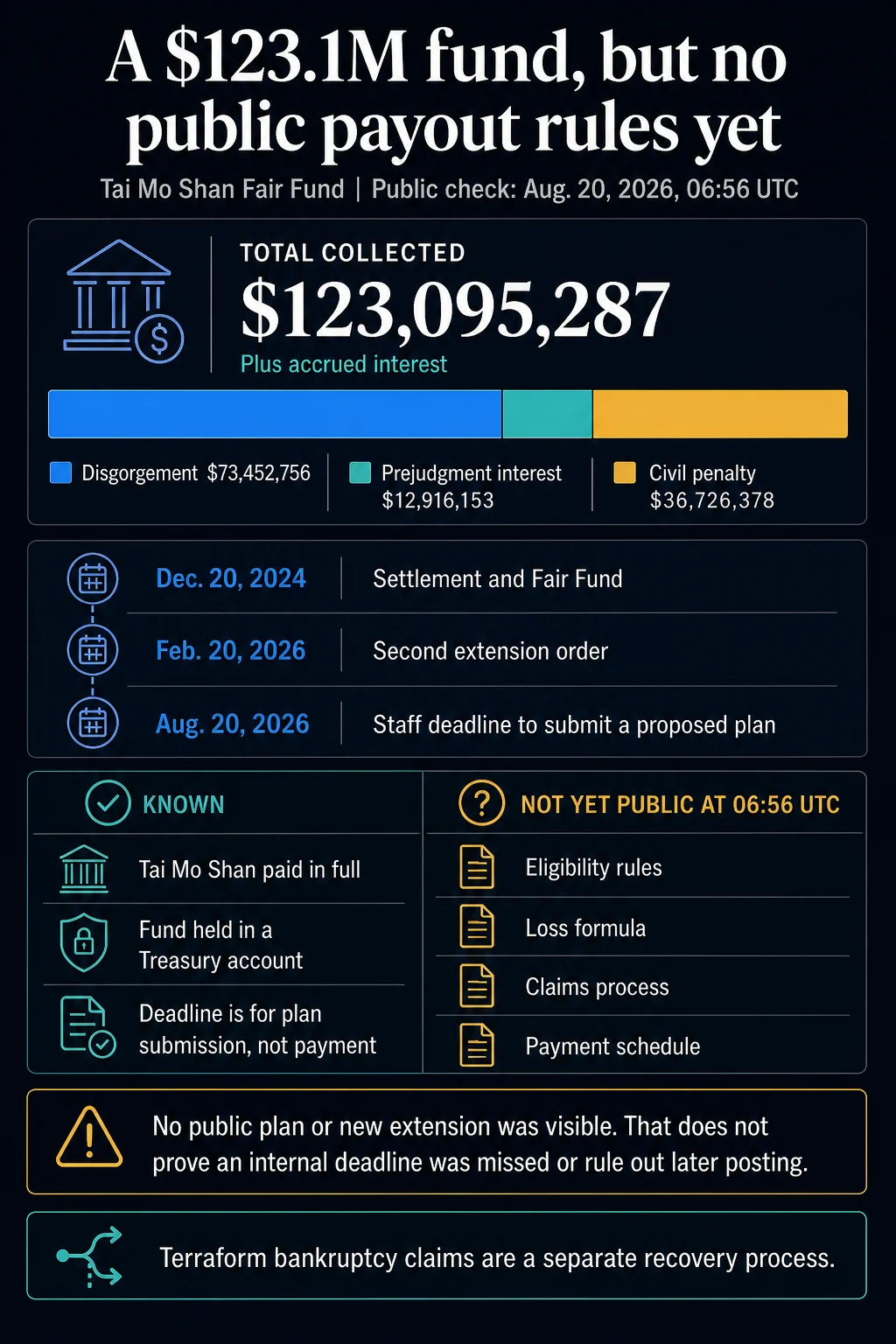
The U.S. Securities and Exchange Commission (SEC) is operating under a critical August 20 deadline to finalize and present a comprehensive plan for the distribution of a substantial $123.1 million recovery fund. This fund, amassed from Jump Crypto’s subsidiary Tai Mo Shan, is earmarked for investors who suffered financial losses in the wake of the catastrophic collapse of the Terra ecosystem in May 2022. The SEC’s proposal is expected to lay out the intricate details of eligibility criteria, methodologies for calculating investor losses, the necessity and process for filing claims, and the ultimate mechanisms for disbursing the recovered funds.
The Path to the Distribution Plan
The journey toward this distribution plan has been marked by several key developments. In February of this year, an official order from the SEC granted its staff an extended period to develop the intricate distribution methodology. This extension was deemed necessary to ensure the plan was robust and could be effectively coordinated with recovery efforts stemming from separate, ongoing litigation against Terraform Labs, the entity behind the Terra algorithmic stablecoin and its associated token, LUNA. While the August 20 date signifies the submission of the SEC’s proposed framework, it does not imply an immediate payout to investors. The submission marks a crucial step in the process, initiating further review and subsequent actions required by the regulator before any funds can be dispersed.
The Genesis of the Fund
The $123.1 million collected from Tai Mo Shan represents a significant recovery for affected investors. This total comprises $73.45 million in disgorgement, representing profits allegedly made unlawfully; $12.92 million in prejudgment interest, compensating for the time value of money; and a substantial $36.73 million civil penalty. These funds are currently held within a Fair Fund, a mechanism established by the SEC to hold and distribute monies collected from securities law violations for the benefit of harmed investors.
The SEC’s action against Tai Mo Shan arose from findings that the company had allegedly engaged in deceptive practices. Specifically, the regulator asserted that Tai Mo Shan negligently misled investors during the critical period of TerraUSD’s (UST) de-pegging event in May 2022. Furthermore, the SEC contended that Tai Mo Shan acted as a statutory underwriter for certain sales of Terra LUNA tokens, a role that carries specific legal responsibilities. Tai Mo Shan ultimately settled these charges without admitting or denying the SEC’s allegations, a common practice in regulatory settlements.
Navigating the Complexity of Dual Recovery Streams
The distribution of the Tai Mo Shan fund is inherently complicated by the parallel recovery efforts being pursued by creditors and investors through the bankruptcy proceedings of Terraform Labs. This creates a scenario where affected parties may have multiple avenues for seeking compensation, necessitating careful coordination to avoid duplication and ensure fairness.
When the SEC extended the deadline in February, it explicitly mentioned the need to coordinate with anticipated distributions arising from the Terraform Labs litigation. This suggests a recognition by the regulator that a unified approach, or at least a clearly delineated one, is essential for a just outcome. The bankruptcy proceedings of Terraform Labs, initiated in January 2024, involve a separate claims process designed to address the vast array of losses incurred by various stakeholders due to the Terra ecosystem’s collapse.
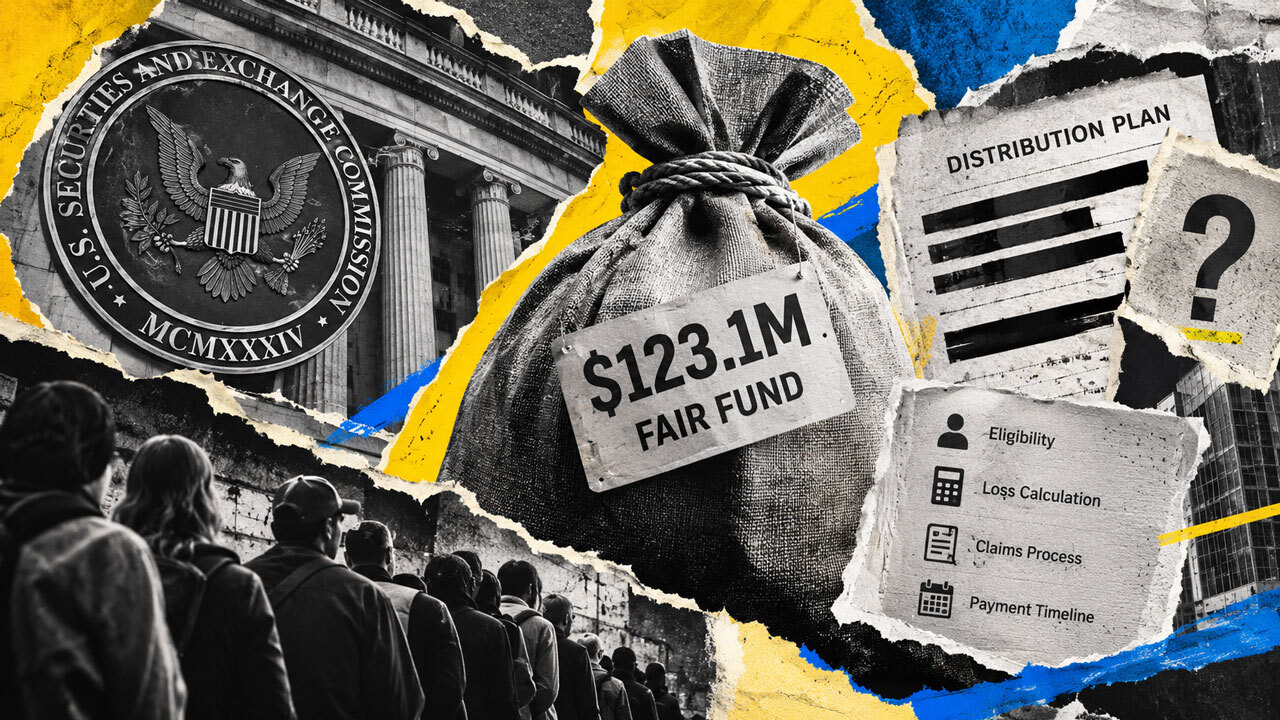
Crucially, filing a claim within the Terraform Labs bankruptcy process does not automatically confer eligibility for the Tai Mo Shan Fair Fund. This distinction underscores the SEC’s role in independently determining who qualifies for the funds it has secured and how those specific losses should be quantified and compensated. The SEC’s distribution plan is therefore expected to provide the first detailed roadmap for resolving these intricate questions, addressing how the two recovery tracks will interact and how eligible losses for the Tai Mo Shan fund will be calculated.
Background: The Terra Collapse and its Aftermath
The collapse of the Terra ecosystem in May 2022 was one of the most significant events in the history of cryptocurrency, wiping out tens of billions of dollars in market value and sending shockwaves through the broader digital asset industry. At the heart of the ecosystem were TerraUSD (UST), an algorithmic stablecoin designed to maintain a $1 peg through a complex mint-and-burn mechanism involving its sister token, LUNA, and the Terra blockchain.
The de-pegging of UST, which began on May 7, 2022, was triggered by a series of large withdrawals from Anchor Protocol, a popular DeFi platform offering high yields on UST deposits. As UST began to lose its peg, the arbitrage mechanism designed to restore it backfired. The process of burning LUNA to mint UST to bring its price back up led to hyperinflation of LUNA, causing its value to plummet to near zero. This cascading failure resulted in the destruction of the Terra ecosystem and caused devastating losses for millions of investors worldwide who had held or invested in UST and LUNA.
The fallout from the Terra collapse was swift and far-reaching. It led to increased regulatory scrutiny of stablecoins and the broader cryptocurrency market, with many jurisdictions initiating investigations and considering new regulatory frameworks. Several major cryptocurrency exchanges delisted LUNA and UST, further exacerbating the price decline. The collapse also raised serious questions about the sustainability and risks associated with algorithmic stablecoins, prompting a reassessment of their design and security.
In the aftermath, numerous lawsuits were filed against Terraform Labs, its co-founder Do Kwon, and associated entities and individuals, alleging fraud and securities law violations. The SEC’s enforcement action against Jump Crypto subsidiary Tai Mo Shan is part of this broader effort to hold accountable parties deemed responsible for investor losses.
Supporting Data and Broader Implications
The $123.1 million recovery fund, while substantial, represents a fraction of the total market value lost during the Terra collapse. Estimates vary, but the total market capitalization of LUNA and UST before the de-peg was well over $40 billion. This highlights the immense scale of the disaster and the challenges in fully compensating all affected investors.

The SEC’s meticulous approach to developing a distribution plan reflects the complexities inherent in such large-scale recovery efforts. Factors such as the timing of investments, the specific tokens held, and the nature of transactions will likely play a significant role in determining eligibility and the amount of compensation. The involvement of multiple recovery streams, including the Terraform Labs bankruptcy and the SEC’s actions, adds another layer of complexity, requiring careful navigation to ensure that investors are treated equitably and that funds are distributed efficiently and transparently.
The implications of this distribution plan extend beyond the immediate beneficiaries. A well-executed and fair distribution process could set a precedent for future regulatory actions and investor recovery initiatives within the cryptocurrency space. Conversely, any perceived unfairness or inefficiency could further erode investor confidence and fuel calls for more stringent regulatory oversight.
Furthermore, the SEC’s ongoing efforts underscore the evolving landscape of cryptocurrency regulation. As the digital asset market matures, regulators are increasingly focused on protecting investors and ensuring market integrity. The Terra collapse served as a stark reminder of the risks involved in this nascent industry and has undoubtedly influenced the direction of regulatory policy globally.
Official Responses and Future Outlook
While specific statements from Tai Mo Shan regarding the distribution plan are not readily available, their settlement with the SEC indicates a willingness to resolve the matter. The SEC, through its public orders and filings, has demonstrated a commitment to recovering funds for harmed investors. The extended deadline in February, communicated through official channels, signals a deliberate and methodical approach to ensure the distribution plan is comprehensive and legally sound.
The upcoming August 20 deadline is a pivotal moment. The distribution plan submitted by the SEC will offer critical insights into how the regulator intends to:
- Define Eligible Investors: Clearly outline the criteria that individuals and entities must meet to be considered a victim of the Terra collapse and therefore eligible for compensation from the Tai Mo Shan fund. This could involve specifying investment periods, types of assets held, or transaction histories.
- Quantify Losses: Establish a standardized methodology for calculating the financial losses incurred by eligible investors. This is often one of the most challenging aspects, given the volatile nature of cryptocurrency markets and the diverse ways in which investors were affected.
- Mandate Claim Submissions: Determine whether investors will be required to actively file claims to receive compensation, and if so, what documentation and information will be necessary.
- Outline Payment Mechanisms: Specify the methods through which the recovered funds will be disbursed to investors, whether through direct bank transfers, cryptocurrency wallets, or other secure channels.
The successful resolution of this distribution plan will be a significant step toward providing some measure of restitution for investors who suffered greatly from the Terra collapse. It will also serve as a testament to the SEC’s ongoing efforts to enforce securities laws and protect the investing public in the dynamic and often challenging cryptocurrency market. The eyes of the crypto community and regulatory bodies will be watching closely as the SEC unveils its proposed framework on August 20, a date that could bring much-needed clarity and potential relief to thousands of affected investors.