admin
admin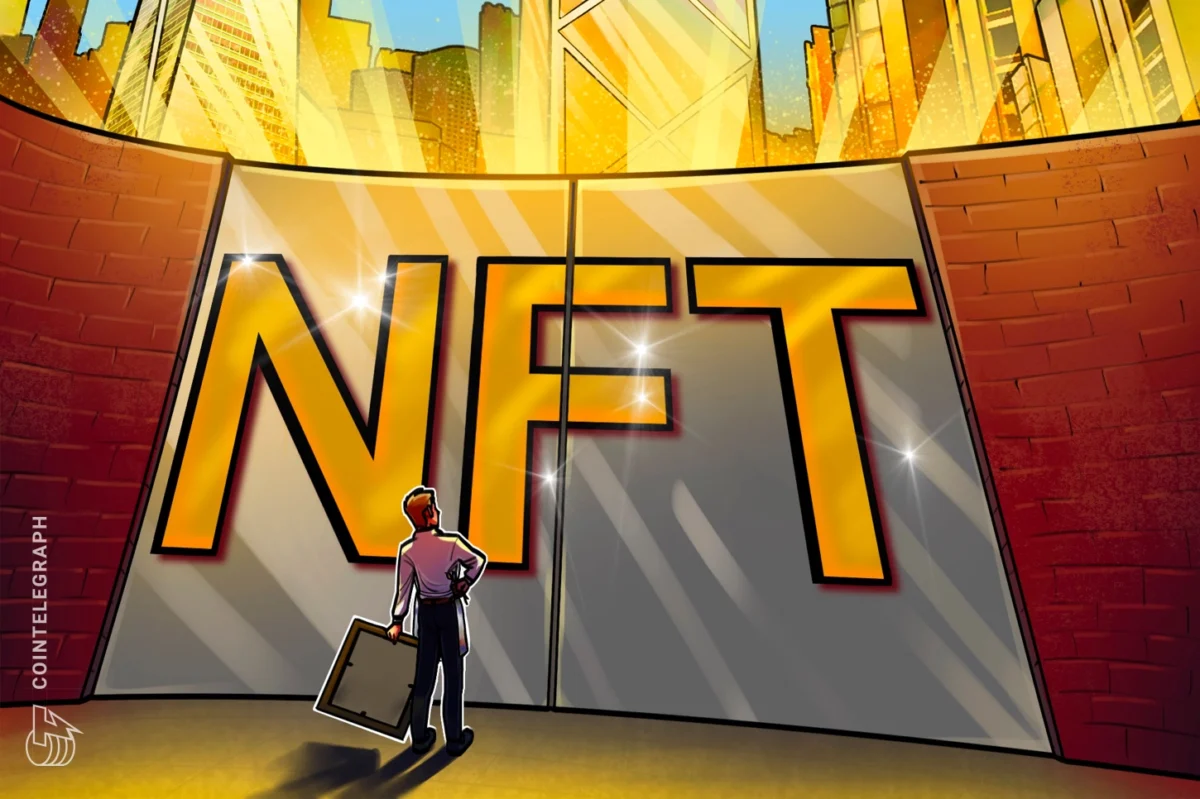
Blur, the nonfungible token (NFT) marketplace that once dramatically surpassed OpenSea in trading volume, has announced the imminent shutdown of its frontend website, effective next month. This development, revealed in a terse announcement, has elicited a polarized response from the NFT community, with some collectors expressing palpable relief and even joy at the platform’s impending digital disappearance. The closure underscores the volatile nature of the NFT market and the profound impact of Blur’s aggressive, trader-centric strategies on the nascent creator economy within Web3.
The announcement, made via Blur’s official X (formerly Twitter) account on Monday, marked the platform’s first post in over a year, signaling a significant strategic shift. According to the post, the frontend interface of Blur.io will cease operations on November 12. Crucially, the underlying on-chain marketplace infrastructure, which facilitates NFT transactions directly on the blockchain, is slated to remain operational, suggesting a partial rather than a complete cessation of its core functionality.
In conjunction with the frontend shutdown, Blend, Blur’s associated peer-to-peer perpetual NFT lending protocol, will also cease matching new loan requests. Borrowers with outstanding loans through Blend have been given a deadline of November 12 to repay their debts or face potential default. Blur has also committed to providing a withdrawal interface for users post-shutdown, aiming to ensure asset accessibility despite the platform’s reduced presence.
The news was met with a chorus of strong reactions from the NFT community, many of whom have been critical of Blur’s operational model since its inception. NFT collector Cryptobscure’s reply to Blur’s announcement encapsulated much of the sentiment: "Good riddance. You destroyed NFTs. Please shut down and never come back." Another collector, starfruit, echoed this sentiment, stating, "You may not have been able to complete your mission to destroy NFTs. But you acted with extreme determination and tried everything. Congratulations to us for surviving you." These reactions highlight a deep-seated frustration among a segment of the community, primarily creators and long-term collectors, who believe Blur’s practices undermined fundamental principles of the NFT ecosystem.
The Rise of a Disruptor: Blur’s Ascent and the Royalty Debate
Blur launched on October 19, 2022, entering an already competitive and evolving NFT marketplace landscape. Its rapid ascent to prominence was largely attributed to a highly aggressive strategy centered on two key pillars: optional creator royalties and a sophisticated token reward system. While traditional NFT marketplaces often enforced creator royalties—a percentage of secondary sales paid back to the original artist—Blur allowed sellers to customize or even opt out of these payments. To incentivize activity and adoption, Blur also offered prospective token rewards, distributed via airdrops of its native $BLUR token, particularly to those who chose to pay higher creator royalties, creating a complex game theory for traders.
This model, designed to attract high-volume traders and "flippers," quickly gained traction. By early 2023, Blur had overtaken OpenSea, the long-standing market leader, in terms of daily trading volume, becoming the largest NFT marketplace by this metric. Its dominance signaled a significant shift in market dynamics, prioritizing liquidity and low transaction costs over creator compensation.
However, Blur did not initiate the weakening of royalty protections in isolation. The market had already begun to see shifts, with competing marketplaces like Magic Eden moving to optional royalties in the week prior to Blur’s launch. Nevertheless, Blur’s aggressive implementation and its sheer market capture significantly accelerated this trend, placing immense pressure on other platforms. OpenSea, initially a staunch defender of creator royalties, eventually succumbed to the competitive pressure, announcing its own move to optional creator fees for new collections in a bid to retain market share.
The ramifications for creators were profound. The promise of NFTs included a new paradigm for artists to earn passive income from secondary sales, fostering a more sustainable creator economy. Blur’s model, however, effectively eroded this income stream. Blockchain analytics platform Nansen reported a stark decline in effective creator royalty fees, which plummeted from an average of 2.5% across the market in 2022 to a mere 0.6% by July 2023. Nansen explicitly attributed a substantial portion of this decline to Blur’s growth, its minimum royalty policy, and the subsequent adjustments made by OpenSea to remain competitive. This dramatic reduction in royalties forced many NFT artists and projects to re-evaluate their revenue models, with some abandoning projects or exploring alternative funding mechanisms.
Blend Protocol: An Experiment in NFT Lending Winds Down
Beyond its marketplace, Blur also introduced Blend, a peer-to-peer perpetual NFT lending protocol. Blend aimed to unlock liquidity for NFT holders by allowing them to borrow funds against their digital assets without fixed repayment terms, creating a novel financial instrument within the Web3 space. The protocol represented an ambitious step towards integrating NFTs more deeply into decentralized finance (DeFi), offering a mechanism for users to leverage their illiquid assets.
The decision to stop matching new loans on Blend signifies a broader pullback from these experimental financial services. While the on-chain marketplace for Blur is set to remain operational, the winding down of Blend’s active lending functionality removes a key component of Blur’s broader ecosystem vision. This move highlights the challenges inherent in building complex financial primitives on top of volatile assets like NFTs, especially during a prolonged market downturn. The November 12 deadline for existing borrowers to repay their loans or face default adds a layer of urgency and potential financial impact for those who utilized the protocol.
A Broader Market Contraction: The NFT Winter Deepens
While Blur has not disclosed specific reasons for its decision to shutter its frontend and scale back Blend, the move comes amidst a protracted and severe downturn in the broader NFT market, often referred to as the "NFT Winter." The speculative fervor that characterized the NFT boom of 2021 and early 2022 has largely dissipated, replaced by significantly reduced trading volumes and investor interest.
Data from CryptoSlam vividly illustrates this market contraction. In January 2022, at the peak of the NFT boom, total sales reached an astonishing $6 billion across 13.7 million transactions. Fast forward to September 2023, and these figures had plummeted to a mere $167 million in sales over 2.9 million transactions. This represents a staggering decline of over 97% from the market’s peak, reflecting a mass exodus of speculative capital and a re-evaluation of NFT valuations.
Blur’s decision, therefore, is not an isolated incident but rather indicative of a broader trend of consolidation and retrenchment within the NFT space. Several other prominent platforms have either scaled back operations or ceased entirely in recent months. Gemini-owned Nifty Gateway and social collecting platform Rodeo both announced plans to wind down in January. Foundation, another notable NFT marketplace, revealed its closure in April after a crucial sale intended to sustain its operations fell through. Even major cryptocurrency exchange Binance ended NFT support on its primary exchange platform, shifting asset management to Binance Wallet, signaling a broader industry-wide re-evaluation of dedicated NFT services. These closures and consolidations underscore the harsh realities of a market struggling to find its footing after an unsustainable boom.
Chronology of a Disruptor’s Journey
- October 2022: Blur launches with its innovative token reward system and optional creator royalties, immediately positioning itself as a challenger to OpenSea.
- Late 2022 – Early 2023: Blur rapidly gains market share, leveraging airdrop incentives and a trader-friendly interface to attract significant volume, eventually surpassing OpenSea in daily trading volume.
- February 2023: Blur’s native token, $BLUR, is officially launched and airdropped to early users, further fueling engagement and trading activity.
- March – April 2023: The intense competition between Blur and OpenSea escalates, primarily centered around creator royalty enforcement. OpenSea, initially resistant, begins to adjust its policies in response to Blur’s market dominance.
- July 2023: Nansen reports a drastic decline in effective creator royalty fees across the market, attributing much of it to Blur’s influence and the resulting policy shifts by other marketplaces. Average royalties fall to 0.6%.
- September 2023: The overall NFT market records multi-year lows in trading volume and sales, reflecting a prolonged "NFT Winter."
- November 2023: Blur announces the shutdown of its frontend website and the cessation of new loan matching on its Blend protocol, effective November 12, marking a significant pivot for the platform.
Official Responses and Unanswered Questions
Blur’s official communication regarding the shutdown has been minimal, limited primarily to its X announcement. The platform has not offered an explicit explanation for its decision to shutter the frontend or wind down Blend’s lending activity. This lack of detailed commentary leaves many questions unanswered regarding the strategic rationale behind the move, the fate of the remaining team, and potential future directions for the on-chain marketplace.
Cointelegraph, like many other media outlets, reached out to Blur founder Tieshun "Pacman" Roquerre for comment following the announcement, but no immediate public response was available at the time of reporting. The silence from Blur’s leadership adds to the speculative atmosphere surrounding its partial exit from the public-facing NFT ecosystem.
Implications for the Future of NFTs and the Creator Economy
Blur’s decision carries significant implications for the future trajectory of the NFT market and the broader Web3 creator economy.
Firstly, it signals a potential consolidation within the NFT marketplace landscape. With a major player like Blur scaling back its frontend operations, the competitive environment may shift, potentially allowing other platforms to gain ground or leading to further market contraction. The resilience of the remaining on-chain marketplace will be a test of whether decentralized infrastructure can truly outlast centralized interfaces in a bear market.
Secondly, the event reignites the contentious debate surrounding creator royalties. Blur’s model undoubtedly contributed to a significant reduction in creator income, forcing artists to adapt. While some argue that market forces dictate royalty structures, others contend that a healthy creator economy is essential for the long-term vitality of the NFT space. Blur’s departure might open a window for a re-evaluation of sustainable royalty models, or it could simply solidify the optional royalty trend that it helped accelerate.
Thirdly, the winding down of Blend highlights the nascent and often precarious nature of DeFi protocols built around volatile assets like NFTs. While the concept of perpetual lending against digital collectibles is innovative, its long-term viability is challenged by market volatility, liquidity issues, and the complexities of risk management.
Finally, Blur’s journey, from its disruptive launch and meteoric rise to its eventual frontend shutdown, serves as a stark reminder of the speculative cycles inherent in nascent technological markets. Its success was fueled by aggressive incentives and a focus on high-volume traders, which, while effective in capturing market share, ultimately proved unsustainable in a contracting market. The community’s strong reactions further underscore the cultural and economic tensions that defined Blur’s controversial yet impactful tenure.
As the NFT market continues to evolve, Blur’s partial exit marks a pivotal moment, forcing a critical examination of business models, creator compensation, and the sustainable pathways for digital assets in the Web3 era. The industry will undoubtedly learn from Blur’s audacious experiment, navigating the complexities of innovation, competition, and the enduring challenge of building a robust and equitable digital economy.