admin
admin
Bitcoin (BTC) saw its early-week gains evaporate into Monday’s Wall Street open, as escalating geopolitical anxieties, particularly doubts surrounding a potential Russia-Ukraine “energy ceasefire,” compounded investor caution. This retreat underscored the cryptocurrency’s increasing sensitivity to global macroeconomic and political currents, further highlighted by a significant spike in crude oil prices and the anticipation of crucial U.S. inflation figures later in the week.
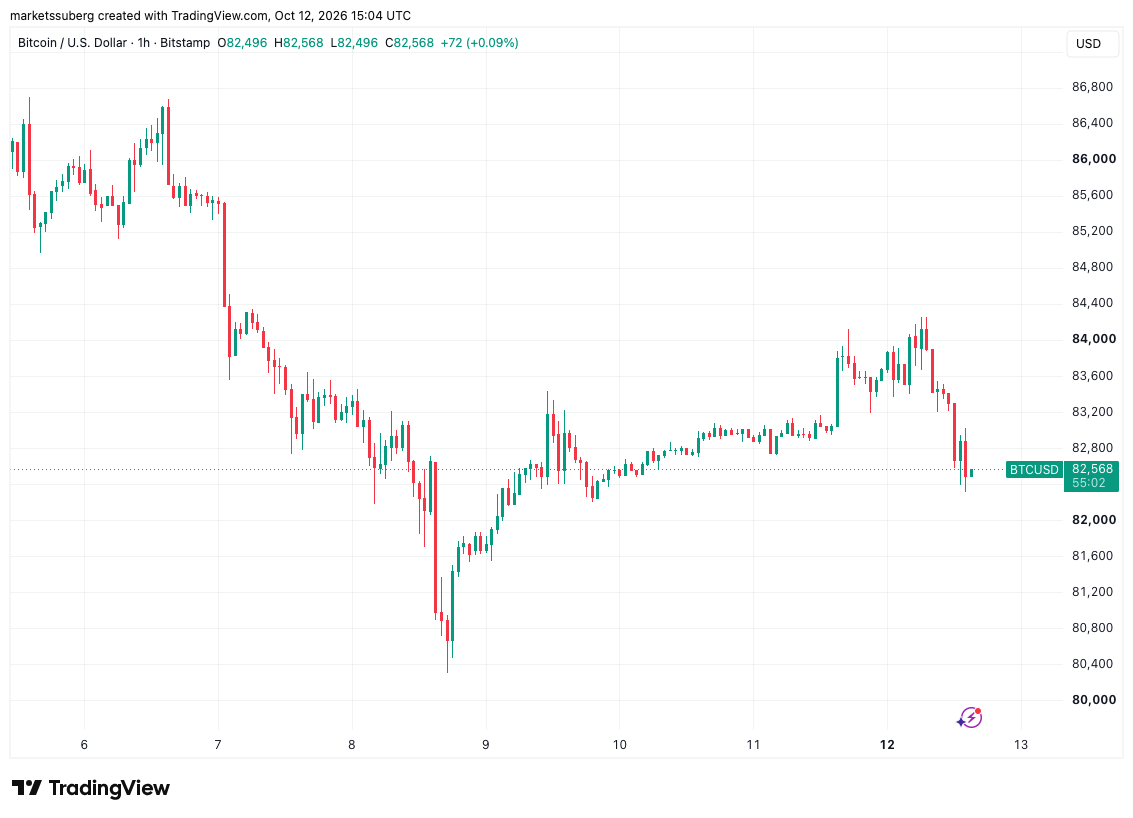
The digital asset, which had shown signs of recovery, reaching its highest level since the previous Wednesday, swiftly gave back ground as fresh reports of conflict emerged. Data from TradingView indicated that BTC/USD briefly touched $84,254 on Bitstamp, only to subsequently drop by up to 2.2% within hours. This downturn coincided with a series of developments that sent ripples through global commodity markets, ultimately impacting risk assets like Bitcoin.
Geopolitical Undercurrents Fuel Energy Market Volatility

A primary catalyst for the market’s unease stemmed from Eastern Europe, where Ukraine’s President Volodymyr Zelenskyy intensified accusations against Russia, alleging continued targeting of critical energy infrastructure. This came despite a previously announced moratorium on such strikes by former U.S. President Donald Trump, a statement he had conveyed via social media. Zelenskyy’s claims, if substantiated, represent a significant escalation that directly undermines efforts towards de-escalation and stability, particularly concerning the energy sector, which has been a key strategic battleground in the ongoing conflict. The targeting of energy facilities has profound humanitarian implications, disrupting power and heating for civilian populations, and also contributes to broader global energy supply concerns.
Adding another layer of geopolitical complexity and market anxiety, reports emerged from Iran confirming that an oil tanker had been struck and was ablaze in the highly sensitive Strait of Hormuz. The Strait of Hormuz is one of the world’s most critical chokepoints for oil transit, with an estimated one-fifth of global oil consumption passing through it daily. Any disruption or perceived threat to shipping in this narrow waterway immediately triggers a defensive reaction in global oil markets, as it directly imperils a significant portion of the world’s crude supply. This incident, regardless of its cause or attribution, amplified fears of supply disruptions and regional instability.
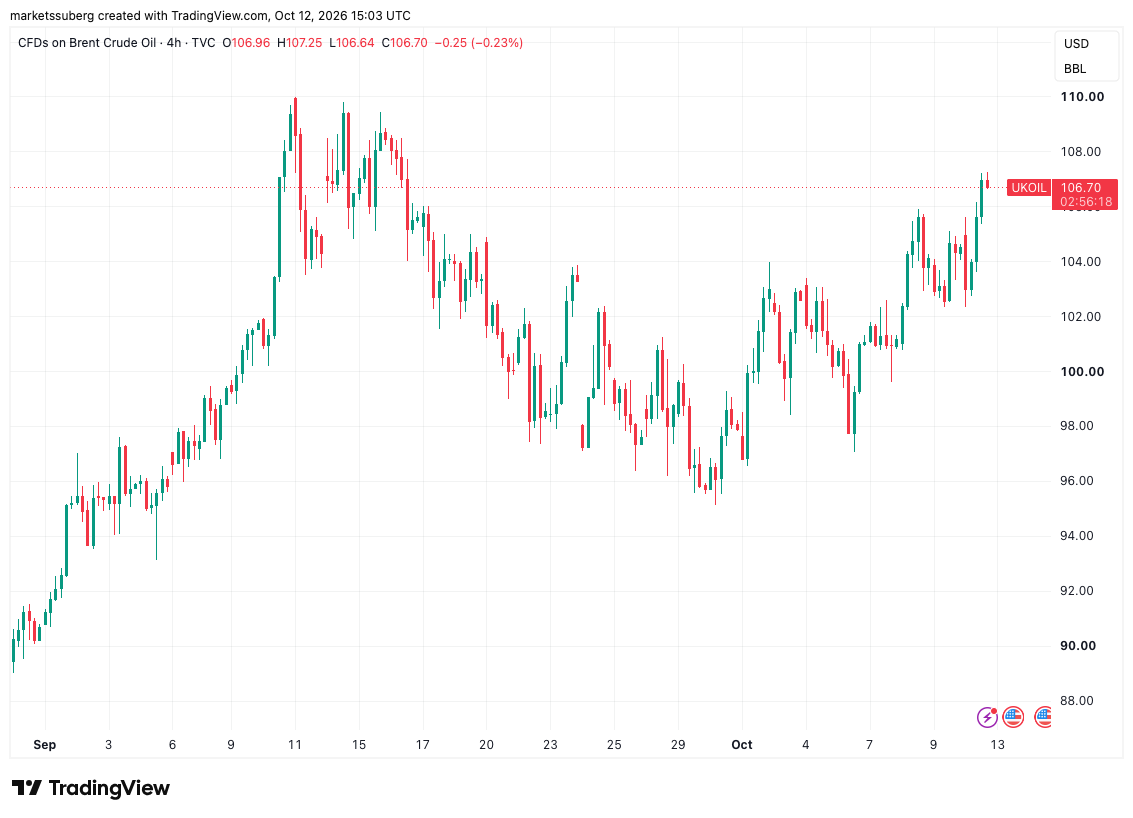
These twin geopolitical developments had an immediate and dramatic effect on crude oil prices. West Texas Intermediate (WTI) crude, the U.S. benchmark, spiked past $94 per barrel, while Brent crude, the international benchmark, surged to $107.25. This marked Brent crude’s highest level since September 16, reflecting a sharp increase in perceived risk premium within the oil market. The rapid escalation in oil prices serves as a direct indicator of heightened global uncertainty and the potential for supply constraints.
Macroeconomic Headwinds: Inflationary Pressures and Central Bank Scrutiny
Beyond immediate geopolitical events, markets were already bracing for a pivotal week concerning U.S. inflation data. The Consumer Price Index (CPI) and Producer Price Index (PPI), scheduled for release on Wednesday and Thursday respectively, are critical indicators that provide insight into the inflationary pressures within the U.S. economy. CPI measures the average change over time in the prices paid by urban consumers for a market basket of consumer goods and services, while PPI measures the average change over time in the selling prices received by domestic producers for their output. Both are closely watched by economists, policymakers, and investors alike, as they heavily influence the Federal Reserve’s monetary policy decisions, particularly regarding interest rates.
As Cointelegraph previously reported, CPI figures have shown particular sensitivity to rising oil prices. Higher energy costs directly feed into production costs for businesses (affecting PPI) and transportation costs for goods, ultimately translating into higher prices for consumers (affecting CPI). A persistent rise in inflation could prompt the Federal Reserve to maintain a hawkish stance, potentially leading to further interest rate hikes or a longer period of elevated rates. Such a scenario typically strengthens the U.S. dollar and increases the cost of capital, often creating headwinds for risk assets like cryptocurrencies and equities.
Amidst these concerns, some analysts suggested that oil markets might be overreacting. Robin Brooks, a former chief FX strategist at Goldman Sachs, argued that oil markets had priced in "too much risk premium." In a blog post published on the day of the market movements, Brooks pointed to improving transit volumes through the Strait of Hormuz, noting, “Oil volumes out of the Persian Gulf are around 13 mb/d compared to a high of 16.5 mb/d a few weeks ago. This is still way better than the height of the war in March and April, but oil prices are back to their highs.” His analysis suggests that while volumes are not at peak, they are significantly better than earlier periods of intense conflict, implying that the current price surge might be disproportionate to actual supply constraints, driven more by speculative fear.
Bitcoin’s Price Action and Evolving Market Sentiment
Bitcoin’s price trajectory on Monday clearly reflected the confluence of these geopolitical and macroeconomic factors. After its brief ascent, the digital currency encountered significant selling pressure, demonstrating its current correlation with broader financial markets, especially those influenced by risk-off sentiment.
Looking ahead to potential price targets and market sentiment, trading company QCP Capital reported a duality in Bitcoin options markets. Their analysis indicated a blend of "defensive" positioning, where traders are hedging against potential downside risks, alongside continued consideration for an upside breakout. "Implied volatility has held firm even as spot settled back into the range, while risk reversals show a less pronounced premium for puts than usual. Read together, the market looks less defensively positioned but still priced for a possible breakout," QCP Capital summarized in its latest analysis. This suggests that while immediate concerns are present, a segment of the market remains optimistic about Bitcoin’s long-term prospects, eyeing a potential move above $87,000, which could then bring $94,000 into focus as the next significant resistance level.
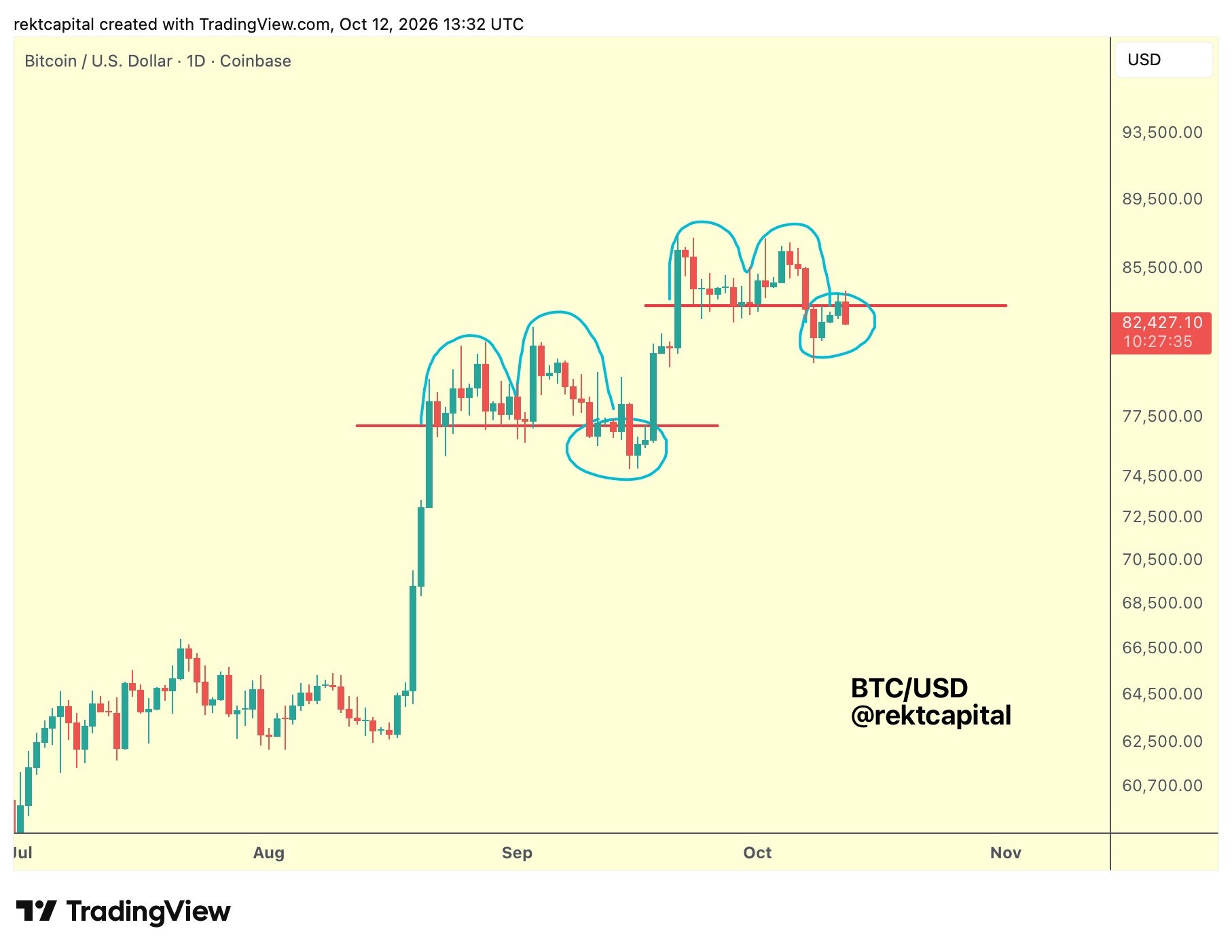
Technical analysis from prominent trader and analyst Rekt Capital further illuminated Bitcoin’s immediate hurdles. Rekt Capital flagged $83,400 as a crucial local resistance level for the day. This level mirrors the price action observed around $77,000 from mid-August through September 21, a period before BTC/USD experienced its most recent upward break. Overcoming such established resistance levels often requires strong buying volume and sustained positive market sentiment.
Further insights into market dynamics were provided by CoinGlass data, which showed ask liquidity clustered around $84,500 on various exchanges, with the total at that level circling $180 million. Ask liquidity represents the total amount of sell orders placed at or near a particular price, indicating a significant supply barrier. Conversely, bids (buy orders) were observed building around $82,000 at the time of writing, suggesting a support zone where buyers are prepared to step in. The spot price was actively trending towards this $82,000 level, indicating a potential test of this support in the immediate future.
Broader Implications for Digital Assets in a Volatile Global Economy
The events of Monday serve as a potent reminder of Bitcoin’s evolving role in the global financial landscape. Once heralded by some as a completely uncorrelated "digital gold" or a pure safe haven, Bitcoin has increasingly demonstrated sensitivity to traditional macroeconomic indicators, geopolitical events, and liquidity shifts in the broader financial system. Its price movements are now closely watched in conjunction with indices like the S&P 500, crude oil prices, and the U.S. dollar index.
The ongoing conflict in Eastern Europe, coupled with flashpoints in other critical regions like the Middle East, ensures that geopolitical risk will remain a significant factor influencing global markets. For Bitcoin, this translates into periods of heightened volatility, where sudden news events can trigger rapid price swings. Simultaneously, the persistent threat of inflation, driven partly by elevated energy costs and supply chain bottlenecks, means that central bank policies will continue to exert substantial influence. Should central banks opt for more aggressive tightening measures to combat inflation, risk assets, including cryptocurrencies, could face further downward pressure.
Conversely, if inflationary pressures subside or if a more dovish stance by central banks becomes apparent, Bitcoin, with its finite supply and growing institutional adoption, could regain its momentum as a store of value or a growth asset. The coming days, particularly with the release of the U.S. CPI and PPI data, will provide clearer signals for investors navigating these complex and interconnected market forces. The ability of Bitcoin to either decouple from traditional assets or to demonstrate resilience in the face of these headwinds will be a defining characteristic of its performance in the near to medium term. The current market environment calls for careful observation, as the interplay between geopolitical stability, energy markets, and monetary policy continues to shape the trajectory of digital assets.