admin
admin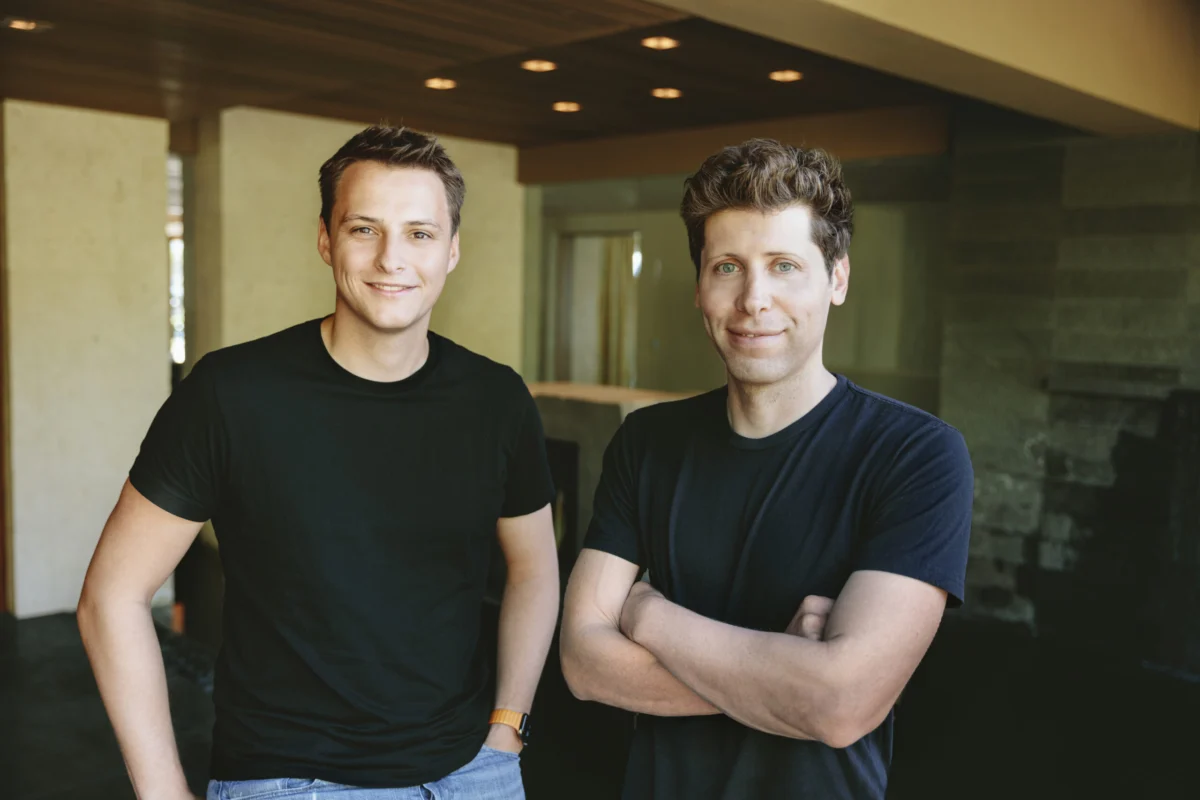
World, the ambitious digital identity and online verification initiative co-founded by OpenAI CEO Sam Altman, has successfully raised $52.5 million through a strategic sale of its native cryptocurrency token, WLD. This capital injection, facilitated by the sale of tokens to a select group of institutional and strategic investors, marks a significant milestone for the project as it attempts to navigate a complex landscape of rapid artificial intelligence (AI) expansion and intensifying regulatory scrutiny. The funding round was structured with a mandatory 12-month lockup period, a financial mechanism that prevents investors from selling or trading their acquired tokens for one year. According to a statement released by the company, this lockup serves as a testament to the investors’ long-term commitment to the sustained growth and utility of the World ecosystem.
The proceeds from the sale are earmarked for the World Foundation, a non-profit entity structured as an exempted limited guarantee foundation based in the Cayman Islands. The Foundation acts as the steward of the project, tasked with managing the expansion of the World network and overseeing the decentralized governance of its protocol. Leading the investment round was Pantera Capital, a prominent venture capital firm specializing in digital assets and blockchain technology. The sale also saw participation from a diverse roster of firms, including Eightco Holdings, Bain Capital Crypto, Susquehanna Crypto, and Selini Capital, among others.
The Evolution of Tools for Humanity and the Proof of Human Mission
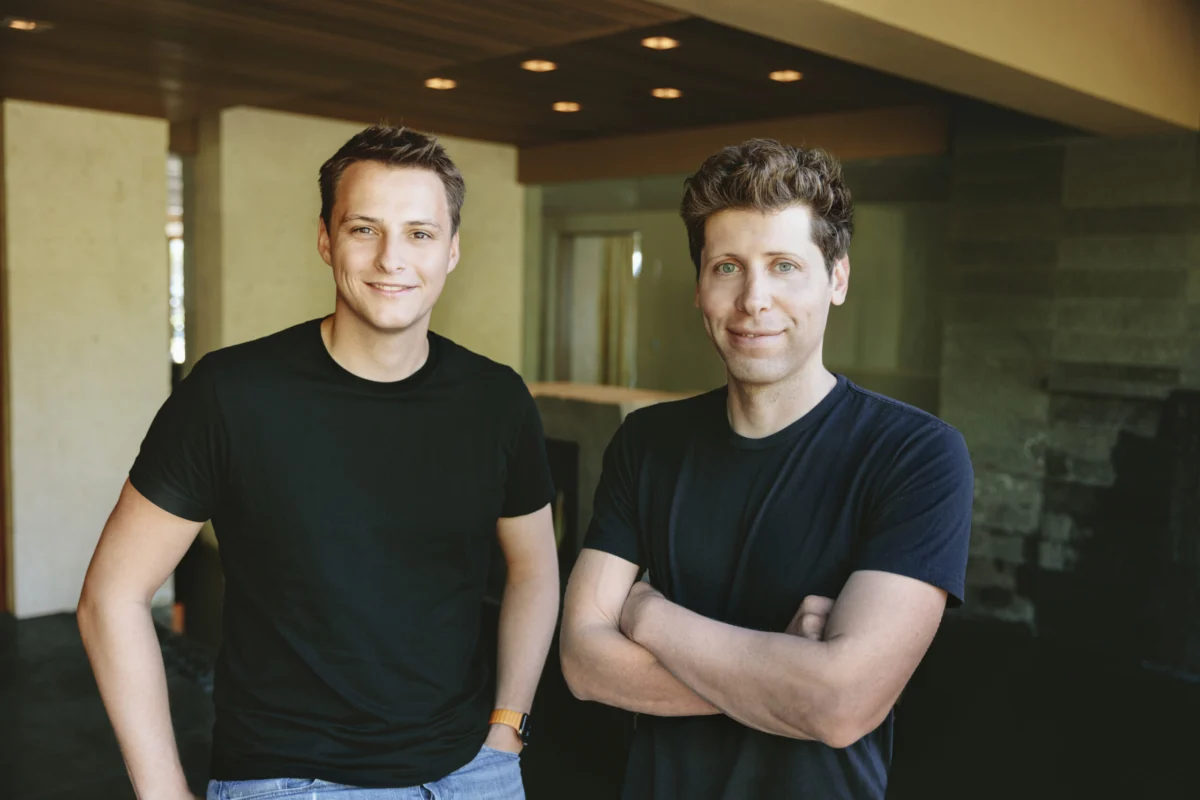
The operational engine behind World is Tools for Humanity (TFH), a San Francisco-based technology startup. Led by CEO and co-founder Alex Blania alongside Sam Altman, TFH has positioned World as a necessary infrastructure layer for the internet age. The project’s central thesis is the concept of "Proof of Personhood." As generative AI continues to evolve, the line between human-generated content and machine-generated content has become increasingly blurred. TFH argues that in an era where sophisticated bots can mimic human behavior, manipulate social media discourse, and bypass traditional security measures, a reliable method for verifying "humanness" is essential for the integrity of digital interactions.
World’s primary offering is the World ID, a privacy-preserving digital passport that allows users to verify they are a real and unique human being without necessarily revealing their legal identity. To achieve the highest level of verification, users must interact with a specialized piece of hardware known as the "Orb." The Orb is a five-pound, metallic, spherical device equipped with advanced sensors and cameras designed to scan a user’s iris. This biometric data is then converted into a unique cryptographic identifier—a "humanness" code—while the original images are typically deleted by default unless the user opts into data sharing for system training. These Orbs are currently deployed at various global hubs, partner retail locations, and TFH offices.
Strategic Rebranding and Market Positioning
The project was originally introduced to the public as "Worldcoin," a name that leaned heavily into its cryptocurrency roots. However, following a period of significant volatility in the digital asset markets and a broader public backlash against the crypto industry, the company underwent a strategic rebranding to simply "World." This shift was intended to emphasize the project’s broader social and technological utility rather than its financial speculation aspects. Despite the name change, the WLD token remains a central component of the ecosystem, serving as an incentive for users to join the network and as a potential medium for a future universal basic income (UBI) model, a concept Altman has long championed.
The recent $52.5 million raise comes at a critical juncture for Tools for Humanity. In April 2024, the project launched a major update to its mobile application and announced a series of high-profile integrations. These partnerships aimed to embed World ID into popular digital platforms such as the dating app Tinder, the video conferencing giant Zoom, and the electronic signature service DocuSign. The goal of these integrations is to provide a "verified" layer to these services, potentially reducing the prevalence of "catfishing" on dating apps or ensuring the authenticity of participants in corporate meetings.
Chronology of Key Events and Recent Challenges
The trajectory of World has been marked by both rapid technical development and significant organizational hurdles. A timeline of the project’s recent history illustrates the volatility of the sector:
- July 2023: Worldcoin officially launches its token and global biometric signup program, drawing massive crowds in cities like Nairobi, Berlin, and Buenos Aires.
- Late 2023: Several national regulators, including those in Kenya, France, and Germany, begin investigating the project’s data collection practices, citing concerns over biometric privacy and the legality of scanning minors.
- April 2024: The project rebrands to "World" and unveils World Chain, a new blockchain network designed to prioritize human users over automated trading bots. Simultaneously, integrations with Tinder and Zoom are announced.
- June 2024: Amidst a broader tightening of the venture capital environment and a need to streamline operations, Tools for Humanity conducts a round of layoffs. While the exact number of affected employees was not disclosed, the move signaled a pivot toward fiscal discipline.
- July 2024: The $52.5 million token sale is finalized, providing a much-needed liquidity cushion and validating the project’s mission through institutional backing.
Data and Network Metrics
Despite the controversies surrounding biometric data, World has reported steady growth in its user base. According to the project’s public dashboard, over 6 million individuals have verified their World ID via an Orb across more than 35 countries. The World App, the gateway to the network, has reportedly seen over 10 million downloads.
The financial performance of the WLD token has been a subject of intense scrutiny within the crypto community. At various points, the token has reached a fully diluted valuation (FDV) exceeding $50 billion, a figure that critics argue is disconnected from the project’s current utility. The decision to structure the recent $52.5 million raise as a token sale with a 12-month lockup is likely a strategic move to stabilize the token’s market dynamics and prevent immediate sell-side pressure that could devalue the asset.
Regulatory Headwinds and Privacy Concerns
The most significant obstacle to World’s global ambitions remains the regulatory landscape. Privacy advocates and government agencies have raised alarms regarding the "black box" nature of the Orb’s hardware and the long-term security of biometric hashes. In Europe, the project has faced scrutiny under the General Data Protection Regulation (GDPR). Spain’s data protection agency, the AEPD, previously issued a temporary ban on the project’s data collection activities, a move that World challenged in court.
In response to these concerns, Tools for Humanity has emphasized its "Personal Custody" initiative, which allows users to maintain control over their data, including the ability to request the deletion of their biometric iris code. The company maintains that its system is more privacy-centric than traditional centralized databases because it does not require a name, address, or phone number to function—only the proof of biological presence.
Analysis of Implications and Future Outlook
The successful $52.5 million fundraise suggests that despite layoffs and regulatory pushback, institutional investors see a massive market opportunity in the "Proof of Personhood" space. As AI agents become more autonomous, the economic and social value of a "human-only" network could grow exponentially.
From a broader economic perspective, Sam Altman has suggested that World could eventually facilitate the distribution of a global Universal Basic Income. The theory posits that as AI displaces traditional labor, the wealth generated by AI could be redistributed to verified humans via the WLD token. While this remains a futuristic and highly speculative goal, the infrastructure being built today—the Orbs, the World ID, and the World Chain—serves as the foundational layer for such a system.
However, the path forward is fraught with difficulty. World must balance its need for rapid global scaling with the slow, often localized requirements of international law. The project also faces competition from other decentralized identity (DID) solutions and government-backed digital IDs, though few possess the biometric hardware component that World utilizes.
The next 12 months will be a defining period for World. As the investor lockup period progresses, the company will need to demonstrate that its partnerships with platforms like DocuSign and Zoom can translate into meaningful daily active usage. If World can convince the public that an iris scan is a small price to pay for a bot-free digital existence, it may succeed in becoming the definitive identity protocol of the AI era. Conversely, if regulatory bans persist and user growth stalls, the project may struggle to justify its multi-billion dollar aspirations. For now, the $52.5 million investment provides the necessary runway for Sam Altman and Alex Blania to continue their pursuit of a verified, human-centric internet.