admin
admin
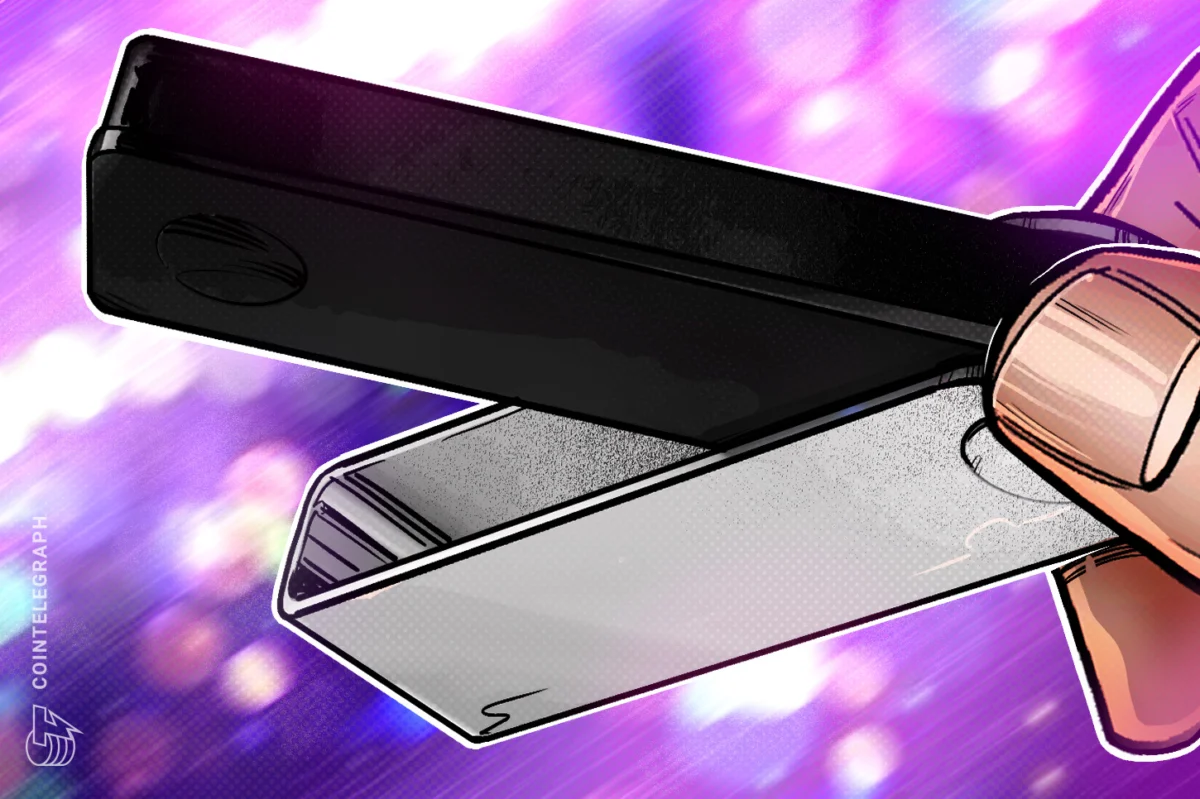
The integrity of the cryptocurrency hardware wallet ecosystem has been thrust into a critical spotlight as Ledger, a leading manufacturer, grapples with a burgeoning investigation into tampered devices sold through its distribution network. The unfolding crisis has prompted Ledger to issue a sweeping request for resellers across Southeast Asia and Hong Kong to suspend sales, while European electronics giant MediaMarktSaturn has proactively removed all Ledger products from its shelves and online platforms. In a significant ripple effect, competitor Trezor has also initiated a precautionary reduction of its authorized reseller network, underscoring the severe implications of supply chain vulnerabilities within the sensitive realm of digital asset security. This multi-faceted development highlights the inherent risks in hardware distribution and sends a stark warning to both manufacturers and consumers about the imperative of vigilance.
Ledger’s Comprehensive Sales Suspension and Ongoing Investigation
At the heart of the current turmoil is Ledger’s revelation of a sophisticated tampering scheme affecting its hardware wallets. The French company has formally requested all sellers and distributors of its devices in six key Southeast Asian countries—Indonesia, Singapore, Thailand, the Philippines, Vietnam, Malaysia—and the special administrative region of Hong Kong to immediately halt sales and remove its products from their inventories. This drastic measure stems from an active and extensive investigation into reports of devices that have been physically compromised, potentially allowing for the surreptitious extraction of users’ critical recovery phrases.
The initial public acknowledgment of the investigation surfaced on October 9, following reports of stolen cryptocurrency linked to devices purportedly purchased through CryptoBilis, a reseller operating in the affected region. Ledger’s communications, primarily via its official X (formerly Twitter) account, have clarified that while the investigation is ongoing, the confirmed incidents of tampering remain contained to Southeast Asia. The company has explicitly stated, "To be clear, as the investigation continues, the only confirmed incidents remain contained to Southeast Asia. We have not verified a drain linked to a device bought elsewhere." This statement aims to localize the immediate threat while acknowledging the potential for broader implications if the root cause is not swiftly identified and neutralized.
The sophistication of the tampering has raised significant alarms. Ledger confirmed that at least one device sold by CryptoBilis contained an unauthorized hardware implant. Unlike traditional firmware modifications or software vulnerabilities, this implant was reportedly capable of capturing recovery phrases displayed on the device’s screen and transmitting them over cellular networks. This method of attack bypasses standard firmware integrity checks that hardware wallets typically employ, presenting a novel and deeply concerning vector for compromise. The company’s ongoing probe is meticulously focused on "determining who tampered with these devices and where in the distribution chain it happened," indicating a deep dive into logistics, manufacturing, and distribution channels to pinpoint the exact point of compromise.
Chronology of Escalation: From Initial Reports to Global Reaction
The timeline of this evolving security crisis underscores its rapid escalation and the industry’s swift, albeit reactive, response.
- October 9: Ledger publicly acknowledges an investigation into reports of stolen crypto linked to devices purchased from a Southeast Asian reseller, CryptoBilis. Early indications point to potential tampering.
- Late October/Early November (Specific dates vary based on regional announcements): Reports begin to surface of more widespread concerns regarding Ledger devices.
- A Recent Monday (Date not explicitly given in the provided text): An X user, Johannes (@0xJohannes_), publicly claims to have purchased two Ledger wallets from separate MediaMarkt stores in Germany, both of which allegedly contained unauthorized cables and cellular modules. This brings the issue to a prominent European retailer and expands the geographical scope of reported, though not necessarily confirmed, incidents.
- A Recent Tuesday (Date not explicitly given):
- Ledger issues its broad request for resellers in Indonesia, Singapore, Thailand, the Philippines, Vietnam, Malaysia, and Hong Kong to suspend sales and remove products.
- Ledger also confirms that MediaMarktSaturn’s decision to pull products was made in coordination with the wallet maker, following the German customer’s report. Ledger states no fund losses have been reported in connection with the German case, and there is no indication its own infrastructure, systems, or services were compromised.
- Trezor, a direct competitor, announces its decision to reduce its authorized reseller network globally as a precautionary measure, citing the Ledger tampering reports. Shipments to affected resellers are halted immediately, and their authorized status will be revoked by January 1.
This rapid sequence of events, spanning from localized reports to widespread industry responses, illustrates the gravity of the situation and the interconnectedness of the global cryptocurrency hardware market.
The Broader Security Threat: Supply Chain Vulnerabilities
Hardware wallets are widely considered the gold standard for securing digital assets due to their offline storage of private keys, insulating them from online threats. The core principle relies on a "secure element" and a trusted execution environment, designed to generate and protect the user’s seed phrase (recovery phrase) – a mnemonic representation of their private keys. Users are typically advised to purchase directly from the manufacturer to minimize supply chain risks, a recommendation now amplified by Ledger’s predicament.
The incident underscores a critical vulnerability: the supply chain itself. A supply chain attack, in this context, refers to a cyberattack that aims to damage an organization by targeting less secure elements in the supply chain. In Ledger’s case, the attack vector appears to be physical tampering at some point between manufacturing and retail distribution. This form of attack is particularly insidious because it preys on the trust users place in the physical integrity of a product, a trust that is paramount for security devices.
Trezor’s chief commercial officer, Danny Sanders, highlighted the unique challenge posed by the Ledger implant. While Trezor’s existing checks are designed to detect counterfeit devices and modified firmware—common forms of hardware compromise—the Ledger implant operated differently, by "reading information displayed on the device’s screen." This distinction is crucial. Firmware modification involves altering the device’s internal software, which can often be detected through cryptographic signatures. An implant that optically reads the screen, however, operates outside the device’s internal digital security mechanisms, posing a far more complex detection challenge for both manufacturers and end-users. It signifies an evolution in attack sophistication, moving from digital subversion to physical interception.
Trezor’s Proactive Measures and Industry-Wide Implications
In response to the escalating concerns, Trezor, another prominent hardware wallet manufacturer, has taken swift, preventative action. The company announced its decision to significantly reduce its authorized reseller network, citing the reports of Ledger wallet tampering as the catalyst. While Trezor emphasized that this decision was purely precautionary and that it had "no evidence its own devices were compromised," the move sends a strong signal about the industry’s commitment to supply chain integrity. Danny Sanders stated that affected resellers would lose their authorized status on January 1, with shipments to those businesses ceasing immediately. This proactive stance, though costly in terms of distribution reach, prioritizes user security and aims to mitigate potential future risks.
The incident brings into sharp focus the existing tensions between broad market access and stringent security controls. While an extensive reseller network can boost sales and reach, it also introduces more points of potential vulnerability. Smaller, less scrutinized resellers might not adhere to the same rigorous security protocols as the primary manufacturer or larger, established retailers. Trezor’s decision reflects a strategic pivot towards a more controlled distribution model, potentially setting a new industry standard for security-conscious hardware providers.
Beyond distribution, the event reignites the debate around best practices for hardware wallet usage. Trezor has reiterated its long-standing advice for customers to purchase devices directly from the manufacturer whenever possible. Furthermore, it advocates for the adoption of multisignature wallets, a security mechanism requiring multiple private keys (often from different hardware devices) to authorize a transaction. This "defense-in-depth" strategy significantly reduces the impact of a single device compromise, as an attacker would need to compromise multiple, independently secured devices to gain access to funds.
Retailer Response: MediaMarktSaturn’s Swift Action
The decision by MediaMarktSaturn, the parent company of Europe’s largest electronics retailer, MediaMarkt, to remove all Ledger products from its physical stores and online platforms globally represents a significant commercial and reputational blow. A spokesperson for MediaMarktSaturn confirmed the move, stating, "The products have been removed from our product lineup internationally in all of our countries. We did this as a precautionary measure."
This immediate and widespread withdrawal underscores the severity of the perceived risk. While Ledger confirmed that MediaMarktSaturn’s action was coordinated and followed a report from a German customer about a hardware implant, Ledger also clarified that "no fund losses had been reported in connection with that case and that it had no indication its infrastructure, systems or services were compromised." This distinction is crucial; while the physical tampering was reported, the ultimate objective of fund theft was apparently not achieved in the German instance, possibly due to user vigilance or early detection. Nevertheless, the mere presence of unauthorized components was sufficient to trigger a global recall from a major retailer, illustrating the zero-tolerance approach to security vulnerabilities in critical financial tools.
The incident involving Johannes, the X user who reported finding unauthorized cables and cellular modules in two Ledger wallets purchased from MediaMarkt, served as a catalyst for the retailer’s actions. While the ultimate source of these tampered devices within MediaMarktSaturn’s supply chain is still under investigation, the event highlights the pervasive nature of sophisticated attacks and the need for constant vigilance across all points of sale.
Financial Impact and Crucial User Guidance
Blockchain investigators have estimated the potential financial losses stemming from the tampering incidents to be substantial, ranging between $72 million and $86 million. However, Ledger has not yet confirmed the total figure, indicating the complexity of tracing and verifying all affected funds across various decentralized networks. If confirmed, these figures would represent one of the most significant supply chain attacks in the history of cryptocurrency security, dwarfing many software-based exploits.
For current and prospective hardware wallet users, the incidents provide several critical lessons and reinforce existing best practices:
- Purchase Directly from Manufacturer: This is the most crucial piece of advice. Buying directly from Ledger, Trezor, or other reputable manufacturers minimizes the number of intermediaries and reduces the risk of tampering during transit or storage.
- Inspect Packaging Thoroughly: Always meticulously examine the device packaging for any signs of tampering, such as broken seals, re-glued boxes, or inconsistent branding. Manufacturers often include tamper-evident seals precisely for this reason.
- Verify Device Authenticity: Upon receiving a new device, always perform the manufacturer’s recommended authenticity checks. This often involves connecting the device to official software (e.g., Ledger Live for Ledger devices) which verifies the device’s genuine firmware and secure element.
- Never Enter Your Seed Phrase Online: Hardware wallets are designed to keep your seed phrase offline. If a device or accompanying software ever prompts you to enter your seed phrase on a computer or phone, it is a critical red flag and likely a scam.
- Be Wary of Unusual Components: As seen in the German case, unauthorized cables or modules should immediately raise suspicion. If anything looks out of place, do not use the device.
- Consider Multisignature Setups: For significant holdings, adopting a multisignature wallet strategy adds an extra layer of security, requiring multiple keys to authorize transactions. This can mitigate the impact of a single device compromise.
- Stay Informed: Follow official announcements from hardware wallet manufacturers and reputable crypto security news sources.
Long-Term Implications for the Hardware Wallet Market and Crypto Security
The Ledger tampering scandal represents a pivotal moment for the hardware wallet industry and the broader cryptocurrency ecosystem. It has undeniably eroded a degree of consumer trust, especially among those who rely on hardware wallets for robust security. While Ledger has acted swiftly to address the immediate threat, the long-term ramifications could include:
- Enhanced Supply Chain Audits: Manufacturers will likely be compelled to implement more rigorous auditing and security protocols across their entire supply chains, from component sourcing to final distribution. This could involve advanced anti-tampering packaging, more sophisticated authentication methods, and closer scrutiny of third-party logistics providers.
- Shift in Distribution Models: Trezor’s move to cut its reseller network may foreshadow a broader industry trend towards more centralized and controlled distribution, potentially favoring direct-to-consumer sales channels over extensive third-party reseller networks.
- Increased User Education: The incident underscores the perpetual need for user education regarding secure practices, including the importance of direct purchases and meticulous device inspection.
- Innovation in Anti-Tampering Technology: Expect to see further innovation in physical tamper-evident features, cryptographic seals, and potentially new ways for devices to self-verify their physical integrity.
- Potential for Regulatory Scrutiny: As cryptocurrencies become more mainstream, incidents like this could attract greater attention from financial regulators, who may impose stricter standards for security devices and their distribution.
In conclusion, the ongoing investigation into Ledger’s tampered devices, coupled with the proactive responses from Trezor and MediaMarktSaturn, has cast a long shadow over the hardware wallet sector. While the immediate focus is on containing the damage and identifying the culprits, the broader implications point towards a necessary re-evaluation of security protocols, distribution strategies, and user education across the entire digital asset security landscape. The incident serves as a stark reminder that in the world of cryptocurrency, vigilance and robust security practices are not merely recommendations, but absolute necessities.