admin
admin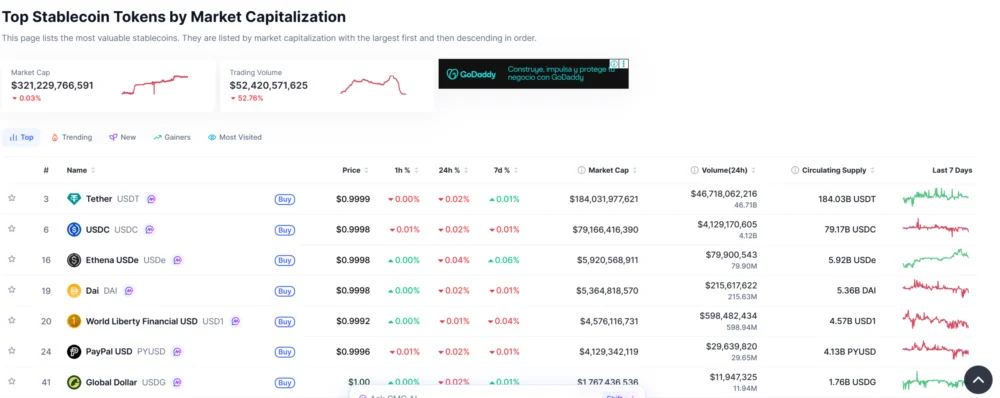
Regulatory uncertainty surrounding stablecoins is poised to place traditional financial institutions at a significant competitive disadvantage compared to their more agile cryptocurrency counterparts, according to Colin Butler, executive vice president of capital markets at Mega Matrix. Butler’s assessment highlights a growing tension within the financial sector, where established banks, despite substantial investments in digital asset infrastructure, remain largely unable to deploy these capabilities fully due to an unresolved legislative debate over how stablecoins should be classified and regulated. This stagnation, experts caution, not only hinders innovation within traditional finance but also risks prompting a substantial migration of deposits and pushing burgeoning digital asset activity into less regulated, offshore environments.
The Conundrum of Classification and Bank Inertia
Traditional financial institutions have poured considerable resources into developing the foundational technology required to support a digital asset ecosystem. Yet, the lack of clarity from lawmakers regarding whether stablecoins will be treated as deposits, securities, or a distinct payment instrument creates a formidable barrier to full operationalization. "Their general counsels are telling their boards that you cannot justify the capital expenditure until you know whether stablecoins will be treated as deposits, securities, or a distinct payment instrument," Butler explained to Cointelegraph, underscoring the risk aversion inherent to regulated entities.
This regulatory limbo directly impacts the ability of banks to leverage their digital investments. Major players in the banking sector have already made significant strides: JPMorgan developed its Onyx blockchain payments network, a private, permissioned version of Ethereum designed for wholesale payments and digital assets; BNY Mellon launched comprehensive digital asset custody services catering to institutional clients; and Citigroup has actively tested tokenized deposits, exploring the potential of blockchain technology to enhance efficiency and reduce settlement times for traditional financial instruments. These initiatives represent substantial infrastructure spend, yet their full potential remains untapped. "The infrastructure spend is real, but regulatory ambiguity caps how far those investments can scale because risk and compliance functions will not greenlight full deployment without knowing how the product will be classified," Butler elaborated, pinpointing the compliance bottleneck as a critical impediment.
The current landscape starkly contrasts the operational environment for many crypto firms. These entities have historically operated within regulatory gray zones, often adapting their models to evolving interpretations or, in some cases, pushing the boundaries of existing regulations. This agility, born out of necessity in a nascent industry, is a luxury unavailable to heavily regulated banks. Banks, by their very nature, are designed to operate within clear legal and regulatory frameworks, making comfortable navigation of ambiguous areas impossible without incurring unacceptable levels of legal and reputational risk. This fundamental difference in operational comfort creates an uneven playing field, where crypto companies can continue to innovate and expand, while banks remain tethered by the unresolved questions of regulatory oversight.
The Looming Threat of Deposit Migration: A Historical Parallel
Beyond the immediate operational hurdles, a more profound concern for traditional banks is the potential for significant deposit migration driven by a widening "yield gap." Stablecoin platforms frequently offer returns ranging from 4% to 5% on stablecoin balances, a stark contrast to the average U.S. savings account, which typically yields less than 0.5%. This disparity is not merely academic; it presents a tangible financial incentive for depositors to seek higher returns elsewhere.
History offers a compelling precedent for such shifts. Butler drew parallels to the 1970s, when high inflation and interest rate caps on traditional bank deposits led to a massive exodus of capital into money market funds. These funds, offering superior yields, rapidly grew in popularity, fundamentally altering the landscape of retail savings. Today, the conditions for a similar, if not accelerated, migration are arguably more potent. The digital nature of stablecoins means that transferring funds from traditional bank accounts to stablecoin platforms can be accomplished in minutes, eliminating the friction and time delays associated with past financial shifts. Moreover, the current yield gap between traditional savings and stablecoin offerings is often larger than what spurred the money market fund boom, amplifying the incentive for movement.
Fabian Dori, chief investment officer at Sygnum, acknowledges the significance of this competitive gap but suggests it has not yet reached a critical point for a large-scale, immediate deposit flight. He points out that institutional clients, in particular, continue to prioritize trust, robust regulation, and operational resilience—qualities traditionally associated with established banks—over marginally higher yields. However, Dori cautions that this equilibrium is delicate. "But the asymmetry can accelerate migration at the margin, especially among corporates, fintech users, and globally active clients already comfortable moving liquidity across platforms," he stated. He further warned that "Once stablecoins are treated as productive digital cash rather than crypto trading tools, the competitive pressure on bank deposits becomes much more visible," indicating a potential tipping point where the utility and perceived safety of stablecoins could fundamentally alter depositor behavior. This scenario would not only impact banks’ profitability but also potentially their ability to fund loans and maintain liquidity, with broader implications for financial stability.

The Unintended Consequences of Yield Restrictions: Pushing Activity Offshore
Adding another layer of complexity, Butler warned that attempts by regulators to restrict stablecoin yield in regulated environments could inadvertently drive activity into less regulated, potentially riskier, offshore markets. Under current U.S. law, stablecoin issuers are generally prohibited from paying yield directly to holders. However, many crypto exchanges and platforms have found ways to offer returns through lending programs, staking mechanisms, or promotional rewards, creating a workaround that allows users to earn yield on their stablecoin holdings.
Should lawmakers impose broader and more stringent restrictions on yield-generating activities within regulated jurisdictions, capital, driven by its inherent search for returns, is unlikely to simply cease seeking yield. Instead, it could pivot towards alternative structures, such as synthetic dollar tokens. Products like Ethena’s USDe exemplify this trend. Unlike traditional stablecoins backed by fiat reserves, synthetic dollar tokens generate yield through complex derivatives markets and delta-neutral strategies, rather than relying on conventional interest-bearing assets. These innovative mechanisms can continue to offer attractive returns even if regulated stablecoins are prevented from doing so.
If this trend accelerates, regulators could find themselves facing the precise opposite of their intended outcome. Instead of fostering a safer, more transparent financial ecosystem, overly restrictive policies might inadvertently push more capital into opaque, offshore structures with fewer consumer protections and less regulatory oversight. "Capital doesn’t stop seeking returns," Butler succinctly stated, encapsulating the market’s relentless pursuit of yield and the potential futility of attempting to suppress it without offering viable, regulated alternatives. This scenario raises significant concerns about investor protection, systemic risk, and the ability of domestic regulators to monitor and manage financial flows effectively in an increasingly globalized and digitally interconnected economy.
Broader Implications and the Path Forward
The ongoing debate over stablecoin regulation is not merely a technical discussion; it represents a pivotal moment for the future of finance. The classification of stablecoins—whether as deposits, securities, or a new payment instrument—carries profound implications for their regulatory treatment, including capital requirements, consumer protection standards, and oversight bodies (e.g., the Federal Reserve, SEC, CFTC, FDIC). Each classification would subject stablecoins to a distinct set of rules, influencing everything from how they are issued and redeemed to how they are custodied and used in transactions.
For traditional banks, achieving regulatory clarity is paramount. It would enable them to fully activate their digital asset infrastructure, offer competitive stablecoin-based products, and participate actively in the burgeoning digital economy. This could include facilitating tokenized payments, enabling instant settlements, and even issuing their own regulated stablecoins, potentially transforming their core business models and enhancing efficiency. Without such clarity, banks risk being sidelined in a rapidly evolving financial landscape, potentially losing market share, deposits, and innovative opportunities to less regulated entities.
From a regulatory perspective, the challenge lies in striking a balance. Policymakers must foster innovation while simultaneously mitigating risks to financial stability, consumer protection, and market integrity. The goal should be to develop a comprehensive, coherent framework that provides certainty for legitimate actors, safeguards against illicit activities, and allows the U.S. to maintain its leadership in financial innovation. Drawing lessons from international jurisdictions, such as the European Union’s Markets in Crypto-Assets (MiCA) regulation, which provides a comprehensive framework for crypto assets including stablecoins, could offer valuable insights. MiCA’s proactive approach, though not without its own complexities, offers a model of regulatory foresight that the U.S. could consider.
Ultimately, the decisions made by lawmakers in the coming months and years will shape the competitive dynamics between traditional finance and the crypto industry, influence global capital flows, and determine the extent to which digital assets can be safely and effectively integrated into the broader financial system. The stakes are high, and the consensus among experts is that inaction or overly restrictive measures could yield unintended and potentially detrimental consequences for the stability and competitiveness of the U.S. financial sector. The imperative is clear: to move beyond debate and establish a regulatory framework that embraces the potential of stablecoins while effectively managing their inherent risks.