admin
admin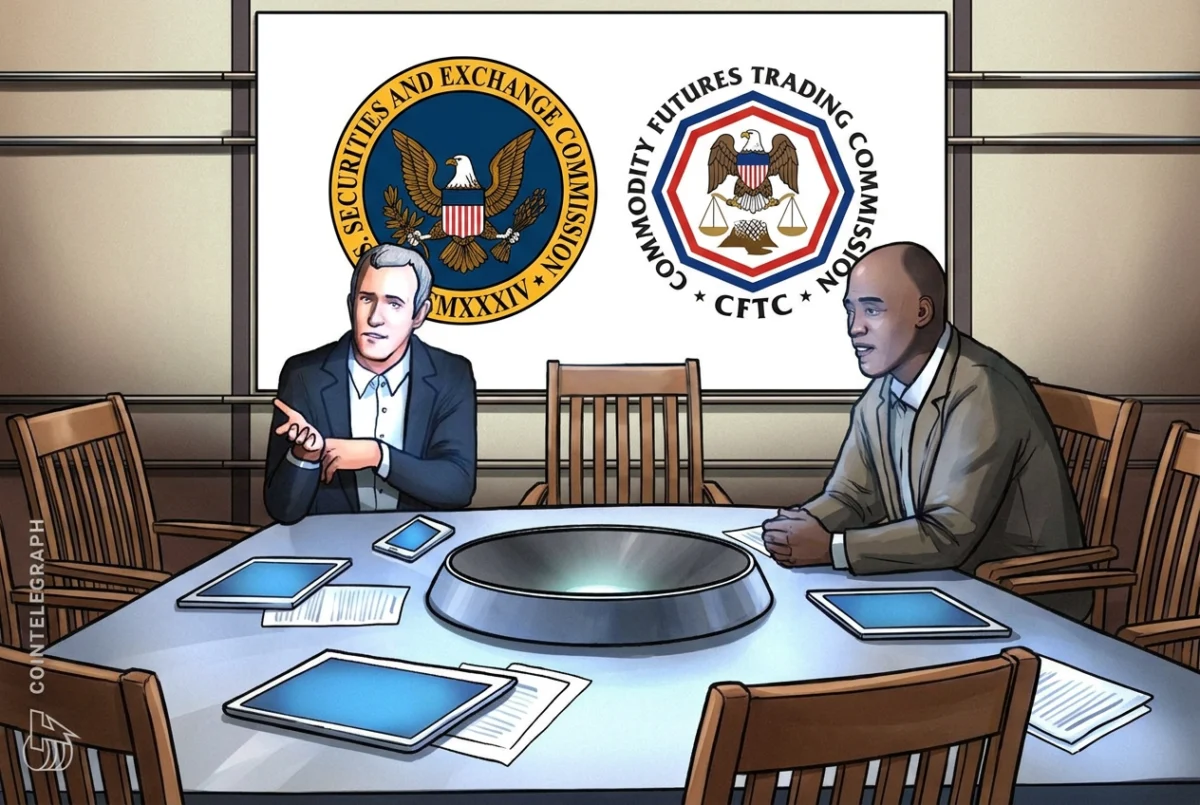
The United States’ financial regulatory landscape for digital assets is facing unprecedented challenges as two of its most critical oversight bodies, the Securities and Exchange Commission (SEC) and the Commodity Futures Trading Commission (CFTC), find themselves operating with severely reduced leadership. Following the imminent departure of a prominent Republican commissioner, both agencies will be functioning with a combined total of just three commissioners, a situation that experts warn could exacerbate regulatory uncertainty and impede effective oversight in the rapidly evolving digital asset sector.
A Critical Juncture for the SEC: Peirce’s Departure and a Historical Low
On Friday, October 2nd, the SEC will bid farewell to Commissioner Hester Peirce, a figure widely recognized within the digital asset community as "Crypto Mom" for her often dissenting, yet thoughtful, views on how cryptocurrencies should be regulated. Peirce’s departure marks the end of an impactful eight-year tenure, coming approximately two months before the scheduled conclusion of an 18-month extension for her second term. Her absence will reduce the SEC’s five-member bipartisan panel to just two commissioners – Chair Paul Atkins and Mark Uyeda, both Republicans. This precarious staffing level is a rare occurrence in the agency’s history, marking only the second time the SEC has operated with such a minimal number of commissioners. The last time the commission faced a similar reduction was for a brief period in 2018, underscoring the gravity of the current situation.
Peirce, a consistent advocate for clearer regulatory frameworks and a more accommodating approach to blockchain innovation, has frequently voiced concerns about the SEC’s enforcement-first strategy towards digital assets. Her departure leaves a significant void, particularly in providing a balanced perspective on complex crypto-related policy decisions. Her dissenting opinions often served as crucial counterpoints, fostering internal debate and offering insights into alternative regulatory paths. Without her, the remaining two commissioners will face the daunting task of navigating an increasingly intricate regulatory environment with diminished capacity for diverse viewpoints and robust deliberation.
The CFTC’s Enduring Leadership Vacuum
The Commodity Futures Trading Commission, another pivotal federal regulator with extensive responsibilities over various aspects of crypto oversight and enforcement, has been grappling with its own leadership crisis for an even longer period. Since December 2025, when acting chair Caroline Pham departed, the CFTC has been led by Chair Michael Selig as the sole commissioner. This extended period of single-commissioner leadership has raised concerns among market participants and policymakers alike, as the agency is designed to operate as a multi-member body to ensure diverse perspectives and broad consensus on regulatory actions.
The CFTC’s mandate includes overseeing futures, options, and swaps markets, and its jurisdiction increasingly extends to certain digital assets deemed commodities. A fully staffed commission is essential for tackling the complexities of these markets, particularly in the context of emerging technologies and novel financial products. The inability to convene a full quorum for certain votes or policy discussions can significantly slow down regulatory processes, leaving critical areas unaddressed or handled by a singular viewpoint, which contradicts the fundamental design of such independent agencies.
The Stalled Nomination Process: A Presidential Prerogative
Under federal law, the power to nominate replacements to fill the empty SEC and CFTC leadership seats rests solely with the President of the United States. In the current political climate of late 2026, this responsibility falls to President Donald Trump, who selected all the departing and remaining commissioners, with the exception of Mark Uyeda, a Biden pick from 2022. Despite the critical need for a fully functional regulatory apparatus, the White House has yet to announce any formal nominations or concrete intentions to nominate additional members to these vital financial agencies.
The delay in appointments has drawn sharp criticism from various quarters. On September 4th, CNBC reported that White House officials had been vetting four candidates to fill the empty commissioner seats at the CFTC, though no names were publicly disclosed. While a White House official stated that President Trump intended to nominate members to both agencies "in the near future," the absence of concrete action continues to fuel uncertainty.
This protracted nomination process highlights a broader political dynamic. In June, Senate Democrats, including Senate Majority Leader John Thune, penned a strongly worded letter to President Trump, expressing their concerns. "Congress designed these boards and commissions to be bipartisan and gave them the authority to regulate some of the most vital and significant parts of American life," the letter stated. It continued, "But the Trump Administration appears intent on ensuring that it retains complete control over these agencies, with little interest in working in good faith with Congress." This sentiment underscores a perception of political maneuvering, where strategic delays in nominations could potentially consolidate power or influence the regulatory direction in a partisan manner, rather than prioritizing the operational integrity and bipartisan nature of these independent bodies.
The Broader Implications for Digital Asset Regulation and Market Clarity
The leadership vacuum at both the SEC and CFTC comes at a pivotal moment for the digital asset industry. With the global cryptocurrency market capitalization fluctuating in the multi-trillion-dollar range and an ever-increasing number of institutional and retail participants, clear and consistent regulatory guidance is paramount. Without full leadership, both financial agencies are compelled to advance crypto regulation through administrative rulemaking and staff guidance rather than through comprehensive laws passed by Congress, leading to a patchwork of interpretations and increased legal ambiguity.
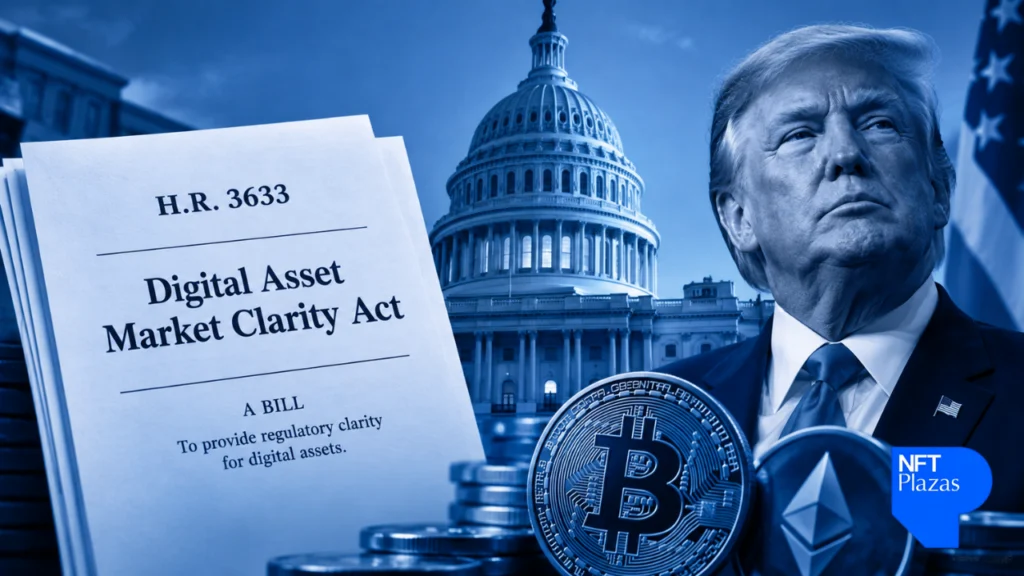
The recent failure of the Digital Asset Clarity (CLARITY) Act earlier this month in the Republican-controlled Senate further compounds the issue. This bipartisan bill was widely supported by the industry and aimed to provide the CFTC with expanded authority over digital asset regulation, delineating jurisdictional boundaries that are currently a source of contention with the SEC. Its failure means that the core issues of classification and oversight remain unresolved by legislative action, pushing the burden back onto understaffed agencies to interpret existing statutes.
In the absence of clear legislative mandates, the SEC and CFTC have been forced to articulate their respective interpretations of federal laws as applied to token issuers. The SEC, for instance, has continued to issue staff guidance on investment contracts, often implying that many digital tokens fall under its purview as securities. Conversely, the CFTC has specified how companies could use blockchain recordkeeping, indicating its jurisdictional interest in the technological underpinnings of digital assets, particularly those it views as commodities. This bifurcated approach creates significant regulatory uncertainty, forcing businesses to navigate potentially conflicting interpretations and increasing the risk of enforcement actions.
Impact on Enforcement, Innovation, and Investor Protection
The implications of severely understaffed commissions extend beyond just policy formulation. The pace and scope of enforcement actions could be significantly affected. Complex digital asset cases often require extensive deliberation and a consensus among commissioners. A reduced commission may struggle to reach such consensus efficiently, potentially delaying crucial enforcement actions or, conversely, pushing through decisions with less diverse input. This could lead to a perception of either regulatory paralysis or arbitrary decision-making.
For the burgeoning digital asset industry, this regulatory uncertainty is a major impediment to innovation. Companies operating in the U.S. face an environment where the legal status of their products and services can shift, making long-term planning and investment challenging. Many firms have expressed concerns that the U.S. is falling behind other jurisdictions, such as the European Union with its comprehensive Markets in Crypto-Assets (MiCA) regulation, in establishing a clear and predictable regulatory framework. This lack of clarity could drive innovation and capital offshore, weakening the U.S.’s competitive edge in the global digital economy.
Investor protection, a core mandate of both agencies, also faces potential challenges. Without a full complement of commissioners, the agencies’ capacity to monitor markets, identify risks, and respond to emerging threats might be diminished. The ability to quickly adapt to new financial products and prevent fraudulent activities relies heavily on robust oversight and timely regulatory action.
Historical Precedents and the Need for Bipartisan Consensus
The current situation at the SEC, operating with just two commissioners, is a stark reminder of the importance of these multi-member bodies. Historically, agencies like the SEC and CFTC are structured with an odd number of commissioners (typically five) to ensure a clear majority for decisions and to foster bipartisan input. This design is intended to prevent partisan gridlock and ensure that regulatory decisions reflect a broad range of perspectives rather than the narrow views of a single party or individual.
While brief periods of understaffing have occurred in the past, prolonged vacancies can erode public trust, create policy stagnation, and hinder effective governance. The average time for a presidential nominee to be confirmed by the Senate can vary significantly, often taking months or even over a year, depending on political dynamics and the nominee’s background. This makes the urgency of presidential nominations even more critical.
Cointelegraph reached out to the SEC for comment on any potential nominations but did not receive an immediate response, reflecting the ongoing silence from the agency on this front. A CFTC spokesperson, however, reiterated Chair Selig’s stance, stating that he "welcomes new Commissioners to the CFTC upon their nomination and confirmation by the US Senate" and affirmed that the agency was "more than equipped to also oversee [its] part of the crypto market." While this statement conveys confidence, the inherent design of a multi-member commission suggests that a single commissioner, no matter how capable, cannot fully replicate the deliberative and oversight functions of a complete panel.
The path forward demands decisive action from the White House to nominate qualified individuals and a commitment from the Senate to swiftly confirm them. The digital asset market is too significant, and the need for regulatory clarity too pressing, for these critical financial agencies to continue operating with a fraction of their intended leadership. The current state of regulatory gridlock not only threatens the stability and integrity of financial markets but also risks undermining the United States’ leadership in the global digital economy.