admin
admin
The nascent but rapidly expanding world of tokenized markets is exhibiting trading and investment patterns markedly distinct from its traditional counterparts, a phenomenon highlighted by a recent Dune report. This comprehensive analysis, which compares onchain and off-chain activity across a spectrum of assets including equities, credit, commodities, and cash-equivalent products, underscores a fundamental divergence in investor behavior and market structure within the digital asset ecosystem. The findings suggest that tokenization is not merely digitizing existing financial instruments but is fundamentally reshaping how investors interact with assets, driven by principles of direct access and enhanced control.
Deciphering Divergent Trading Patterns in Tokenized Equities
The disparity between tokenized and traditional markets is particularly pronounced within the equities sector. According to the Dune report, an overwhelming 81% of the tokenized equity spot supply comprises single stocks, while exchange-traded funds (ETFs) account for a mere 19%. This contrasts sharply with conventional equity markets, where ETFs and mutual funds often represent a significant portion of retail and institutional investment strategies, favored for their diversification benefits, lower costs, and ease of access. The preference for individual company exposure in the tokenized realm points to a unique investor appetite for granular control and direct ownership, potentially bypassing layers of traditional financial intermediation.
Armand Khatri, Head of Ecosystem at Ondo Finance, articulated this shift, emphasizing that tokenization empowers investors with greater autonomy over their asset selection. By reducing dependence on local intermediaries and their often-limited offerings, tokenization enables a more direct and global approach to investment. "The investor decides which they want," Khatri stated, referring to the newfound freedom to choose between exposure to a single company’s stock or a diversified index. This sentiment encapsulates a broader movement towards financial self-sovereignty, where technological advancements are breaking down geographical and structural barriers that have historically defined investment opportunities. The ability to acquire fractional ownership of high-value assets, coupled with 24/7 trading capabilities and enhanced transparency inherent in blockchain technology, further fuels this preference for direct engagement with specific assets rather than bundled products.
The Accelerating Growth of Real-World Asset Tokenization
The overall value of tokenized real-world assets (RWAs) is experiencing explosive growth, signaling a significant maturation of this nascent sector. As of August 31, the total value of tokenized RWAs stood at an impressive $34.5 billion, representing a staggering increase of over 140% from the previous year. This rapid expansion underscores growing confidence and adoption within the digital asset space for representing tangible and intangible assets on a blockchain. While this growth trajectory is steep, the composition of these tokenized assets reveals interesting dynamics.
Cash equivalents continue to dominate the supply side of tokenized RWAs. This category primarily includes stablecoins backed by fiat currencies, tokenized government bonds (such as U.S. Treasuries), and other short-term, highly liquid instruments. Their dominance reflects a foundational need within the crypto ecosystem for stable, reliable collateral and a bridge between traditional finance and decentralized applications. These tokenized cash equivalents offer the benefits of blockchain technology—instant settlement, global accessibility, and programmability—while mitigating the volatility often associated with cryptocurrencies. They serve as essential plumbing for decentralized finance (DeFi) protocols, facilitating lending, borrowing, and trading activities.
Despite the supply dominance of cash equivalents, equities emerged as the most actively traded segment within the tokenized RWA market. This high trading volume indicates strong investor interest and liquidity in tokenized stocks, suggesting that market participants are actively seeking opportunities for capital appreciation and speculation in this emerging asset class. The active trading of equities, despite their smaller proportion of the total tokenized RWA supply, further emphasizes the unique investor behavior observed by the Dune report: a clear demand for direct, agile participation in specific equity stories rather than broad market exposure.
Tokenized Equities: A Glimpse into Future Market Potential
While the growth of tokenized RWAs is undeniable, the tokenized equity market remains a minuscule fraction of global financial markets. Separate data from Binance Research, cited by Binance co-CEO Richard Teng, pegged the tokenized equity market at $4.43 billion as of September 15. Although this figure represents a remarkable 390% increase in the year leading up to 2026 (assuming a projection rather than a past event due to the future date), it equates to a mere 0.0029% of the colossal $151.9 trillion global listed-equity market. This stark comparison highlights the immense untapped potential and the early stage of development for tokenized equities.
Binance Research, however, offers an optimistic outlook, projecting that tokenized equities could reach approximately $349 billion by 2030 under its base-case scenario. This projection, while ambitious, reflects the transformative power attributed to tokenization in democratizing access to capital markets, enhancing liquidity, and streamlining traditional financial processes. Richard Teng cautioned that this significant shift "won’t happen overnight," underscoring the complexities involved in integrating a novel technological paradigm with deeply entrenched financial systems and regulatory frameworks. The journey from niche innovation to mainstream adoption will require sustained effort in infrastructure development, regulatory clarity, and widespread institutional and retail acceptance.
A Chronology of Key Developments and Regulatory Milestones
The burgeoning interest in tokenized assets is not confined to blockchain enthusiasts; it is increasingly attracting the attention of established financial institutions and regulatory bodies, leading to a series of pivotal developments:
- Early 2020s: Initial experiments with tokenizing illiquid assets like real estate and fine art begin to gain traction, demonstrating the technological feasibility and benefits of fractional ownership.
- Late 2022 – Early 2023: Major financial players like BlackRock and Franklin Templeton begin exploring tokenized funds, primarily focusing on money market funds and U.S. Treasuries, signaling institutional validation of the underlying technology.
- August 31: The Dune report measures the total value of tokenized RWAs at $34.5 billion, marking a 140% year-over-year increase and highlighting the rapid expansion of the market.
- September 15: Binance Research data estimates the tokenized equity market at $4.43 billion, providing a benchmark for this specific segment’s growth, despite its relatively small size compared to traditional markets.
- September 17: A landmark decision by the U.S. Securities and Exchange Commission (SEC) grants a temporary exemption allowing limited onchain trading of tokenized U.S.-listed stocks. This move is a crucial step towards creating a regulated pathway for digital asset securities, addressing concerns about market integrity and investor protection. The temporary nature of the exemption indicates a cautious, iterative approach by regulators to understand and integrate this new technology.
- Shortly After SEC Exemption: The New York Stock Exchange (NYSE), a cornerstone of global capital markets, announces a strategic partnership with Blockchain.com. Their joint initiative aims to offer tokenized U.S.-listed stocks and ETFs through NYSE’s planned digital trading platform, pending regulatory approval. This collaboration represents a significant endorsement from traditional finance, indicating a proactive stance in exploring the potential of blockchain technology for core market functions.
- Ongoing: Development of regulatory frameworks like the European Union’s Markets in Crypto-Assets (MiCA) regulation and the UK’s Financial Services and Markets Act (FSM Act) continues, aiming to provide comprehensive legal clarity for digital assets and tokenized securities across major economic blocs. These frameworks are critical for fostering institutional adoption and ensuring market stability.
These events collectively illustrate a growing convergence between traditional finance and blockchain technology, propelled by both technological innovation and a maturing regulatory environment.
Official Responses and Industry Perspectives
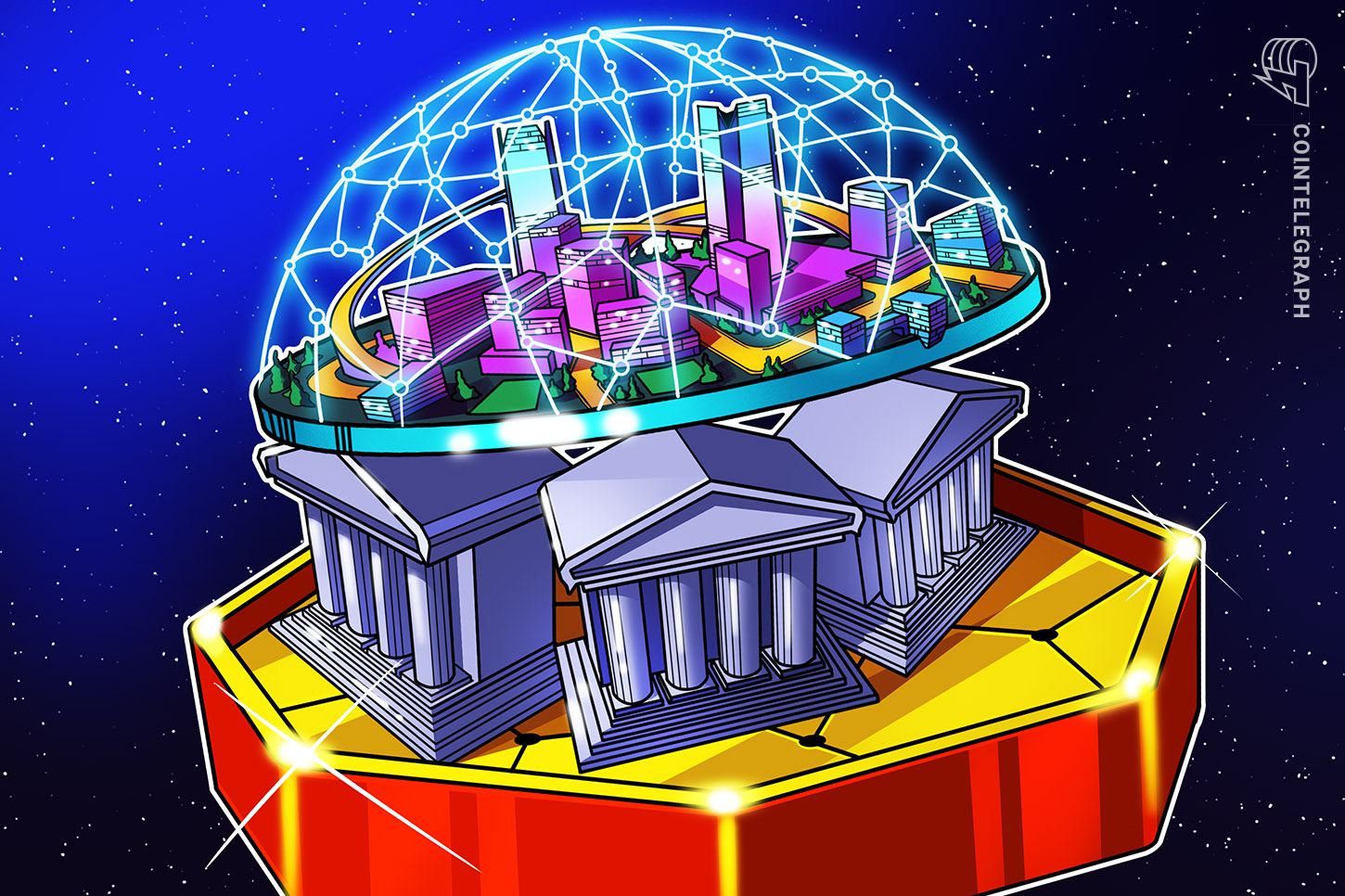
The burgeoning tokenization trend has elicited a range of responses from industry leaders and regulatory bodies, reflecting both excitement about its potential and a pragmatic awareness of the challenges ahead.
Armand Khatri’s comments from Ondo Finance underscore a key value proposition of tokenization: enhanced investor control and reduced dependence on intermediaries. This aligns with a broader sentiment within the decentralized finance (DeFi) community that tokenization empowers individuals by removing traditional gatekeepers and fostering a more direct relationship between investors and assets.
From a regulatory standpoint, the SEC’s temporary exemption for onchain trading of tokenized U.S.-listed stocks is a cautious yet significant acknowledgment of the technology’s potential. While not a blanket endorsement, it signals a willingness to engage with innovation while maintaining investor protection as a paramount concern. This approach allows regulators to observe real-world application and gather data before enacting more permanent rules. It suggests a move away from outright prohibition towards controlled experimentation.
The NYSE’s collaboration with Blockchain.com, though subject to regulatory approval, is a powerful statement from a venerable institution. It demonstrates that traditional exchanges are not ignoring the blockchain revolution but are actively seeking ways to integrate it into their core operations. This partnership could set a precedent for other established exchanges, potentially leading to a hybridization of traditional and digital market structures. Leaders within these institutions likely see tokenization as a means to improve efficiency, reduce settlement times, and attract a new generation of investors accustomed to digital-native experiences.
Richard Teng’s pragmatic view that the shift "won’t happen overnight" reflects a realistic understanding of the systemic changes required. While the technology is compelling, the inertia of existing financial infrastructure, legal frameworks, and human behavior dictates a gradual evolution rather than an abrupt revolution. This perspective is shared by many traditional finance veterans who appreciate the long cycles of innovation and adoption within highly regulated industries.
Broader Impact and Implications for Global Finance
The rise of tokenized markets carries profound implications for the global financial landscape, promising transformative shifts across several dimensions:
-
Democratization of Investment: Tokenization enables fractional ownership of high-value, previously illiquid assets such as real estate, fine art, private equity, and even rare collectibles. This lowers the barrier to entry for retail investors, allowing them to participate in markets historically reserved for the wealthy or institutional players. This could lead to a more inclusive financial system, where diverse portfolios are accessible to a wider demographic.
-
Enhanced Liquidity and Efficiency: By making assets divisible and tradable on blockchain networks 24/7, tokenization can significantly boost liquidity, especially for illiquid assets. The inherent transparency and immutability of blockchain technology can also streamline settlement processes, reducing transaction costs, counterparty risk, and settlement times from days to minutes or even seconds. This efficiency gain has the potential to unlock trillions of dollars currently trapped in slow, opaque traditional systems.
-
Programmable Finance and New Business Models: Tokenized assets can be embedded with smart contracts, allowing for automated execution of financial agreements. This programmability opens up new possibilities for innovative financial products, such as automated dividend distributions, collateralized lending, yield farming, and complex derivatives that react dynamically to market conditions. It could foster entirely new business models in asset management, lending, and investment banking.
-
Global Accessibility and Interoperability: Blockchain networks operate globally, potentially removing geographical restrictions on investment. An investor in Asia could easily acquire a fraction of a U.S. equity or European real estate asset, subject to regulatory compliance. As interoperability solutions between different blockchains and traditional financial systems mature, the global financial ecosystem could become far more interconnected and efficient.
-
Regulatory Evolution and Innovation: The emergence of tokenized assets is forcing regulators worldwide to re-evaluate existing securities laws and create new frameworks tailored to digital assets. This ongoing regulatory evolution, exemplified by the SEC’s temporary exemption and the development of MiCA, is crucial for legitimizing the market and attracting institutional capital. Clear regulatory guidelines will foster trust and provide the necessary legal certainty for widespread adoption.
-
Competition and Collaboration in Traditional Finance: Traditional financial institutions face a dual challenge: adapting to the new technology to remain competitive while also exploring collaboration opportunities with blockchain-native firms. Many are investing in their own blockchain initiatives, partnering with existing crypto companies, or acquiring expertise in the space. This dynamic will likely lead to a hybrid financial system that leverages the strengths of both traditional infrastructure and decentralized technologies.
-
Risk Considerations: Despite the immense potential, tokenized markets also present new risks, including smart contract vulnerabilities, regulatory arbitrage, market manipulation, and cybersecurity threats. Ensuring robust security measures, conducting thorough audits, and developing comprehensive risk management frameworks will be critical for the long-term health and stability of this evolving market.
In conclusion, the data from Dune and Binance Research paints a clear picture of a rapidly evolving financial frontier. Tokenized markets, though still in their infancy, are demonstrating unique characteristics, particularly in investor preferences for direct asset exposure. The explosive growth in tokenized real-world assets, coupled with increasing institutional engagement and evolving regulatory landscapes, signifies a profound transformation underway. While the journey towards widespread adoption will be incremental, as cautioned by Richard Teng, the foundational shifts in market dynamics and accessibility suggest that tokenization is poised to redefine the future of global finance, making it more efficient, accessible, and programmable for a new era of investors.