admin
admin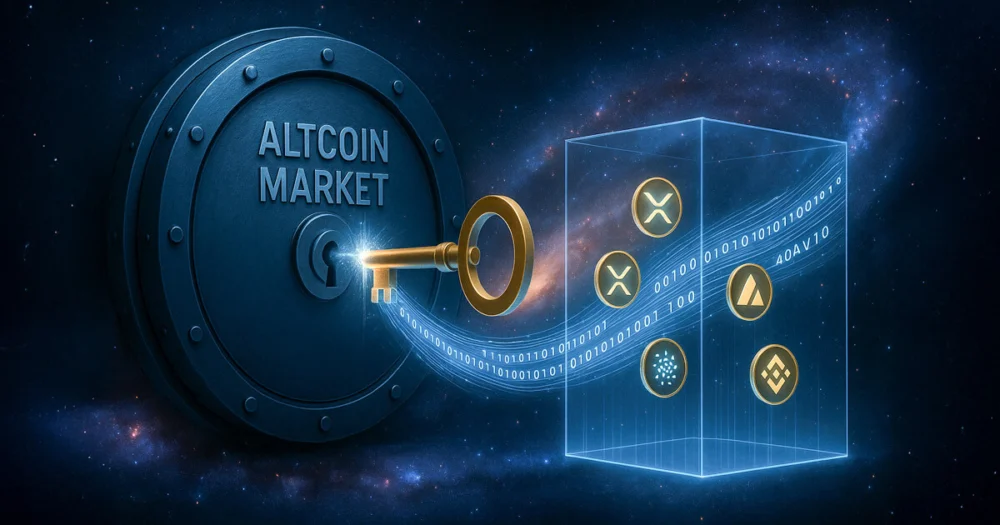
The European Union’s landmark Markets in Crypto-Assets (MiCA) regulation, fully enforced since June 2024, has ushered in a new era for the cryptocurrency industry, fundamentally reshaping its landscape by prioritizing regulatory compliance and bolstering user safety as a cornerstone for mainstream adoption. This regulatory shift is already manifesting in significant industry actions, such as major cryptocurrency exchanges proactively delisting stablecoins that do not meet the stringent new requirements, a move that signals a decisive step towards a more secure and transparent digital asset ecosystem. Industry analysts and participants widely agree that this regulatory maturation is not merely a compliance hurdle but a critical catalyst for the anticipated growth of the altcoin market throughout the remainder of 2024 and beyond.
The imperative for exchanges to adhere to evolving regulatory frameworks, coupled with the strategic withdrawal of non-compliant stablecoins, is setting the stage for substantial expansion in the altcoin sector. The long-term viability and maturation of altcoins within the European Union, and by extension, globally, will be intrinsically linked to the capacity of these regulated exchanges to innovate and adapt to the dynamic regulatory environment in the coming months.
The Regulatory Imperative: Navigating a Necessary Contraction
The delisting of non-compliant stablecoins, such as Tether (USDT) by Binance for its European operations in July 2024, represents only the initial wave of MiCA’s influence. The regulation imposes comprehensive operational requirements, enhances consumer protection measures, and strengthens anti-money laundering (AML) protocols across the digital asset space. This regulatory approach, designed to foster trust and security, stands in contrast to the lighter-touch regulatory environments being cultivated in market hubs like Singapore and Hong Kong, which aim to encourage innovation with more flexible restrictions.
The immediate aftermath of MiCA’s enforcement has presented certain challenges. The increased costs associated with regulatory compliance, alongside the potential for reduced trading volumes resulting from the delisting of certain assets, are expected to exert deflationary pressures on the industry in the short term. For instance, exchanges must invest significantly in legal, technological, and operational infrastructure to meet MiCA’s stringent requirements, including robust know-your-customer (KYC) procedures, capital adequacy requirements, and clear governance structures.
However, what may appear as a short-term contraction is widely regarded as an essential evolutionary step towards long-term sustainability and institutional integration. Exchanges are now at a critical juncture, facing a clear choice: adapt to the new regulatory paradigm or risk obsolescence. The central question remains whether the industry can successfully navigate this transition while simultaneously sustaining its growth trajectory and fostering innovation.
Counteracting Deflationary Pressures: The Altcoin Opportunity
The potential for significant growth within the altcoin market is emerging as a key strategy to counteract the deflationary effects of increased regulatory overhead. While major cryptocurrencies like Bitcoin have experienced significant price corrections from their all-time highs earlier in the year, and Ethereum’s performance has shown more stability, altcoins are poised to become the next major growth engine. This optimism is fueled by a shift in focus from speculative memecoins towards altcoins that offer tangible utility and real-world solutions.

The contrast with the speculative frenzy surrounding memecoins, often driven by social media hype rather than fundamental value, is stark. The fallout from events like the "Libra scandal" earlier in 2024, which involved a memecoin associated with political figures, has contributed to a cooling interest in purely speculative digital assets. This underscores a growing demand for cryptocurrencies with demonstrable use cases, robust ecosystems, and clear development roadmaps.
Market analysis suggests that the next bull cycle could see altcoins significantly outperforming Bitcoin, moving beyond the traditional pattern of simple asset rotation. Despite Bitcoin’s price dips, which saw it fall below the $80,000 mark at various points in 2024, many altcoins have experienced comparatively smaller declines and have not revisited their yearly lows. This resilience indicates reduced sell pressure and a strong potential for rallies driven by increased buying interest. Furthermore, growing institutional interest is a significant tailwind for altcoins. As large investors and corporations seek diversified exposure beyond Bitcoin and Ethereum, they are increasingly looking towards altcoins that offer innovative solutions and promising growth potential. This institutional adoption is predicated on the availability of regulated and secure trading environments.
Creativity Within Regulatory Boundaries: Building a Sustainable Market
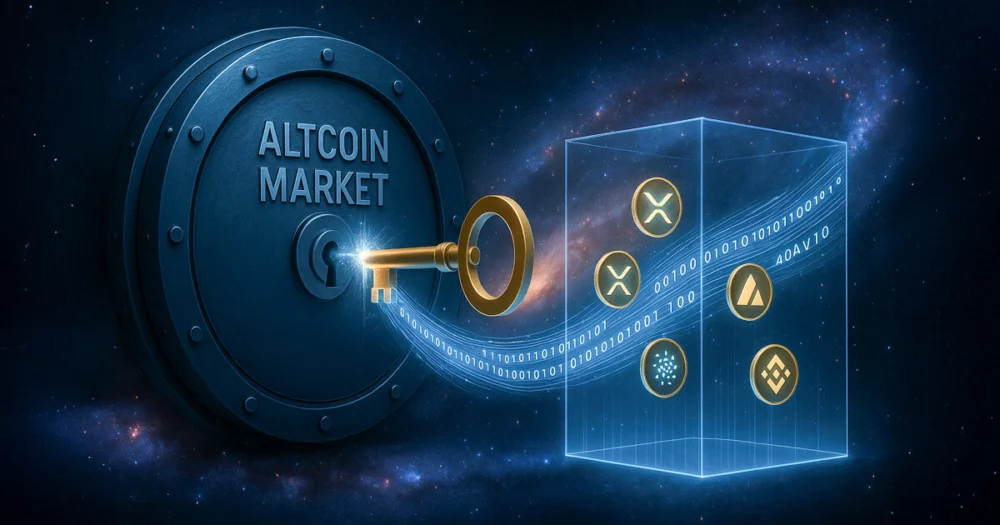
The realization of altcoins’ growth potential is contingent upon the establishment of stable and legally compliant trading conditions. Regulated exchanges are now critical enablers, providing the necessary infrastructure for projects to flourish within transparent markets. By adhering to regulations like MiCA, these platforms are moving beyond their traditional role as mere transaction facilitators to become integral components of a secure and sustainable digital asset ecosystem.
The widespread adoption of regulatory frameworks such as MiCA is no longer an aspirational goal but has become an industry standard. This standard lays the groundwork for the sustainable development of altcoins, ensuring that innovation occurs within a framework that prioritizes consumer protection and market integrity. By creating a safe environment for both investors and innovative projects, regulated exchanges are building the foundation for the long-term health of the crypto market and are attracting crucial institutional capital. This evolving landscape signifies the architecture of an entirely new market, where regulatory certainty is paramount.
The Dawn of Responsible Altcoin Growth
The European Union is rapidly solidifying its position as a leading global hub for cryptocurrency innovation and regulation. With frameworks like MiCA, the EU is actively fostering an environment that mitigates the risks associated with past speculative excesses, such as the memecoin debacles of recent years. The objective is to ensure that the impact of cryptocurrency is not only enduring but also demonstrably positive.
Within this evolving regulatory landscape, regulated exchanges are instrumental in creating the conditions for sustained crypto innovation. Their emphasis on legal clarity and the cultivation of a strong culture of compliance are vital. These exchanges provide the essential infrastructure that supports the development of altcoin initiatives with genuine utility and long-term potential. This ensures that the sector’s growth is underpinned by both investor confidence and market stability. The current period marks the beginning of a new era in the cryptocurrency market, with compliant exchanges at the vanguard, guiding the industry towards responsible and sustainable expansion. The influx of regulated entities and their commitment to compliance signals a maturation that is likely to attract further mainstream investment and broader adoption of digital assets.