admin
admin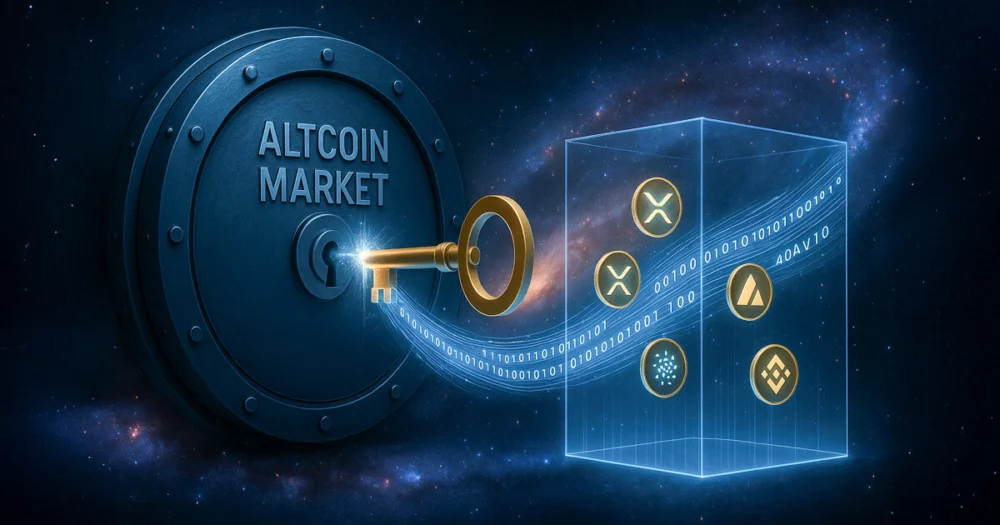
The genesis of this transformation can be traced back to growing concerns over investor protection and market integrity within the burgeoning cryptocurrency sector. For years, the decentralized nature of digital assets, while offering innovation and accessibility, also presented challenges related to transparency, security, and susceptibility to illicit activities. The European Union, recognizing the need for a robust and harmonized regulatory approach, developed MiCA as a comprehensive framework designed to address these very issues.
MiCA’s Impact: A New Dawn for Compliance and User Safety
The enforcement of MiCA signifies a move away from the largely unregulated Wild West of early crypto adoption towards a more structured and secure ecosystem. For cryptocurrency exchanges operating within the EU, this necessitates a significant overhaul of their operational protocols. Key areas impacted include:
- Enhanced Operational Requirements: Exchanges must now adhere to stricter guidelines regarding their governance, internal controls, and risk management procedures. This includes mandates for robust cybersecurity measures, secure asset custody, and clear procedures for handling customer complaints.
- Strengthened Consumer Protection: MiCA places a strong emphasis on safeguarding retail investors. Exchanges are required to provide clear, fair, and not misleading information about crypto-assets and associated risks. This extends to advertising and marketing practices, which must be transparent and avoid deceptive claims.
- Robust Anti-Money Laundering (AML) and Counter-Terrorist Financing (CTF) Protocols: In line with global financial regulations, MiCA mandates stringent AML/CTF measures for crypto-asset service providers. This involves enhanced customer due diligence (KYC), transaction monitoring, and reporting of suspicious activities to national authorities.
The proactive delisting of non-compliant stablecoins by major exchanges serves as a tangible demonstration of this regulatory pivot. For instance, the decision by platforms to remove stablecoins that do not meet MiCA’s stringent requirements for asset-backed tokens underscores a commitment to adhering to the new rules. This move, while potentially disruptive in the short term, is a crucial step towards building a more stable and trustworthy digital asset market. It signals to the broader market that compliance is no longer optional but a prerequisite for operating within regulated jurisdictions.
The Altcoin Season: A Confluence of Regulation and Innovation
The current regulatory landscape, spearheaded by MiCA, is strategically positioning the altcoin market for substantial growth. As compliance becomes ingrained in the operational fabric of exchanges, the focus is shifting towards fostering innovation and providing a secure environment for emerging digital assets. The long-term maturation of the altcoin market within the EU is intrinsically linked to the capacity of regulated exchanges to adapt and innovate within these new parameters.
While some market participants might view the increased regulatory burden and the associated costs as a form of "over-regulation" that could stifle innovation or lead to reduced trading volumes, the prevailing sentiment among industry leaders suggests a more optimistic outlook. The argument is that a necessary contraction in the short term will pave the way for sustainable, long-term growth. Exchanges that can successfully navigate this transition are poised to emerge stronger and more resilient.
The Strategic Advantage of Altcoins in a Regulated Market
The potential for significant growth in the altcoin market can be seen as a counterbalance to any deflationary pressures introduced by regulatory compliance. While major cryptocurrencies like Bitcoin and Ethereum often capture headlines, a new wave of altcoins is emerging, characterized by their focus on practical utility and real-world problem-solving. This contrasts sharply with the speculative nature of meme coins, whose value is primarily driven by social media hype and fleeting trends.
The recent cooling interest in meme coins, evidenced by events such as the "Libra scandal," highlights a growing investor sophistication and a desire for assets with tangible underlying value. Analysis suggests that the next market cycle could see altcoins not only rivaling but potentially surpassing Bitcoin’s dominance, moving beyond a simple rotation of assets.
Several factors contribute to this optimistic outlook for altcoins:
- Demonstrated Resilience: During recent market downturns, altcoins have exhibited comparatively smaller declines and have not reached new lows, suggesting reduced selling pressure and an increased potential for a rally fueled by renewed buying interest.
- Diversification Appeal: As institutional investors increasingly seek diversified exposure beyond Bitcoin and Ethereum, altcoins offer a compelling avenue for such strategies. The growing interest from institutional players underscores a belief in the long-term potential of a broader range of digital assets.
- Focus on Utility: The development of altcoins with strong ecosystems and practical applications is a key driver of their potential growth. These projects are building solutions that address real-world needs, fostering genuine adoption and long-term value creation.
However, this expansion potential is contingent upon a secure and stable trading environment. Regulated exchanges are now evolving from mere transaction facilitators to crucial gatekeepers of a sustainable future for the altcoin market. Their role extends beyond listing and trading to actively ensuring the integrity and safety of the ecosystem.
Navigating Innovation Within Regulatory Boundaries
The pursuit of altcoin growth hinges on the establishment of stable and legally sound trading conditions. Regulated exchanges provide the essential infrastructure for altcoin projects to flourish. By adhering to regulations such as MiCA, these platforms create transparent markets where innovation can thrive and widespread adoption can be achieved.
The implementation of MiCA is not merely an aspiration but is rapidly becoming the industry standard. This regulatory certainty provides a solid foundation for the sustainable development of altcoins. By prioritizing consumer protection and market integrity, regulated exchanges cultivate an environment that is attractive to both investors and innovative projects. This commitment to regulatory clarity is paramount for the long-term health of the crypto market and for attracting significant institutional capital. The current evolution of the crypto space is not solely about token price appreciation; it is about constructing the fundamental architecture of an entirely new financial market.
The EU’s Ascendancy as a Crypto Hub
The European Union is strategically positioning itself as a leading global hub for cryptocurrency, demonstrating progress that outpaces other major regions like North America and Asia, particularly in the realm of crypto banking services. Regulatory frameworks like MiCA are instrumental in cultivating an environment where the pitfalls of past speculative manias, such as those associated with meme coins, are mitigated. This ensures that the impact of cryptocurrency is not only enduring but demonstrably positive.
Within this evolving landscape, regulated exchanges are instrumental in creating the conditions necessary for crypto innovation to flourish. By emphasizing legal clarity and fostering a culture of compliance, they provide the essential infrastructure that supports the development of altcoin initiatives with genuine utility and long-term potential. This approach guarantees that the sector’s growth is underpinned by both confidence and stability. The current era signifies a paradigm shift, with compliant exchanges standing at the vanguard of responsible altcoin development and broader market maturation.
Looking Ahead: The Future of Regulated Altcoin Growth
The integration of robust regulatory frameworks with the inherent dynamism of the altcoin market presents a compelling future. The proactive stance of the EU, through MiCA, provides a blueprint for other jurisdictions seeking to balance innovation with investor protection. Exchanges that embrace this regulatory evolution will be best positioned to facilitate the next wave of growth in digital assets.
This transition requires a continuous dialogue between regulators, exchanges, and project developers. The ability of regulated exchanges to adapt their offerings, integrate new compliance technologies, and educate their user base will be critical. As the market matures, the focus will increasingly shift from purely speculative gains to the long-term value proposition of digital assets that offer tangible utility and contribute to the broader digital economy. The era of responsible altcoin growth has truly begun, and regulated exchanges are its indispensable architects.