admin
admin
The looming liquidation of altcoin holdings by the bankrupt cryptocurrency lender Celsius Network is poised to exert considerable pressure on the broader digital asset market, according to a detailed report released on July 10 by blockchain analytics firm Kaiko. This strategic move, approved by the court, involves converting a substantial portion of Celsius’s altcoin reserves into Bitcoin (BTC) and Ethereum (ETH), the two largest cryptocurrencies by market capitalization. This planned sell-off, estimated to involve tens of millions of dollars worth of altcoins, has raised concerns among market observers about potential price depreciation and liquidity strains across various digital asset segments.
Kaiko’s analysis highlights a significant decline in the liquidity of most altcoins held by Celsius over the past year. The report indicates that these digital assets have experienced drops in their market depth, a key metric reflecting the ease with which an asset can be bought or sold without significantly impacting its price, ranging from a modest 6% to a dramatic 84%. This erosion of liquidity suggests that any substantial selling pressure, such as that anticipated from Celsius’s liquidation, could lead to sharper price drops and increased volatility for these less liquid assets.
"The aggregated market depth for Celsius’s altcoin holdings has declined by 40% since 2022, totaling around $90 million in early July," the Kaiko report stated, underscoring the scale of the challenge facing Celsius’s liquidation process. This figure represents the total value of readily available buy and sell orders within a certain price range on exchanges, and a 40% decrease signifies a considerably thinner market for these assets.
Altcoin Liquidity Landscape: A Mixed but Concerning Picture
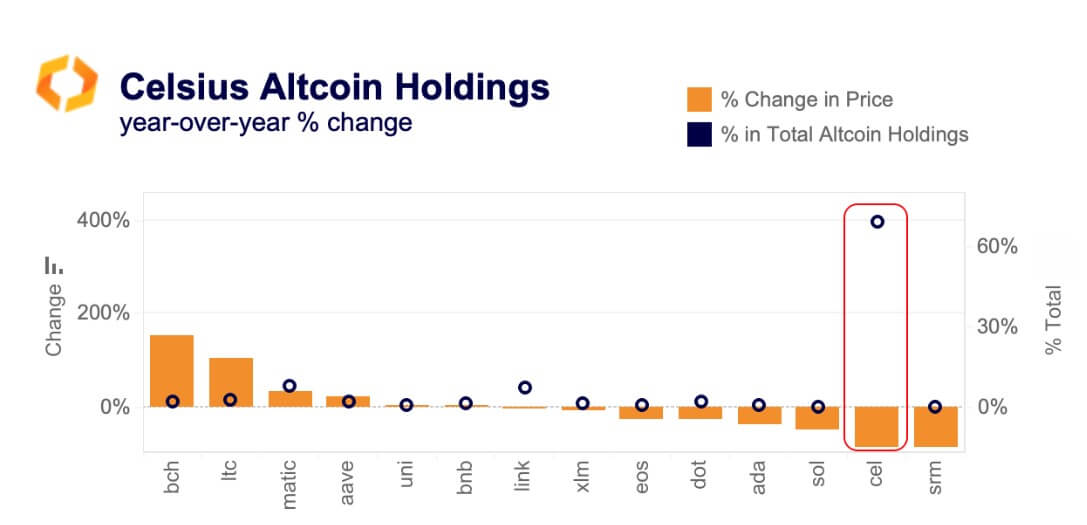
The Kaiko report delved into specific altcoins within Celsius’s portfolio, revealing a varied but generally downward trend in liquidity. While a majority of altcoins have seen their market depth shrink, a few exceptions illustrate the dynamic nature of the crypto market and the influence of external factors. Litecoin (LTC), Bitcoin Cash (BCH), Polygon (MATIC), and Aave (AAVE) were identified as cryptocurrencies that experienced more pronounced changes in their liquidity situations over the past year.

Notably, BCH and LTC saw a surge in their liquidity following the enablement of support by EDX Markets in June. EDX Markets, an institutional-grade cryptocurrency exchange backed by prominent traditional financial institutions such as Fidelity, Charles Schwab, and Citadel Securities, launched with the aim of catering to institutional investors. The inclusion of BCH and LTC on this platform likely contributed to increased trading activity and, consequently, improved liquidity for these specific assets. This development serves as a reminder that liquidity is not solely determined by the intrinsic characteristics of a cryptocurrency but also by its accessibility and adoption on various trading venues, particularly those favored by institutional players.
However, this positive development for a select few does not negate the broader trend of declining liquidity for many other altcoins within Celsius’s holdings. The overall picture painted by Kaiko suggests a market where many smaller-cap cryptocurrencies are becoming increasingly difficult to trade without causing significant price movements.
The Challenge of Liquidation: Slippage and Market Impact
Celsius’s total altcoin holding exceeds $90 million, a substantial sum that poses a significant challenge for orderly liquidation. The firm’s plan to convert these assets into Bitcoin and Ethereum will likely encounter considerable price slippage. Price slippage occurs when the executed price of a trade is different from the price at which the trade was initially intended to be executed. In a market with thin liquidity, large buy or sell orders can move the price considerably before the entire order is filled, resulting in a worse execution price for the trader.
Kaiko’s analysis further emphasized the geographical concentration of altcoin market depth. "More than 60% of altcoin market depth is concentrated on Binance and other offshore exchanges while 30% is on U.S. exchanges," the report revealed. This concentration implies that any large-scale liquidation efforts by Celsius will primarily impact liquidity on these major trading platforms. For offshore exchanges like Binance, which often have higher trading volumes and a wider range of listed altcoins, the impact might be absorbed more readily, though still significant. However, the 30% on U.S. exchanges suggests that American investors and traders could face more direct consequences in terms of price volatility and trading difficulties for affected altcoins.
The CEL Token: A Liquidity Crisis of Its Own
Perhaps the most striking aspect of Kaiko’s findings pertains to the liquidity of Celsius’s native token, CEL. The report states that "CEL token liquidity is almost non-existent," presenting a critical hurdle for Celsius’s liquidation strategy, as CEL constitutes nearly 65% of the bankrupt firm’s total altcoin holdings. This means that the company’s largest single altcoin asset is exceptionally difficult to sell.

The market depth for CEL has collapsed to a mere $30,000, with liquidity primarily concentrated on exchanges like OKX and Bybit. This extremely low liquidity means that even a relatively small sell order could cause a drastic price drop for the CEL token. Since Celsius filed for bankruptcy in July 2022, following a severe market downturn and liquidity crisis, interest in its native token has waned considerably. The CEL token, which once peaked at over $8 in 2021, has seen its value plummet to below $1, reflecting a severe loss of confidence and utility.
The implications of this near-total lack of liquidity for CEL are profound. Celsius will struggle to offload its substantial CEL holdings without incurring massive losses. This could lead to a situation where the token’s price is artificially suppressed, further deterring any potential buyers and exacerbating the challenges of recovery for Celsius creditors.
Background and Timeline of Celsius’s Downfall
Celsius Network, once a prominent player in the decentralized finance (DeFi) lending space, filed for Chapter 11 bankruptcy protection in July 2022. The company’s collapse was precipitated by a confluence of factors, including the broader cryptocurrency market downturn, a series of high-profile crypto project failures (such as the Terra/Luna ecosystem collapse), and alleged mismanagement of customer assets.
Founded in 2017, Celsius offered users high yields on their cryptocurrency deposits, positioning itself as a lucrative alternative to traditional banking. However, the firm’s business model relied heavily on complex strategies involving staking, lending, and investing customer funds in various DeFi protocols. As the market turned bearish in early 2022, these investments began to sour, leading to significant losses. The company’s inability to meet withdrawal requests in June 2022, just weeks before the bankruptcy filing, sent shockwaves through the crypto community and highlighted the precariousness of its financial situation.
The bankruptcy proceedings have been a lengthy and complex process, involving extensive legal battles and negotiations over asset recovery and distribution. The court’s approval of Celsius’s plan to liquidate its altcoin holdings represents a significant step towards winding down the company’s operations and attempting to provide some form of recovery for its creditors.
Broader Market Implications and Analysis
The impending liquidation by Celsius is not an isolated event but rather a factor that could contribute to broader market pressures. Several key implications arise from this situation:
- Altcoin Price Depreciation: The large-scale sell-off of altcoins, particularly those with already diminished liquidity, could lead to significant downward price pressure. This could create a ripple effect, dragging down the prices of correlated assets and potentially triggering further liquidations if other leveraged positions are affected.
- Increased Volatility: The crypto market is known for its volatility, and a substantial influx of sell orders for less liquid assets can exacerbate price swings. This increased volatility can deter new investors and make it more challenging for existing holders to manage their portfolios.
- Impact on Retail Investors: Many retail investors may hold some of the altcoins that Celsius plans to liquidate. A significant price drop could result in substantial losses for these individuals, who may have entrusted their savings to platforms like Celsius in pursuit of higher returns.
- Testing Market Resilience: The crypto market has weathered numerous challenges, including past bankruptcies and market downturns. The Celsius liquidation will serve as a test of the market’s resilience and its ability to absorb large sell-offs without succumbing to a systemic crisis.
- Focus on Centralized Lender Risk: The Celsius saga, along with other similar events involving centralized crypto lenders, underscores the inherent risks associated with entrusting digital assets to third-party platforms. It reinforces the importance of due diligence, understanding the underlying business models of these entities, and considering the benefits of self-custody for certain assets.
While the immediate impact of Celsius’s liquidation on Bitcoin and Ethereum might be somewhat buffered by their superior liquidity and market capitalization, the pressure on the altcoin market is expected to be more pronounced. The success of Celsius’s liquidation will depend heavily on the execution strategy, the prevailing market conditions at the time of sale, and the ability to find buyers without causing excessive price disruption. The outcome of this process will be closely watched by the entire cryptocurrency ecosystem as it navigates the complexities of institutional asset management and market recovery.