admin
admin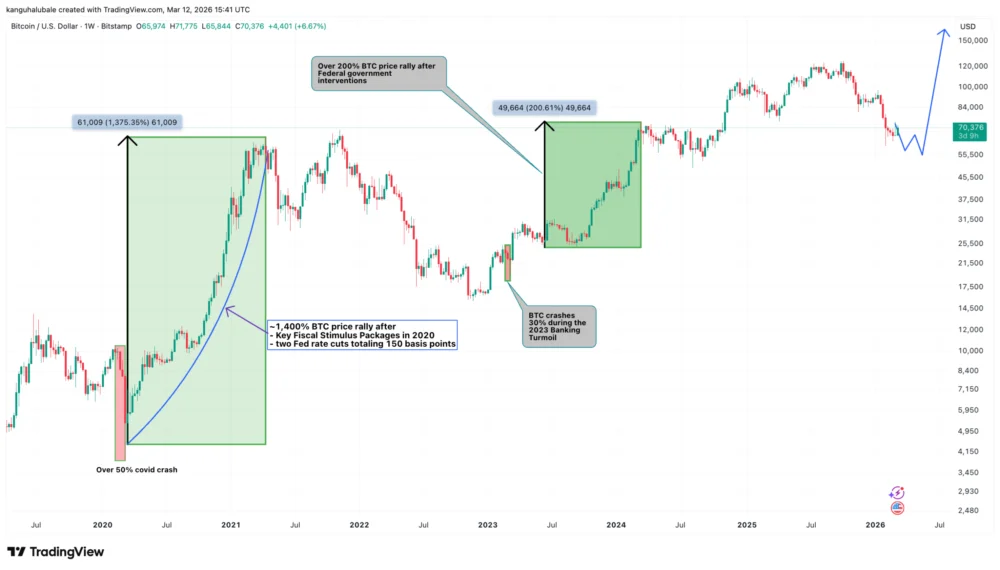
A growing risk stemming from a looming crisis within the burgeoning private credit market, characterized by an alarming surge in redemptions and defaults, poses a significant threat of contagion that could extend into Bitcoin (BTC) and the wider cryptocurrency ecosystem, according to various market analysts and financial institutions. This opaque, rapidly expanding sector, which has quadrupled in size over the past five years, is now flashing critical warning signs that echo historical financial instability.
The Rise and Opaque Nature of Private Credit
The private credit sector refers to non-bank lending, where institutional investors directly provide financing to companies, often those deemed too small or complex for traditional bank loans, or those seeking more flexible financing terms. Over the last five years, this segment of the financial market has experienced an explosive growth trajectory, ballooning from approximately $500 billion to an astounding $2 trillion in assets under management. This rapid expansion was primarily fueled by a prolonged period of ultra-low interest rates following the 2008 global financial crisis, which drove investors to seek higher yields in less conventional asset classes. Additionally, increased regulatory scrutiny on traditional banks post-2008 led many businesses to explore alternative financing avenues, further propelling the private credit market’s ascent.
Unlike highly regulated traditional banking, the private credit sector operates with significantly less oversight and transparency. Its bespoke nature, characterized by privately negotiated loans and a lack of public disclosure requirements, makes it inherently more opaque. This opacity, while offering flexibility, also presents challenges for regulators and investors attempting to assess systemic risks. The assets within these funds are often illiquid, meaning they cannot be easily or quickly sold without a substantial loss in value, a characteristic that becomes particularly problematic during periods of investor outflows.
Mounting Warning Signs and Institutional Actions
Concerns about the stability of the private credit market have not emerged suddenly. As early as April 2024, the International Monetary Fund (IMF) issued a cautionary statement, urging a "closer watch" on the sector. The IMF specifically highlighted that the "rapid growth of this opaque and highly interconnected segment of the financial system could heighten financial vulnerabilities given its limited oversight." This official warning underscored the potential for systemic risk if the sector’s challenges were to escalate.

Recent developments confirm these growing anxieties, revealing tangible cracks in the market’s facade. BlackRock, the world’s largest asset manager with an impressive $10 trillion under management, recently moved to limit withdrawals from one of its flagship private credit funds, reportedly valued at $26 billion. Such a move by an institution of BlackRock’s stature is a significant indicator of stress, signaling a potential liquidity crunch where the fund struggles to meet redemption requests without being forced into fire sales of its underlying illiquid assets.
Following BlackRock’s action, other major players in the private credit space have also faced difficulties. Blue Owl Capital, another prominent asset manager, reportedly halted redemptions in some of its funds, particularly those exposed to the software sector, which has experienced headwinds from rapidly evolving technological disruptions, including the rise of artificial intelligence. Furthermore, Swiss banking giant UBS has issued stark warnings, suggesting that default rates in the private credit market could soar to as high as 15% in worst-case scenarios. Such a default rate would represent a severe blow to the sector’s profitability and stability, potentially triggering a cascade of failures.
The distress signals continued with JPMorgan reportedly restricting new lending to its private credit funds, a move indicative of increased caution from a major banking institution. Morgan Stanley and Cliffwater Private Credit Fund have also joined the growing list of asset managers experiencing heightened distress, further cementing the perception of widespread vulnerability across the sector. These actions collectively paint a picture of a market under significant pressure, grappling with liquidity challenges and deteriorating asset quality.
Historical Parallels and Expert Alarms
The escalating situation has drawn comparisons to past financial crises, particularly the events leading up to the 2008 global financial meltdown. Jeffrey Gundlach, the renowned "Bond King" and founder of DoubleLine Capital, recently articulated a chilling parallel. He observed that the structure of private credit fund-of-funds in 2026 closely mirrors that of CDO-squared instruments in early 2007. Collateralized Debt Obligations (CDOs) and their more complex "squared" iterations were pivotal components of the subprime mortgage crisis, bundling and repackaging various debt instruments, often with hidden risks, which ultimately led to widespread defaults and systemic collapse. Gundlach’s comparison serves as a stark reminder of the dangers inherent in complex, opaque financial products with limited transparency.
Market analyst MartyParty further underscored the gravity of the situation, stating on X (formerly Twitter) that "Financial repression is incoming." He attributed the current problems to the private credit sector’s explosive growth in the absence of adequate liquidity management during periods of investor outflows. MartyParty presented a binary choice for policymakers: "Either the Fed injects liquidity, or we go into crisis." This statement highlights the precarious position central banks find themselves in, caught between the need to maintain financial stability and the desire to curb inflation.
Macroeconomic Headwinds Exacerbating the Crisis

The current challenges in the private credit market are not isolated but are exacerbated by a complex interplay of global macroeconomic uncertainties. Ongoing geopolitical conflicts, such as those in Eastern Europe and the Middle East, contribute to market instability, disrupting supply chains, increasing commodity prices, and dampening investor confidence. These factors directly impact the operational environment and profitability of the companies that are borrowers in the private credit market, increasing their risk of default.
Furthermore, the persistent inflation seen across major economies has forced central banks, particularly the U.S. Federal Reserve, to adopt a "higher for longer" interest rate policy. This stance stands in stark contrast to the low-rate environment that initially fueled the private credit boom. Higher interest rates increase the borrowing costs for companies, straining their ability to service existing debts and making new financing more expensive. This pressure on borrowers directly translates into increased default risks for private credit lenders. Futures markets reflect this reality, currently pricing in less than a 1% chance of a Fed rate cut at the upcoming March 18 FOMC meeting, signaling that monetary easing is not imminent, thus prolonging the strain on leveraged companies.
The Bitcoin and Crypto Nexus: Initial Shock, Subsequent Rally?
The implications of a private credit crisis extend beyond traditional finance, creating a direct potential impact on Bitcoin and the broader cryptocurrency markets. While withdrawal limitations directly affect the private credit ecosystem, their ripple effects are significant for liquid assets.
Crypto investor Paul Barron succinctly summarized this interconnectedness, noting on X that "When giants like Blackrock lock the gates on private funds, it signals a ‘liquidity crunch.’ Investors stuck in private credit might sell their ‘liquid’ assets (Bitcoin/ETH) to raise cash elsewhere." This analysis points to a critical mechanism: if investors cannot access their funds from illiquid private credit portfolios, they are compelled to liquidate other, more accessible assets to meet their financial obligations or manage their overall portfolio risk. Given Bitcoin’s 24/7 trading availability and high liquidity compared to many other digital assets, it often serves as one of the first "pressure valves" for institutional and large retail investors seeking to raise cash quickly.
Historical patterns support this hypothesis. During the initial shock of the COVID-19 pandemic in March 2020, Bitcoin’s price plummeted by 50% as global markets priced in the looming economic crisis. Investors across asset classes sold off positions to secure liquidity, and cryptocurrencies, then considered a riskier asset, were not spared. Similarly, during the regional banking turmoil in the U.S. in March 2023, Bitcoin initially experienced a sell-off amidst contagion fears.
However, these initial sharp declines in Bitcoin’s value often precede significant government and central bank interventions. Faced with the threat of systemic collapse, authorities typically resort to emergency liquidity injections, quantitative easing, and interest rate cuts. These measures, aimed at averting a broader financial catastrophe, tend to devalue fiat currencies and encourage a flight to alternative assets, including those perceived as scarce or outside the traditional financial system.

The post-COVID-19 market response provides a compelling illustration. Following the Fed’s aggressive actions to inject liquidity and cut rates, Bitcoin staged an extraordinary rally, soaring by 1,400% from its March 2020 low of around $4,400 to reach its then-all-time high of $69,000 by year-end. Likewise, after the initial sell-off during the March 2023 banking crisis, Bitcoin rallied by more than 200% as markets began to price in a pause in Fed rate hikes, signaling a potential shift towards a more accommodative monetary policy.
This historical correlation suggests a paradoxical outcome for Bitcoin in the event of a severe private credit crisis. While an initial "liquidity crunch" might trigger a sharp sell-off, the subsequent governmental and central bank responses—namely, monetary expansion and stimulus—could ultimately fuel another significant rally for BTC, potentially pushing its price to new highs. BitMEX co-founder Arthur Hayes, a prominent voice in the crypto space, has famously predicted that Bitcoin’s price could reach $250,000 once the Federal Reserve loosens its monetary policy, further reinforcing the idea that an easing cycle, potentially necessitated by a crisis, could be a major catalyst for crypto.
Regulatory Implications and Future Outlook
The unfolding situation in the private credit market underscores the critical need for increased regulatory scrutiny. The IMF’s earlier warning about limited oversight now appears prescient. If the crisis deepens, it is highly probable that regulators will move to implement stricter transparency requirements, capital adequacy standards, and reporting obligations for private credit funds, similar to those imposed on traditional banks after the 2008 crisis. The debate will center on how to balance fostering financial innovation and access to capital with safeguarding systemic stability.
For Bitcoin and the wider crypto market, the private credit crisis presents a complex duality. In the short term, it could act as a significant headwind, forcing deleveraging and a flight to cash as investors scramble for liquidity. However, in the medium to long term, if the crisis compels central banks to revert to expansive monetary policies, Bitcoin could once again emerge as a beneficiary, perceived as a hedge against inflation and a store of value in an environment of increasing fiat currency debasement. The private credit market, once a darling of high-yield investors, now stands as a potential harbinger of a broader financial recalibration that could profoundly reshape asset markets, including the volatile yet resilient world of cryptocurrency.