admin
admin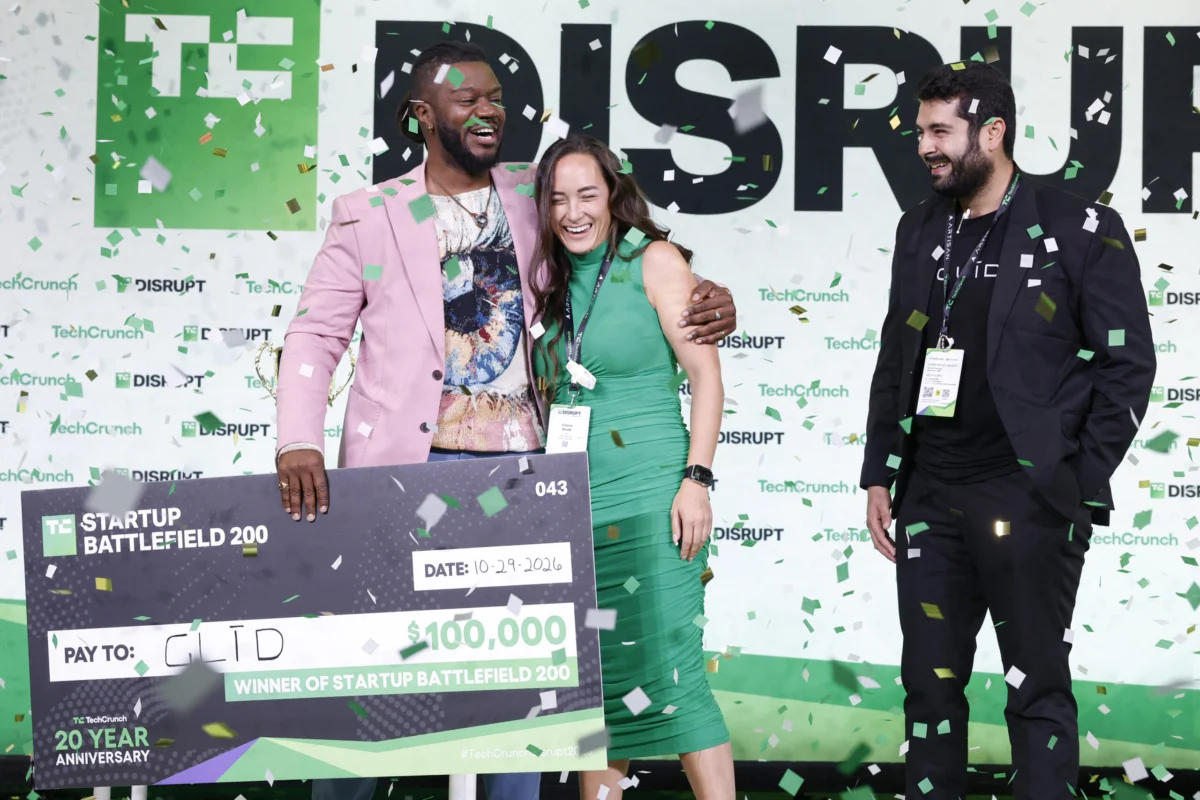
The window for early-stage entrepreneurs to secure a position in one of the technology industry’s most prestigious launchpads is rapidly closing, with the final deadline for the Startup Battlefield 200 set for May 27. This program, hosted annually by TechCrunch, serves as a high-stakes arena for pre-Series A startups to gain unprecedented access to venture capital, global media visibility, and a chance to compete for a $100,000 equity-free grand prize. As the submission period enters its final week, organizers are urging founders who are building disruptive technologies to finalize their applications to avoid the typical last-minute surge that characterizes the end of the selection cycle.
The Startup Battlefield 200 is not merely a pitch competition; it is a comprehensive accelerator experience designed to identify the most promising 200 early-stage companies from across the globe. Selected startups are invited to exhibit at TechCrunch Disrupt, where they receive a dedicated space on the show floor, access to exclusive masterclasses, and the opportunity to pitch their products in front of a live audience of over 10,000 attendees, including top-tier venture capitalists and international media outlets.
The Evolution of Startup Battlefield and the Battlefield 200
Historically, the Startup Battlefield was a smaller, more exclusive competition that focused on a handful of companies. However, in recent years, the program evolved into the "Battlefield 200" to provide a broader range of startups with the benefits of the TechCrunch platform. This expansion reflects the growing complexity and diversity of the global startup ecosystem, acknowledging that innovation is no longer confined to traditional tech hubs.

The program has a storied history of identifying companies that go on to define entire categories of technology. Some of the most recognizable names in the digital economy today began their journey on the Battlefield stage. Dropbox, for instance, demonstrated its file-syncing software to a room of skeptics long before cloud storage became a household utility. Cloudflare utilized the platform to introduce edge networking concepts at a time when the infrastructure of the internet was far less understood by the general public. Discord, now a cornerstone of digital community building, first appeared under its original company name, Hammer & Chisel.
Other notable alumni include Fitbit, which pioneered the wearable fitness tracker market; Trello, which revolutionized collaborative project management; and Mint, the service that simplified personal finance for millions. The track record of the program serves as a powerful testament to its role as a primary filter for venture-scale innovation. To date, Battlefield alumni have collectively raised more than $32 billion in follow-on funding and have generated over 250 exits, including acquisitions by industry titans such as Microsoft, Google, Salesforce, Uber, and Amazon.
Selection Criteria and Program Mechanics
The selection process for the Startup Battlefield 200 is rigorous, focusing on fundamental innovation rather than mere "polish." According to the program’s guidelines, the editorial and expert teams at TechCrunch look for startups that demonstrate the potential for meaningful, rather than incremental, impact.
The eligibility requirements are specifically tailored to early-stage ventures. Most participating companies are in the pre-Series A stage, though Series A startups may be considered on a case-by-case basis if they can demonstrate that the exposure provided by Disrupt would be transformative for their trajectory. Key criteria include:

- Minimum Viable Product (MVP): Startups must have a functional prototype or product that can be demonstrated to judges.
- Early Traction: Evidence of market interest, whether through user growth, pilot programs, or initial revenue, is highly valued.
- Scalability: The business model must show a clear path toward large-scale operations and category leadership.
- Disruptive Potential: The core technology or service must challenge existing market paradigms or create entirely new ones.
The $100,000 prize is particularly notable because it is equity-free. In an era where venture capital terms can be stringent and dilutive, non-dilutive capital allows founders to fuel their growth without sacrificing ownership at a critical early stage. For many winners, this funding serves as a bridge to a larger seed or Series A round, providing the necessary runway to refine their product based on the feedback received during the competition.
The 2024-2025 Startup Ecosystem Context
The upcoming Startup Battlefield 200 arrives at a pivotal moment for the global venture capital landscape. Following the "growth at all costs" era of 2021 and the subsequent market correction in 2023, investors have become significantly more discerning. There is a renewed focus on "hard tech," sustainability, artificial intelligence with clear utility, and startups that demonstrate a path toward profitability.
In this environment, being selected for the Battlefield 200 acts as a critical signal to the investor community. For venture capitalists, the cohort represents a pre-vetted pool of high-potential deals. For founders, the program offers a concentrated environment where they can secure months’ worth of investor meetings in just three days. The "Battlefield effect" often results in immediate post-event interest, with many participants reporting that their presence on the Disrupt stage was the catalyst for their first major institutional investment.
Furthermore, the program provides "flash mentoring" and editorial training. Founders are coached on how to distill complex technical concepts into compelling narratives—a skill that is essential for both fundraising and customer acquisition. This educational component ensures that even those who do not win the grand prize leave the event with a stronger foundation for their business.

Global Impact and Industry Breadth
The Startup Battlefield 200 is industry-agnostic and global in scope. Recent cohorts have included startups from every inhabited continent, covering sectors as diverse as biotech, fintech, agtech, space exploration, and generative AI. This diversity is a core strength of the program, as it allows for cross-pollination of ideas and provides a snapshot of where global capital is likely to flow in the coming decade.
The program also highlights the increasing trend of alumni-to-alum acquisitions. A notable example occurred in 2021 when Dropbox acquired fellow Battlefield alum DocSend for $165 million. This internal ecosystem of successful companies underscores the long-term value of the Battlefield network, which extends far beyond the initial competition dates.
Final Countdown: Instructions for Applicants and Nominators
With the May 27 deadline looming, the application process is the immediate priority for founders. TechCrunch also allows for third-party nominations, enabling investors, mentors, or colleagues to recommend startups they believe are deserving of the spotlight. Once a startup is nominated, the founders are notified and must complete their own application to be considered for the final 200.
The application itself is often described by founders as a valuable exercise in business clarity. It requires a detailed explanation of the problem being solved, the technical novelty of the solution, the competitive landscape, and the team’s ability to execute. For those who have already started their applications, the advice from previous participants is consistent: do not wait for the final hours. Technical glitches or high traffic on the submission portal can pose risks to those who delay.

Broader Implications for the Tech Industry
The success of the Startup Battlefield 200 reflects a broader trend in the technology industry where "live" validation is reclaiming its importance. While digital networking remains prevalent, the ability to demonstrate a physical or software product in person to a concentrated group of decision-makers remains a powerful differentiator.
As the tech sector continues to grapple with rapid shifts in AI and the ongoing transition to a green economy, platforms like the Battlefield 200 serve as a vital barometer for innovation. They provide a glimpse into the "scrappy" phase of companies that may one day become the giants of the S&P 500. For the 200 companies selected this year, the journey beginning on the Disrupt stage represents more than just a chance at a cash prize; it is a formal entry into the upper echelons of the global tech community.
Founders who miss the May 27 deadline will have to wait until the next annual cycle to apply. Therefore, the current week represents a critical juncture for any early-stage team looking to accelerate their growth and secure their place in the next generation of tech leaders. The message from the organizers is clear: the most consequential companies rarely start with a polished facade, but they all start with a decision to take the stage.