admin
admin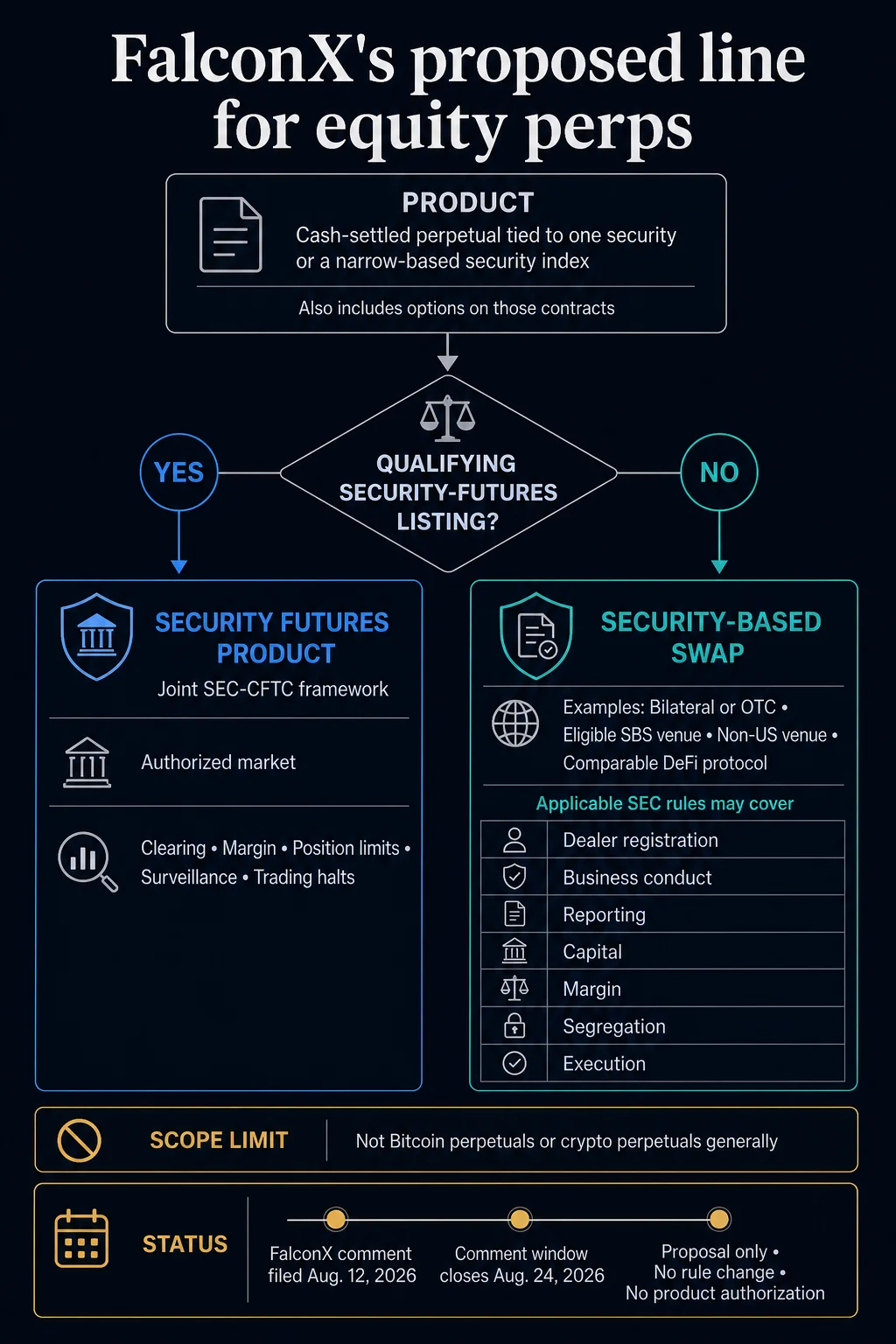
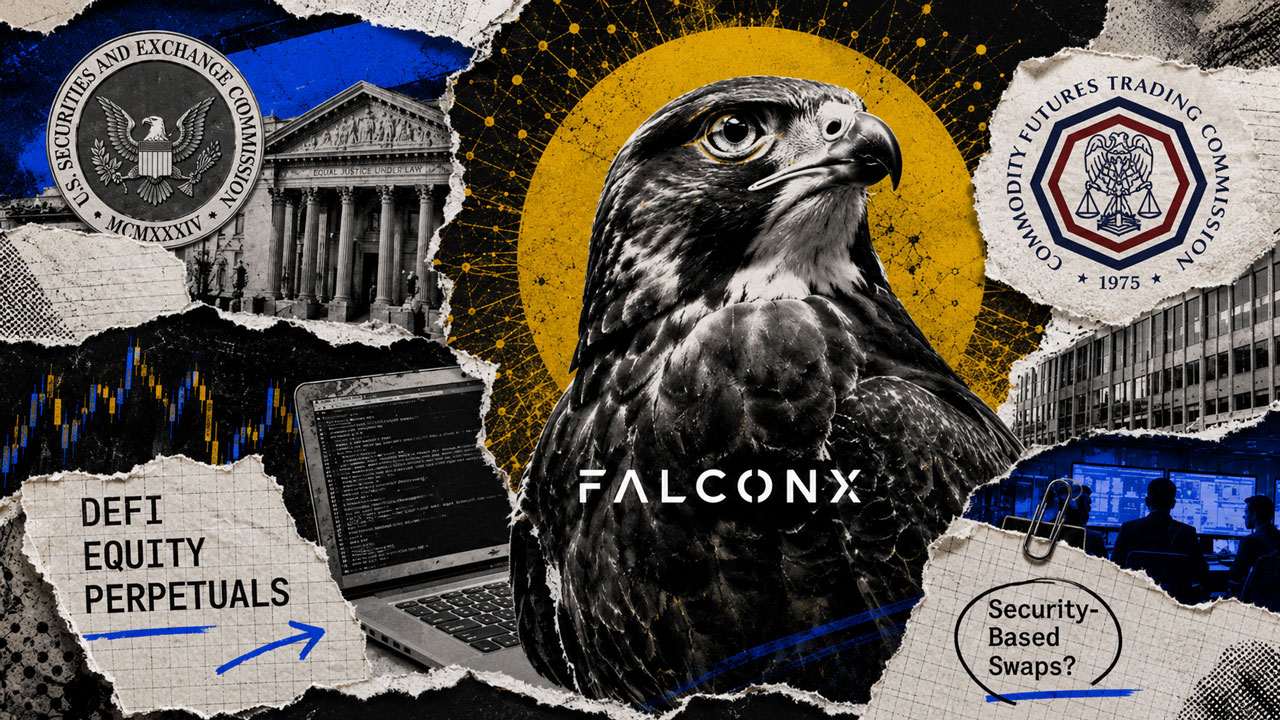
FalconX Bravo, a prominent player in the digital asset trading landscape and a registered swap dealer with the Commodity Futures Trading Commission (CFTC), has formally petitioned the U.S. Securities and Exchange Commission (SEC) and the CFTC to classify cash-settled perpetual contracts tied to individual securities or narrow-based security indices as "security-based swaps" under SEC regulations. This proposal specifically aims to bring such instruments, particularly those offered through decentralized finance (DeFi) protocols, under the purview of the SEC’s regulatory framework, provided they fall outside the existing joint SEC-CFTC security-futures framework. The submission, dated August 12, represents a significant move towards clarifying the regulatory treatment of increasingly complex financial products emerging from the intersection of traditional finance and the burgeoning digital asset ecosystem.
The Regulatory Conundrum of Equity-Linked Perpetuals
At the heart of FalconX Bravo’s proposal lies the classification of cash-settled perpetual contracts that derive their value from a single underlying stock or a tightly defined basket of stocks (a narrow-based security index). Currently, such contracts can fall under different regulatory regimes depending on their structure and the venue where they are offered. If a contract is designed and listed as a security futures product on a market authorized by both the SEC and CFTC, it remains within the established joint regulatory framework. This framework provides a suite of protections, including market surveillance, position limits, clearing requirements, margin rules, and trading halt mechanisms, all designed to safeguard the integrity of the underlying security or index.
However, FalconX Bravo’s petition highlights a growing segment of the market where similar perpetual contracts are offered outside this joint regime. This includes over-the-counter (OTC) bilateral transactions, contracts offered on platforms authorized for security-based swaps, offerings by non-U.S. venues, and crucially, comparable contracts originating from DeFi protocols. The firm argues that these instruments, when linked to equities or equity indices, bear the characteristics of security-based swaps and should therefore be regulated as such by the SEC. This distinction is critical, as SEC oversight carries a distinct set of requirements for market participants, including registration as a security-based swap dealer, adherence to business conduct standards, transaction reporting obligations, capital requirements, and margin and segregation rules. For trading platforms, SEC classification could also trigger requirements under the security-based swap execution framework, depending on their operational structure and any applicable mandates for clearing or execution.
It is important to note that FalconX Bravo’s proposal does not extend to perpetual contracts based on cryptocurrencies like Bitcoin. The firm’s focus is specifically on those equity-linked derivatives. This targeted approach underscores the nuanced differences in how regulators perceive and wish to oversee different asset classes within the digital asset space.
A Timeline of Regulatory Engagement
The current regulatory discussion around equity-linked perpetuals has been evolving. The CFTC, in a policy statement issued in June, acknowledged the distinct regulatory questions posed by equity and narrow-index products, signaling a willingness to review them separately from other asset classes. This paved the way for firms like FalconX Bravo to present their specific proposals.
The comment period for the relevant SEC docket, which closes on August 24, has seen other submissions. One notable comment was filed on August 21 by independent researcher Amadeus Brandes. Brandes recommended the continuation of the existing "mixed-swap" process, advocating for enhanced protections that specifically address risks inherent in these products, such as insider information, market manipulation, leverage, and funding-rate volatility. While both FalconX Bravo’s proposal and Brandes’ recommendation are now before the agencies, it is crucial to understand that neither submission constitutes an immediate policy change. The closing of the comment docket does not automatically alter jurisdictional rules, authorize any specific product, or commit either regulator to a particular course of rulemaking. The agencies will now deliberate on the submitted comments and their own internal analyses before any potential policy adjustments are made.
FalconX Bravo’s Rationale and Proposed Solution
FalconX Bravo’s submission is driven by a desire to bring clarity and regulatory consistency to a rapidly evolving market segment. The firm emphasizes that its proposal is not intended to impose blanket registration requirements on all DeFi protocol developers or traders. Instead, the dealer status and associated duties would depend on the specific role of the participant and the nature of the transaction. This suggests a pragmatic approach, aiming to regulate the entities and activities that pose the most significant systemic risk.
The company’s filing includes a detailed diagram illustrating its proposed regulatory pathways for cash-settled equity perpetuals. This visual aid clearly delineates how contracts would be treated either as security-futures products under the joint regime or as security-based swaps under SEC oversight, depending on their qualification. This transparency in outlining the proposed framework is a key aspect of the petition, aiming to facilitate a clear understanding for both regulators and market participants.
Addressing Duplicative Regulatory Burdens
Beyond the core classification issue, FalconX Bravo also seeks to streamline regulatory processes for firms already operating under dual oversight. The company has proposed an amendment to Rule 18a-10, which governs security-based swap dealers. Specifically, FalconX Bravo advocates for an increase in the combined notional threshold for alternative compliance from 10% to 49%. This adjustment aims to reduce duplicative reporting and compliance burdens for firms that are already subject to significant oversight by the CFTC. The proposal retains the fixed-dollar cap, SEC registration and oversight, and essential requirements not covered by the proposed relief, indicating a balanced approach to regulatory efficiency and investor protection.
Implications for the Digital Asset Market
The outcome of FalconX Bravo’s petition could have significant implications for the future of digital asset derivatives trading.
- Increased Regulatory Clarity: A clear regulatory framework for equity-linked perpetuals would reduce uncertainty for both institutional investors and DeFi protocol developers. This clarity can foster greater confidence and encourage further innovation within the regulated space.
- Enhanced Investor Protection: Bringing these products under SEC oversight could introduce a stronger layer of investor protection, addressing concerns related to market manipulation, fraud, and systemic risk. This aligns with the broader regulatory trend of ensuring that financial innovation does not outpace investor safeguards.
- Impact on DeFi Protocols: DeFi protocols offering equity-linked perpetuals would need to assess their compliance obligations under the SEC’s framework. This could lead to either greater adoption of regulatory best practices by these protocols or a shift in their offerings to avoid SEC jurisdiction. The mention of comparable DeFi protocols in the filing suggests a direct engagement with the challenges and opportunities presented by decentralized finance.
- Market Integrity: By subjecting these instruments to robust regulatory oversight, the proposal aims to enhance the integrity and stability of the broader financial markets, including the increasingly interconnected digital asset ecosystem. The move reflects a growing recognition that the lines between traditional finance and digital assets are blurring, necessitating a coordinated regulatory response.
- Global Regulatory Alignment: As the digital asset market is inherently global, the regulatory decisions made in the U.S. can influence international regulatory approaches. A clear stance from the SEC and CFTC on equity-linked perpetuals could provide a blueprint for other jurisdictions grappling with similar issues.
Supporting Data and Market Context
The market for perpetual futures, a product that allows trading with no expiry date, has exploded in popularity within the cryptocurrency space. These instruments offer high leverage and are attractive to traders seeking to speculate on price movements without holding the underlying asset. While initially dominant in crypto, the concept has begun to extend to traditional asset classes, including equities and indices. This expansion is driven by the demand for more sophisticated trading tools and the desire to access global markets more efficiently.

The estimated global market for derivatives is in the trillions of dollars, and while digital asset derivatives are a smaller segment, their growth rate has been extraordinary. The specific market size for equity-linked perpetuals offered outside traditional regulated exchanges is harder to quantify due to the decentralized and often opaque nature of DeFi. However, the increasing number of platforms offering such products and the significant trading volumes observed on some of these venues indicate a substantial and growing market. FalconX Bravo’s own business, as a registered swap dealer focused on digital assets, suggests a significant client base engaged in these types of sophisticated trading activities.
The regulatory response from agencies like the SEC and CFTC is a critical component in shaping the future trajectory of these markets. Their decisions will influence not only the types of products available to investors but also the level of risk that participants are exposed to. The current proposal from FalconX Bravo is a proactive step towards ensuring that the innovation in digital asset derivatives is accompanied by appropriate regulatory safeguards.
Broader Impact and Future Outlook
The petition by FalconX Bravo underscores a critical juncture for the digital asset industry and its relationship with traditional financial regulation. As the industry matures, the need for clear, consistent, and comprehensive regulatory frameworks becomes paramount. The SEC’s response to this proposal, alongside other comments submitted to the docket, will be closely watched by market participants, regulators, and policymakers worldwide.
The move towards classifying these instruments as security-based swaps, if adopted, would signify a significant step in integrating digital asset derivatives into the existing regulatory architecture of traditional finance. This integration, while potentially adding compliance burdens, could also unlock greater institutional participation and foster a more stable and trustworthy market environment. The ongoing dialogue between innovative firms like FalconX Bravo and regulatory bodies like the SEC and CFTC is essential for navigating the complexities of this rapidly evolving financial landscape. The outcome of this process will undoubtedly shape the future of equity-linked perpetuals and broader digital asset derivatives trading for years to come.