admin
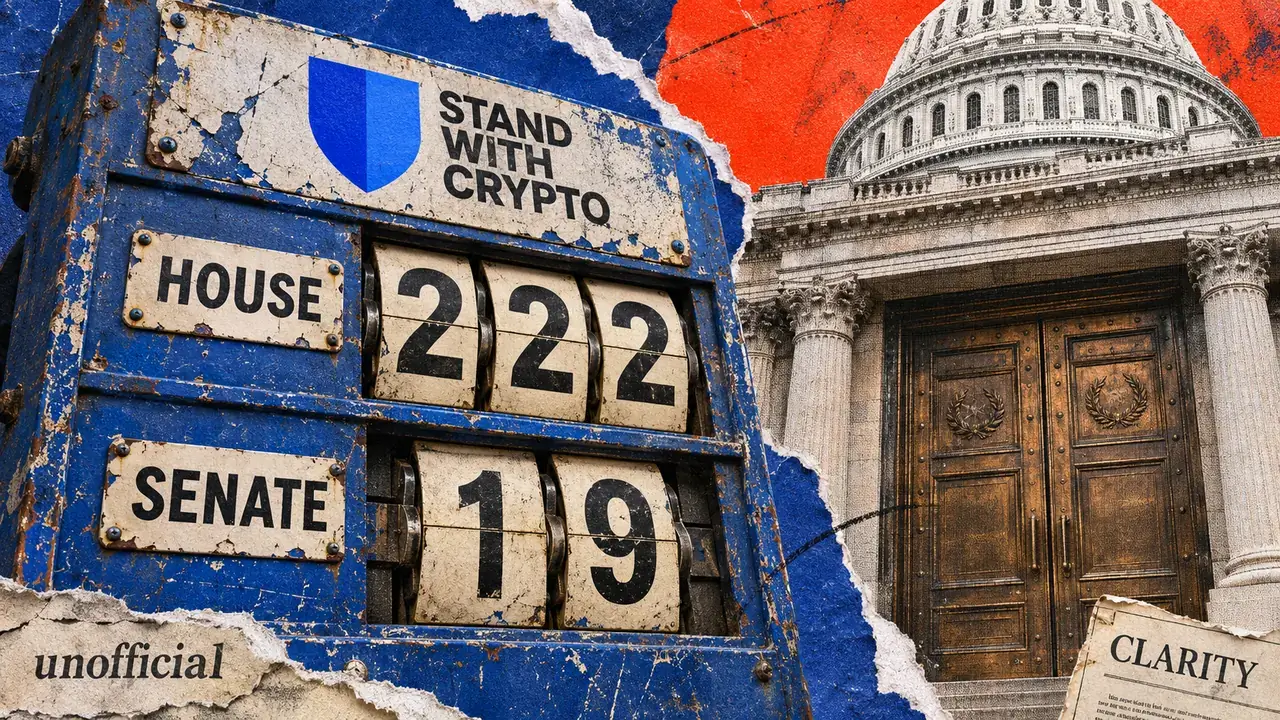
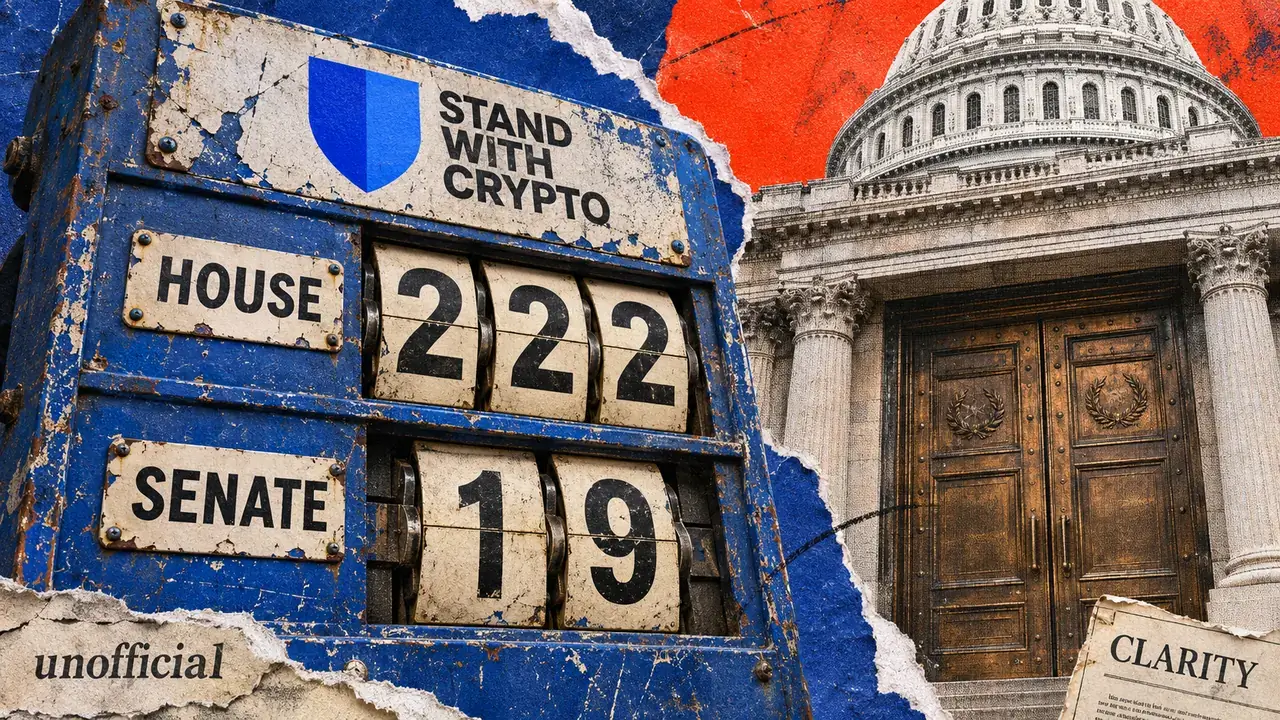
The recent election cycle has seen a notable surge in candidates identified as "pro-crypto" by advocacy groups, with the latest unofficial tallies suggesting a significant number of these individuals have secured seats in both the House of Representatives and the Senate. Stand With Crypto (SWC), a prominent advocacy organization, released its election scorecard on November 4, 2026, indicating that 222 House candidates and 19 Senate candidates it rates as favorable to the cryptocurrency industry emerged victorious. This outcome, while preliminary and subject to official certification, paints a compelling picture of increasing political engagement and support for digital assets within the legislative chambers.
SWC’s comprehensive tally also identified 106 House winners and eight Senate winners whom the group has classified as "anti-crypto." These figures, updated at 9 a.m. ET on November 4, covered a substantial portion of the called races, with 384 out of 435 House contests and 33 out of 35 Senate contests finalized. It is important to note that the group’s ratings are based on their own assessment of candidates’ stated positions and legislative histories, and do not represent official voting blocs or guarantees of future legislative action. The results page, which credits Decision Desk HQ for preliminary data, emphasizes that these counts remain unofficial until formal certification.
The significance of these results extends beyond a simple headcount of sympathetic lawmakers. The cryptocurrency industry has been actively seeking legislative allies to navigate a complex and evolving regulatory environment. The election of these candidates suggests a potential for more favorable legislative outcomes in the future, particularly concerning key pieces of legislation that have been under debate.
The CLARITY Act: A Central Focus of Advocacy
A significant piece of legislation that has been at the forefront of crypto advocacy is the CLARITY Act. Stand With Crypto’s scorecard specifically highlights several winning candidates who have publicly supported or co-sponsored this bill. This focus underscores the organization’s strategic approach to identifying and backing individuals who have demonstrated a commitment to advancing crypto-friendly policies.
Among the highlighted winners is Mark Messmer, who secured victory in Indiana’s 8th Congressional District. SWC noted Messmer as a co-sponsor of the CLARITY Act. Similarly, Riley Moore, running in West Virginia’s 2nd District, was also recognized for her co-sponsorship of the legislation. The House clerk’s official records confirm that both Messmer and Moore voted in favor of the CLARITY Act when it passed the House of Representatives on July 17, 2025. This historical voting record provides concrete evidence of their alignment with the bill’s objectives.
Eugene Vindman, who won his race in Virginia’s 7th District, also received commendation from SWC for his support of both the CLARITY Act and the GENIUS Act. His voting record also reflects a "yes" vote on the CLARITY Act in the July 2025 House proceedings. In Pennsylvania’s 10th District, Janelle Stelson, who SWC indicated had won her election, had also expressed support for both the CLARITY and GENIUS Acts.
The passage of the CLARITY Act in the House in July 2025, with a vote of 294-134, illustrates a broad, cross-party consensus on the need for regulatory clarity in the digital asset space. The breakdown of this vote, with 216 Republicans and 78 Democrats voting in favor, demonstrates that support for such legislation is not confined to a single political party. This bipartisan backing is a crucial element for any significant legislative progress in the often-polarized U.S. Congress.
The Road Ahead: Senate Hurdles and Ongoing Disagreements
While the House has shown a willingness to advance crypto-related legislation, the Senate has presented a more challenging landscape. CryptoSlate previously reported that the CLARITY Act encountered a procedural hurdle in the Senate in September 2026, stalling its progress due to ongoing disagreements. These disputes primarily revolved around critical issues such as banking risks associated with digital assets, the potential benefits and drawbacks of stablecoin rewards, and the essential need for robust customer protection mechanisms.
The election results, while favorable to pro-crypto candidates in principle, do not automatically translate into a guaranteed passage of legislation like the CLARITY Act. The Senate’s current composition and the specific nature of the remaining disagreements mean that the fight for legislative clarity is far from over. The SWC’s tally of 19 Senate winners who are considered "pro-crypto" provides a promising foundation, but the ability of these lawmakers to overcome existing legislative impasses will be a key determinant of future policy.
The Senate’s more deliberative process, coupled with differing regional and economic interests, can often lead to more protracted debates on complex financial regulations. The industry will likely need to continue engaging in dialogue and compromise to address the concerns raised by Senators regarding systemic risks and consumer safeguards.
Broader Political Trends and Industry Reactions
The election outcomes also appear to reflect a broader sentiment among voters, as suggested by an observation from Otto Jacobsson, CEO of Yap Global. In a post on November 4, 2026, Jacobsson posited that "America still loves crypto, but hates the physical manifestation of AI." This statement, while anecdotal, hints at a potential public perception that differentiates between the perceived benefits of decentralized digital assets and the tangible, and perhaps more readily understood, impacts of artificial intelligence infrastructure.
If this sentiment holds true, it could signal a strategic advantage for the crypto industry in its public advocacy efforts. By framing digital assets as a positive force for innovation and financial inclusion, while carefully addressing any perceived risks, the industry might find fertile ground for legislative support. The fact that SWC’s scorecard indicated a higher number of "pro-crypto" winners than "anti-crypto" winners in both chambers further supports the notion of a growing acceptance or at least a willingness to consider the industry’s perspectives.
The Associated Press reported early on November 4, 2026, that Democrats had secured control of both the House and the Senate, unifying control of Congress. This development is significant as it sets the stage for which party will largely control the legislative agenda. However, the cross-party support observed for the CLARITY Act in the House suggests that legislative progress on crypto issues may still be achievable, even within a unified party control, if a sufficiently broad coalition can be forged.
Implications for the Digital Asset Ecosystem
The election results and the ongoing legislative debates have profound implications for the future of the digital asset ecosystem. Increased political representation for pro-crypto candidates could lead to:
- Regulatory Clarity: A more predictable regulatory environment is crucial for the sustained growth and adoption of cryptocurrencies and blockchain technology. Clear rules can attract institutional investment and foster innovation by reducing uncertainty.
- Market Stability: Favorable legislation can contribute to greater market stability by establishing guidelines for exchanges, issuers, and consumers, thereby mitigating some of the volatility associated with nascent asset classes.
- Technological Advancement: A supportive legislative framework can encourage further research and development in blockchain technology, potentially leading to new applications and services that extend beyond financial transactions.
- Consumer Protection: While the industry has historically faced criticism regarding consumer protection, the focus on these issues within legislative discussions, particularly in the Senate, indicates a growing awareness and commitment to safeguarding individuals engaging with digital assets.
The coming months will be critical as the newly elected representatives take office and the legislative process continues. The advocacy efforts of groups like Stand With Crypto, combined with the growing political engagement of the digital asset industry, will play a pivotal role in shaping the regulatory landscape and, consequently, the future trajectory of cryptocurrencies. The successful passage of key legislation will not only benefit the crypto industry but could also pave the way for broader economic innovation and financial inclusion in the digital age. The unofficial tallies from SWC serve as an important indicator of the evolving political climate, signaling a significant shift in favor of digital assets within the halls of power.