admin
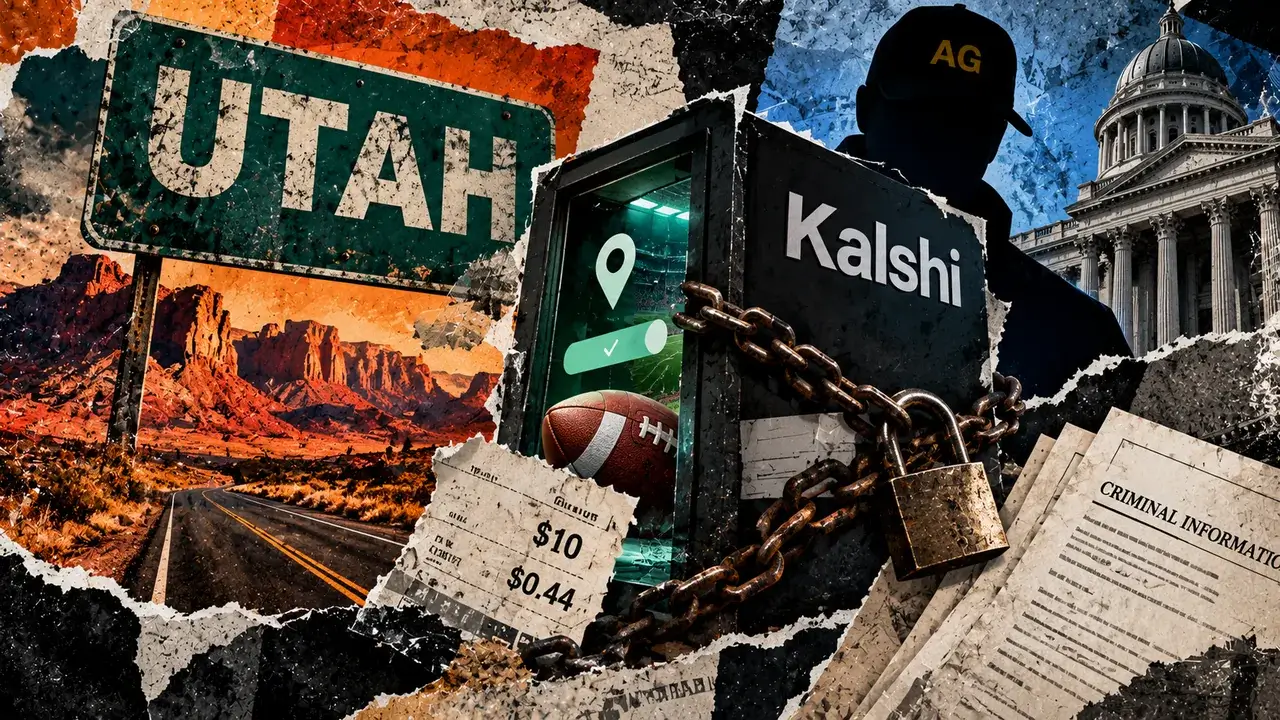
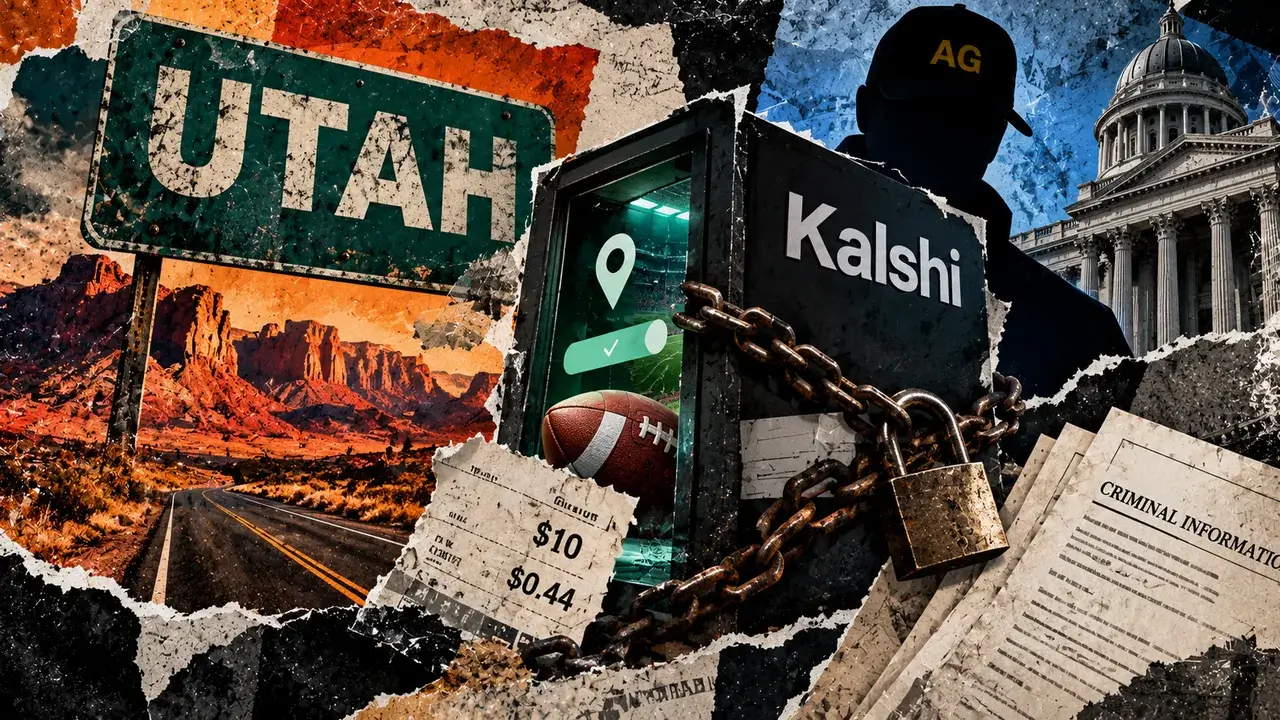
Utah has filed 13 felony charges against KalshiEX, the company operating the prediction market platform, and has named its two co-founders, CEO Tarek Mansour and Chief Operating Officer Luana Lopes Lara, as co-defendants. This aggressive legal action stems from an undercover investigation where a state agent placed a series of sports wagers, totaling $114.87, on the Kalshi platform between September 13 and September 26. The charges escalate a contentious dispute over whether federally regulated prediction markets, like Kalshi, are exempt from state gambling laws. This development occurs amidst a broader jurisdictional battle involving federal regulators who are challenging Utah’s authority to restrict such platforms.
The criminal filing, dated October 28, alleges that Kalshi and its leadership have engaged in illegal online gambling activities within the state. The investigation, as detailed in the court documents, involved Special Agent Scott Eggerman of the Utah Attorney General’s office. Eggerman reportedly created an undercover Kalshi account, providing a Utah residential address, phone number, and utilizing a locally issued debit card for transactions. Crucially, before placing his initial $10 wager on a Dallas Cowboys-New York Giants game, Kalshi’s platform allegedly required Eggerman to confirm his geographic location through its built-in location services. Despite confirming his presence within Utah, the platform proceeded with the transaction, collecting a fee of $0.44.
Following this initial wager, Eggerman placed eleven additional bets on various sporting events, including football, baseball, soccer, and hockey. Each of these transactions generated further fees for Kalshi. Prosecutors are leveraging these documented wagers as evidence to support the charges, which include twelve counts of third-degree felony promotion of online gambling and one count of second-degree felony engaging in a pattern of unlawful activity. A misdemeanor charge for gambling promotion has also been filed.
The indictment further contends that Kalshi has profited from these alleged unlawful gambling activities and has reinvested the proceeds into its operational infrastructure. Public statements attributed to Tarek Mansour and Luana Lopes Lara, highlighting their direct control and management of the company’s business activities, are cited by prosecutors to hold them personally liable. While both executives have been named as co-defendants, they were issued court summonses rather than arrest warrants, suggesting a procedural approach to their initial involvement in the legal proceedings.
Kalshi has vehemently rejected the allegations, labeling the prosecution by Utah as a "crazy overreach" and accusing the state of "playing politics" with the issue. The company maintains that its operations are compliant with federal regulations and that state-level gambling restrictions should not apply to its prediction market contracts, which it characterizes as derivatives subject to federal oversight.
Escalating Jurisdictional Battle: Federal Intervention and State Authority
The criminal case in Utah is not an isolated event but rather a significant escalation in a larger jurisdictional conflict that has already drawn the attention and intervention of the U.S. Commodity Futures Trading Commission (CFTC). On October 26, two days prior to Utah’s criminal filing, the CFTC, in conjunction with the U.S. Department of Justice, filed a lawsuit against the State of Utah. The federal suit aims to prevent Utah from enforcing its state-level gambling restrictions against federally regulated prediction markets.
The CFTC’s core argument rests on the Commodity Exchange Act, which it asserts grants the agency exclusive jurisdiction over derivatives traded on registered exchanges. This includes the event contracts offered by Kalshi, which the CFTC views as financial instruments subject to its oversight, not state gambling laws. The agency contends that allowing individual states to impose their own regulations on such federally overseen platforms would create an untenable and fragmented regulatory landscape.
Utah, however, has stood firm in its position, asserting that federal registration does not automatically exempt any platform from complying with state gambling prohibitions. The state has achieved a notable legal victory in August when a federal judge rejected Kalshi’s argument that federal law precluded Utah from enforcing its gambling statutes. While Kalshi sought to suspend enforcement of these laws pending an appeal, the Tenth Circuit Court of Appeals declined to grant this request.
Adding further weight to Utah’s position, the state filed a separate civil lawsuit on October 20. This civil action seeks to permanently prohibit Kalshi from offering its contracts to Utah residents, specifically those related to sports, elections, politics, and other events. The state is also demanding that Kalshi implement court-approved geolocation controls to prevent Utah residents from accessing its platform and surrender any profits derived from transactions deemed unlawful within the state.
The dispute has garnered significant national attention and support for Utah’s stance. On October 29, a coalition comprising 37 state attorneys general filed a legal brief in support of Utah’s regulatory authority in the ongoing federal appeal. This broad coalition underscores the perceived threat that federally regulated prediction markets pose to state sovereignty and consumer protection laws across the country. The intervention by such a large group of state officials significantly increases the pressure on Kalshi as it navigates this complex legal landscape.
Chronology of Events and Legal Maneuvers
The legal entanglement between Kalshi and the State of Utah has unfolded over several months, marked by distinct legal actions and regulatory challenges.
- Early 2026: Reports emerge of Kalshi expanding its offerings to include prediction markets on sports events, drawing scrutiny from state regulators concerned about potential violations of gambling laws.
- August 2026: A federal judge rules against Kalshi’s argument that federal law preempts Utah’s ability to enforce its gambling laws, marking a significant win for the state.
- September 13-26, 2026: Special Agent Scott Eggerman conducts an undercover operation, placing twelve sports wagers on Kalshi totaling $114.87 and confirming his location within Utah.
- October 20, 2026: Utah files a civil lawsuit against Kalshi, seeking to block its operations within the state and recover profits from allegedly unlawful transactions.
- October 26, 2026: The CFTC and the U.S. government file a lawsuit against Utah, challenging the state’s authority to regulate federally registered prediction markets.
- October 28, 2026: Utah files criminal charges against KalshiEX, Tarek Mansour, and Luana Lopes Lara, alleging multiple felony counts related to illegal online gambling promotion.
- October 29, 2026: A coalition of 37 state attorneys general files a brief supporting Utah’s regulatory authority in the federal appeal against the CFTC.
Supporting Data and Financial Implications
The core of the dispute revolves around the nature of Kalshi’s contracts and the revenue generated. While the exact figures for Kalshi’s total revenue or the specific profits derived from Utah-based users are not publicly detailed in the criminal filing, the complaint does highlight the fees collected from the undercover agent’s transactions. The $0.44 fee on a $10 bet represents a 4.4% commission, a standard practice for exchanges. If scaled across a significant number of users and transactions within Utah, these fees could represent a substantial amount of revenue.
The legal actions also carry significant financial implications beyond immediate fees. The civil suit filed by Utah seeks the surrender of profits, which could amount to millions of dollars if Kalshi is found to have generated substantial revenue from illegal gambling activities in the state. Furthermore, the ongoing legal battles incur substantial legal fees for Kalshi, potentially impacting its operational budget and growth trajectory. The company has publicly stated its intention to vigorously defend itself against these charges, suggesting a prolonged and costly legal process.
Official Responses and Reactions
Utah Attorney General’s Office: In a statement accompanying the criminal filing, the Utah Attorney General’s office emphasized its commitment to protecting residents from illegal gambling. "Utah law is clear: online gambling is illegal," the statement read. "We will not allow out-of-state companies to flout our laws and exploit our citizens. This action sends a clear message that we will hold accountable those who seek to profit from illegal activities."
Kalshi: Kalshi’s response has been one of defiance and strong opposition to Utah’s actions. A spokesperson for the company stated, "This is a politically motivated attack and a gross overreach of state power. Kalshi operates as a federally regulated exchange and is committed to providing a legal and transparent platform for event contracts. We are confident that our operations are fully compliant with federal law and will vigorously defend ourselves against these baseless charges."

CFTC: The CFTC’s intervention highlights its concern about maintaining a consistent federal regulatory framework for derivatives markets. While the CFTC has not directly commented on Utah’s criminal charges, its lawsuit against the state clearly indicates its position that such markets fall under federal purview.
Coalition of State Attorneys General: The brief filed by the 37 attorneys general signals a unified front among states seeking to preserve their authority over gambling and consumer protection laws. Their involvement suggests a broader concern about the potential for prediction markets to circumvent state regulations and create opportunities for illicit activities.
Broader Impact and Implications
The legal confrontation between Kalshi and Utah, amplified by federal intervention, carries significant implications for the future of prediction markets and the regulatory landscape for novel financial instruments.
Regulatory Uncertainty: The core issue is the delineation of authority between federal regulators like the CFTC and state governments. If Utah’s position is upheld, it could lead to a patchwork of state-specific regulations for prediction markets, hindering their growth and accessibility. Conversely, if the CFTC’s exclusive jurisdiction is affirmed, it could set a precedent for other states to challenge similar platforms.
Impact on Prediction Markets: A ruling favorable to Utah could force Kalshi to implement geographically restrictive access to its contracts, potentially blocking residents of states with stringent gambling laws. This could significantly impact the liquidity and volume of its markets. The threat of criminal penalties for founders and potential forfeiture of profits creates a high-stakes environment for companies operating in this nascent industry.
Consumer Protection vs. Innovation: The case presents a classic tension between protecting consumers from potential harms associated with gambling and fostering innovation in financial markets. Utah argues it is protecting its citizens from illegal gambling, while Kalshi asserts it is providing a legitimate form of speculative investment. The outcome will shape how this balance is struck moving forward.
Precedent for Other Platforms: Should Utah succeed in imposing its restrictions or if similar charges are brought against other prediction market operators, it could significantly alter the operational calculus for companies in this space. The legal precedent set by this case could influence how similar platforms are regulated and how they structure their businesses to comply with diverse legal requirements. The involvement of 37 state attorneys general suggests that this is not merely a localized issue but a matter of national concern regarding the boundaries of state and federal regulatory power.