admin
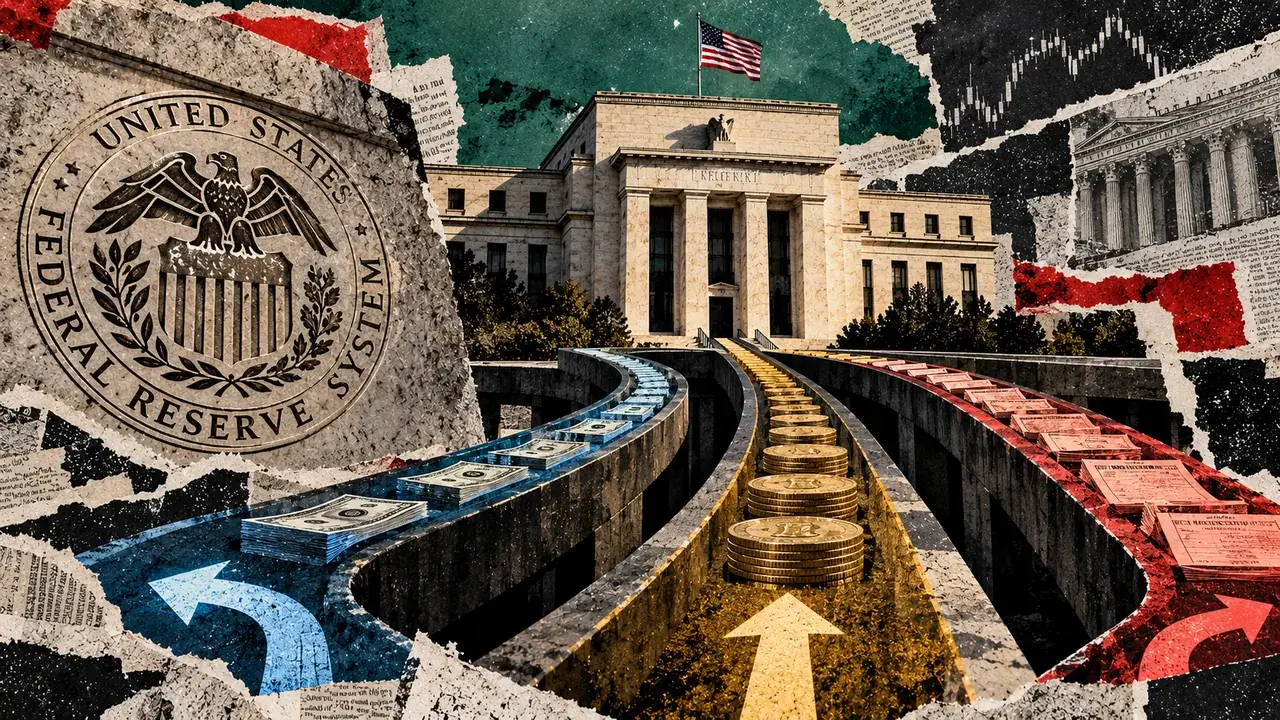
The Federal Reserve, in a decisive move on October 28th, maintained its target range for the federal funds rate at 3.75% to 4%. This decision, effective October 29th, not only cemented current overnight funding terms but also signaled a potential shift in how the central bank might manage liquidity through Treasury-bill purchases, a development that could have ripple effects across various financial markets, including the cryptocurrency landscape, particularly Bitcoin. The Federal Open Market Committee’s (FOMC) vote of 10-2 underscored a near-unanimous agreement on the current monetary policy stance, with dissenting votes from members Lisa D. Cook and Beth M. Hammack, who had advocated for a quarter-percentage-point increase.
This rate decision, coming after a series of adjustments aimed at curbing inflation, positions the Fed to navigate a complex economic environment characterized by persistent inflationary pressures alongside emerging signs of economic cooling. The accompanying implementation note provided crucial details on the operational framework designed to keep the federal funds rate within the established target range. Specifically, the interest on reserve balances (IORB) was held steady at 3.9%, while the standing overnight repurchase agreement (repo) facility was set at 4% and the overnight reverse repurchase agreement (reverse repo) facility at 3.75%. These administered rates are critical tools used by the New York Fed to influence the effective federal funds rate, the benchmark rate for overnight interbank lending, ensuring it stays within the FOMC’s desired corridor.
Background and Chronology of Fed Rate Decisions
The Fed’s decision on October 28th did not occur in a vacuum. It represents the latest chapter in a prolonged period of monetary policy tightening initiated by the central bank to combat soaring inflation that reached multi-decade highs in the preceding year.
- Early 2022: The Federal Reserve began signaling a shift away from its ultra-loose monetary policy stance, adopted during the COVID-19 pandemic. Inflationary pressures, initially deemed transitory, began to show signs of entrenchment, prompting concerns among policymakers.
- March 2022: The FOMC raised the federal funds rate target range for the first time in three years, by 25 basis points, to 0.25%-0.50%. This marked the beginning of a series of aggressive rate hikes.
- May 2022: The Fed escalated its tightening cycle, implementing a 50-basis-point increase, bringing the target range to 0.75%-1.00%.
- June 2022: In a significant move, the FOMC delivered a 75-basis-point hike, pushing the target range to 1.50%-1.75%. This was the largest single rate increase since 1994.
- July 2022: The Fed continued its aggressive pace with another 75-basis-point hike, moving the target range to 2.25%-2.50%.
- September 2022: The FOMC again raised the federal funds rate by 75 basis points, setting the target range at 3.00%-3.25%.
- November 2022: The central bank implemented a 75-basis-point increase, bringing the target range to 3.75%-4.00%. This was the rate that was maintained in the October 2026 decision.
- December 2022 – September 2023: Through a series of smaller, albeit still significant, rate hikes (25 or 50 basis points), the Fed gradually increased the target range, reaching a peak before the October 2026 decision. The October 2026 decision represented a pause in this upward trajectory, a "rate hold."
The 10-2 vote margin is noteworthy. While a majority favored holding rates steady, the dissent from Cook and Hammack suggests ongoing debate within the FOMC regarding the appropriate pace and magnitude of future policy adjustments. Their preference for a quarter-percentage-point increase indicates a segment of the committee that remains concerned about inflation and believes further tightening is warranted to bring it back to the Fed’s 2% target.
Understanding the Fed’s Operational Tools
The FOMC’s policy target for the federal funds market is a crucial guide, but it’s the Fed’s operational tools that ensure this target is met. The New York Fed’s implementation note detailed how these tools would be employed to maintain the 3.75%-4% range:
- Interest on Reserve Balances (IORB): The Federal Reserve Board sets the interest rate paid to eligible institutions on their reserve balances held at the Fed. At 3.9%, the IORB acts as a primary tool for influencing the federal funds rate. Banks are generally unwilling to lend their reserves in the federal funds market at a rate significantly below what they can earn by simply holding those reserves at the Fed.
- Overnight Repurchase Agreements (Repo): The standing overnight repo facility, set at 4%, offers secured overnight funding to eligible counterparties. In a repo transaction, the New York Fed’s trading desk buys securities from a financial institution with an agreement to sell them back at a slightly higher price on the next day. This operation temporarily injects liquidity into the banking system, helping to prevent the federal funds rate from rising above the target range. The rate offered at the repo facility typically acts as a ceiling for overnight borrowing rates.
- Overnight Reverse Repurchase Agreements (Reverse Repo): The overnight reverse repo facility, offered at 3.75%, works in the opposite direction. Here, the Fed’s trading desk sells securities to eligible counterparties with an agreement to buy them back later, effectively draining liquidity from the system. This tool is crucial for managing excess reserves and preventing short-term interest rates from falling below the target range. The reverse repo rate generally acts as a floor for overnight rates. The facility has a daily limit of $160 billion per counterparty, a measure designed to prevent excessive use by any single entity.
The interaction of these administered rates is designed to create a corridor within which the effective federal funds rate is expected to trade. The IORB rate influences the cost for banks to hold reserves, while the repo and reverse repo facilities provide mechanisms for managing the overall supply of reserves and setting effective upper and lower bounds for overnight borrowing costs.
Conditional Purchases: A Nuance in Liquidity Management
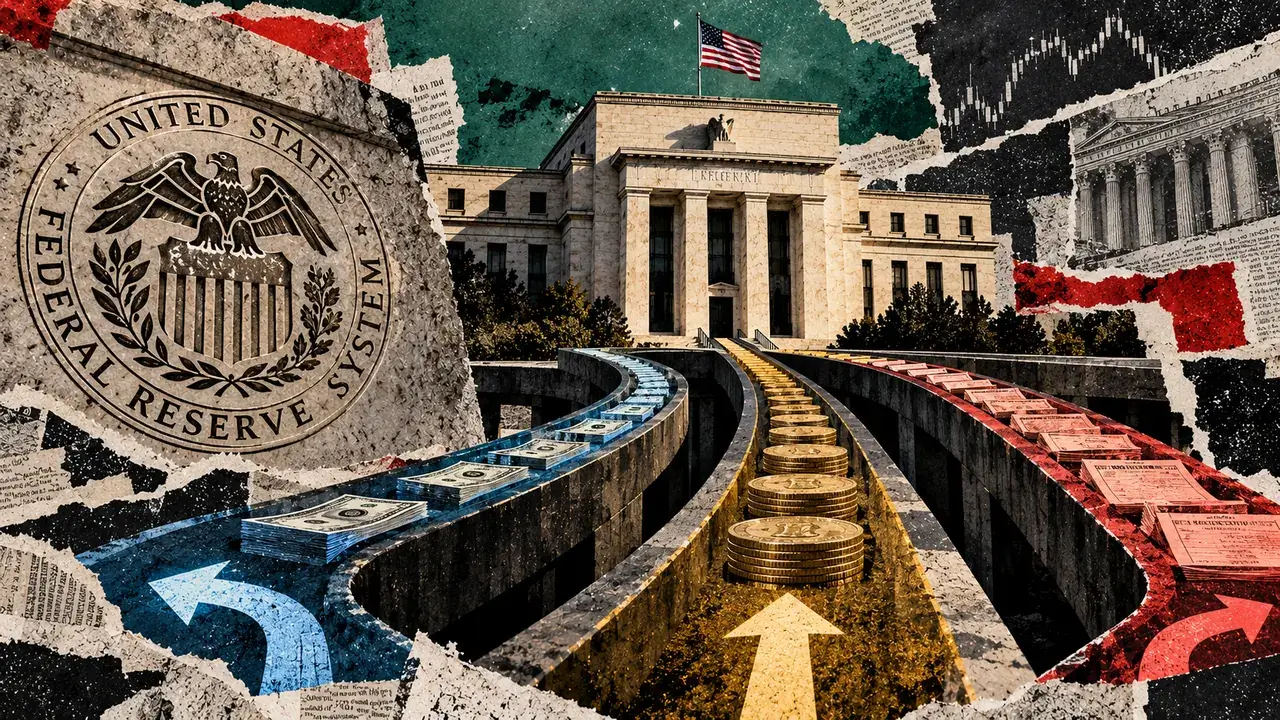
Beyond the direct management of interest rates, the October implementation note included a significant provision regarding the Fed’s balance sheet operations. The directive permits the Desk, when deemed appropriate, to increase its holdings in the System Open Market Account (SOMA) through purchases of Treasury bills. This measure is intended to "maintain ample reserves" in the financial system. Furthermore, the Fed can also purchase other Treasury securities with remaining maturities of no more than three years if deemed necessary.
This conditional purchase authority is distinct from traditional quantitative easing (QE) programs, which involve large-scale, predetermined asset purchases aimed at lowering longer-term interest rates. The language used—"when appropriate," "if needed"—suggests a more targeted and reactive approach to liquidity management. The directive also mandates the rollover of all principal payments from Treasury holdings at auction and the reinvestment of all principal payments from agency securities into Treasury bills. This signifies a commitment to maintaining the size of its Treasury holdings within these parameters, rather than actively shrinking them through runoff, which would be a form of quantitative tightening (QT).
Implications for Crypto Markets and Bitcoin’s Liquidity Outlook
The Federal Reserve’s monetary policy decisions, particularly those concerning interest rates and liquidity, have a profound impact on broader financial markets, including cryptocurrencies like Bitcoin. While the direct transmission mechanisms can be complex and are subject to ongoing debate, several key implications arise from the Fed’s recent actions:
- Interest Rate Sensitivity: Bitcoin, like many risk assets, can be sensitive to interest rate environments. Higher interest rates generally increase the opportunity cost of holding non-yielding assets like Bitcoin, potentially leading to reduced demand. Conversely, stable or declining interest rates can make riskier assets more attractive. The Fed’s decision to hold rates steady, after a period of aggressive hikes, could be interpreted as a positive signal for risk assets, suggesting a pause in the tightening cycle.
- Liquidity and Capital Flows: The Fed’s management of liquidity through its balance sheet operations and open market operations can influence the availability of capital in the financial system. The potential for Treasury-bill purchases, even if conditional, suggests a Fed that is mindful of maintaining ample reserves. Ample liquidity in the broader financial system can sometimes spill over into speculative assets like Bitcoin. If the Fed’s operations lead to increased liquidity, it could indirectly support Bitcoin’s price by providing more readily available capital for investment.
- Treasury Bill Market Dynamics: The Fed’s potential purchases of Treasury bills, particularly those with short maturities, can directly influence the yields and liquidity within the Treasury bill market. This market is a cornerstone of global finance, and any significant intervention by the Fed can have cascading effects. The Treasury bill market is also closely watched by institutional investors, and its stability and liquidity are important factors in their broader asset allocation decisions, which can include cryptocurrencies.
- Divergence from Traditional Assets: The relationship between Bitcoin and traditional financial markets is constantly evolving. While Bitcoin has historically shown some correlation with risk assets like tech stocks, it also exhibits unique characteristics. The Fed’s rate hold, while potentially supportive of risk assets, might not translate directly into a predictable Bitcoin price movement. Investors will also be closely monitoring other factors influencing Bitcoin, such as regulatory developments, adoption trends, and technological advancements within the crypto ecosystem.
- The Repo Market Bottleneck: The original article’s title hints at a critical point: the effectiveness of the Fed’s rate hold hinges on the smooth functioning of the repo market. If there are underlying issues or bottlenecks within the repo market that prevent the Fed’s administered rates from effectively guiding the federal funds rate, then the intended impact of the rate hold could be diminished. Banks’ willingness and ability to lend and borrow reserves are paramount. A strained repo market could lead to unexpected volatility in short-term funding rates, irrespective of the Fed’s target.
Data and Analysis of Market Transmission
To fully assess the impact of the Fed’s October decision, it is crucial to analyze relevant data and market transmissions.
- Inflation Data: Recent inflation reports leading up to the October decision showed a gradual, though not uniform, deceleration. The Consumer Price Index (CPI) and Personal Consumption Expenditures (PCE) price index are key indicators watched by the Fed. For instance, if the CPI report for September indicated a continued cooling trend, it would strengthen the case for a rate hold. Conversely, a resurgence in inflation would put pressure on the FOMC to consider further tightening.
- Employment Data: Labor market conditions are another critical component of the Fed’s dual mandate (price stability and maximum employment). Robust job growth and wage increases can contribute to inflationary pressures, while a softening labor market might signal a cooling economy. Employment reports released prior to the October meeting would have been meticulously scrutinized.
- Economic Growth Indicators: Gross Domestic Product (GDP) growth rates, manufacturing indices (like the ISM Purchasing Managers’ Index), and consumer spending data provide insights into the overall health of the economy. A strong economy might suggest the Fed has more room to keep rates higher for longer, while signs of a recession could prompt a pivot towards easing.
- Treasury Yields: The yield curve, particularly the short-end, provides real-time market expectations about future interest rates. If short-term Treasury yields remained anchored within the Fed’s target range following the announcement, it would suggest the market accepted the Fed’s operational framework.
- Bitcoin’s Price Action: The immediate and subsequent price movements of Bitcoin following the FOMC announcement would offer a direct, albeit often volatile, indication of how the market is interpreting the Fed’s policy. However, isolating the impact of monetary policy from other market drivers is challenging.
Official Responses and Market Sentiment
While the FOMC statement itself is the primary official communication, market participants often look for further clarification or commentary from Fed officials. Speeches and interviews by Federal Reserve governors and regional Federal Reserve Bank presidents can provide deeper insights into their thinking and expectations. Any commentary from officials like Chair Jerome Powell following the October decision would have been analyzed for signals about the future path of monetary policy.
The market sentiment leading up to and immediately following the decision would also be a key indicator. A generally cautious or risk-averse sentiment might temper the positive effects of a rate hold, while a more optimistic outlook could amplify them.
Broader Impact and Future Outlook
The Fed’s decision to hold rates steady at the 3.75%-4% range is a significant juncture. It suggests a period of consolidation after a series of aggressive hikes, as the central bank assesses the cumulative impact of its policies on inflation and economic growth.
The conditional authority for Treasury-bill purchases introduces a layer of nuance to the Fed’s liquidity management strategy. It signifies a willingness to intervene in the short-term debt markets to ensure ample reserves, a move that could have subtle but important implications for financial conditions. For the cryptocurrency market, this means that while the Fed is pausing its rate hikes, its operational approach to managing liquidity remains a critical factor to monitor.
The coming months will be crucial for understanding the true trajectory of monetary policy. The Fed’s future decisions will be data-dependent, meaning that incoming economic reports on inflation, employment, and growth will dictate whether the current pause is temporary or marks the beginning of a sustained period of stable rates. Investors in all asset classes, including Bitcoin, will be keenly watching for any signs of a potential pivot towards rate cuts or a renewed push for higher rates, as such shifts can dramatically alter the investment landscape. The ability of banks to effectively manage reserves and navigate the repo market will be a silent but vital determinant of the Fed’s policy success.