admin

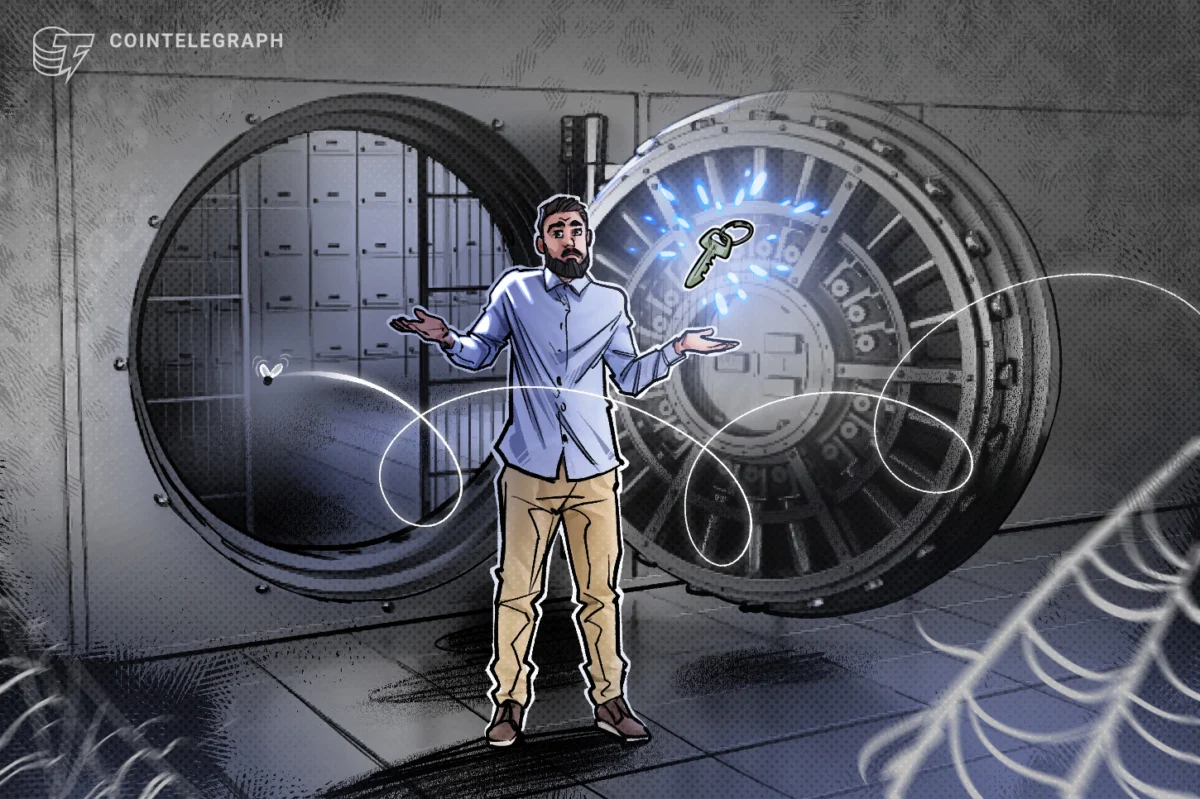
Binance, the world’s largest cryptocurrency exchange by trading volume, has confirmed a significant security incident following a flurry of reports from users and blockchain analysts indicating that massive amounts of capital were being drained from the platform’s hot wallets. The breach, which was first acknowledged by the company in a statement to TechCrunch, has sent shockwaves through the global financial markets and the digital asset ecosystem. While the exchange has moved to reassure its global user base that funds are protected, the scale of the incident—with some estimates suggesting losses could exceed $5 billion—threatens to become the largest single exploit in the history of decentralized and centralized finance.
According to an official statement provided by Binance spokesperson Ross O’Leary, the exchange has taken the drastic step of temporarily suspending withdrawals across multiple blockchain networks. This "precautionary measure" was implemented as the company’s internal security teams began an urgent review of anomalous on-chain activity. "We are aware of reports of a potential security issue and are actively investigating," the company stated, adding a firm directive for users to avoid unofficial links and requests for account information, which often proliferate during periods of platform instability.
A Rapidly Unfolding Crisis: The Chronology of the Breach
The first signs of trouble emerged in the early hours of Thursday, when decentralized finance (DeFi) watchers and automated on-chain monitoring tools flagged a series of unusually large outbound transfers from Binance-controlled addresses. These "hot wallets"—internet-connected storage systems used by exchanges to facilitate immediate liquidity for user trades—showed a pattern of rapid depletion that did not align with standard withdrawal volumes.
The situation gained mainstream attention when Changpeng Zhao, the founder and former CEO of Binance, posted a brief but alarming update on the social media platform X. Despite his transition away from daily operations following a high-profile settlement with U.S. regulators, Zhao remains the company’s largest shareholder and a pivotal figure in the industry. Zhao indicated that the company had "likely" been compromised but offered a note of optimism, stating he expected user funds to be "fully covered." He did not, however, provide the technical basis for this claim or specify if the coverage would come from Binance’s corporate insurance, its Secure Asset Fund for Users (SAFU), or another source.
Following Zhao’s post, the timeline of the incident accelerated:
- Detection: On-chain analysts observed at least $2 billion in assets moving from Binance hot wallets to unknown, newly created addresses.
- Market Intervention: As the assets moved through various protocols, major stablecoin issuers stepped in. Circle, the issuer of USDC, moved to freeze approximately $800 million in Tether (USDT) that was passing through its monitored networks.
- Tether Response: Tether itself, the largest stablecoin issuer in the world, announced it had blacklisted addresses containing roughly $1.56 billion in assets linked directly to the Binance exploit.
- Exchange Suspension: Binance officially halted all withdrawals, effectively locking the platform to prevent further drainage while they attempted to "patch" the vulnerability.
Quantifying the Damage: $2 Billion confirmed, $5.7 Billion Feared
The financial implications of this breach are staggering. While Binance has yet to release a definitive audit of the missing assets, blockchain security firms and independent researchers have provided varying estimates based on public ledger data.
Initial reports from "crypto watchers" suggested a minimum of $2 billion had been successfully exfiltrated. However, as the investigation deepened, some estimates, including those cited by CoinDesk, suggested the total value of compromised assets could reach upwards of $5.7 billion. If these higher estimates are verified, this incident would eclipse the 2025 Bybit hack—where North Korean state-sponsored actors were accused of stealing $1.4 billion—and would dwarf the infamous 2014 Mt. Gox collapse.
The discrepancy in these figures often stems from the volatility of the assets being moved and the rapid response of stablecoin issuers. While $5.7 billion may have been "targeted" or moved out of Binance’s direct control, the proactive freezing of over $2.3 billion by Tether and Circle suggests that a significant portion of the stolen funds may be unspendable by the attackers, provided they were held in centralized stablecoins.
Technical Context: The Vulnerability of Hot Wallets
The focus of this attack appears to have been Binance’s hot wallet infrastructure. In the cryptocurrency industry, exchanges divide assets between "cold storage" (offline hardware wallets that are highly secure but slow to access) and "hot wallets" (online systems that allow for instant transactions).
Hot wallets are inherently more vulnerable to cyberattacks because they are connected to the internet and rely on automated scripts to sign transactions. Security experts suggest that a breach of this magnitude usually points to one of three possibilities:
- Private Key Compromise: Attackers gaining access to the cryptographic keys used to authorize transfers.
- API Exploit: A vulnerability in the interface that allows different software components to communicate, potentially allowing unauthorized withdrawal commands.
- Supply Chain Attack: A compromise of a third-party software provider or a library used by the exchange, similar to the incident that affected Polymarket on the same day.
The Polymarket Incident: A Parallel Security Crisis
Compounding the day’s volatility, the prediction market giant Polymarket also confirmed a security breach, though on a much smaller scale than Binance. Polymarket was forced to halt trading and withdrawals after a third-party script developed by a company called DebugBear was compromised.
Security researchers at InfoStealers discovered "wallet-draining code" embedded in the software, which resulted in the theft of approximately $2 million in user funds. While the Polymarket and Binance incidents appear to be technically distinct, their proximity in time has raised concerns about a coordinated campaign targeting major crypto infrastructure providers through shared third-party dependencies.
Regulatory and Market Implications
The Binance breach occurs at a sensitive time for the exchange and the broader industry. Having recently navigated intense legal scrutiny from the United States Department of Justice and the Commodity Futures Trading Commission (CFTC), Binance has been under pressure to prove that its revamped security and compliance protocols are world-class.
The "SAFU" fund, established by Binance in 2018 to protect users in extreme situations, will likely be the focus of intense scrutiny in the coming days. Historically, Binance has funded this reserve by taking a percentage of all trading fees. However, whether the SAFU fund currently holds enough liquidity to cover a multi-billion dollar loss remains an open question for analysts.
Furthermore, this event is expected to trigger a renewed push for regulation. Global regulators have long argued that centralized exchanges act like banks but without the same deposit insurance requirements or capital buffers. A loss of this scale could accelerate the implementation of mandatory "proof of solvency" audits and stricter requirements for how exchanges manage their hot-to-cold wallet ratios.
Official Responses and Future Outlook
In its communication, Binance emphasized its commitment to transparency once the facts are fully verified. "Our security teams are reviewing all relevant information with urgency," the company stated. "We will provide updates through official Binance channels as soon as we have verified information."
The broader crypto community remains on high alert. Industry leaders have praised the quick actions of Tether and Circle, noting that the ability to freeze assets is a "double-edged sword" that, in this case, likely saved billions of dollars from being laundered through "mixers" like Tornado Cash.
As of the latest reports, the identity of the attackers remains unknown. Security firms are currently analyzing the "fingerprints" of the on-chain transactions to see if they match the known tactics of groups such as the Lazarus Group, which has been linked to several of the largest crypto heists in history.
For now, the cryptocurrency markets remain in a state of "wait and see." Bitcoin and BNB (Binance’s native token) have seen increased volatility, reflecting investor anxiety. The resolution of this incident—whether Binance can successfully recover the frozen funds and reimburse users for the remainder—will likely define the exchange’s reputation and the regulatory landscape of the digital asset industry for years to come.
Users are advised to monitor Binance’s official Twitter/X account and their website’s "Announcements" section for the latest status on withdrawal resumes. Security experts also recommend that users who have used third-party apps or APIs connected to their Binance accounts revoke those permissions as a standard safety protocol until the full scope of the breach is understood.