Dwi Wanna

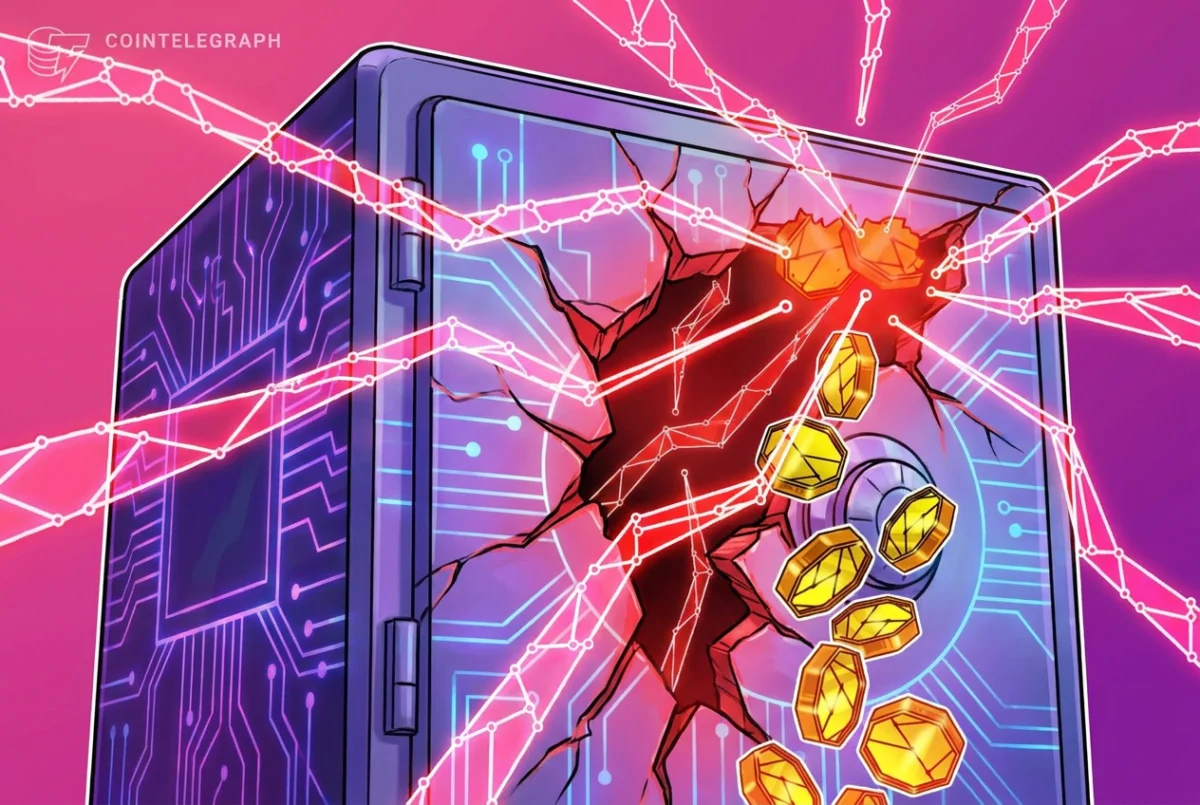
Binance, the world’s largest cryptocurrency exchange by trading volume, has officially announced the permanent closure of its mining pool services, marking a significant strategic pivot for the global digital asset titan. Miners currently connected to Binance Pool have been issued a firm deadline to redirect their hashing power and equipment before 07:00 UTC on November 10, 2026. At this precise moment, the platform will cease all mining operations, stop crediting new work, and begin the process of decommissioning its infrastructure. This decision follows a comprehensive review of the company’s product offerings and reflects a broader industry trend where major exchanges are refocusing their resources on core trading, institutional services, and regulatory compliance.
The closure is not limited to the primary mining pool; it encompasses an entire ecosystem of related services that Binance has built over the last several years. According to the official closure notice issued on October 13, the shutdown will also terminate Binance’s Cloud Mining products, Pool Savings, and the Transaction Accelerator service. Furthermore, all ancillary support features, including Telegram hashrate alerts, automated email notifications, and mining-pool API services, will be phased out in tandem with the main platform. This comprehensive wind-down signals the end of Binance’s direct involvement in the Proof-of-Work (PoW) infrastructure sector, a move that will necessitate the migration of thousands of individual and institutional miners to alternative pools.
Technical Cutoff and the End of Stratum Connections
The technical implications of the shutdown are immediate and absolute. Binance has confirmed that it will disable its Stratum URLs and mining endpoints at the 07:00 UTC cutoff on November 10. In the world of cryptocurrency mining, Stratum is the industry-standard protocol used by mining hardware to communicate with a pool server. Once these endpoints are deactivated, any hardware still pointed at Binance’s addresses will effectively be "mining into a void." The exchange has explicitly stated that any hashrate submissions or mining shares received after the deadline will not be accepted, processed, or credited to user accounts.
To ensure a smooth transition, Binance is urging its users to begin the migration process immediately. Redirecting an ASIC (Application-Specific Integrated Circuit) or a GPU mining rig typically requires manual configuration of the pool’s URL and the user’s worker credentials. For large-scale operations managing hundreds or thousands of machines, this transition requires significant logistical planning. The exchange’s announcement serves as a final warning to avoid "dead time"—periods where expensive mining hardware is consuming electricity without generating rewards because it is connected to a defunct server.
Despite the hard cutoff for new work, Binance has outlined a grace period for the settlement of existing work. Eligible mining shares submitted before the 07:00 UTC deadline will be included in the final reward calculations. Under Binance’s Mining Pool Product Terms, a "share" represents a valid proof of work submitted by a miner’s hardware that contributes to the pool’s overall chance of solving a block. These shares are the currency of the mining pool, and Binance has committed to fulfilling its obligations for all work completed up to the final second of operation.
The Wind-Down of Pool Savings and Liquidity Constraints
One of the more complex aspects of the shutdown involves the Binance Pool Savings product. This service allowed miners to deposit their earnings into interest-bearing accounts, providing a secondary layer of passive income on top of their mining rewards. With the cessation of the mining pool, the savings component must also be liquidated. Binance has advised all users with active Pool Savings positions to review their accounts and either unsubscribe or redeem their holdings before the service concludes.

The redemption process is governed by strict product terms that highlight potential liquidity challenges. Binance has noted that redemptions are subject to daily limits and the available liquidity within the specific asset pools. While the exchange aims to process redemption requests in the order they are received, the terms provide a window of one business day for standard transfers. However, in "exceptional circumstances"—which could include a sudden surge in withdrawal requests as the deadline approaches—the processing time could extend up to 90 days. This clause underscores the importance of early action for miners who have significant capital locked in these savings products.
A Strict Timeline for Final Payments and Record Retrieval
The closure process is structured around three critical deadlines that users must navigate to ensure they receive their funds and retain their financial records.
- November 10, 2026, 07:00 UTC: The operational cutoff. Mining stops, Stratum URLs are disabled, and no new shares are accepted.
- November 10, 2026, 23:59 UTC: The account compliance deadline. Binance has requested that all users ensure their accounts are in good standing to receive final payouts. This includes completing any necessary Identity Verification (KYC) checks. The exchange clarified that this deadline is for administrative steps only and does not extend the mining period.
- November 24, 2026, 07:00 UTC: The data access cutoff. Binance Pool’s web pages and historical data interfaces will remain accessible for exactly two weeks after the shutdown. During this time, users can view their payout history, download account records, and verify their final settlement status. After this date, the pages will be permanently taken offline, and users will lose access to their mining history on the platform.
Miners are strongly encouraged to export their data for tax and auditing purposes before the November 24 deadline. In many jurisdictions, cryptocurrency mining is treated as a business activity or a form of income, and maintaining a clear record of daily payouts and pool fees is essential for regulatory compliance.
Background: The Rise and Fall of Exchange-Operated Mining Pools
Binance Pool was launched in April 2020, during a period of rapid expansion for the exchange. At the time, the goal was to create a "comprehensive financial services platform" where a user could mine Bitcoin, trade it on the spot market, and earn interest on it, all within a single ecosystem. By integrating mining into its platform, Binance sought to bridge the gap between the traditional mining industry and the retail trading world.
At its peak, Binance Pool was a major player in the global Bitcoin hashrate, often ranking among the top ten largest pools in the world. It attracted miners by offering competitive fees, often as low as 0% for promotional periods, and the convenience of direct deposits into the Binance exchange wallet. However, the landscape of cryptocurrency mining has shifted dramatically since 2020. The industry has become increasingly institutionalized, with massive, publicly traded mining firms dominating the hashrate. These firms often prefer specialized, independent mining pools like Foundry USA or AntPool, which offer advanced features and deeper integration with North American and European energy grids.
Furthermore, the regulatory environment for global exchanges has tightened significantly. Operating a mining pool involves managing large-scale distributed computing networks and handling the issuance of new coins, which adds a layer of regulatory complexity that may no longer align with Binance’s streamlined business model. By exiting the mining space, Binance can focus on its core competencies while reducing its operational footprint in the energy-intensive PoW sector.
Market Implications and the Great Hashrate Migration
The closure of Binance Pool is expected to trigger a significant migration of hashrate across the global network. While Binance has not released the exact number of active miners on its platform at the time of the announcement, historical data suggests the pool accounted for a notable percentage of the Bitcoin network’s total computing power.

Market analysts predict that this hashrate will likely be absorbed by other major pools. Competitors such as F2Pool, ViaBTC, and Slush Pool (Braiins) are expected to launch incentive programs to attract former Binance users. This migration is unlikely to impact the security of the Bitcoin network, as the total hashrate remains at record highs; however, it does represent a consolidation of the mining pool industry. The trend suggests a shift away from exchange-affiliated pools toward dedicated mining infrastructure providers.
The reaction from the mining community has been a mix of pragmatism and caution. On various social media platforms and mining forums, users have expressed concerns regarding the 90-day liquidity clause for Pool Savings, though most acknowledge that the two-week window for data retrieval is a standard industry practice. The move is seen by many as a "cleaning of the house" for Binance as it continues to navigate legal and regulatory challenges in multiple jurisdictions, seeking to present a more focused and transparent business structure.
Future Outlook: The Evolution of Binance’s Strategy
The shuttering of Binance Pool is a clear indicator that the "super-app" era of cryptocurrency exchanges may be evolving. In the early 2020s, the race was on to offer every conceivable service, from mining to NFTs to debit cards. In 2026, the priority appears to be sustainability, compliance, and institutional integration.
As Binance prepares to go dark on November 10, the broader cryptocurrency industry will be watching to see if other exchanges follow suit. The cost of maintaining a competitive mining pool—requiring constant hardware updates, cybersecurity vigilance, and low-latency global servers—is high. For a company that processes billions of dollars in daily trade volume, the margins found in mining pool fees may no longer justify the overhead.
For the miners, the message is clear: the era of the exchange-integrated pool is waning. The coming weeks will see a flurry of activity as rigs are reconfigured and accounts are settled. By November 24, when the last historical records are wiped from the Binance servers, a significant chapter in the exchange’s history will officially come to a close, leaving the mining of the world’s most valuable digital assets to those who make it their sole focus.