admin
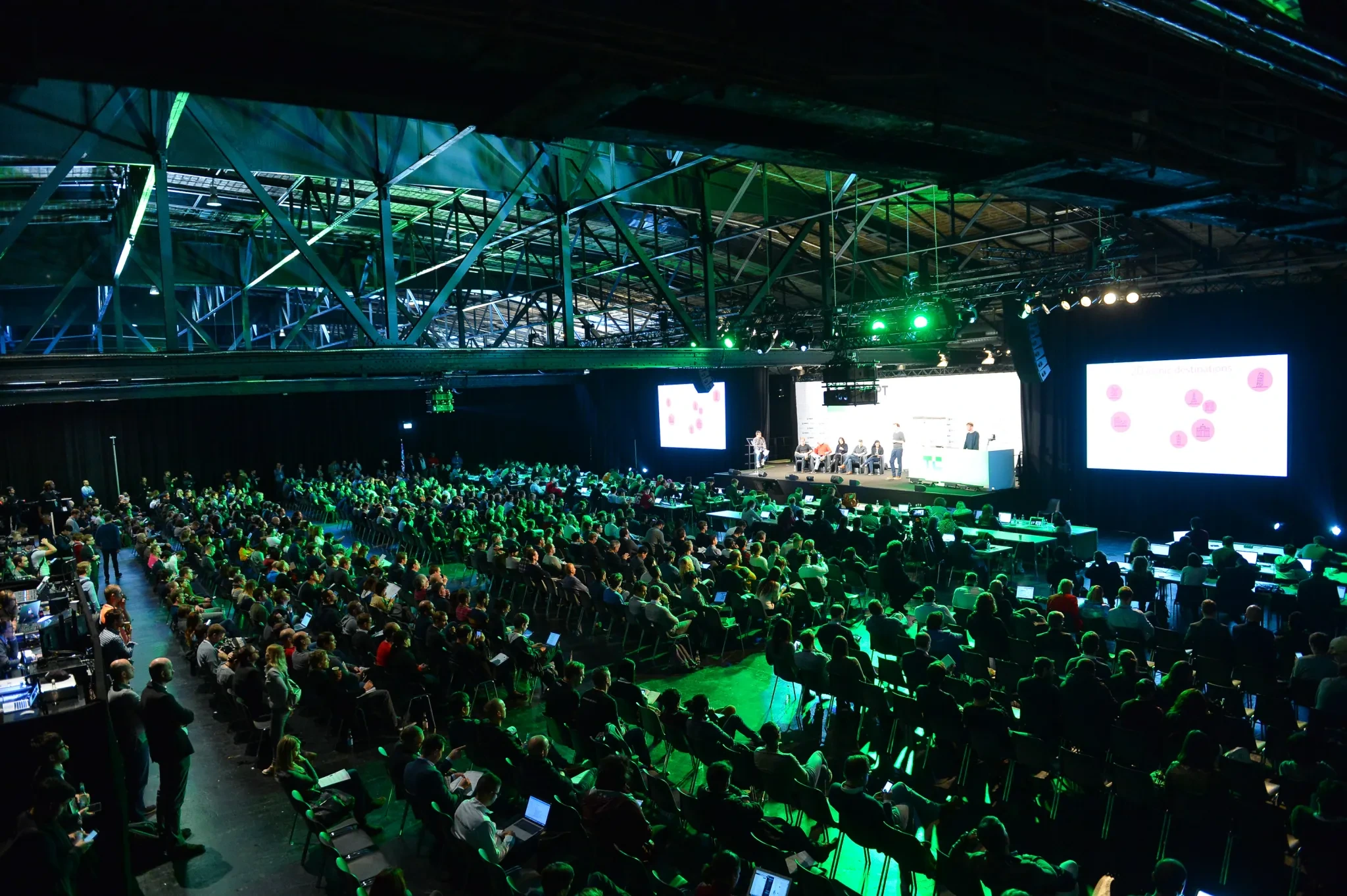
The window of opportunity to participate in one of the technology industry’s most influential annual gatherings at a reduced cost is rapidly closing, as TechCrunch Disrupt 2026 enters the final 24 hours of its current pricing tier. Prospective attendees have until midnight tonight to secure savings of up to $200 on registration passes for the event, which is scheduled to take place from October 13 to October 15, 2026, at the Moscone West convention center in San Francisco. This deadline marks a critical juncture for founders, investors, and tech operators aiming to maximize their professional development budgets while ensuring access to a platform that has historically served as a springboard for multi-billion dollar enterprises.
Beyond the individual $200 discount, the current promotional structure includes a "Buy One, Get One 50% Off" offer for second passes of the same type, as well as tiered discounts for larger organizations. Groups consisting of four or more participants are eligible for savings of up to 30%, a move designed to encourage team-wide participation from emerging startups and established venture capital firms alike. As the countdown concludes, the focus of the event organizers has shifted to the theme of "Momentum," emphasizing the conference’s ability to compress months of traditional business development, market research, and networking into a concentrated three-day window.
The Strategic Importance of TechCrunch Disrupt in the 2026 Innovation Economy
TechCrunch Disrupt has long occupied a central position in the global startup ecosystem. Since its inception, the conference has evolved from a niche gathering of Silicon Valley insiders into a massive international summit attracting more than 10,000 attendees. The 2026 iteration comes at a time when the technology sector is navigating a complex landscape defined by the maturation of artificial intelligence, shifts in the venture capital funding environment, and a renewed focus on hardware and climate technology.
For many participants, the primary value proposition of Disrupt 2026 lies in its role as a "force multiplier" for business operations. In a standard corporate environment, a founder might spend three to six months identifying potential investors, scheduling introductory calls, and navigating the due diligence process. At Disrupt, the density of high-net-worth individuals and institutional investors allows for dozens of face-to-face interactions in a single afternoon. This concentration of human and financial capital is what organizers refer to as the "Momentum" factor—the ability to move a project from the ideation phase to the execution phase through rapid, high-quality feedback loops.

Event Structure and the 2026 Programming Outlook
The 2026 agenda is set to be the most comprehensive in the event’s history, featuring over 250 sessions distributed across six specialized industry stages. While the specific keynote speakers are often announced in the months leading up to the October start date, the structural framework of the event remains consistent, providing a reliable ROI for early registrants.
The six stages typically focus on the most disruptive sectors of the economy. For 2026, industry analysts expect a heavy emphasis on the following:
- The AI & Machine Learning Stage: Moving beyond the hype of generative models toward practical, enterprise-grade applications and the ethics of autonomous systems.
- The SaaS & Enterprise Stage: Exploring the next generation of cloud computing and the integration of decentralized technologies in corporate workflows.
- The Fintech & Crypto Stage: Analyzing the intersection of traditional banking and blockchain, with a focus on regulatory compliance and global payment rails.
- The Builders & Founders Stage: Providing tactical advice on scaling operations, navigating legal hurdles, and managing remote workforces in a post-pandemic world.
- The Hardware & Robotics Stage: Showcasing breakthroughs in manufacturing, automation, and the "Internet of Things" (IoT).
- The Sustainability & Climate Tech Stage: Highlighting the startups tackling carbon sequestration, renewable energy, and circular economy logistics.
The "Startup Battlefield" remains the centerpiece of the event. This highly competitive pitch contest has a storied history of identifying future industry leaders. To date, Startup Battlefield alumni have collectively raised more than $9 billion in funding and have seen over 100 successful exits through acquisitions or initial public offerings (IPOs). Companies like Dropbox, Fitbit, and Mint first gained national prominence on the Disrupt stage, underscoring the event’s status as a premier venue for discovery.
Chronology of the 2026 Planning Cycle
The road to Disrupt 2026 follows a meticulous timeline designed to build anticipation and ensure a high caliber of content. The current ticket sale represents a key milestone in this chronology:
- Q1 2026: Launch of the "Early Bird" registration phase and call for Startup Battlefield applications.
- Q2 2026: Selection process for the "Disrupt 200," an elite cohort of early-stage startups invited to showcase their products on the exhibition floor.
- Q3 2026 (Current Phase): Finalization of the speaker roster and the expiration of the final discount tiers. This is the period where logistics for international delegations and corporate teams are typically finalized.
- October 13-15, 2026: The live event at Moscone West, featuring keynote addresses, live pitch competitions, and the "After Hours" networking circuit across San Francisco.
- Post-Event Q4 2026: Release of session recordings and the commencement of follow-up investor meetings initiated during the conference.
Data-Driven Insights: Why Physical Attendance Matters in 2026
Despite the proliferation of digital networking platforms, data from recent industry surveys suggests that in-person summits like TechCrunch Disrupt continue to offer superior outcomes for high-stakes deal-making. According to a 2025 study on venture capital trends, approximately 78% of "first-check" investments in seed-stage startups were initiated following an in-person meeting. The non-verbal cues, spontaneous interactions, and shared experiences of a physical conference build a level of trust that is difficult to replicate over video conferencing.

Furthermore, the "serendipity factor" of Disrupt is a documented phenomenon. In previous years, nearly 40% of attendees reported that their most valuable connection at the event was unplanned—a result of a chance encounter in the hallway, at a coffee station, or during a Q&A session. For an operator trying to understand a competitor’s strategy or a researcher looking for a breakthrough technology, these unfiltered interactions provide a market intelligence advantage that cannot be found in white papers or press releases.
Broader Implications for the San Francisco Tech Hub
The hosting of TechCrunch Disrupt 2026 at Moscone West also serves as a significant economic indicator for San Francisco. The city, which has faced questions regarding its long-term dominance in the tech sector, has seen a robust resurgence driven by the AI boom. Large-scale events like Disrupt contribute tens of millions of dollars to the local economy, supporting the hospitality, transport, and service industries.
From a policy perspective, the event often attracts government officials and regulatory experts who use the platform to discuss the future of tech legislation. As the 2026 mid-term election cycle approaches in the United States, Disrupt is expected to be a focal point for debates on antitrust measures, data privacy, and the competitive posture of the U.S. tech industry relative to global rivals in Europe and Asia.
Official Perspective and Participant Expectations
While official statements from TechCrunch editorial staff emphasize their independence, the event production team has noted that the goal of the 2026 summit is to "de-clutter" the innovation process. "The most valuable commodity in the startup world is time," a spokesperson for the event’s logistics team noted. "Disrupt is designed to be a high-bandwidth environment where a founder can get more done in 72 hours than they could in a month of Zoom calls."
Participants are encouraged to arrive with specific objectives—whether that is closing a Series A round, finding a co-founder with a specific technical background, or vetting a new software vendor. The structure of the Moscone West layout, which includes dedicated "CrunchMatch" networking zones and quiet areas for private meetings, is optimized to facilitate these goals.

Final Summary of Registration Incentives
As the midnight deadline approaches, the financial incentives for early registration are clear. The $200 savings per ticket, combined with the 50% discount on second passes, represents a significant reduction in the total cost of attendance. For a small startup sending a team of two, the total savings can exceed $500 when factoring in the combined promotions.
The 2026 TechCrunch Disrupt summit is positioned to be more than just a trade show; it is an annual "state of the union" for the global technology community. By securing passes now, participants ensure their place in the conversations that will define the next decade of innovation, while maintaining the fiscal discipline necessary in a competitive market. The clock continues to tick toward the midnight cutoff, marking the end of the most significant discount period for the 2026 calendar.