admin
admin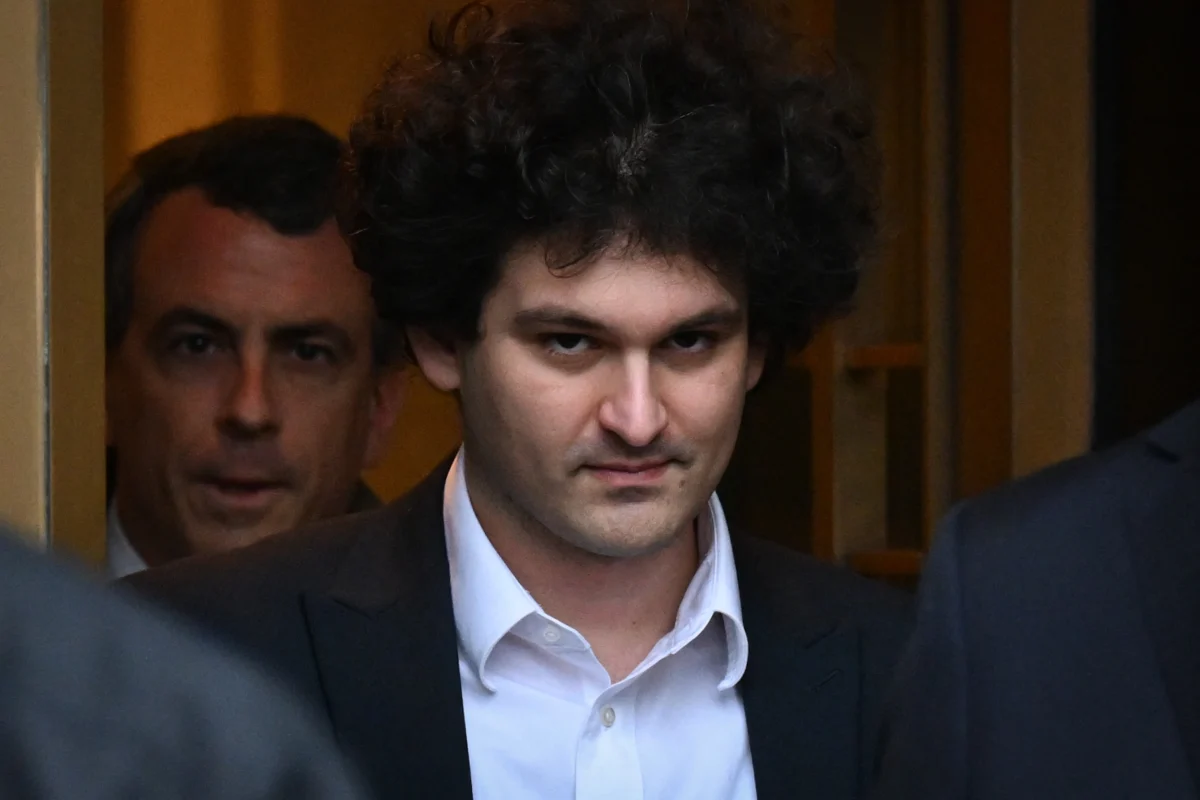
Sam Bankman-Fried, the embattled co-founder and former CEO of the collapsed cryptocurrency exchange FTX, has officially submitted a formal application for a presidential pardon to the United States Department of Justice’s Office of the Pardon Attorney. The move, which was first identified through updates on the Justice Department’s public database and subsequently reported by Bloomberg News, marks a significant turn in the legal saga of the man once hailed as the "King of Crypto." Bankman-Fried is currently serving a 25-year federal prison sentence following his 2024 conviction on multiple counts of fraud, conspiracy, and money laundering.
The petition for clemency comes at a time when the executive branch has demonstrated a heightened willingness to exercise its pardon power, particularly concerning individuals convicted of complex financial crimes. As the news of the application spreads through legal and financial circles, it has reignited the debate over the accountability of tech executives and the transparency of the federal pardon process. While Bankman-Fried’s legal team has remained largely silent regarding the specific arguments presented in the petition, the move is seen by many as a final, high-stakes effort to bypass the traditional appellate process and secure an early release from the Metropolitan Detention Center.
The Rise and Fall of the FTX Empire
To understand the weight of Bankman-Fried’s pardon request, one must look back at the unprecedented scale of the FTX collapse. Founded in 2019, FTX quickly rose to become one of the world’s largest and most influential cryptocurrency exchanges. Bankman-Fried, a graduate of the Massachusetts Institute of Technology (MIT) and a former Jane Street trader, became the face of the industry, advocating for "effective altruism" and promising to donate the vast majority of his wealth to charitable causes.
At its peak, FTX was valued at approximately $32 billion, attracting blue-chip investors such as Sequoia Capital, Temasek, and SoftBank. However, the facade crumbled in November 2022 when a report by CoinDesk revealed irregularities in the balance sheet of Alameda Research, a sister trading firm also owned by Bankman-Fried. The report suggested that Alameda’s assets were largely comprised of FTT, a token created by FTX, rather than independent assets. This revelation triggered a massive "run on the bank," as customers attempted to withdraw billions of dollars in a matter of days.
The subsequent investigation revealed a staggering $8 billion hole in the exchange’s accounts. Federal prosecutors alleged that Bankman-Fried had systematically diverted billions of dollars in customer funds to Alameda Research to cover trading losses, fund luxury real estate purchases in the Bahamas, and facilitate hundreds of millions of dollars in political donations.
The 2024 Conviction and Sentencing
Following his extradition from the Bahamas in late 2022, Bankman-Fried faced a high-profile trial in the Southern District of New York. In early 2024, a jury found him guilty on seven counts, including wire fraud, conspiracy to commit wire fraud against customers and lenders, and conspiracy to commit money laundering.
During the sentencing phase in March 2024, U.S. District Judge Lewis Kaplan delivered a scathing assessment of Bankman-Fried’s actions. The judge noted that the defendant had shown a "lack of remorse" and characterized his testimony during the trial as frequently evasive or dishonest. While the prosecution had sought a sentence of up to 50 years, Judge Kaplan settled on a 25-year term, emphasizing the need for deterrence in the burgeoning financial technology sector.
The court also ordered Bankman-Fried to pay $11 billion in forfeiture, a sum intended to account for the massive losses suffered by FTX customers and investors. Despite the sentencing, the FTX bankruptcy estate, led by CEO John J. Ray III, has continued efforts to recover assets, recently announcing that most creditors may eventually receive nearly 118% of their recognized claims in cash, though many argue this does not account for the massive appreciation of crypto assets lost during the freeze.
Analyzing the Trump Administration’s Pardon Patterns
The application to President Trump is framed against a backdrop of a highly active executive clemency period. Throughout his second term, President Trump has granted hundreds of pardons and commutations. While significant media attention has focused on pardons granted to participants of the January 6 Capitol riot, a substantial portion of the President’s clemency actions has targeted individuals convicted of white-collar and financial crimes.
An analysis conducted by NBC News in early 2026 revealed that more than half of the individual pardons granted during this term were for crimes such as money laundering, bank fraud, and wire fraud. This trend has drawn both praise from advocates of criminal justice reform, who argue for the mitigation of overly harsh federal sentencing guidelines, and criticism from legal experts who worry about the erosion of corporate accountability.
Data regarding the President’s recent pardons suggests several key trends:
- Financial Fraud Dominance: Over 55% of non-political pardons involved individuals sentenced for high-level financial misconduct.
- Bypassing the DOJ: Bloomberg reports that a significant number of the President’s pardonees did not follow the formal Justice Department application process, instead benefiting from direct executive intervention.
- Donor Correlations: Critics have pointed to a correlation between significant political contributions and the granting of clemency, though the White House has consistently maintained that all pardons are based on the merits of the individual cases and a commitment to "correcting judicial overreach."
Bankman-Fried’s decision to file a formal application with the Justice Department’s Pardon Attorney Office is notable because it follows the traditional, bureaucratic route, which includes a rigorous review by federal attorneys before reaching the President’s desk. This contrasts with several high-profile figures who have reportedly reached the President through informal channels or personal connections.
Chronology of the FTX Legal Saga
To provide context for the current pardon request, a timeline of key events is essential:
- November 2022: FTX files for Chapter 11 bankruptcy; Sam Bankman-Fried resigns as CEO.
- December 2022: Bankman-Fried is arrested in the Bahamas and extradited to the United States.
- October 2023: The criminal trial begins in Manhattan. Former associates, including Caroline Ellison and Gary Wang, testify against Bankman-Fried.
- November 2023: Bankman-Fried is found guilty on all seven counts.
- March 2024: Judge Lewis Kaplan sentences Bankman-Fried to 25 years in federal prison.
- 2024–2025: Bankman-Fried’s legal team files several appeals, citing "judicial bias" and "procedural errors," which remain pending in higher courts.
- June 2026: The Justice Department’s Pardon Attorney Office website reflects a formal pardon application filed by Bankman-Fried.
Official Responses and Public Sentiment
The news of the pardon application has elicited a polarized response across the political and financial spectrum. While the White House has not issued a specific comment on the Bankman-Fried case, spokespeople have reiterated the President’s broad authority under Article II of the Constitution to "grant Reprieves and Pardons for Offences against the United States."
Legal representatives for Bankman-Fried have previously argued that the 25-year sentence was "draconian," especially given the efforts by the bankruptcy estate to make victims whole. They contend that Bankman-Fried’s intent was never to defraud, but rather a result of mismanagement during a period of extreme market volatility.
Conversely, victim advocacy groups and several members of Congress have expressed outrage at the possibility of a pardon. "A pardon for Sam Bankman-Fried would be a slap in the face to the thousands of everyday investors whose lives were upended by his deceit," said a spokesperson for a prominent crypto-creditor coalition. "The legal system must show that being a billionaire or a political donor does not exempt you from the consequences of your crimes."
Financial analysts suggest that a pardon could have ripple effects throughout the cryptocurrency industry. If the founder of the most notorious failure in crypto history is granted clemency, it may signal a shift in how the U.S. government intends to regulate and police the sector moving forward.
Broader Impact and Implications for White-Collar Justice
The Bankman-Fried pardon request serves as a litmus test for the intersection of politics, finance, and the law. If granted, it would represent one of the most significant interventions in a corporate fraud case in American history. It also raises questions about the "standard" for clemency in the modern era.
Historically, pardons were often reserved for individuals who had served a significant portion of their sentence and demonstrated clear evidence of rehabilitation. Bankman-Fried, having served only a small fraction of his 25-year term, does not fit the traditional profile of a pardon recipient. However, the current administration’s focus on addressing what it perceives as "prosecutorial overzealousness" provides a potential window for his request.
From a regulatory standpoint, the SEC and the CFTC continue to monitor the situation. A pardon would not absolve Bankman-Fried of his civil liabilities or the permanent bans from the financial industry that have been imposed by various regulatory bodies. Nevertheless, the symbolic impact of a presidential pardon would be immense, potentially complicating future efforts to prosecute high-level financial crimes.
As the Pardon Attorney’s Office begins its review, the eyes of the financial world remain fixed on the White House. Whether Sam Bankman-Fried will find a reprieve from his 25-year sentence or remain a symbol of the 2022 crypto collapse remains to be seen, but the filing itself has already ensured that the FTX saga will remain at the forefront of the national conversation for the foreseeable future.