admin
admin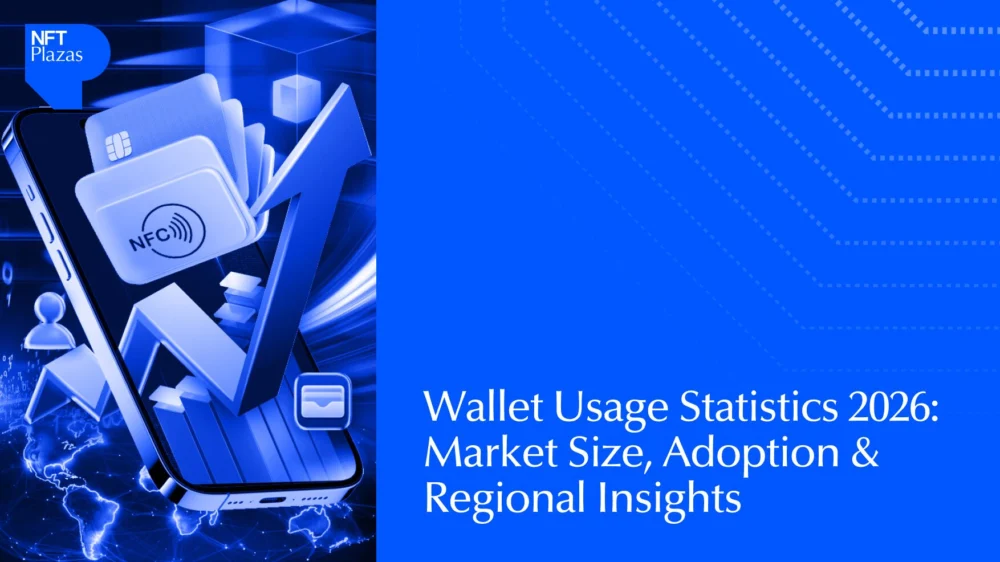
The way people pay for things has changed dramatically over the past few years. Digital and mobile wallets are no longer just an alternative to cash or cards; they have become the preferred payment method for billions of consumers across the globe, from everyday purchases to complex cross-border transactions. This profound shift is touching every region, every age group, and every corner of the financial ecosystem, from mainstream retail payments to sophisticated decentralized crypto transactions. The year 2026 marks a significant inflection point, solidifying digital wallets as the cornerstone of the global payment landscape, driven by unparalleled convenience, enhanced security features, and seamless integration into daily life. This comprehensive report explores the key wallet usage statistics shaping 2026, covering market size, global adoption trends, regional breakdowns, evolving consumer behavior, and the innovative platforms driving this revolution forward.
The Ascendance of Digital Wallets: A Chronological Overview
The journey towards the ubiquitous adoption of digital wallets in 2026 is a narrative of rapid technological evolution and shifting consumer preferences. Early forms of digital payments emerged with the advent of e-commerce in the late 1990s, primarily through desktop-based online payment gateways. The true revolution, however, began in the late 2000s and early 2010s with the proliferation of smartphones and the introduction of mobile payment systems like Apple Pay and Google Pay. These platforms capitalized on NFC technology for in-store payments and simplified online transactions.
The mid-2010s saw the explosive growth of super-apps in Asia, such as Alipay and WeChat Pay, which integrated payments with messaging, social media, and various lifestyle services, fundamentally altering consumer expectations. The COVID-19 pandemic further accelerated this trend globally, pushing contactless payments and online shopping into the mainstream as health concerns reduced reliance on physical cash and cards. By 2023-2024, digital wallets had surpassed credit and debit cards as the leading online payment method worldwide. Entering 2026, the ecosystem has matured, with robust infrastructure, enhanced security protocols, and a growing convergence between traditional finance and decentralized digital assets, positioning wallets as the central hub for personal finance.
Market Size & Projections: A Trillion-Dollar Ecosystem
The global digital wallet market has expanded at an unprecedented rate, projected to reach a staggering valuation of over $12 trillion in transaction value by the end of 2026. Industry analysts at Fintech Global estimate a compound annual growth rate (CAGR) exceeding 18% from 2023, underscoring the sustained momentum of this payment paradigm. This growth is primarily fueled by several macroeconomic and technological factors: the continued expansion of e-commerce, the increasing penetration of smartphones, the global push for financial inclusion in developing economies, and the continuous innovation in payment technologies such as biometric authentication and tokenization.
"Digital wallets are no longer a niche technology; they are the financial operating system for billions," commented Dr. Anya Sharma, lead analyst at Quantum Payments Research. "Their seamless integration into mobile devices, combined with the security enhancements and value-added services, makes them an irresistible proposition for both consumers and merchants. We anticipate this growth trajectory to continue well into the next decade as more economies digitize."
Global Transaction Volume & Value: Dominating the Payment Landscape
In 2026, digital wallets are responsible for processing an astonishing volume of transactions. Reports indicate that over 60% of all e-commerce transactions globally are now completed using a digital wallet, a figure that rises to nearly 75% in regions like Asia-Pacific. In physical retail environments, while still lagging slightly behind cards in some Western markets, digital wallets powered by NFC and QR codes account for approximately 35% of all point-of-sale (POS) transactions worldwide, up from just 20% in 2023.

The total transaction value processed through digital wallets is projected to exceed $100 trillion annually by 2026, encompassing everything from micro-payments for public transport to substantial cross-border remittances and high-value online purchases. This monumental volume highlights their critical role in both the everyday economy and international trade, demonstrating their efficiency and scalability as a payment mechanism.
United States Market Data: Catching Up to Global Trends
While historically slower in digital wallet adoption compared to East Asian markets, the United States has experienced a significant acceleration in recent years. By 2026, approximately 75% of American smartphone users actively utilize at least one digital wallet for transactions, up from 60% in 2023. The preference for in-store contactless payments has surged, driven by convenience and health considerations. Apple Pay and Google Pay remain the dominant players, together commanding over 80% of the mobile POS wallet market share in the U.S.
E-commerce in the U.S. also heavily relies on digital wallets, with PayPal maintaining a strong lead, often integrated into online checkout flows. Emerging trends include the increasing integration of buy-now-pay-later (BNPL) options directly within wallet interfaces, further enhancing their utility for consumers seeking flexible payment solutions. The competition among providers is intensifying, leading to continuous innovation in features and loyalty programs.
Regional Adoption & Market Share: A Diverse Global Picture
The landscape of digital wallet adoption varies significantly across different geographical regions, reflecting diverse economic conditions, technological infrastructures, and cultural preferences.
- Asia-Pacific (APAC): Remains the undisputed global leader in digital wallet adoption, with penetration rates exceeding 90% in key markets like China, India, and Southeast Asia. Super-apps like Alipay and WeChat Pay dominate China, while GrabPay, GoPay, and PhonePe are major players in Southeast Asia and India, respectively. Mobile-first economies in this region have largely bypassed traditional banking infrastructure, adopting digital wallets as their primary financial tool.
- Europe: Adoption rates continue to rise steadily, reaching an average of 65% across the Eurozone. While mobile wallets like Apple Pay and Google Pay are popular for contactless payments, national and regional solutions (e.g., Payconiq in Benelux, Blik in Poland) also hold significant market share, often supported by local banking consortia. Regulatory frameworks like PSD2 have also fostered innovation and competition.
- North America: As detailed above, the U.S. and Canada are seeing accelerated growth, driven by convenience and the integration of loyalty programs. Apple Pay, Google Pay, and PayPal are dominant, with strong merchant acceptance.
- Latin America: This region is experiencing rapid growth, fueled by increasing smartphone penetration and a demand for accessible financial services. Approximately 55% of the population uses digital wallets, with Mercado Pago being a standout regional leader alongside global players. The informal economy and high unbanked population present significant opportunities for further growth.
- Africa: Mobile money, a precursor to modern digital wallets, has long been prevalent in Africa, with services like M-Pesa transforming financial access. In 2026, the continent continues to innovate, with digital wallet adoption reaching around 45%, driven by local solutions and increasing internet access. Financial inclusion remains a key driver, with wallets offering a gateway to formal financial services for millions.
Payment Methods & Transaction Types: Beyond Retail
The utility of digital wallets in 2026 extends far beyond simple retail purchases. They have become versatile platforms supporting a wide array of transaction types and integrating various payment methods.
- Online Retail & Services: The primary use case, enabling one-click purchases and secure transactions across e-commerce platforms.
- In-Store Contactless Payments: NFC and QR code-based payments at physical points of sale, favored for speed and hygiene.
- Peer-to-Peer (P2P) Transfers: Facilitating instant money transfers between individuals, often integrated within messaging apps or dedicated wallet platforms. This is particularly popular among younger demographics.
- Bill Payments & Utilities: Many wallets allow users to pay utility bills, rent, and subscriptions directly from their interface, streamlining personal finance management.
- Cross-Border Remittances: A growing segment, with wallets offering lower fees and faster transfer times compared to traditional banking channels, benefiting migrant workers and international businesses.
- Public Transportation: Integration with transit systems, allowing users to tap and pay with their mobile device or smartwatch, enhancing urban mobility.
- Loyalty & Rewards Integration: Seamlessly incorporating loyalty cards, coupons, and reward points, enhancing the value proposition for consumers.
The interoperability between different payment rails—credit/debit cards, bank accounts, and even cryptocurrencies—within a single wallet interface is a key trend, offering users unparalleled flexibility.
Demographic Segmentation: A Multi-Generational Embrace
Digital wallet adoption, while widespread, shows interesting nuances across different demographic segments in 2026.

- Generation Z (born 1997-2012): This generation exhibits the highest adoption rates, often growing up with smartphones and digital-first financial habits. For them, digital wallets are the default payment method, used for virtually all transactions.
- Millennials (born 1981-1996): Close behind Gen Z, Millennials are also heavy users, appreciating the convenience and integration with online services. Many have transitioned from traditional banking to primarily managing finances through digital platforms.
- Generation X (born 1965-1980): Adoption among Gen X is strong and growing, particularly for online purchases and mobile payments in-store. They are increasingly embracing the efficiency offered by digital wallets.
- Baby Boomers (born 1946-1964): While initially slower to adopt, this demographic has shown remarkable growth in digital wallet usage, especially post-pandemic. Simplified interfaces and enhanced security features have helped bridge the technological gap, primarily for online shopping and P2P transfers.
Geographically, urban populations show higher usage rates due to greater access to compatible merchant infrastructure and higher smartphone penetration. However, rural areas are catching up, particularly in developing economies where digital wallets often serve as a primary banking alternative.
Consumer Behavior: The Quest for Seamlessness and Security
Consumer behavior in 2026 clearly indicates a strong preference for payment experiences that are fast, secure, and integrated. The primary drivers for digital wallet usage include:
- Convenience: The ability to make payments with a tap or scan, without needing to carry physical cards or cash.
- Speed: Faster checkout processes, both online and in-store.
- Security: Enhanced fraud protection, tokenization, and biometric authentication (fingerprint, facial recognition) are perceived as more secure than traditional methods.
- Rewards and Loyalty: Integration of loyalty programs, coupons, and cashback offers directly within the wallet encourages usage.
- Financial Management: Features like spending tracking, budgeting tools, and bill reminders are adding significant value.
A notable trend is the rise of multi-wallet users, with consumers often utilizing different wallets for different purposes (e.g., one for crypto, another for daily retail, and a third for P2P transfers). This behavior underscores the specialized utility and diverse offerings within the digital wallet ecosystem.
Major Providers & Platform Data: A Competitive Landscape
The digital wallet market in 2026 is characterized by a mix of global tech giants, regional super-apps, and innovative fintech startups.
- Apple Pay and Google Pay: Dominate the mobile operating system-integrated wallet space globally, leveraging their vast user bases and device ecosystems for in-store and in-app payments.
- PayPal: Continues to be a powerhouse, especially in e-commerce, offering a trusted and widely accepted payment gateway. Its Venmo subsidiary is a leader in P2P payments in the U.S.
- Alipay and WeChat Pay: Maintain their commanding lead in China and have significant reach across Asia, offering comprehensive super-app functionalities beyond just payments.
- Samsung Pay: Strong in markets where Samsung devices have high penetration, offering both NFC and MST (Magnetic Secure Transmission) for broader compatibility.
- Regional Players: Companies like GrabPay (Southeast Asia), PhonePe (India), Mercado Pago (Latin America), and M-Pesa (Africa) are crucial in their respective markets, often tailored to local financial landscapes and user needs.
The competition among these providers is intense, driving innovation in user experience, security features, and value-added services such as personalized offers, financial planning tools, and crypto integration.
Crypto Wallet Market & Adoption: The New Frontier of Digital Finance
The year 2026 marks a period of significant maturation and mainstreaming for crypto wallets. Driven by the increasing adoption of cryptocurrencies, NFTs, and decentralized finance (DeFi), the global crypto wallet market has seen exponential growth. Estimates suggest that the number of active crypto wallet users worldwide has surpassed 500 million, up from approximately 300 million in 2023.
This surge is fueled by several factors:

- Institutional Adoption: Growing interest from traditional financial institutions in offering crypto services.
- NFTs and Metaverse: The explosion of non-fungible tokens (NFTs) and the burgeoning metaverse economy have made crypto wallets essential for digital asset ownership and interaction.
- DeFi and Web3: The decentralized finance ecosystem continues to attract users seeking alternative financial services, requiring self-custodial wallets.
- User Experience Improvements: Crypto wallets have become more user-friendly, with enhanced security features and easier onboarding processes.
Both custodial wallets (offered by exchanges like Coinbase, Binance, Crypto.com) and non-custodial wallets (e.g., MetaMask, Ledger, Trust Wallet) are experiencing robust growth. Custodial wallets appeal to newcomers for their simplicity and familiar interface, while non-custodial wallets are preferred by seasoned users for their emphasis on self-sovereignty and direct interaction with Web3 applications. The convergence of traditional digital wallets and crypto wallets is also emerging, with some mainstream providers exploring ways to integrate crypto functionalities, signaling a future where digital assets are a seamless part of everyday payments.
"The integration of crypto into mainstream payment systems is no longer a distant dream; it’s happening now," stated Mark Chen, CEO of a prominent blockchain analytics firm. "As regulatory clarity improves and user interfaces become more intuitive, crypto wallets will increasingly serve as a bridge between the traditional financial world and the decentralized future, especially for cross-border transactions and unique digital ownership experiences."
Implications and Future Outlook
The pervasive adoption of digital wallets in 2026 carries profound implications for consumers, businesses, and the global financial system.
For consumers, it means greater convenience, enhanced security, and often more control over their financial data. The future promises even more personalized financial services, integrating AI-driven insights, proactive budgeting tools, and seamless access to a broader range of financial products.
For businesses, digital wallets offer reduced transaction costs, faster settlement times, and access to a wider customer base, particularly in regions where traditional banking penetration is low. Merchants can leverage the rich data generated by wallet transactions to offer targeted promotions and build stronger customer relationships. The shift also necessitates investments in robust digital payment infrastructure and cybersecurity measures.
For the financial industry, traditional banks face continued pressure to innovate and integrate digital wallet functionalities into their offerings. Partnerships between banks and fintech companies are becoming increasingly common, blurring the lines between traditional and modern finance. Regulatory bodies are also adapting, developing frameworks to ensure consumer protection, financial stability, and anti-money laundering compliance in an increasingly digital and decentralized payment landscape.
Looking ahead, the evolution of digital wallets is likely to be shaped by advancements in biometric technology, further integration with smart devices (wearables, IoT), and the continuous blurring of lines between fiat and digital asset payments. The metaverse economy, currently in its nascent stages, is expected to heavily rely on digital wallets for transactions and ownership of virtual assets, paving the way for entirely new forms of commerce and interaction. The trajectory established in 2026 confirms that digital wallets are not just a trend but a fundamental, irreversible transformation of how we manage and transact money globally.