admin
admin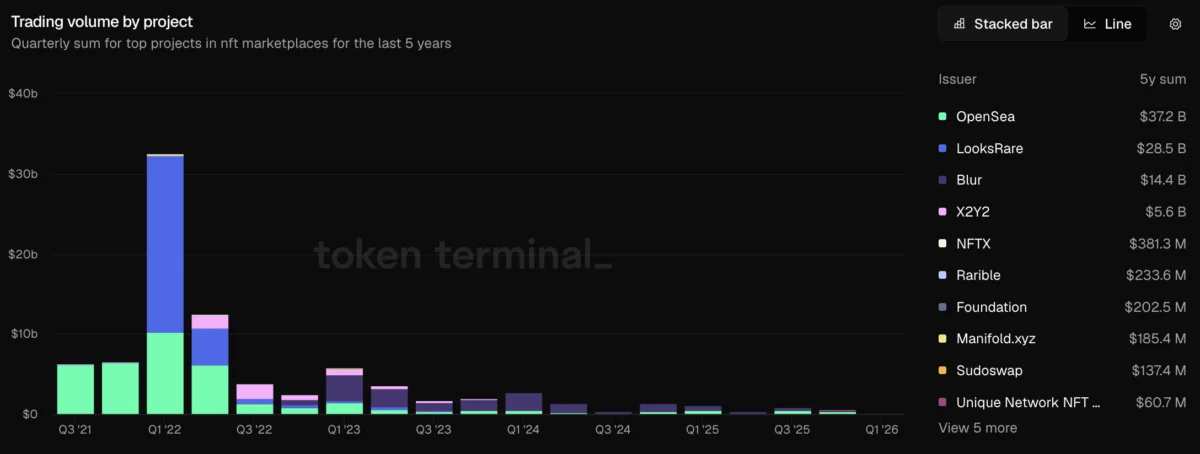
On April 16, 2026, Foundation, once a prominent non-fungible token (NFT) marketplace celebrated for its curated selection and artist-centric approach, officially announced it is in the process of shutting down. This decisive action follows the collapse of a critical "rescue" acquisition deal with digital art platform Blackdove, marking another significant failure in the struggling post-boom NFT market. The closure underscores the profound challenges faced by many platforms grappling with prolonged declining liquidity, shrinking revenues, and an increasingly concentrated competitive landscape.
Foundation’s journey from a lauded platform to cessation reflects the broader trajectory of the NFT market, which experienced an explosive boom between 2021 and 2022, only to enter a protracted "crypto winter" characterized by a severe downturn in trading volumes and investor interest. The platform, which had carved out a niche as a destination for high-quality, singular digital art pieces, ultimately proved unable to navigate these turbulent conditions or secure a viable long-term solution to continue its operations.
A Pioneer’s Rise and the NFT Boom
Foundation launched into the burgeoning NFT scene in early 2021, quickly distinguishing itself from more open and expansive marketplaces like OpenSea. Its invite-only model fostered a sense of exclusivity and curation, attracting a discerning community of artists and collectors. The platform became renowned for hosting 1/1 (one-of-one) digital art sales, facilitating direct connections between creators and buyers, and often featuring high-profile artists and significant sales. This approach resonated deeply during the NFT boom of 2021-2022, a period characterized by unprecedented enthusiasm for digital collectibles and blockchain-based ownership.
During this euphoric phase, NFTs transitioned from a niche blockchain application to a mainstream cultural phenomenon. Record-breaking sales, such as Beeple’s "Everydays: The First 5000 Days" fetching $69 million, captivated global attention. Projects like CryptoPunks and Bored Ape Yacht Club became symbols of digital identity and community, driving billions of dollars in monthly trading volume across the market. Foundation, with its focus on artistic integrity and a quality-over-quantity ethos, was a significant beneficiary of this surge, experiencing substantial growth in user engagement, transaction volume, and subsequently, revenue. It was seen by many as a torchbearer for the potential of digital art to thrive on the blockchain.
The Unforgiving Crypto Winter and Market Contraction
However, the speculative frenzy proved unsustainable. Beginning in late 2022 and extending through 2023 and into 2024, the broader cryptocurrency market entered a severe downturn, commonly referred to as the "crypto winter." This period was triggered by a confluence of macroeconomic factors—including rising global interest rates, persistent inflation, and a general shift towards risk aversion among investors—and crypto-specific events like the collapse of the Terra/Luna ecosystem and the FTX exchange bankruptcy.
The NFT market was particularly hard hit. Speculative demand, which had driven much of the earlier growth, evaporated. Trading volumes plummeted, and floor prices for many popular collections saw drastic reductions. The criticism of NFTs as mere "JPEGs" intensified, and the industry faced mounting questions about long-term utility beyond speculative investment. Regulatory uncertainty across various jurisdictions further dampened institutional and retail interest.
This market contraction created an incredibly challenging environment for NFT platforms. As liquidity thinned, users and capital naturally gravitated towards a few dominant marketplaces, exacerbating competition for smaller or niche players. For curated platforms like Foundation, which relied heavily on primary sales and a vibrant artist community, the decline in speculative interest and overall market activity created immense operational pressure. Their business model, primarily reliant on transaction fees, became increasingly untenable as volumes dwindled.

Foundation’s Financial Erosion: A Stark Decline in Revenue
The structural issues of the shrinking NFT market are starkly illustrated by Foundation’s precipitous financial decline. Data from Token Terminal paints a grim picture of the platform’s revenue trajectory. From a peak of approximately $20.5 million in 2021 during the height of the NFT boom, Foundation’s revenue plummeted to just about $90,000 in 2025. The first quarter of 2026 showed an even more drastic drop, with revenue recorded at only around $4,500. This represents a staggering decline of over 99% from its peak, effectively gutting the financial viability of the platform’s operations.
Accompanying this revenue collapse was a corresponding freefall in trading volume. During its peak period, Foundation regularly saw monthly trading volumes of $15 million to $20 million. By 2025 and early 2026, these figures had collapsed to fluctuate between only $30,000 and $100,000 per month. This dramatic reduction in activity clearly reflects a severe weakening of both demand and liquidity for the unique digital art pieces that Foundation specialized in. Despite having achieved hundreds of millions of dollars in total trading volume during its growth phase, the prolonged and steep decline made the fee-based business model impossible to maintain under the prevailing market conditions. The operational costs of maintaining a sophisticated marketplace infrastructure, even with a leaner team, simply could not be sustained by such negligible revenue streams.
The Failed Lifeline: Blackdove Acquisition Falls Through
Amidst these mounting difficulties, Foundation sought a lifeline through an acquisition. An agreement was reached earlier this year to sell the platform to Blackdove, a company specializing in digital art distribution and immersive experiences. This potential deal offered a glimmer of hope, with the expectation that Blackdove would continue to operate the Foundation platform, preserving its legacy and community. Kayvon, co-founder of Foundation, publicly acknowledged the deal, indicating that an initial operational handover had even commenced.
However, after further due diligence and a deeper evaluation of the acquired infrastructure, Blackdove ultimately concluded that building its own marketplace solution was more strategically aligned with its long-term vision. This decision, while perhaps pragmatic for Blackdove, proved to be the final blow for Foundation. On April 16, Foundation officially confirmed that the prospective buyer was no longer able to continue operating the platform. In their statement, Foundation leadership conveyed that, under the current challenging market conditions, they did not foresee any other suitable buyers emerging. Furthermore, parts of Foundation’s infrastructure had already begun to be decommissioned, rendering a potential transfer to another entity increasingly unfeasible. The collapse of this rescue deal effectively eliminated Foundation’s last viable option to continue operating under new ownership, sealing its fate.
Navigating the Shutdown: User Instructions and Asset Security
In light of the impending shutdown, Foundation has prioritized the security and accessibility of user assets. Crucially, the platform operates on a non-custodial model. This means that NFTs purchased or minted on Foundation are stored directly on the blockchain, not within Foundation’s centralized servers. Consequently, user assets remain secure and unaffected by the platform’s closure. This non-custodial design is a fundamental principle of many decentralized applications and proved vital in protecting users during this turbulent period.
To facilitate the orderly transition, the Foundation team announced they would temporarily bring the platform back online. This brief operational window is specifically designed to allow artists to delist any active NFT listings they may have. The team assured users that this infrastructure restart process would be relatively quick, taking approximately 15 to 20 minutes. For NFTs that are currently held within Foundation’s smart contracts (e.g., awaiting collection or resolution), the platform stated it is actively working to provide a solution that enables users to delist and withdraw these assets before the final cessation of services.
Additionally, Foundation committed to maintaining the metadata and media data for NFTs issued on its platform for at least one year. This ensures that the digital information associated with these NFTs (such as images, descriptions, and properties) remains accessible. Users have also been advised to proactively back up their data through third-party services to ensure long-term accessibility and control over their digital assets, reinforcing the ethos of self-sovereignty inherent in the blockchain space.

Broader Implications for the NFT Ecosystem: Centralization and Shifting Paradigms
Foundation’s closure is more than just the end of a single platform; it is a potent signal about the ongoing maturation and consolidation within the broader NFT market. This event highlights several critical implications for the future of digital art and collectibles:
-
Accelerated Market Centralization: The most immediate implication is the reinforcement of market centralization. As liquidity thins and the user base contracts, trading activity increasingly funnels into a few dominant platforms, primarily OpenSea and Blur. These larger players benefit from network effects, deeper liquidity pools, and often more robust financial backing, making it exceedingly difficult for smaller or niche marketplaces to compete. Foundation, despite its former standing and curated appeal, could not escape this gravitational pull towards larger aggregators.
-
Challenges for Curated and Niche Platforms: The closure underscores the specific vulnerability of platforms like Foundation, which prioritized curation, quality, and a dedicated artist community over sheer volume or speculative trading. In a bearish market, the demand for high-end, singular digital art can diminish significantly, making it harder for such platforms to sustain operations purely on transaction fees. The future for niche marketplaces may lie in highly specialized utilities, strong institutional partnerships, or innovative business models that move beyond simple transaction commissions.
-
Sustainability of Transaction-Fee Models: Foundation’s revenue plummeting by over 99% is a stark reminder of the fragility of business models solely reliant on transaction fees in a volatile market. The "creator royalties" debate, where some platforms reduced or eliminated royalties to attract volume, further complicated this model. The industry is being forced to explore more diversified and sustainable revenue streams, such as subscription services, utility-based fees, or tokenomics designed for long-term ecosystem growth rather than short-term trading.
-
Impact on Artists and Collectors: The disappearance of Foundation represents a loss for many artists who valued its curated environment and direct connection to collectors. While artists can migrate to larger platforms, they may find themselves competing in a more crowded and less artist-friendly environment. Collectors, particularly those who appreciated Foundation’s aesthetic and quality control, will also need to adjust to a landscape with fewer dedicated platforms for curated digital art.
-
Evolution Towards Utility-Driven NFTs: Foundation’s demise reinforces the narrative that the NFT market is shifting away from purely speculative profile picture (PFP) projects and abstract digital art, towards utility-driven applications. NFTs embedded in gaming, ticketing, identity management, loyalty programs, and intellectual property rights are gaining traction. The market is maturing, demanding real-world value and sustainable use cases beyond the initial speculative fervor.
The Road Ahead: A Maturing but Challenging Landscape
Foundation’s shutdown serves as a poignant cautionary tale and a significant marker in the ongoing evolution of the NFT space. While the speculative bubble of 2021-2022 has definitively burst, the underlying blockchain technology and the fundamental concept of digital ownership remain potent. The market is undergoing a painful but necessary consolidation and maturation phase. Only platforms with robust business models, diversified revenue streams, adaptability to changing market demands, and a clear long-term vision are likely to thrive.
The failure of the Blackdove deal also highlights that even efforts to "save" struggling platforms are not always feasible in the current market climate, where strategic priorities can quickly shift. As the NFT industry continues to navigate these challenging waters, the story of Foundation will undoubtedly be remembered as a crucial chapter, emphasizing the importance of resilience, innovation, and a deep understanding of market dynamics for any venture in the decentralized digital economy. The path ahead remains challenging, but it is also one ripe with opportunities for those who can build sustainable, value-driven ecosystems beyond the fleeting hype cycles.