admin
admin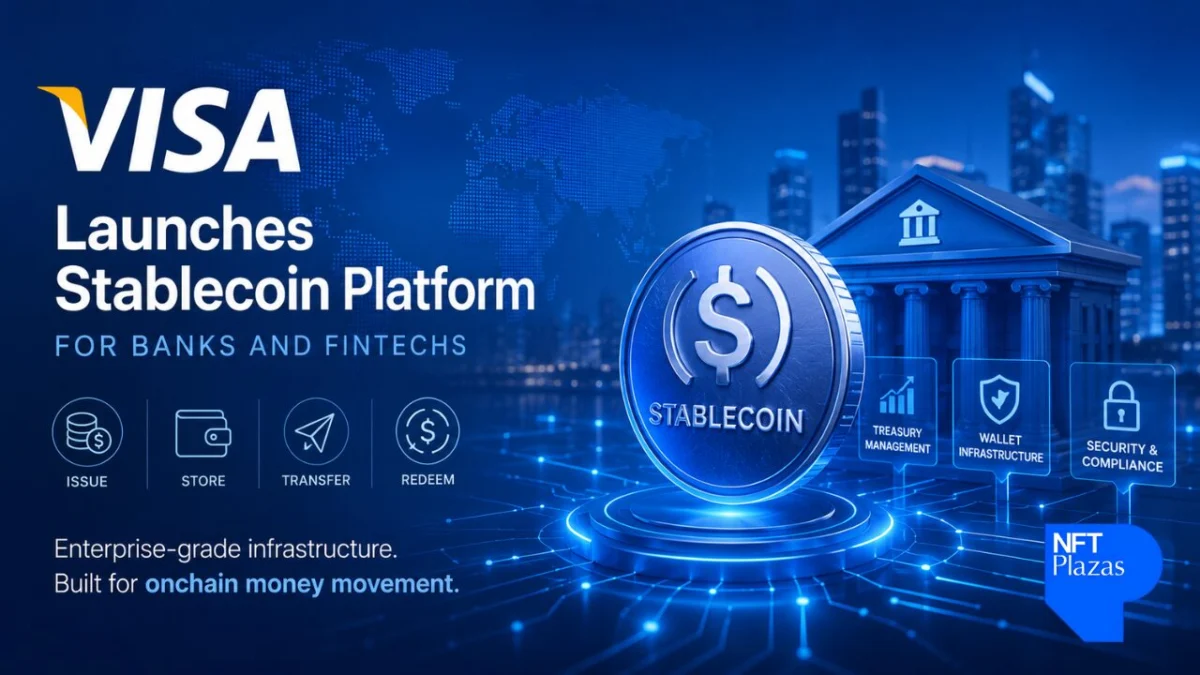
Visa, a global leader in digital payments, has launched a groundbreaking platform designed to empower banks, fintech companies, and payment providers with the capabilities to issue, store, transfer, and redeem stablecoins directly through its extensive payments network. This strategic initiative, known as the Visa Stablecoin Platform (VSP), marks a pivotal expansion of the card giant’s commitment to integrating blockchain-based finance into mainstream financial operations, moving significantly beyond its previous stablecoin settlement functionalities. The VSP is engineered to offer institutions a complete operating layer for on-chain money movement, effectively removing the substantial burden of developing proprietary blockchain infrastructure from the ground up.
The newly introduced platform consolidates critical functionalities—minting, redemption, secure wallet infrastructure, and sophisticated treasury management—into a singular, Visa-managed enterprise system. According to Visa, the primary objective of VSP is to streamline stablecoin operations, making them considerably easier to deploy within existing payment and settlement workflows. This integration aims to eliminate the complexities and technical challenges institutions currently face when attempting to piece together disparate vendors and technologies to manage digital assets. Jack Forestell, Visa’s Chief Product and Strategy Officer, articulated the vision, stating, "Stablecoins are opening up a new layer of programmable money, but for most institutions the hard part isn’t the concept, it’s the operational reality. With the Visa Stablecoin Platform, we’re giving our clients a single place to mint, move, and manage stablecoin operations with the controls, security, and network reach they already expect from Visa." This statement underscores Visa’s recognition of the operational hurdles preventing broader institutional adoption and its intent to provide a comprehensive, trusted solution.
Understanding Stablecoins and Their Growing Relevance
Stablecoins are a class of cryptocurrencies engineered to maintain a stable value, typically by pegging their worth to a stable asset like the U.S. dollar or a basket of fiat currencies. Unlike highly volatile cryptocurrencies such as Bitcoin or Ether, stablecoins offer the speed, efficiency, and transparency of blockchain technology without the dramatic price fluctuations. This unique characteristic has propelled stablecoins into one of the fastest-growing segments of the digital asset market, making them increasingly attractive to financial institutions seeking reliable digital alternatives for transactions and settlements. Their utility extends to facilitating faster cross-border payments, reducing transaction costs, and enabling programmable financial infrastructure, which are all critical drivers for their deepening adoption across the financial sector. The global stablecoin market capitalization has soared, demonstrating a clear demand for digital currencies that combine blockchain’s benefits with price stability. As of recent data, the total market capitalization of stablecoins regularly exceeds tens of billions of dollars, with daily transaction volumes often rivaling traditional payment rails in certain segments, highlighting their operational significance.
Visa’s Strategic Evolution in Blockchain and Digital Assets
The launch of VSP is not an isolated event but rather the culmination of years of strategic investment and development by Visa in the blockchain and digital asset space. Visa has been methodically building out a suite of related products and services designed to bridge the gap between traditional finance and the emerging digital economy. A significant milestone in this journey was the company’s prior establishment of stablecoin settlement support, which it has progressively expanded across various blockchain networks. In April of the preceding year, Visa announced a substantial increase in its stablecoin settlement program, revealing an impressive annualized stablecoin settlement volume that had reached $7 billion. Concurrently, its support for stablecoin-linked card programs had grown to encompass over 130 programs across more than 50 countries, demonstrating a robust and expanding ecosystem for digital currency integration.

These preceding initiatives laid the groundwork for VSP, positioning Visa as a proactive innovator rather than a passive observer in the digital asset landscape. The company’s consistent efforts to facilitate crypto-linked card programs have allowed consumers to spend their digital assets at millions of merchant locations worldwide, effectively integrating cryptocurrencies into everyday commerce. Similarly, its blockchain-based money movement services have explored new efficiencies for B2B payments and treasury operations. The VSP, therefore, represents a natural and logical progression, elevating Visa’s engagement from facilitating the movement of existing stablecoins to providing the foundational infrastructure for their issuance and comprehensive management. This strategic shift underscores Visa’s long-term vision of making stablecoins a core component of global payment rails, rather than a niche application.
In-Depth Look at VSP’s Architecture and Security Features
The Visa Stablecoin Platform offers a robust suite of features designed to meet the rigorous demands of institutional clients. Central to its offering is a comprehensive Wallet-as-a-Service infrastructure, which provides institutions with the necessary tools for secure digital asset management without requiring them to develop and maintain their own complex blockchain wallets. This service is complemented by robust blockchain connectivity, ensuring seamless interaction with various underlying blockchain networks.
Crucially, VSP incorporates advanced security controls, reflecting Visa’s deep expertise in securing financial transactions. These controls include dual-approval workflows, which mandate multiple authorizations for transactions, significantly reducing the risk of unauthorized activity. Detailed audit logs provide an immutable record of all platform activities, essential for compliance and transparency. Furthermore, transfer allow lists enable institutions to pre-approve specific recipient addresses, adding an extra layer of security by restricting transfers to known and trusted entities. These features are particularly vital for banks and fintechs, as they mirror the stringent controls and compliance frameworks already embedded within traditional finance, such as multi-signature approvals, comprehensive recordkeeping, and regulatory compliance checks. By integrating these familiar security and control mechanisms, VSP aims to foster greater trust and operational comfort among institutions venturing into stablecoin operations.
Clients leveraging VSP have the flexibility to choose between utilizing a Visa-managed wallet stack or integrating their own existing wallet providers with the platform. This adaptability ensures that institutions can maintain control over their preferred infrastructure while still benefiting from VSP’s advanced capabilities. Regardless of the chosen wallet setup, clients gain access to a unified set of tools for minting new stablecoins, burning (destroying) stablecoins, securely holding digital assets, and executing transfers. These functions are designed for seamless integration into an institution’s broader treasury, liquidity management, and settlement operations, enabling a more cohesive and efficient financial ecosystem.
Strategic Partnerships and Competitive Landscape
At its launch, the Visa Stablecoin Platform has announced initial support for Open USD (OUSD), a new stablecoin introduced by the Open Standard consortium. This partnership is particularly noteworthy given OUSD’s innovative economic model. Unlike many existing stablecoins where the revenue generated from reserve assets is concentrated solely with a single issuer, OUSD’s model reportedly allows partners to share in the reserve income. This revenue-sharing structure could prove highly attractive to banks and payment firms, offering them not only the underlying infrastructure but also an economic incentive that aligns with their adoption efforts and contributes to their bottom line. The Open Standard consortium itself boasts a diverse and broad list of backers spanning payments, banking, technology, and crypto sectors, lending significant institutional weight and credibility to the OUSD project, even in its early stages.

Visa’s endorsement and integration of OUSD into VSP are seen as a powerful validation for the nascent stablecoin. This move has already begun to stir market anxiety among existing stablecoin issuers, particularly those with a more centralized revenue model. The competitive implications became acutely apparent when reports surfaced indicating a decline in shares for Circle, the company behind USDC, shortly after Visa’s announcement. This market reaction underscores investor concerns that a partner-owned, revenue-sharing stablecoin model, backed by a payments giant like Visa, could pose a significant challenge to the long-term business models of established issuers. While VSP is designed to work alongside Visa’s existing support for other prominent stablecoins like Circle’s USDC and Paxos’ USDG, thereby widening the array of stablecoin tools available to institutional clients, the strategic emphasis on OUSD sends a clear signal about potential future directions and competitive pressures within the stablecoin ecosystem. Initially, the VSP platform is being rolled out to a select group of beta users, allowing for fine-tuning and feedback before a broader release.
Broader Impact and Future Implications for Digital Finance
The introduction of the Visa Stablecoin Platform represents a monumental step for Visa, signaling a definitive shift from merely experimenting with blockchain technology to establishing robust, scalable infrastructure for digital assets. By positioning stablecoins as a core component of modern payment rails, treasury tools, and settlement systems, Visa is laying the groundwork for widespread adoption by banks, fintechs, and even crypto-native businesses. This strategic pivot suggests that Visa views stablecoins not as a niche feature within the broader cryptocurrency landscape but as fundamental elements that will redefine global financial transactions.
The implications of VSP are far-reaching. For traditional financial institutions, it offers a simplified, secure, and compliant pathway to engage with digital currencies, potentially unlocking new efficiencies in cross-border payments, interbank settlements, and liquidity management. The platform’s integrated nature could significantly lower the barrier to entry for institutions that have been hesitant to embrace blockchain due to technical complexities or regulatory uncertainties. Furthermore, by fostering competition and innovation in the stablecoin issuance market through models like OUSD, Visa could inadvertently accelerate the evolution of digital currency economics, potentially leading to more diversified and resilient stablecoin ecosystems.
This initiative is also likely to intensify the global discourse around digital currency regulation. As major players like Visa embed stablecoins more deeply into the financial system, regulators worldwide will face increased pressure to provide clear, comprehensive frameworks that govern the issuance, transfer, and oversight of these digital assets. Visa’s move, therefore, contributes to the ongoing maturation of the digital asset market, pushing it closer to mainstream financial services and necessitating a harmonized approach to ensure stability, consumer protection, and financial integrity. Ultimately, the Visa Stablecoin Platform is poised to be a significant catalyst in the ongoing transformation of global payments, promising a future where digital currencies play an increasingly integral role in the fabric of the financial world.