admin
admin
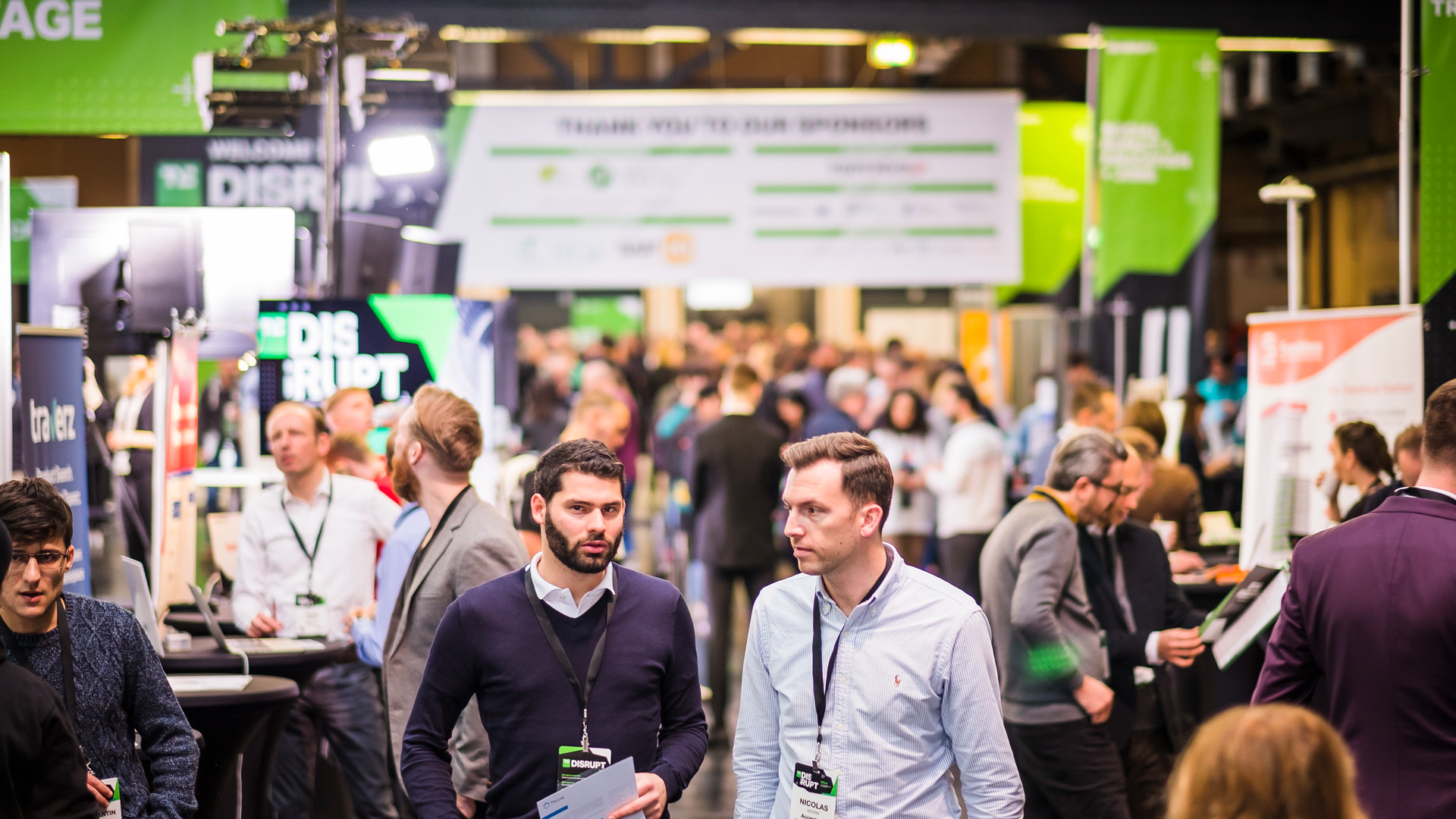
TechCrunch has officially announced the return of the Builders Stage for its 2026 Disrupt conference, scheduled to take place at the Moscone Center in San Francisco from October 13 to October 15. As the flagship event for the global startup ecosystem, TechCrunch Disrupt 2026 is expected to host more than 10,000 participants, including founders, venture capitalists, and technology operators. The Builders Stage, one of six specialized industry-focused tracks, will serve as a central hub for practical, high-stakes conversations regarding the mechanics of building and scaling modern technology companies.
The 2026 agenda arrives at a pivotal moment for the tech industry, as the sector moves past the initial hype of generative artificial intelligence and into a phase of rigorous operational execution. The programming for the Builders Stage is specifically designed to address the widening gap between initial product conception and the achievement of sustainable, long-term growth. Key themes for this year’s sessions include the nuances of fundraising in a more discerning capital market, the integration of AI into human-centric workflows, and the strategic pivot toward mergers and acquisitions as a viable early-stage exit path.
Strategic Framework for the 2026 Tech Ecosystem
The Builders Stage at Disrupt 2026 features a roster of industry veterans and emerging leaders. Among the confirmed speakers are Grant Lee, CEO and co-founder of Gamma; Leah Solivan, founder and general partner at Precedent.vc and former founder of TaskRabbit; Robby Stein, Vice President of Product at Google; and Jahanvi Sardana, Partner at Index Ventures. These experts will lead sessions that move beyond theoretical advice, focusing instead on real-world case studies and actionable frameworks.
Since its inception, TechCrunch Disrupt has served as a launchpad for some of the world’s most influential companies, including Dropbox, Mint, and Fitbit. In 2026, the Builders Stage continues this tradition by focusing on the "how" of company building. While the Startup Battlefield competition highlights innovation, the Builders Stage focuses on the infrastructure required to support that innovation. According to event organizers, the curriculum is structured to support founders moving from the "Seed" phase to "Series A" and beyond, a transition that has become increasingly difficult due to heightened investor expectations regarding revenue quality and unit economics.
Chronology of the Event and Registration Timeline
TechCrunch Disrupt 2026 follows a structured three-day timeline designed to maximize networking and knowledge transfer. The event will open on October 13 with keynote addresses and the commencement of the Startup Battlefield 200, where the top 200 startups selected from thousands of applicants showcase their technology. The Builders Stage will run concurrently with other tracks, offering a deep dive into operational excellence.
Registration for the event is currently open, with early-bird pricing offering savings of up to $330. Organizers have implemented a tiered pricing structure that rewards early commitment, reflecting the high demand for access to the Moscone Center venue. As the October dates approach, TechCrunch will continue to announce additional speakers and specific session times, building toward a comprehensive three-day experience that culminates in the awarding of the $100,000 equity-free grand prize for the Startup Battlefield winner.

Deep Dive into the Builders Stage Agenda
The 2026 agenda reflects a market that is increasingly focused on defensibility and disciplined growth. One of the headline sessions, "How to Win When You’re Not Building AI," features Shan Shan of Baillie Gifford and Yuri Sagalov of General Catalyst. This session acknowledges the current market saturation of AI-centric pitches and provides a roadmap for companies focusing on traditional software, hardware, or services. Analysts suggest that while AI continues to attract the lion’s share of venture capital, there is a growing appetite for "fundamental" businesses that prioritize retention and efficient customer acquisition over trend-chasing.
Another critical session, "What Happens When OpenAI Ships Your Roadmap," addresses the existential threat faced by many startups. Featuring Michel Tricot (Airbyte), Rob Toews (Radical Ventures), and Linda Tong (Webflow), the panel will discuss the "platform risk" inherent in the current ecosystem. As foundational model providers like OpenAI and Anthropic expand their native capabilities, smaller startups must find ways to build "moats"—whether through proprietary data, superior user experience, or niche vertical integration.
The curriculum also tackles the changing nature of the workforce. In the session "Hiring When AI Is a Co-Founder," Josh Reeves, CEO of Gusto, will explore the hybrid nature of modern teams. Data from 2025 indicates that early-stage startups are now achieving higher revenue-per-employee ratios by utilizing AI agents for coding, customer support, and administrative tasks. The session will provide frameworks for deciding which roles remain human-centric and which can be successfully automated.
Fundraising and Market Dynamics in 2026
The Builders Stage will provide a comprehensive look at the state of venture capital. "The Series A in 2027" session, featuring partners from Index Ventures, Bessemer Venture Partners, and Peak XV, is designed for founders who are currently in the seed stage. The panel will analyze the metrics that will be required to clear the Series A hurdle in the coming year. Current trends suggest that the "fundability" bar has shifted; investors are no longer satisfied with mere user growth but are looking for clear paths to $10 million in Annual Recurring Revenue (ARR).
This shift is further explored in the session "The 90-Day GTM: Why $0–$10M ARR Is the New Baseline." Speakers Ryan Meadows of Lovable and Tomasz Tunguz of Theory Ventures will discuss how AI-enabled sales and marketing tools have compressed the time it takes for a company to scale. In previous cycles, reaching $10 million in ARR was a milestone often reserved for Series B or C companies. In 2026, it is increasingly viewed as the prerequisite for significant institutional backing.
Furthermore, the session "M&A Is Now an Early-Stage Strategy" recognizes the cooling of the IPO market and the rise of strategic acquisitions. Karl Alomar of M13 and Aklil Ibssa of Coinbase will discuss how founders can architect their products to be attractive acquisition targets from day one. This reflects a broader trend in the tech industry toward consolidation, as established players look to acquire innovative talent and technology to bolster their own AI capabilities.
Supporting Data and Broader Impact Analysis
The focus of the Builders Stage aligns with broader macroeconomic data. According to recent venture reports, while total capital invested in 2025 remained stable compared to 2024, the number of deals decreased, indicating a "flight to quality." Investors are placing larger bets on fewer companies, specifically those that demonstrate high operational maturity. The Builders Stage aims to provide the education necessary for founders to enter this elite tier of "high-conviction" startups.

Market analysts observe that the tech industry is currently navigating a "re-baselining." The era of growth-at-all-costs has been replaced by an era of "efficient scale." This is evidenced by the Builders Stage session on Product-Market Fit (PMF) red flags, led by Rajeev Dham of Sapphire Ventures and Rahul Vohra of Superhuman. The session aims to help founders distinguish between "hype-driven adoption" and true, sustainable retention—a distinction that has become blurred in the AI-centric market.
The psychological impact of this high-pressure environment is also a key component of the 2026 program. "Yes, It’s Hard to Be a Founder: An Honest Conversation" will feature mental health experts and veteran founders discussing burnout and decision fatigue. This inclusion highlights a growing recognition within the tech community that human sustainability is a prerequisite for company sustainability.
Broader Implications for the San Francisco Tech Hub
The return of TechCrunch Disrupt to the Moscone Center also serves as a significant indicator of San Francisco’s enduring status as the epicenter of the global tech industry. Despite the rise of remote work and the emergence of other tech hubs, the concentration of venture capital and engineering talent in the Bay Area remains unparalleled. Disrupt 2026 is expected to generate significant economic activity for the city, drawing thousands of international visitors and reinforcing the local ecosystem.
The event’s emphasis on "Builders" reflects a shift in the cultural narrative of Silicon Valley. There is a renewed focus on the craft of engineering and the discipline of operations. As the industry matures, the value of "building" is being elevated alongside the value of "disrupting." The Builders Stage at TechCrunch Disrupt 2026 stands as the primary venue for this professionalization of the founder’s journey.
By providing a platform for candid conversation and the exchange of rigorous, data-driven strategies, TechCrunch Disrupt 2026 aims to prepare the next generation of leaders for the complexities of a multi-model, AI-integrated, and capital-efficient world. Founders and operators looking to navigate these challenges are encouraged to secure their participation before the next pricing increase, as the tech community prepares to converge in San Francisco this October.