admin
admin
The Trump Media and Technology Group (TMTG), founded by former U.S. President Donald Trump, has announced a significant strategic realignment, stepping back from previously announced collaborations with the prominent cryptocurrency exchange Crypto.com. This decision signals a clear pivot in TMTG’s corporate strategy, as the company now intends to prioritize a merger with TAE, an entity operating within the energy sector. The move, first brought to light by Axios on a Friday in August 2026, marks a notable departure from TMTG’s nascent ventures into the digital asset space, specifically its plans for a substantial CRO token treasury and the integration of prediction markets into its flagship Truth Social platform.
Kevin McGurn, the interim CEO of TMTG, reportedly confirmed the company’s withdrawal from two distinct agreements with Crypto.com. These agreements had outlined ambitious plans: the establishment of a $6.4 billion CRO digital asset treasury and the implementation of prediction markets under a service dubbed "Truth Predict" on Truth Social. A joint statement issued by TMTG, Crypto.com, and Yorkville Acquisition Corp., the Special Purpose Acquisition Company (SPAC) involved in the original partnership discussions, attributed the dissolution of the treasury deal to "prevailing market conditions and shifting business and stakeholder priorities." McGurn further clarified that the decision to recalibrate these digital asset strategies was primarily influenced by evolving competitive dynamics within the media and technology landscape, rather than by specific regulatory concerns pertaining to the U.S. administration’s oversight of the cryptocurrency industry. This clarification comes amidst ongoing scrutiny from lawmakers regarding potential conflicts of interest between the Trump family’s business ventures and digital asset investments, highlighting a persistent ethical debate surrounding political figures’ involvement in emerging financial sectors.
The Genesis of TMTG’s Crypto Ambitions
TMTG’s initial foray into the cryptocurrency space was met with considerable attention, particularly given its founder’s high profile and the often-volatile nature of the digital asset market. The company, established in October 2021, launched Truth Social as its primary product, positioning it as an alternative social media platform that championed "free speech" in response to perceived censorship by mainstream tech giants. The pursuit of diversification and innovative revenue streams was a logical progression for TMTG as it sought to expand its ecosystem and enhance user engagement beyond traditional advertising models.
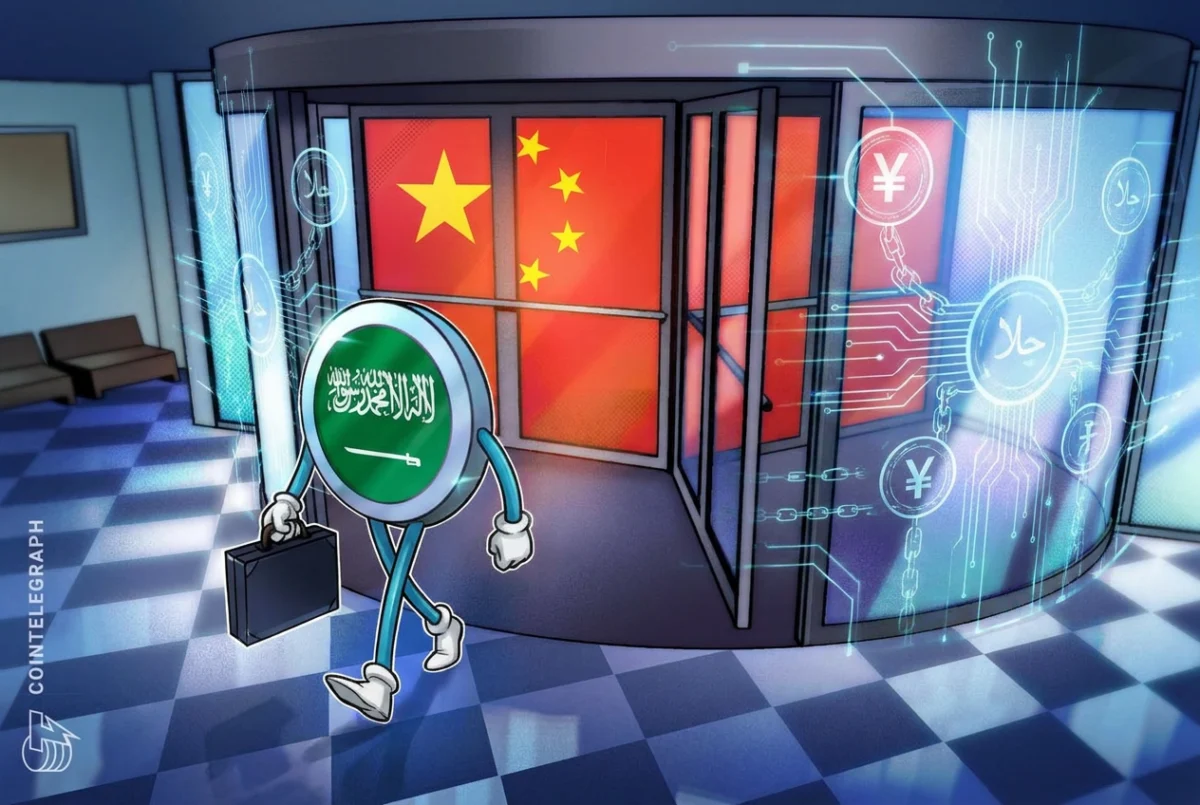
The initial announcement of the CRO treasury deal in September 2025 sent ripples through both the crypto and media sectors. The proposed agreement envisioned TMTG acquiring billions of dollars’ worth of Crypto.com’s native CRO tokens. This substantial investment was projected to serve multiple strategic purposes. Firstly, it aimed to establish a significant digital asset reserve, potentially providing TMTG with a new form of corporate treasury management that leveraged the growth potential of cryptocurrencies. Secondly, and perhaps more directly relevant to its user base, the deal hinted at the possibility of integrating CRO-based rewards into the Truth Social platform. This could have enabled users to earn crypto tokens for various activities, such as content creation, engagement, or referral programs, thereby fostering a more vibrant and incentivized community.
Following this, in October 2025, TMTG further elaborated on its crypto ambitions by announcing plans to enable prediction markets on Truth Social through a service named Truth Predict. Prediction markets, which allow users to bet on the outcome of future events using digital assets, have gained traction in certain segments of the crypto community. Proponents argue they can offer unique insights into public sentiment and future probabilities. For TMTG, integrating such a feature could have provided an interactive and potentially lucrative new dimension to Truth Social, drawing in users interested in combining social interaction with speculative engagement on a wide range of topics, from political events to entertainment outcomes.
These initiatives underscored TMTG’s apparent commitment to exploring Web3 technologies and leveraging the burgeoning digital economy to differentiate Truth Social and enhance its value proposition. The partnerships with Crypto.com, a recognized global player in the cryptocurrency exchange landscape, were seen as a significant validation of TMTG’s intent to seriously integrate crypto into its business model.
Crypto.com: A Partner in Transition
Crypto.com, founded in 2016, has grown to become one of the world’s largest cryptocurrency exchanges, known for its extensive marketing campaigns, sponsorship deals with major sports leagues, and a broad suite of crypto-related products and services, including trading, NFTs, and a DeFi wallet. Its native token, CRO, plays a central role in its ecosystem, offering staking rewards, reduced trading fees, and other benefits to holders. The proposed partnership with TMTG, especially the $6.4 billion CRO treasury deal, would have represented a monumental endorsement of the CRO token and a significant expansion of its utility and market presence.
For Crypto.com, a collaboration with TMTG, particularly with the direct involvement of former President Trump, presented an unparalleled opportunity for mainstream exposure and potential user acquisition from a demographic potentially less familiar with cryptocurrencies. The dissolution of these deals therefore represents a missed opportunity for Crypto.com to further integrate its token and services into a prominent, politically charged media platform. While the official statement cited "prevailing market conditions and shifting business and stakeholder priorities," the broader implications for Crypto.com’s future partnership strategies and the market perception of CRO will undoubtedly be subject to scrutiny. The exchange has, in recent years, navigated a complex regulatory environment and faced its own challenges related to market volatility and competition.
The Pivot to Energy: TAE Merger
The announcement that TMTG is now concentrating on a merger with TAE, an energy company, signals a dramatic reorientation of the media group’s strategic focus. While specific details about TAE remain to be publicly disclosed, the shift from digital assets and social media innovation to the energy sector suggests a fundamental reassessment of TMTG’s core business model and growth avenues. The energy industry, encompassing everything from traditional fossil fuels to renewable energy sources and advanced power technologies, operates on entirely different principles, capital requirements, and regulatory frameworks than the media or cryptocurrency sectors.
Such a pivot could be driven by several factors. It might reflect a strategic decision to align TMTG with an industry perceived as more stable, less volatile, or possessing greater long-term growth potential in the current economic climate. The energy sector often involves large-scale infrastructure projects, significant capital investment, and can be influenced by geopolitical factors and government policies. A merger with an energy company could provide TMTG with access to new revenue streams, diversify its asset base, and potentially offer a more tangible and established business foundation compared to the rapidly evolving and sometimes unpredictable digital asset space. This shift could also be a response to the inherent difficulties and regulatory complexities associated with integrating advanced Web3 functionalities into a mainstream media platform.
Regulatory Scrutiny and Ethical Considerations
The context surrounding TMTG’s crypto ventures has been consistently shadowed by significant ethical and regulatory concerns. Donald Trump’s continued involvement in TMTG, both as its founder and a prominent political figure, has drawn criticism from lawmakers and ethics watchdogs. The central point of contention revolves around the potential for conflicts of interest, particularly given the former president’s possible future political roles and the regulatory landscape for cryptocurrencies.
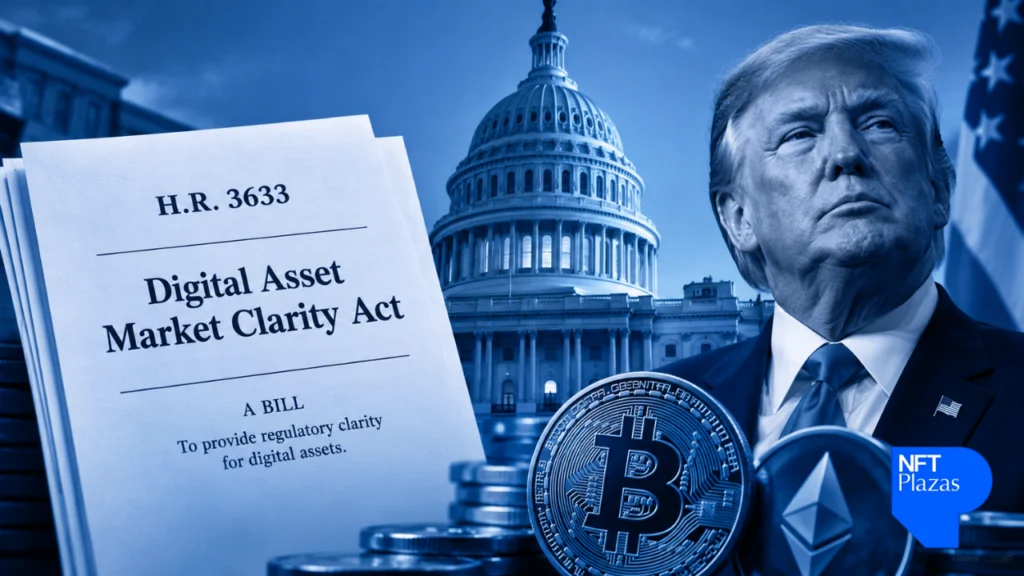
Lawmakers have repeatedly called for robust ethics provisions in any proposed crypto market structure bill. These provisions aim to prevent situations where public officials, or their immediate families and associated businesses, could financially benefit from policy decisions or regulatory changes impacting digital assets. The original article referenced a "proposed CLARITY ethics deal," which, according to Bloomberg, could potentially save Trump millions in taxes, further fueling the debate about the intersection of his business interests and public policy.
McGurn’s statement that the pullback was driven more by "competitive dynamics" than "regulatory concerns" attempts to de-emphasize the role of governmental oversight in the decision. However, the persistent public and congressional scrutiny undoubtedly forms part of the broader operating environment for TMTG’s digital asset ambitions. High-profile political involvement in a nascent, heavily regulated sector like cryptocurrency inevitably attracts increased attention, adding layers of complexity to business development. The ethical debate extends beyond direct regulatory action, influencing public perception, investor confidence, and the willingness of other companies to partner with politically connected entities in sensitive sectors.
Market Conditions and Shifting Priorities
The joint statement’s mention of "prevailing market conditions and shifting business and stakeholder priorities" as reasons for the withdrawal offers a broader context for the decision. The cryptocurrency market is notoriously volatile, characterized by boom-and-bust cycles. While the specific market conditions in August 2026 are not detailed, it is plausible that a period of market instability or a downturn in the broader crypto economy could have influenced TMTG’s assessment of its digital asset strategy. Significant price fluctuations in CRO or a general cooling of investor enthusiasm for crypto ventures could have made the proposed $6.4 billion treasury deal less attractive or financially viable.
Furthermore, "shifting business and stakeholder priorities" indicates an internal re-evaluation within TMTG. This could involve an assessment of the resources required to execute the crypto deals, the projected return on investment, the technical complexities of integration, and the overall strategic fit within TMTG’s evolving vision. It’s possible that the anticipated benefits of the crypto initiatives were outweighed by other opportunities, such as the TAE merger, which may promise a more direct or stable path to growth and profitability. Stakeholder priorities, including those of investors, board members, and potentially even Donald Trump himself, would have played a crucial role in this strategic recalibration.
Implications and Future Outlook
The strategic pivot carries significant implications for all parties involved:
- For TMTG: The company is undergoing a fundamental transformation. Stepping away from crypto means abandoning a potentially innovative, albeit risky, avenue for user engagement and revenue. The focus on an energy merger suggests a pursuit of more traditional, possibly larger-scale, industrial ventures. This could either stabilize TMTG’s financial footing or introduce new complexities associated with operating in a different, capital-intensive sector. The success of this new direction will hinge on the specifics of the TAE merger and TMTG’s ability to effectively integrate and operate within the energy industry. It also means Truth Social will need to find alternative ways to drive user growth and engagement without the planned crypto rewards or prediction markets.
- For Crypto.com: The withdrawal of TMTG’s partnership is a setback, particularly concerning the large-scale CRO token treasury. While Crypto.com is a robust and established player, such a high-profile dissolution could affect market sentiment towards CRO, even if temporarily. The exchange will likely continue to pursue other partnerships and focus on its core offerings, but the TMTG deal represented a unique opportunity for brand visibility within a specific political and media demographic.
- For Yorkville Acquisition Corp.: As a SPAC, Yorkville’s role is to merge with a target company. The dissolution of the crypto deals necessitates a re-evaluation of its strategy concerning TMTG or finding alternative targets if its initial focus was solely on the crypto-related aspects of the TMTG partnership. SPACs face their own set of challenges, including redemption rates and finding suitable merger partners, and this development adds another layer of complexity.
- For the Broader Crypto Industry: While one high-profile exit does not define an entire industry, it underscores the ongoing challenges of mainstream adoption, regulatory uncertainty, and the inherent volatility of digital assets. It may lead other companies to reconsider similar high-profile partnerships, especially those involving politically sensitive figures, due to the added layers of scrutiny and potential for abrupt strategic shifts.
- For Donald Trump’s Business and Political Image: The decision reflects a pragmatic shift in business strategy. While it moves TMTG away from the immediate ethical dilemmas surrounding crypto investments, the broader scrutiny of Trump’s business dealings, particularly if he were to pursue future political office, will likely persist. His business acumen will be judged by the success or failure of this new energy venture.
In conclusion, TMTG’s decision to abandon its crypto ventures with Crypto.com in favor of an energy sector merger with TAE represents a significant strategic pivot driven by a combination of market realities, competitive dynamics, and evolving internal priorities. This realignment underscores the dynamic nature of corporate strategy in the face of rapid technological change, market volatility, and complex regulatory and ethical landscapes. The implications for TMTG, Crypto.com, and the broader intersection of media, technology, and politics will continue to unfold as the company embarks on its new direction.