admin
admin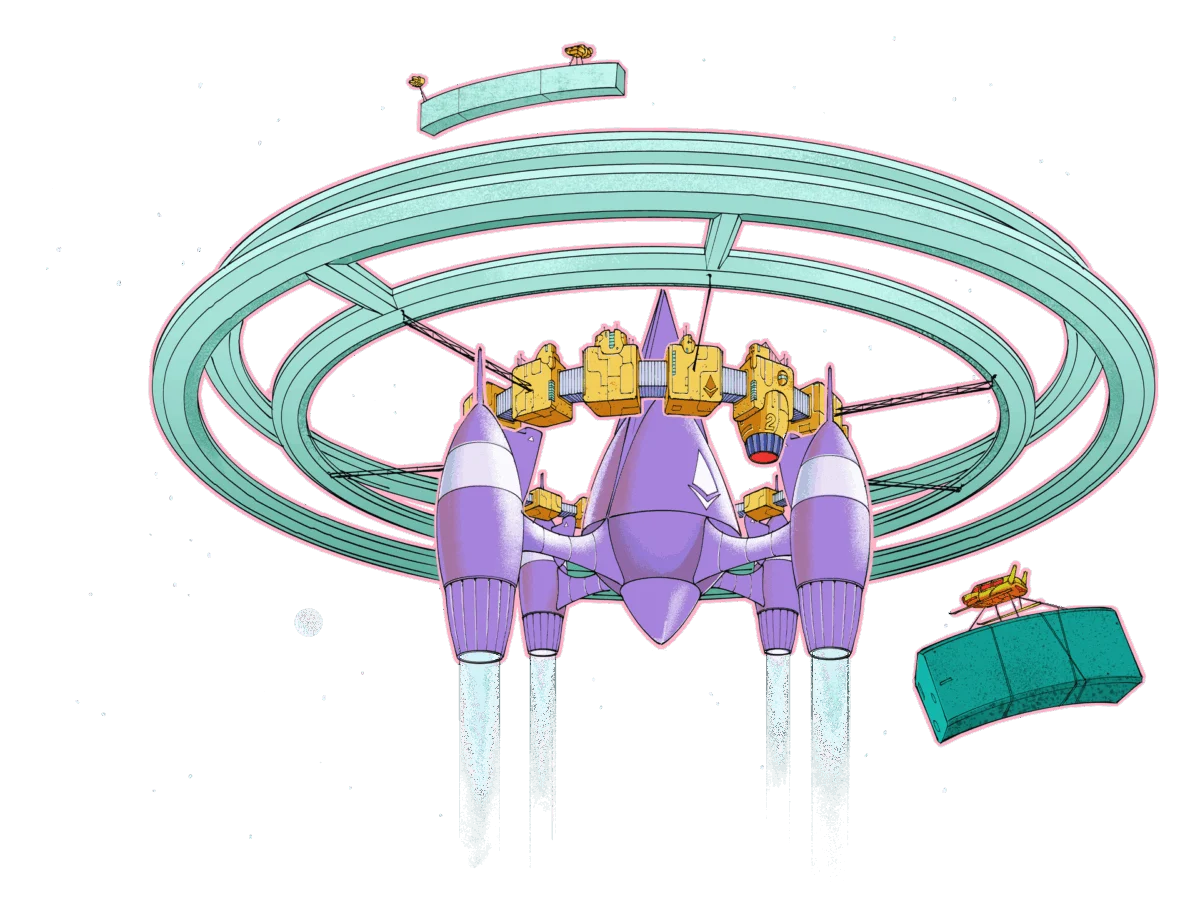
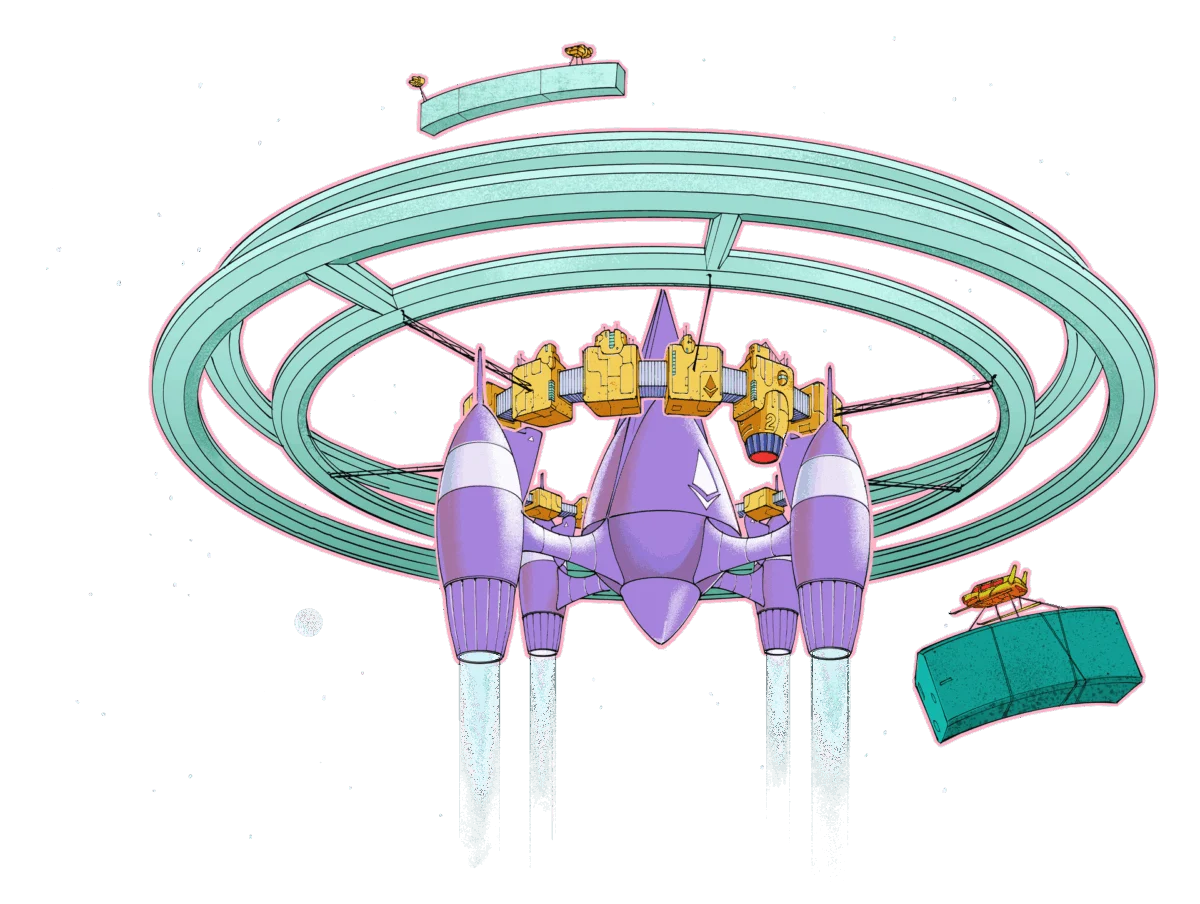
In the middle of 2022, the Ethereum network is slated to undergo the most significant technical transformation in the history of blockchain technology. This transition, known as "The Merge," involves moving the second-largest cryptocurrency by market capitalization from its current Proof-of-Work (PoW) consensus mechanism to a Proof-of-Stake (PoS) system. With hundreds of billions of dollars in assets, including Decentralized Finance (DeFi) protocols and Non-Fungible Tokens (NFTs), relying on its continuous operation, the stakes could not be higher. Industry experts frequently compare this procedure to "changing the engine of an airplane while it is mid-flight," emphasizing that Ethereum must maintain its production of valid blocks without a single second of downtime.
Unlike the Bitcoin network, which relies on a monolithic software architecture, the Ethereum community has deliberately fostered a multi-client ecosystem. This strategy, championed by the Ethereum Foundation (EF), aims to ensure that no single software bug can take down the entire network. However, as the deadline for the Merge approaches, a critical vulnerability has emerged: the overwhelming dominance of a single consensus client, Prysm. This lack of diversity threatens the very decentralization and security that the transition to Proof-of-Stake is intended to bolster.

The Evolution of Ethereum: A Brief Chronology
To understand the magnitude of the Merge, one must look at the timeline of Ethereum’s development. Since its launch in 2015, Ethereum has operated on Proof-of-Work, the same energy-intensive consensus mechanism used by Bitcoin. However, the roadmap to Proof-of-Stake has been a multi-year endeavor.
In December 2020, the Ethereum Foundation launched the Beacon Chain. This was the foundational layer of the PoS system, running in parallel with the main Ethereum PoW chain. For over a year, the Beacon Chain has been "testing" the consensus logic of Proof-of-Stake without actually processing mainnet transactions. In 2021, the "London Hard Fork" introduced EIP-1559, which overhauled the fee market and served as a precursor to the economic shifts expected in a post-Merge world.
The upcoming Merge represents the formal "docking" of the Ethereum mainnet execution layer into the Beacon Chain consensus layer. At a specific, predetermined block height, the Proof-of-Work mining process will cease entirely, and validators on the Beacon Chain will take over the responsibility of securing the network.
Structural Transformation: Execution and Consensus Nodes
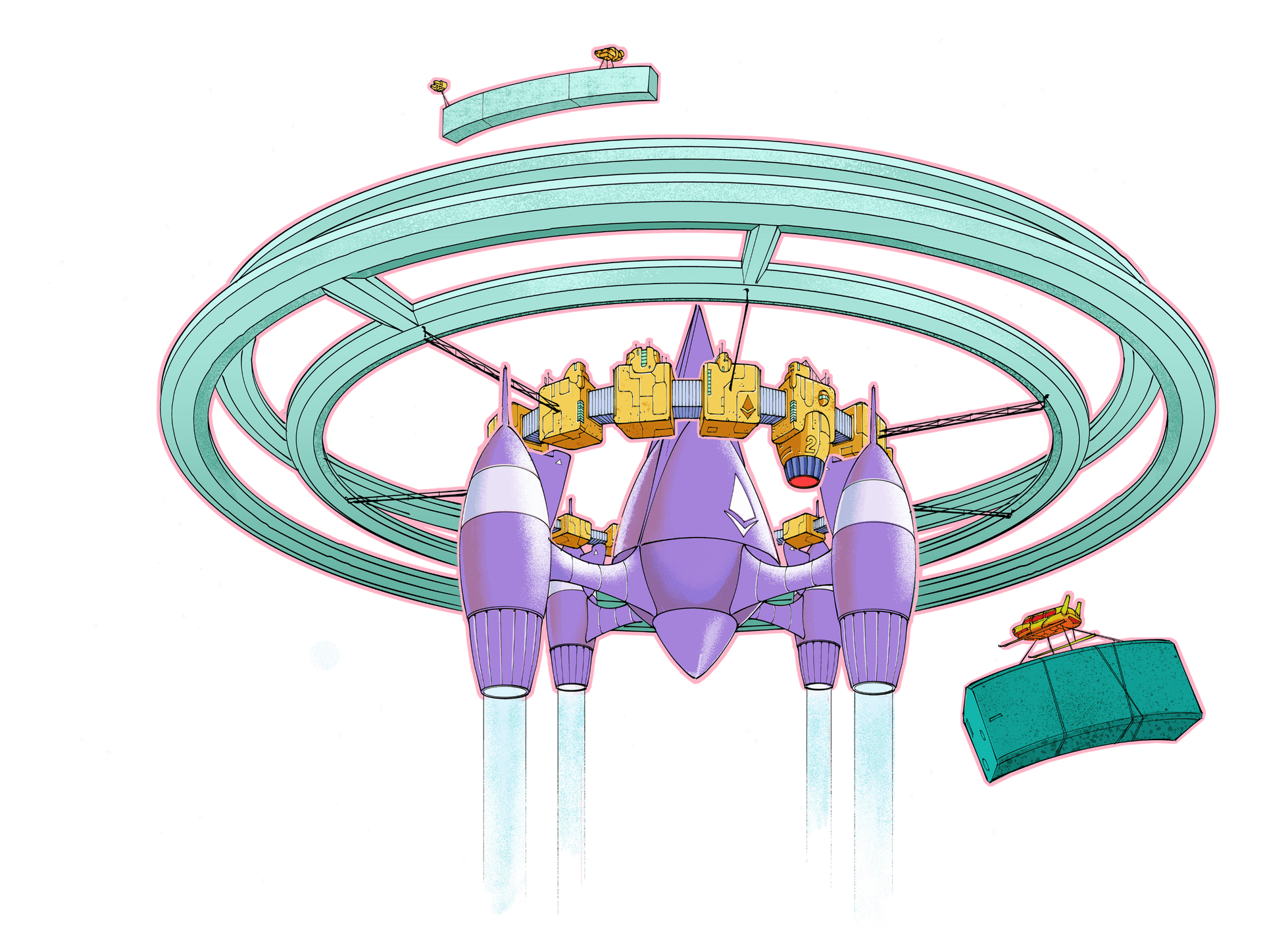
Post-Merge, the architecture of an Ethereum node will be split into two distinct functional components. This separation of duties is a classic engineering approach to enhance system robustness.
The first component is the Execution Layer, often referred to as the Ethereum Virtual Machine (EVM). This layer is responsible for processing smart contracts, managing account balances, and executing transactions. Most of the code currently used by Ethereum nodes today will remain in the execution layer, albeit with slight modifications to allow it to communicate with the consensus layer.
The second component is the Consensus Layer, which manages the Proof-of-Stake logic. Instead of miners competing to solve cryptographic puzzles, the consensus layer uses validators who have "staked" 32 ETH to propose and attest to new blocks. The consensus node tells the execution node which transactions to process and then validates that the resulting state change is correct according to the network’s rules.
While these two layers share some programming logic, they are designed to be modular. This modularity allows developers to build different versions of the software—known as "clients"—in various programming languages, such as Go, Rust, Java, and Nim.
The Mathematical Risks of Client Supermajority
The primary reason for developing multiple client implementations is to prevent a single point of failure. In a perfectly diverse network, a bug in one client would only affect a small portion of the nodes, allowing the rest of the network to continue functioning while the issue is patched. However, the current distribution of clients is far from ideal.
The risks associated with client concentration are categorized by the percentage of the total staked ETH they control:
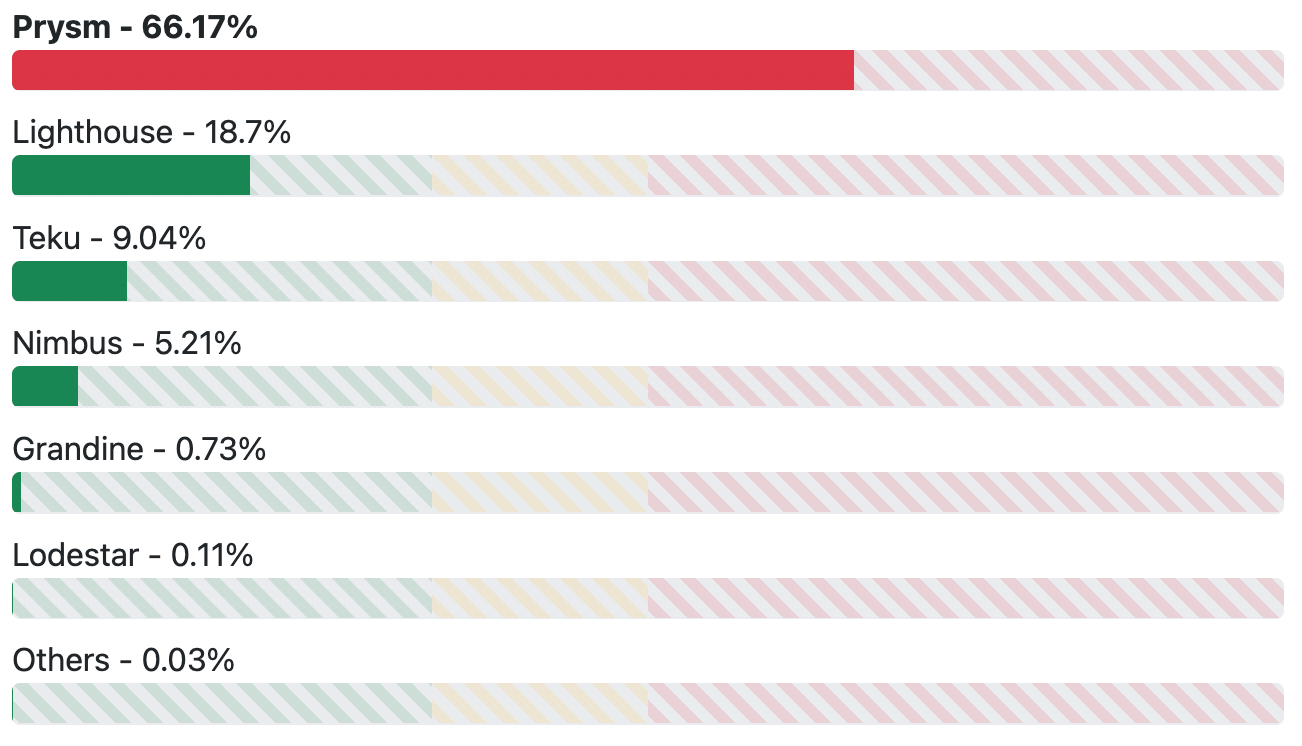
- The 33% Threshold: If a single client controls more than one-third of the staked ETH, a bug in that client could prevent the network from reaching "finality"—the point at which a transaction is considered irreversible. While the network would still produce blocks, the lack of finality would cause significant disruption for exchanges and high-value transactions.
- The 50% Threshold: If a client controls more than half of the network, a bug could lead to the production of an invalid chain that the majority of the network believes is "correct." This could lead to temporary forks and confusion.
- The 66% Supermajority: This is the "game over" scenario. If a client controls more than two-thirds (66.6%) of the staked ETH and suffers a consensus bug, it can finalize an incorrect chain. In this instance, the non-buggy minority clients would be unable to stop the finalization. The network would effectively split, and the only way to fix the situation would be a manual hard fork or for the minority to "join" the buggy chain, potentially losing massive amounts of funds in the process due to "inactivity leaks" and slashing penalties.
The Dominance of Prysm and Geth
As of the current data, the consensus layer is dangerously close to a supermajority. The Prysm client, developed by Prysmatic Labs, accounts for approximately two-thirds of the network’s staking power. While other clients like Lighthouse, Teku, Nimbus, and Lodestar exist, their market shares remain relatively small.
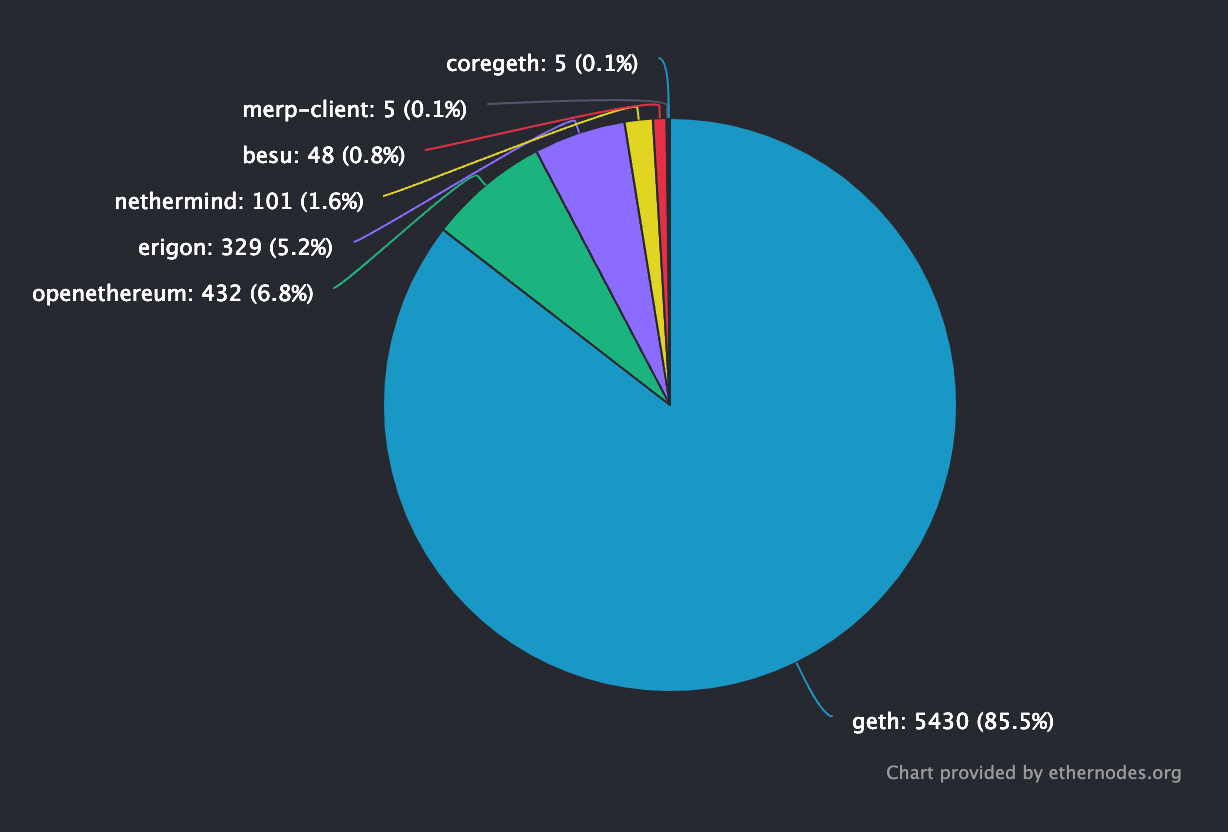
On the execution layer, the situation is even more skewed. Go-Ethereum (Geth) currently holds an 85% market share. However, Ethereum core developers, including Marius van der Wijden, note that Geth’s dominance is less of a systemic threat post-Merge than Prysm’s dominance. This is because the execution layer does not dictate the consensus; if Geth fails, the consensus layer can still identify the correct state of the blockchain, whereas a failure in the consensus layer affects the very definition of truth on the network.
Marius van der Wijden attributes Prysm’s success to its "first-mover advantage." Prysm was the first client to provide a stable prototype, comprehensive documentation, and a user-friendly web interface. Furthermore, it was written in Golang, a language that is highly performant and widely understood by the existing community of Geth developers.
Institutional Staking and the Responsibility of Exchanges
The concentration of client usage is not a result of individual "home stakers" alone. Rather, it is driven by large-scale institutional staking services and centralized exchanges. These entities manage thousands of validator nodes on behalf of their users, and for the sake of operational efficiency, they often run the same software across their entire infrastructure.
Data indicates that a handful of major players are responsible for a significant portion of the Prysm dominance:
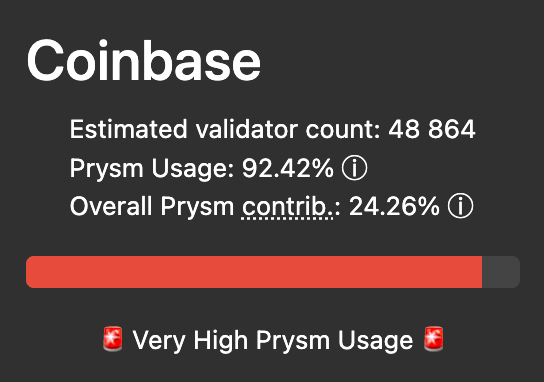
- Coinbase: With nearly 50,000 validators, Coinbase accounts for roughly 17.5% of the Beacon Chain. Approximately 92% of their validators run Prysm.
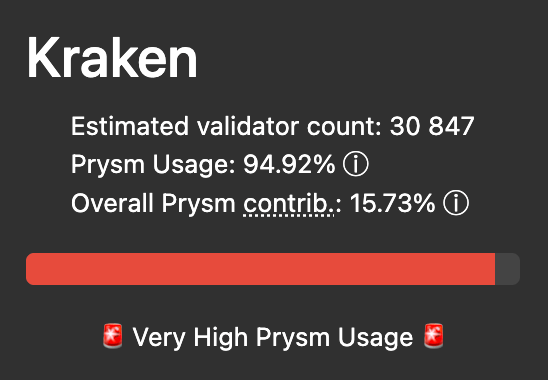
- Kraken: Kraken manages about 11% of the network’s validators, with a 95% reliance on Prysm.
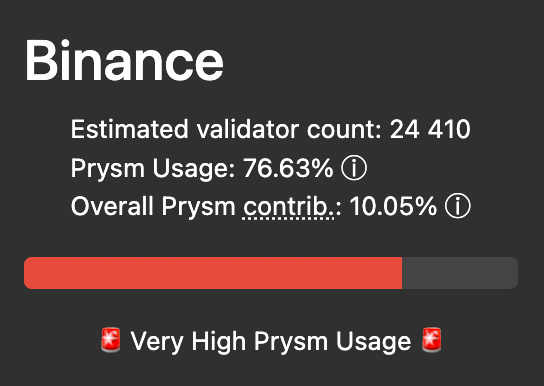
- Binance: Holding nearly 9% of the validator share, Binance utilizes Prysm for roughly 76% of its operations.
- Lido: As the largest liquid staking provider, Lido controls 18% of the validators. While more diverse than the exchanges, 42.8% of their node operators still utilize Prysm.
When questioned about this concentration, Coinbase pointed to security features as the primary motivator. Specifically, Prysm was the first client to support "remote signers," which allow validator keys to be stored in isolated, secure environments rather than on the node itself. While other clients like Lighthouse have since added these features, the inertia of existing infrastructure makes switching a slow process.
Kraken has signaled a more proactive stance, indicating that following discussions with the Ethereum Foundation, they have begun migrating some of their validators to the Teku client to improve resilience.
The Path to a Resilient Ethereum
The Ethereum community is currently engaged in a massive "client diversity" campaign, urging node operators to switch away from majority clients. The decentralized staking protocol Rocket Pool has been highlighted as a model for this, with only 10% of its validators running Prysm, showing that diversity is possible when prioritized.
Marius van der Wijden emphasizes that switching clients is neither technically difficult nor inherently risky. For a node operator, the process involves shutting down the current client, ensuring the slashing protection database is migrated or waiting for a brief period to ensure no double-signing occurs, and then launching the new client software.
Despite the lopsided distribution, Ethereum core developers remain confident in the Merge. The consensus among the development team is that the risks of a consensus failure are small, thanks to rigorous "fuzzing" and testing on testnets like Kintsugi and Kiln. Furthermore, the community has established a "social consensus" that there will be no bailouts for stakers who lose funds due to a bug in a majority client. This "anti-correlation" penalty serves as a powerful economic incentive for large stakers to diversify their software stack.
Broader Implications and Final Analysis
The transition to Proof-of-Stake is intended to reduce Ethereum’s energy consumption by 99.95% and pave the way for future scalability upgrades like sharding. However, the client diversity issue serves as a reminder that decentralization is not just about the number of nodes, but the diversity of the software running those nodes.
If the Merge is successful despite the current client concentration, it will be a testament to the robustness of the protocol’s design and the vigilance of its developers. If, however, a supermajority bug occurs, it could result in a permanent chain split or the loss of billions in staked capital.
As the industry watches, the pressure is on centralized exchanges and staking pools to act. The goal is to bring Prysm’s market share below the 33% threshold. While it is unlikely this will be achieved before the Merge occurs, the ongoing efforts to diversify the network will define Ethereum’s security posture for years to come. In the high-stakes world of global finance, the "airplane" must not only keep flying but must prove that its new engine is immune to the failure of any single component.