admin
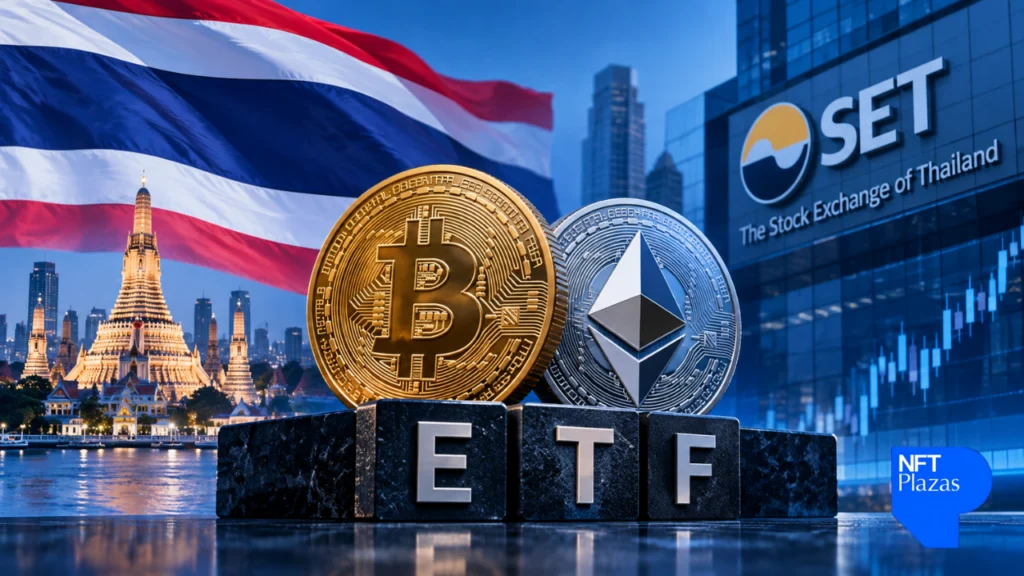
Thailand’s Securities and Exchange Commission (SEC) has officially concluded the regulatory framework that will permit locally established Bitcoin (BTC) and Ethereum (ETH) exchange-traded funds (ETFs) to be listed and traded on the country’s main stock exchange. This landmark decision creates a significant new avenue for investors to gain exposure to leading cryptocurrencies through conventional financial markets, marking a pivotal moment in the integration of digital assets into Thailand’s mainstream investment landscape. The regulator issued a comprehensive set of 11 notifications on October 8, with the new rules scheduled to come into full effect on October 16, 2026. This framework introduces stringent requirements encompassing fund management, digital asset custody, comprehensive investor disclosures, and specific trading restrictions, initially limiting eligible cryptocurrencies exclusively to Bitcoin and Ethereum.
While the effective date provides a clear timeline for the regulatory environment, it does not automatically guarantee an immediate commencement of ETF trading. Individual asset managers operating within Thailand must still navigate a meticulous process to meet all stipulated regulatory requirements and secure explicit approval for their proposed products before they can be officially launched on the Stock Exchange of Thailand (SET). This multi-stage process underscores the cautious yet progressive approach adopted by the Thai SEC, prioritizing market integrity and robust investor protection as digital assets transition into more traditional investment vehicles.
A New Regulated Gateway to Crypto Exposure
The finalized framework represents a deliberate effort to open a regulated route for Thai investors to participate in the price movements of Bitcoin and Ethereum. Unlike direct cryptocurrency purchases made through digital asset exchanges, these ETFs will allow investors to gain exposure via conventional securities accounts. This approach is particularly appealing to a segment of investors who are more accustomed to the operational mechanics and regulatory oversight of traditional financial products. For these individuals, ETFs offer a familiar and potentially more secure entry point into the volatile digital asset market, as fund managers and regulated service providers will be responsible for the intricate details of handling and safeguarding the underlying cryptocurrencies. Investors, in turn, will simply buy and sell units of these funds through their established stock market channels.
Beyond individual investors, the new regulations significantly expand the investment options available to Thailand’s domestic fund industry. Mutual funds and private funds, which are integral components of the country’s collective investment schemes, will now be permitted to invest in locally established crypto ETFs. This is, however, subject to their existing investment limits and diversification rules. Previously, these types of funds were granted permission to invest in foreign crypto ETFs, albeit under specific applicable restrictions. The shift to allowing investment in local products is a strategic move designed to foster the growth and development of Thailand’s own digital asset ecosystem and financial services sector.
The journey to this regulatory milestone has been characterized by a thorough and iterative consultation process. The SEC initiated its first round of public consultations on the proposed rules in April and May, followed by a second, equally important round in August and September. According to official statements from the regulator, the overwhelming majority of respondents expressed support for the proposed framework, indicating broad industry and public endorsement for a regulated approach to crypto investments. This consultative process highlights the SEC’s commitment to developing a robust and widely accepted regulatory environment.
Strict Criteria for Bitcoin and Ethereum ETFs
Thailand’s initial crypto ETF framework is intentionally designed to be narrow in its scope, reflecting a cautious and measured strategy. At launch, only Bitcoin and Ethereum have been deemed eligible for underlying investment. This selectivity is rooted in their established market capitalization, liquidity, and relative maturity within the broader digital asset space. However, the SEC has indicated a willingness to consider additional cryptocurrencies for eligibility in the future, provided they meet rigorous criteria. These future considerations will hinge on factors such as sustained liquidity, widespread market acceptance, the robustness of network security, and, critically, enhanced investor protection mechanisms.
A cornerstone of the new regulations is the requirement for each ETF to adhere to a passive investment strategy. This means funds must be designed specifically to track the price performance of a single underlying cryptocurrency, rather than actively managing a portfolio of various digital assets. Furthermore, the framework mandates that each fund must maintain an average net exposure of at least 80% of its net asset value (NAV) to its designated underlying asset over each accounting year. This high exposure requirement serves to establish a clear and direct link between the fund’s performance and the movements of its underlying cryptocurrency, preventing fund managers from diluting exposure with other, potentially less regulated or understood, digital assets. This prescriptive approach ensures transparency and predictability for investors regarding the fund’s composition and risk profile.
Asset managers aspiring to launch these ETFs are also subject to stringent organizational and operational requirements. They must demonstrate that they possess qualified personnel with expertise in digital assets, robust and appropriate operating systems capable of managing complex digital asset portfolios, and suitable arrangements with third-party service providers. These prerequisites are designed to ensure that only well-prepared and competent entities are entrusted with managing these novel investment products, thereby bolstering investor confidence and minimizing operational risks.
Prioritizing Custody and Investor Safeguards
A central tenet of the SEC’s new framework is an unequivocal emphasis on protecting investors and ensuring that crypto ETF assets are handled with the highest standards of security and professionalism. This is particularly critical in the digital asset space, where security breaches and mismanagement can lead to significant losses.

Under the new regulations, all digital assets held by these funds must be entrusted to custodians that are both licensed and supervised by the Thai regulator. This localized custody requirement provides an additional layer of oversight and accountability. While the SEC may, in due course, permit qualified foreign custodians, this would only occur if such arrangements are deemed necessary and appropriate, likely under conditions that ensure equivalent levels of security and regulatory scrutiny. This approach reflects a preference for domestic oversight in the initial phase of market development.
In terms of investment management, asset managers retain the flexibility to outsource digital asset investment management functions. However, this outsourcing is strictly limited to entities that are themselves licensed digital asset fund managers, ensuring that all aspects of managing these assets remain within the regulated financial ecosystem. Furthermore, qualified digital asset businesses that meet specific criteria related to financial standing, personnel expertise, and operational systems may also apply to become mutual fund supervisors for crypto ETFs. This expands the opportunities for specialized digital asset firms to participate in the traditional financial market, bridging the gap between the two sectors.
Retail investors, who typically represent a more vulnerable segment of the market, will benefit from additional safeguards when considering purchases of these products. Brokers facilitating the sale of crypto ETFs are explicitly mandated to provide comprehensive explanations of the products’ characteristics, including their inherent risks. Crucially, investors must explicitly acknowledge that they understand these risks before they are permitted to trade, fostering informed decision-making.
Further mitigating risk, the rules strictly prohibit securities firms from providing margin loans for crypto ETF purchases. This measure is designed to prevent excessive leverage, which can amplify losses in volatile markets. Brokers are also required to emphasize appropriate asset allocation, actively discourage excessive concentration in digital assets within an investor’s portfolio, and ensure that investment decisions align demonstrably with the customer’s stated risk tolerance. It is important for investors to recognize, however, that while these robust measures enhance protection, they do not eliminate the fundamental market risks associated with cryptocurrencies. Bitcoin and Ethereum prices can remain highly volatile, and ETF investors may still experience substantial losses.
Strategic Restrictions on Foreign Crypto ETFs
Concurrently with opening the domestic market for local crypto ETFs, Thailand is implementing strategic restrictions on access to certain overseas crypto investment products during this initial phase of market development. Securities firms are now prohibited from facilitating investments in foreign crypto ETFs for clients who do not qualify as either institutional investors or ultra-high-net-worth individuals. This deliberate restriction aims to channel ordinary investors towards the more tightly controlled and locally regulated products.
Adding to these limitations, the regulator will also prohibit the initial issuance and offering of alternative products that are directly linked to foreign crypto ETFs. This includes, for instance, depositary receipts that reference overseas funds. The collective impact of these restrictions is to direct the vast majority of ordinary Thai investors towards locally established products, rather than allowing them free access to comparable foreign-listed ETFs.
This carefully calibrated approach is designed to cultivate and strengthen Thailand’s domestic financial market ecosystem. By prioritizing local products, the SEC aims to give Thai asset managers, custodians, brokers, and other domestic financial businesses a more significant role in this nascent yet rapidly expanding market segment. The ultimate success and extent of this opportunity, however, will largely depend on the ability of local firms to develop suitable and attractive products, as well as the willingness of Thai investors to embrace and utilize these new offerings. As of now, the SEC has not publicly identified any approved ETF issuer, confirmed a first trading date, or announced any tickers for the initial products, leaving these details as future milestones.
A New Opportunity Amidst Shifting Crypto Market Dynamics
The timing of Thailand’s regulatory opening for crypto ETFs comes at a juncture when activity on domestic cryptocurrency exchanges has shown signs of weakening. Data attributed to the Thai SEC and widely reported in August indicated a notable decline in active exchange accounts, which fell to approximately 121,000 in July 2026. This represents a significant decrease from roughly 265,000 active accounts recorded in 2024. Furthermore, daily trading value experienced a substantial month-over-month decline of 27.13%, settling at 1.378 billion baht.
These figures suggest that simply creating a new investment channel will not automatically translate into a resurgence of stronger market participation. The introduction of ETFs, however, could appeal to a distinct segment of investors: those who inherently prefer regulated financial products and those who may have been hesitant to engage with direct cryptocurrency purchases due to the perceived complexities of digital wallets and unregulated platforms. These ETFs offer a bridge for traditional asset managers to participate in cryptocurrency investing without requiring their customers to directly manage digital assets themselves. Nevertheless, the ultimate demand for these new products will be influenced by a confluence of factors, including the actual availability and variety of products, the competitiveness of fees, prevailing market conditions for cryptocurrencies, and overall investor confidence in the regulated framework.
Thailand’s decision to integrate established cryptocurrencies into conventional investment markets under formal regulatory oversight reflects a broader global trend. However, the country is adopting a distinctly cautious approach. This is evident in its initial limitation to Bitcoin and Ethereum, the strict requirements for regulated custody, comprehensive risk disclosures for investors, and the deliberate restriction on retail access to foreign alternatives. This strategy aims to ensure an orderly and protected market development. With the rules officially taking effect on October 16, 2026, the immediate focus shifts to whether domestic asset managers will successfully secure the necessary approvals and bring the first locally listed crypto ETFs to the Thai market, marking the true beginning of this new investment era.