admin
admin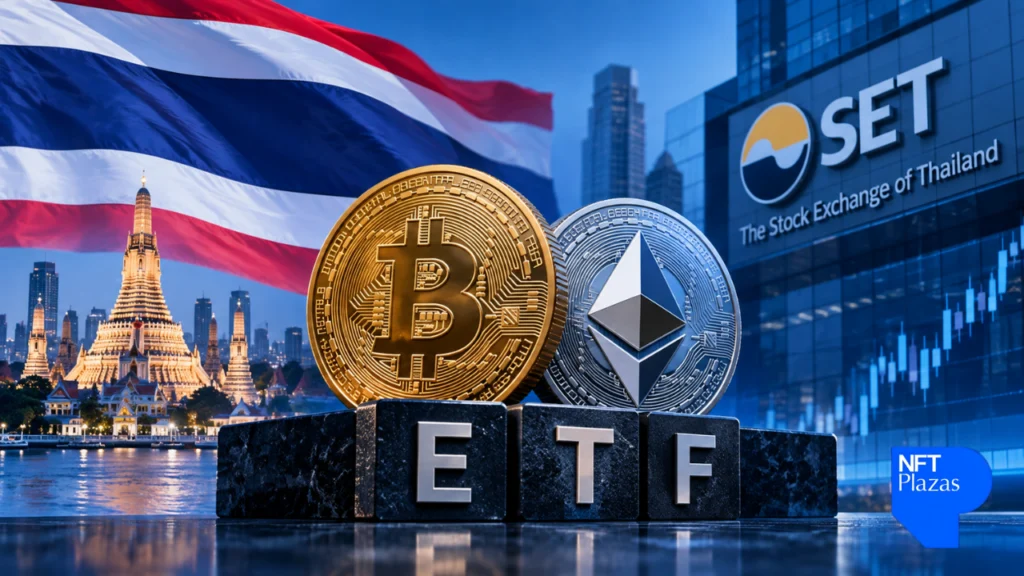
The move, formalized through 11 notifications issued on October 8, represents a significant step by Thai financial regulators to integrate established cryptocurrencies into the nation’s conventional investment landscape. These new regulations are slated to take effect on October 16, 2026, establishing a comprehensive framework for the management, custody, and trading of exchange-traded funds (ETFs) based on Bitcoin (BTC) and Ethereum (ETH) within the Stock Exchange of Thailand (SET). This strategic decision is poised to create a new, regulated avenue for Thai investors to gain exposure to the price movements of the world’s two largest cryptocurrencies without the complexities of direct digital asset ownership and management.
A New Era for Thai Investors: Accessing Crypto Through Traditional Channels
The core objective of the Thai SEC’s new framework is to bridge the gap between the burgeoning digital asset market and the traditional financial sector. By allowing the listing of locally established Bitcoin and Ethereum ETFs on the SET, the regulator aims to provide a familiar and accessible investment vehicle for a broad spectrum of investors, particularly those accustomed to conventional securities accounts. Unlike direct cryptocurrency purchases on digital asset exchanges, investing in crypto ETFs allows individuals to buy and sell fund units through their existing brokerage accounts, with the underlying digital assets handled by regulated fund managers and service providers.
This expansion of investment options is not limited to individual retail investors. The new rules also empower Thailand’s domestic fund industry, including mutual funds and private funds, to invest in these locally established crypto ETFs. Previously, these institutional vehicles were permitted to invest in foreign crypto ETFs, subject to specific restrictions. The introduction of domestic products simplifies this process and encourages capital to remain within the Thai financial ecosystem, fostering growth and expertise among local asset managers. The SEC’s proactive engagement with stakeholders, including multiple rounds of consultations in April, May, August, and September, garnered strong support for the proposed rules, underscoring a collective desire for regulated crypto investment products.
The Regulatory Blueprint: A Cautious Yet Progressive Approach
Thailand’s initial crypto ETF framework is characterized by a deliberate and cautious design, emphasizing investor protection and market stability.
- Exclusive Focus on Bitcoin and Ethereum: At launch, the framework strictly limits eligible cryptocurrencies to Bitcoin (BTC) and Ethereum (ETH). This narrow scope reflects the SEC’s strategy to begin with the most liquid, widely accepted, and institutionally vetted digital assets. The regulator has indicated that future expansion to include additional cryptocurrencies will be contingent on factors such as market liquidity, broader market acceptance, network security, and robust investor protection mechanisms.
- Passive Investment Strategy and High Exposure Requirement: Each approved ETF must adopt a passive investment strategy, designed to accurately track the price performance of a single underlying cryptocurrency. A crucial stipulation is the requirement for each fund to maintain an average net exposure of at least 80% of its net asset value (NAV) to its designated digital asset over each accounting year. This high exposure threshold ensures a direct correlation between the ETF’s performance and the underlying cryptocurrency, preventing fund managers from diversifying into a broader, potentially riskier, portfolio of digital assets.
- Rigorous Custody and Operational Standards: The SEC has placed paramount importance on the secure handling and custody of digital assets. Under the new rules, all crypto ETFs must hold their digital assets with custodians that are licensed and supervised by the Thai regulator. While initially focusing on domestic entities, the SEC has left open the possibility of permitting qualified foreign custodians in the future, should such arrangements be deemed necessary and appropriate. Furthermore, asset managers are permitted to outsource digital asset investment management, but only to other licensed digital asset fund managers. The framework also allows qualified digital asset businesses to apply to become mutual fund supervisors for crypto ETFs, provided they meet stringent requirements concerning financial standing, personnel expertise, and operational systems. These measures aim to ensure that only reputable and well-equipped entities handle sensitive digital assets.
- Enhanced Investor Safeguards and Risk Mitigation: Recognizing the inherent volatility and risks associated with cryptocurrency markets, the SEC has mandated significant safeguards for retail investors. Brokers are now required to thoroughly explain the characteristics and risks of crypto ETFs to potential investors. Crucially, investors must formally acknowledge their understanding of these risks before engaging in trading. To prevent excessive leverage and speculative trading, the rules explicitly prohibit securities firms from providing margin loans for crypto ETF purchases. Brokers are also tasked with emphasizing appropriate asset allocation, actively discouraging excessive concentration in digital assets, and ensuring that investment decisions align with customers’ declared risk tolerance. While these measures significantly enhance investor protection, the SEC explicitly warns that they do not eliminate cryptocurrency market risk, and investors may still experience substantial losses due to the volatile nature of Bitcoin and Ethereum prices.
A Chronology of Thailand’s Regulatory Journey Towards Crypto ETFs
The path to these landmark regulations has been a methodical and consultative one, reflecting the SEC’s commitment to a well-considered framework.
- Early Discussions and Consultations: The journey began with initial consultations conducted by the SEC in April and May, followed by another critical round in August and September. These public and industry consultations were instrumental in gathering feedback, addressing concerns, and refining the proposed rules to ensure they were robust and practical. The widespread support reported by the regulator indicated a broad consensus within the financial community for the introduction of these products.
- Formalization of Rules: On October 8, the SEC officially issued 11 notifications, detailing the finalized regulations for locally established Bitcoin and Ethereum ETFs. This marked the culmination of months of deliberation and stakeholder engagement.
- Effective Date: The regulations are scheduled to officially take effect on October 16, 2026. It is crucial to note that this effective date does not signify an immediate launch of trading. Instead, it marks the point from which individual asset managers can formally submit applications for their ETF products, which must then meet all regulatory requirements and obtain final approval before they can be listed and begin trading on the SET. This phased approach allows for adequate preparation time for both regulators and financial institutions.
Global Context: Thailand Joins a Growing Trend
Thailand’s decision to greenlight domestic crypto ETFs aligns with a broader global trend of integrating digital assets into mainstream financial markets. Several developed economies have already paved the way:
- Canada: Was an early adopter, launching the world’s first Bitcoin ETF in February 2021.
- Europe: Has seen various crypto ETPs (exchange-traded products) listed across different exchanges for several years.
- United States: A significant milestone occurred in January 2024 with the approval of several spot Bitcoin ETFs, which subsequently saw unprecedented trading volumes and capital inflows, legitimizing Bitcoin as a mainstream asset class for many institutional and retail investors.
- Hong Kong: Followed suit in April 2024, approving spot Bitcoin and Ethereum ETFs, positioning itself as a leading digital asset hub in Asia.
Thailand’s entry into this landscape, while having a later effective date, demonstrates its commitment to staying competitive and providing modern investment tools to its citizens. However, its initial approach is notably more conservative than some counterparts, particularly in its explicit restrictions on retail access to foreign crypto ETFs.
Strategic Restrictions on Foreign Crypto ETFs: Fostering Domestic Growth

Alongside the opening of the domestic market, Thailand is implementing strategic restrictions on access to certain overseas crypto investment products during the initial phase. Securities firms are expressly prohibited from facilitating investments in foreign crypto ETFs for clients who are neither institutional investors nor ultra-high-net-worth investors. Furthermore, the initial issuance and offering of alternative products linked to foreign crypto ETFs, such as depositary receipts referencing overseas funds, will also be disallowed.
This deliberate strategy serves multiple purposes. Primarily, it aims to direct ordinary investors toward locally established products, ensuring that the initial growth and development of the crypto ETF market benefit Thai asset managers, custodians, brokers, and other domestic financial businesses. This approach has the potential to cultivate local expertise, infrastructure, and innovation within Thailand’s financial sector, giving domestic firms a larger, foundational role in this emerging market segment. While these restrictions might limit immediate choice for some retail investors, they are designed to build a strong, domestically controlled foundation for crypto asset integration. The long-term success of this strategy will, however, depend on the ability of Thai firms to develop attractive and competitive products that meet investor demand.
Market Dynamics and Potential Impact: Navigating a Weaker Crypto Landscape
The introduction of crypto ETFs in Thailand comes at a time when activity on domestic cryptocurrency exchanges has reportedly weakened. Data attributed to the Thai SEC and reported in August 2026 indicated a decline in active exchange accounts, falling from approximately 265,000 in 2024 to around 121,000 in July 2026. Concurrently, the daily trading value experienced a significant month-over-month decrease of 27.13%, settling at 1.378 billion baht.
These figures suggest that merely creating a new investment channel does not automatically guarantee a resurgence in market participation. The success of crypto ETFs will hinge on their ability to attract a new segment of investors – specifically, those who may have been hesitant to engage with direct cryptocurrency purchases due to perceived complexities, security concerns, or a preference for regulated financial products. ETFs could appeal to traditional investors by offering a familiar, regulated wrapper for crypto exposure, allowing them to participate in the asset class without managing digital wallets or navigating specialized crypto exchanges.
However, demand will ultimately be influenced by several critical factors: the availability of well-structured and competitively priced products from asset managers, prevailing market conditions (whether bullish or bearish), and the overall confidence of investors in both the digital asset space and the regulatory oversight provided by the SEC. If successful, these ETFs could attract fresh capital inflows, enhance the legitimacy of cryptocurrencies within the Thai financial system, and potentially foster a more stable and mature digital asset market.
Implications for Thailand’s Financial Sector and Beyond
The formalization of crypto ETFs marks a pivotal moment for Thailand’s financial sector. It creates substantial opportunities for:
- Asset Managers: New product development, expanding their offerings beyond traditional assets.
- Custodians: A demand for secure and regulated digital asset custody services, potentially spurring new ventures or expansions for existing players.
- Brokers: New trading instruments to offer clients, potentially attracting new customers and increasing trading volumes.
- Stock Exchange of Thailand (SET): Enhanced liquidity and diversification of listed products, reinforcing its position as a dynamic financial marketplace.
This move also reflects Thailand’s broader ambition to modernize its financial infrastructure and remain competitive in the rapidly evolving global economy. By integrating digital assets in a controlled manner, the country aims to harness the innovation of blockchain technology while mitigating systemic risks. The phased approach and the focus on domestic capacity building suggest a long-term vision for sustainable growth in the digital asset space.
The Road Ahead: From Regulation to Reality
With the regulations set to take effect on October 16, 2026, the immediate focus shifts from policy formulation to practical implementation. The next crucial milestones will be:
- Asset Manager Applications: Which domestic asset managers will be the first to develop and submit their Bitcoin and Ethereum ETF product applications to the SEC?
- Product Approval: The rigorous process of SEC review and approval for these specific products, ensuring they meet all stipulated requirements.
- Market Launch: The eventual announcement of the first approved ETF issuer, a confirmed trading date, and the ticker symbols for these pioneering products on the SET.
Thailand’s decision to embrace Bitcoin and Ethereum ETFs under a robust regulatory framework is a testament to a measured, forward-looking approach. By starting with established cryptocurrencies, mandating regulated custody, requiring extensive risk disclosures, and initially limiting retail access to foreign alternatives, the SEC aims to foster a secure and sustainable environment for digital asset investment. The coming years will reveal how effectively this framework translates into tangible market participation and contributes to the evolution of Thailand’s financial landscape.