admin
admin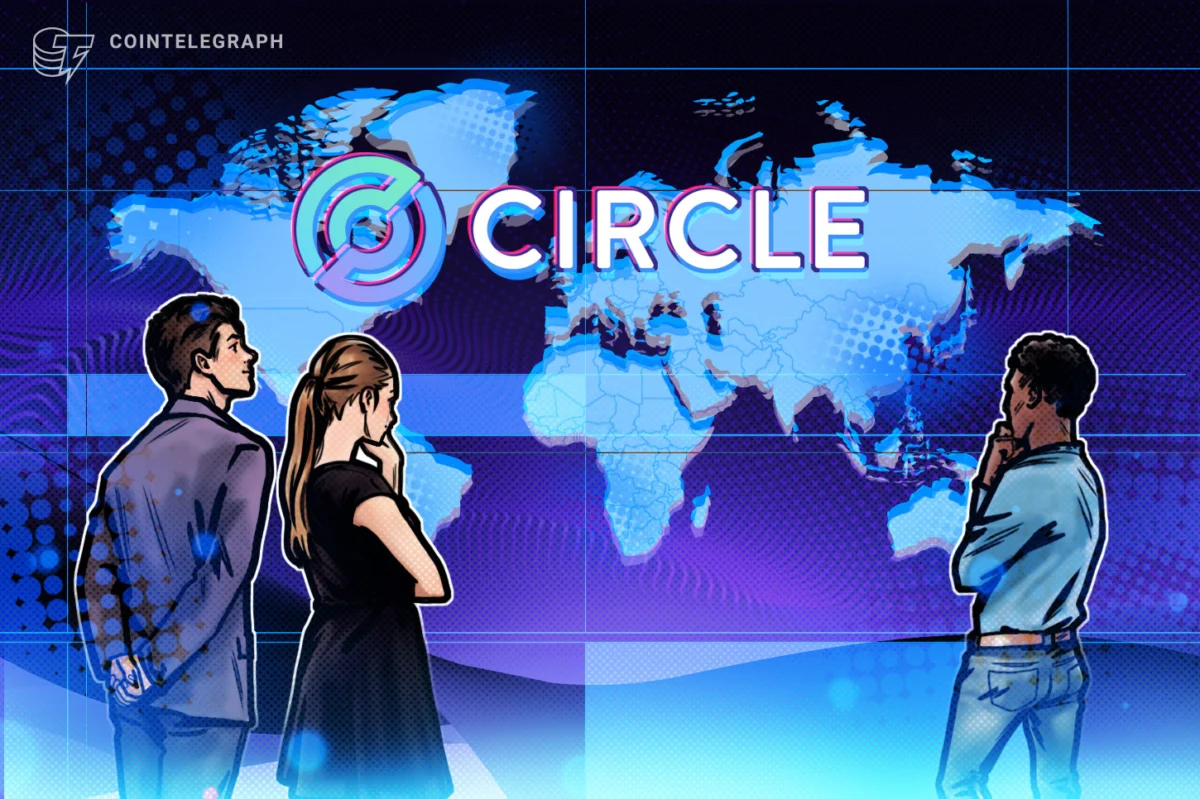
Stablecoin issuer Circle is embarking on an ambitious strategic initiative to penetrate approximately 40 developing markets worldwide, signaling a significant shift in the global financial landscape. This aggressive expansion, spearheaded by Circle’s CEO and Chairman Jeremy Allaire, comes as demand for dollar-pegged digital currencies witnesses exponential growth in regions spanning Southeast Asia, Latin America, Africa, and the Middle East. The move underscores a broader transformation within the financial sector, where blockchain technology is transitioning from an early adopter niche to a mainstream scaling phenomenon, offering new avenues for economic participation and cross-border transactions.
The Inflection Point: From Niche to Mainstream Adoption
Speaking on Friday, October 16, 2026, on the sidelines of the International Monetary Fund (IMF) and World Bank meetings in Bangkok, Jeremy Allaire articulated his vision for Circle’s global trajectory. "We’re kind of going through an inflection point…a transition right now," Allaire told Reuters, emphasizing that this period marks the evolution "from the early adopter phase of blockchain technology into the mainstream scaling phase." This transition is particularly evident in the burgeoning interest from developing economies, where stablecoins like USDC are increasingly being sought by businesses and individuals keen to integrate into the internet-based economic system. The annual IMF and World Bank meetings serve as a crucial forum for global financial leaders to discuss economic challenges and opportunities, making Bangkok a fitting backdrop for discussions on the future of digital finance. The presence of such topics at these high-level gatherings further legitimizes stablecoins as a serious component of the modern financial infrastructure, moving beyond their earlier perception as purely speculative crypto assets.
Developing markets, often characterized by volatile local currencies, high inflation rates, and expensive traditional remittance services, present a fertile ground for stablecoin adoption. For many in these regions, access to a stable, dollar-denominated digital asset offers a crucial hedge against domestic economic instability, facilitates more efficient cross-border trade, and enables easier participation in the global digital economy. This confluence of factors creates an urgent need for reliable digital payment rails, a gap that stablecoins are uniquely positioned to fill.
Driving Forces Behind Surging Demand in Developing Markets
The increasing demand for stablecoins in Southeast Asia, Latin America, Africa, and the Middle East can be attributed to several interconnected economic and technological drivers. Many nations in these regions grapple with persistent inflation, which erodes the purchasing power of local currencies and savings. For instance, countries like Argentina or Turkey have experienced multi-digit annual inflation rates, prompting citizens to seek stable alternatives to preserve wealth. Holding stablecoins, particularly those pegged to the U.S. dollar, provides a more predictable store of value.
Furthermore, the high cost and inefficiency of traditional cross-border remittances pose a significant burden on migrant workers and their families. The World Bank estimates that remittance fees globally average around 6-7% of the transaction value, with some corridors exceeding 10%. Stablecoins offer a dramatically cheaper and faster alternative, enabling funds to be sent almost instantly with minimal fees, directly benefiting millions who rely on these transfers for their livelihoods. This is particularly impactful in corridors linking countries in the Middle East and Southeast Asia to labor-exporting nations, and between Latin American countries and North America.
Financial exclusion is another critical factor. A substantial portion of the population in developing nations remains unbanked or underbanked, lacking access to essential financial services like credit, savings accounts, or secure payment systems. Stablecoins, accessible via a smartphone and an internet connection, can bypass traditional banking infrastructure, offering a pathway to financial inclusion for millions. This democratizes access to financial tools and allows individuals to participate more fully in both local and global commerce. The rise of mobile internet penetration in these regions further amplifies the potential for stablecoin adoption, as digital wallets become increasingly common.
Circle’s Strategic Position and Growth Trajectory
Circle’s flagship product, USDC, is the second-largest dollar-backed stablecoin by market capitalization, trailing behind Tether’s USDt (USDT). However, recent data suggests a significant shift in transaction activity and market perception, positioning USDC for accelerated growth. A report published by analysts at Bernstein on August 24, 2026, highlighted a bullish outlook for Circle, predicting a new growth cycle for USDC that could substantially boost the company’s performance over the next 12 months.
Bernstein’s analysis pinpointed several catalysts for this anticipated growth. Renewed momentum in the broader cryptocurrency markets, driven by institutional adoption and clearer regulatory frameworks in major jurisdictions, is expected to create a more favorable environment for stablecoins. The report also emphasized the growing importance of greater U.S. regulatory clarity for stablecoins, which would provide institutional investors and enterprises with increased confidence and certainty. Progress on this front, particularly with potential federal stablecoin legislation, is seen as crucial for unlocking further mainstream adoption.
Beyond market sentiment, Bernstein identified tokenized capital markets as a significant long-term driver. The ability to represent traditional assets like stocks, bonds, and real estate on blockchain networks, settled using stablecoins, promises to revolutionize financial infrastructure, making it more efficient and accessible. Furthermore, the report pointed to the increasing adoption of stablecoins for everyday payments, moving beyond speculative trading. Intriguingly, Bernstein also highlighted "early signs of stablecoin use in payments made by AI agents," suggesting an emerging frontier for digital currency utility in automated economic interactions.
While USDC’s market capitalization still lags USDt, its share of adjusted stablecoin transaction volume has shown remarkable growth. Bernstein reported that USDC’s transaction volume share surged from approximately 40% in 2025 to over 60% so far in 2026, surpassing USDt in this crucial metric. This indicates that while USDt might hold a larger overall supply, USDC is increasingly becoming the preferred medium for actual economic activity and transfers on-chain, reflecting its perceived transparency, regulatory compliance, and institutional appeal. This robust transactional utility strengthens Circle’s position as a key player in the evolving digital finance ecosystem.
Strategic Acquisitions: The Tazapay Deal
Circle’s commitment to global expansion and enhancing its payment infrastructure was further solidified by its agreement to acquire Singapore-based cross-border payments platform Tazapay. Cointelegraph reported on September 8, 2026, that this all-stock deal, valued at $400 million, is expected to finalize in 2027. The acquisition of Tazapay, a company specializing in secure and compliant cross-border payments for businesses, is a pivotal move for Circle. It not only provides Circle with a robust platform and established network in the crucial Southeast Asian market but also integrates Tazapay’s expertise in navigating complex regional regulatory landscapes and local payment methods.
This acquisition strategically aligns with Circle’s objective of facilitating seamless, low-cost global transactions using USDC. By incorporating Tazapay’s technology and talent, Circle can significantly enhance its capabilities in offering comprehensive payment solutions to businesses operating in its target developing markets. The deal is expected to accelerate Circle’s ability to onboard new users, integrate with local financial systems, and provide a more localized and user-friendly experience for stablecoin-powered payments and remittances. It represents a tangible step in building the "mainstream scaling phase" Allaire envisions, directly addressing the pain points of international commerce for enterprises and SMEs in these growth regions.
The Broader Implications for Global Finance
Circle’s expansion into 40 developing markets, coupled with the rising demand for stablecoins, carries profound implications for the future of global finance. For one, it challenges the dominance of traditional correspondent banking networks and legacy payment systems, which are often slow, expensive, and opaque. Stablecoins offer a more direct, transparent, and efficient alternative, potentially driving down costs for consumers and businesses alike.
This shift could also accelerate financial innovation within developing economies. As more individuals and businesses gain access to stablecoins, it creates a foundation for new financial products and services, from micro-lending and decentralized finance (DeFi) applications to innovative trade finance solutions. Local entrepreneurs and startups can leverage this infrastructure to build new businesses, fostering economic growth and job creation.
However, this rapid adoption also brings regulatory complexities. Governments and central banks in these developing markets are closely observing the rise of stablecoins. While recognizing the potential benefits, they are also grappling with concerns related to consumer protection, anti-money laundering (AML), combating terrorist financing (CTF), and maintaining monetary sovereignty. The success of Circle’s expansion will heavily depend on its ability to work collaboratively with local regulators, demonstrating compliance and providing robust risk management frameworks. Clear, balanced regulatory guidance, both domestically and internationally, will be essential to foster responsible innovation and prevent illicit activities. The discussions at the IMF and World Bank meetings often touch upon these very regulatory challenges, highlighting the global consensus on the need for thoughtful policy development.
Moreover, the competition between stablecoin issuers like Circle and Tether, along with emerging central bank digital currencies (CBDCs), will intensify. Each entity offers a different value proposition, and the market will likely evolve to accommodate a variety of digital assets serving distinct purposes. Circle’s emphasis on transparency, audits, and U.S. regulatory alignment positions USDC as a preferred choice for institutions and businesses seeking stability and compliance.
In conclusion, Circle’s strategic pivot towards developing markets represents a pivotal moment in the evolution of digital finance. The confluence of increasing stablecoin demand driven by economic necessity, robust analytical backing, and strategic corporate acquisitions like Tazapay underscores a broader shift towards a more inclusive, efficient, and interconnected global financial system. As blockchain technology moves firmly into its mainstream scaling phase, stablecoins are set to play an increasingly central role in shaping the economic futures of millions across the world.