admin
admin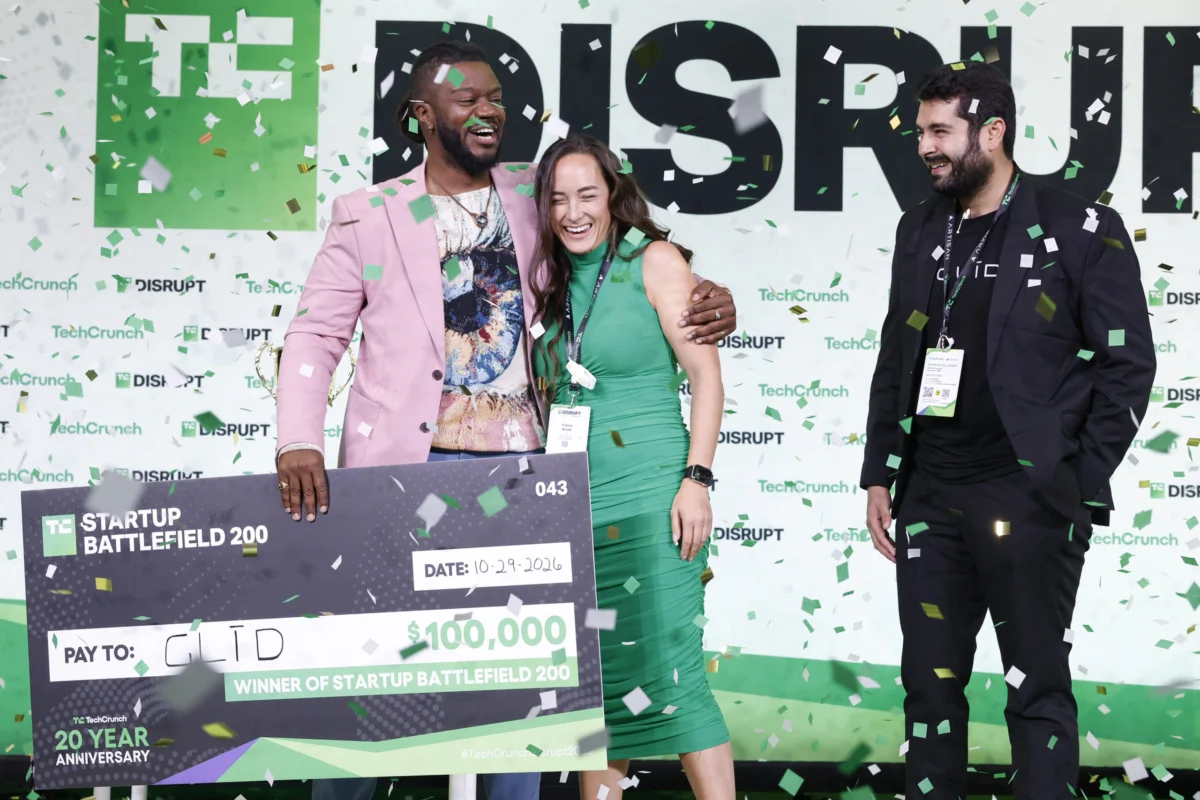
The global startup ecosystem is entering a critical window as TechCrunch officially announces the final call for applications and nominations for the Startup Battlefield 200. With a firm deadline set for May 27, early-stage founders are being urged to submit their entries for a chance to participate in one of the most prestigious and historically significant pitch competitions in the technology sector. The program, which serves as a centerpiece of the annual TechCrunch Disrupt conference, offers a unique combination of high-level venture capital access, international media visibility, and a grand prize of $100,000 in equity-free funding.
The Startup Battlefield 200 is designed to identify and elevate the world’s most promising early-stage companies. Selected startups do not merely compete for a cash prize; they are integrated into a curated cohort that receives intensive training, masterclasses, and direct exposure to a global audience of investors and corporate partners. The 2026 iteration of the event continues a tradition of providing a "launchpad" effect that has historically transformed nascent ideas into multibillion-dollar enterprises.
The Strategic Importance of the May 27 Deadline
For pre-Series A founders, the May 27 deadline represents more than a simple administrative cutoff. It is the final opportunity to enter a rigorous selection process that vets thousands of applicants from across the globe. Industry analysts note that the final week of the application window typically sees a massive surge in submissions, creating a competitive bottleneck. TechCrunch organizers have emphasized that early submission is advantageous to ensure that a startup’s core value proposition is fully reviewed by the editorial and investment experts who comprise the selection committee.

The nomination process also remains open until the deadline. This allows mentors, investors, and fellow founders to flag "breakout" companies that may be flying under the radar. Once a company is nominated, the founders must still complete a comprehensive application detailing their product, market fit, and scalability. This dual-pathway approach—direct application and external nomination—ensures that the Battlefield 200 captures a diverse array of innovations, from polished SaaS platforms to experimental "deep tech" hardware.
A Legacy of Category-Defining Success
The Startup Battlefield has earned a reputation for spotting industry trends long before they become mainstream. The competition’s history is a "who’s who" of modern technology. Companies that once stood on the Disrupt stage as scrappy startups now define the digital landscape.
One of the most frequently cited success stories is Dropbox. Before it became a household name for cloud storage, founder Drew Houston demonstrated the file-syncing service to a room of skeptical attendees. At the time, the concept of "the cloud" was still in its infancy for the general consumer. Similarly, Cloudflare utilized the Battlefield stage to introduce edge networking and web security to a broader market, eventually scaling into a public company with a massive global infrastructure.
The evolution of communication was also showcased on this stage. Discord, now a multi-billion dollar communication platform, participated when it was still known as Hammer & Chisel, a startup focused on mobile gaming. Other notable alumni include Fitbit, which pioneered the wearable fitness tracker market; Trello, which revolutionized project management; and Mint, which set the standard for personal finance apps before its acquisition by Intuit. These examples serve as a testament to the competition’s ability to identify companies that do not just enter markets, but create new categories entirely.

Quantifying the Battlefield Impact: $32 Billion and Counting
The data surrounding Startup Battlefield alumni provides a compelling argument for the program’s efficacy. Since its inception, more than 1,700 companies have passed through the competition. Collectively, these firms have raised more than $32 billion in venture capital following their appearance. This figure highlights the "Battlefield Bump," a phenomenon where the visibility gained during the competition leads to accelerated funding rounds and increased investor confidence.
Exit activity among alumni is equally impressive. To date, there have been more than 250 successful exits, ranging from high-profile Initial Public Offerings (IPOs) to strategic acquisitions. Major technology conglomerates, including Microsoft, Google, Salesforce, Uber, and Amazon, have all acquired Battlefield alumni to bolster their own service offerings. In a notable instance of ecosystem circularity, Dropbox—an early Battlefield participant—acquired fellow alum DocSend in 2021 for $165 million. This internal networking within the Battlefield community creates a self-sustaining environment of innovation and capital recycling.
The Selection Process: From 200 to the Final One
The journey for a Battlefield participant is structured into several tiers, each offering increasing levels of exposure.
- The Battlefield 200: From the thousands of applicants, only 200 startups are selected to join the cohort. These companies receive free exhibition space on the Disrupt floor for all three days of the conference. This space serves as a hub for networking with the 10,000+ attendees, including hundreds of venture capitalists looking for their next deal.
- The Pitch Showcases: All 200 companies are given the opportunity to pitch their products. These pitches take place either on the main Disrupt Stage or the Pitch Showcase Stage. This ensures that every founder in the cohort gets their "moment" in front of the media and potential partners.
- The Top 20 Finalists: A select group of 20 startups is chosen from the cohort to compete in the grand finale. These finalists pitch live in front of a panel of expert judges, including top-tier VCs and industry veterans.
- The Winner: One startup is crowned the winner, receiving the Disrupt Cup and the $100,000 equity-free grand prize.
The "equity-free" nature of the funding is a significant draw for founders. Unlike traditional venture capital or many accelerator programs, the prize money does not require the founder to relinquish any ownership stake in their company. In an era where early-stage dilution is a major concern for entrepreneurs, this non-dilutive capital is highly coveted.

Who Should Apply? Criteria and Global Scope
The Startup Battlefield 200 is intentionally broad in its industry scope but narrow in its quality requirements. The competition is open to startups from any sector, including Artificial Intelligence, Climate Tech, Fintech, Healthtech, SaaS, and Hardware.
To qualify, companies generally must meet the following criteria:
- Early Stage: Most participants are pre-Series A. While some Series A companies are accepted, the focus is on those at the beginning of their growth trajectory.
- Minimum Viable Product (MVP): Startups must have a functional product or a sophisticated prototype. The competition favors companies that can demonstrate their technology live.
- Limited Press Coverage: The program aims to "discover" startups, so companies that have already received significant mainstream media attention may be less likely to be selected.
- Scalability: The judges look for products that have the potential to impact a global market or significantly disrupt an existing industry.
The geographical reach of the competition has expanded significantly in recent years. While the event takes place in San Francisco, applications are encouraged from every continent. Recent cohorts have seen a rise in participation from startups based in Africa, Southeast Asia, and Latin America, reflecting the decentralization of global innovation.
Broader Implications for the Venture Capital Landscape
The timing of the May 27 deadline comes at a pivotal moment for the venture capital industry. Following several years of market volatility, VCs have become more discerning, shifting their focus from "growth at all costs" to sustainable business models and genuine technological differentiation.

The Startup Battlefield 200 acts as a filter for the investment community. By vetting thousands of startups and narrowing the field to 200, TechCrunch provides a curated "shortlist" for investors. For many VCs, the Disrupt floor is the most efficient place to conduct initial due diligence on a wide variety of emerging technologies in a short period.
For the founders, the program offers more than just a chance at funding. The workshops and masterclasses provided to the 200 selected companies cover essential topics such as pitch deck optimization, legal hurdles for early-stage firms, and strategies for scaling a remote workforce. This educational component ensures that even those who do not win the $100,000 prize leave the event with improved prospects for success.
Conclusion: A Milestone in the Founder’s Journey
As the May 27 deadline approaches, the tech community is preparing for another year of high-stakes pitching and networking. The Startup Battlefield 200 remains a rare platform where a pre-revenue startup can stand on the same stage that launched some of the most influential companies of the 21st century.
For founders, the application process itself is often described as a valuable exercise in clarifying their mission and value proposition. Whether a company is looking for its first institutional investor, its first major media headline, or the capital needed to bridge the gap to a Series A round, the Battlefield represents a significant milestone. As the organizers have noted, the companies that define the future rarely start with a finished product; they start with a pitch. The window to make that pitch for 2026 is rapidly closing.