admin
admin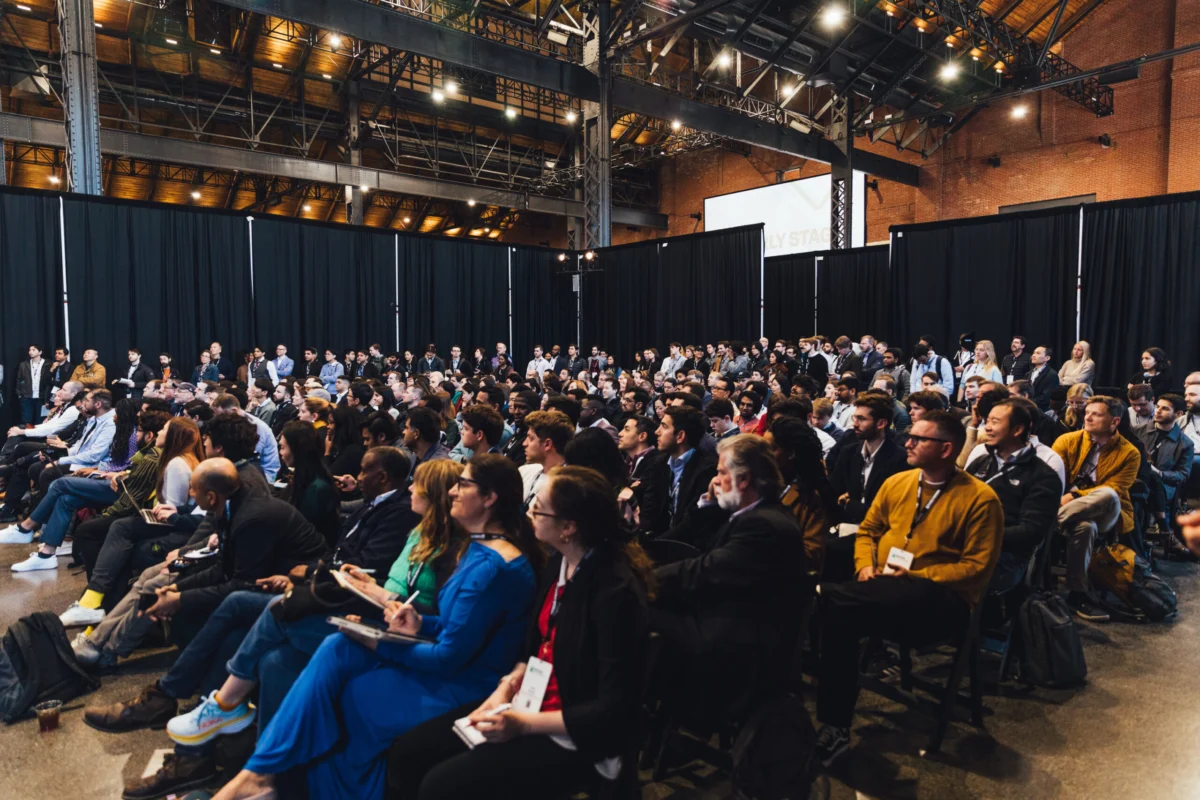
The window for early-stage entrepreneurs and venture capitalists to secure discounted access to one of the year’s most anticipated tactical gatherings is closing, as TechCrunch officials confirmed that Early Bird pricing for the TechCrunch Founder Summit 2026 will expire tonight, June 26, at 11:59 p.m. PT. This deadline represents the final opportunity for attendees to realize savings of up to $190 on individual passes before standard registration rates take effect. Furthermore, the organizers have incentivized collaborative attendance by offering tiered discounts for teams, with groups of four or more eligible for a 30% reduction in costs.
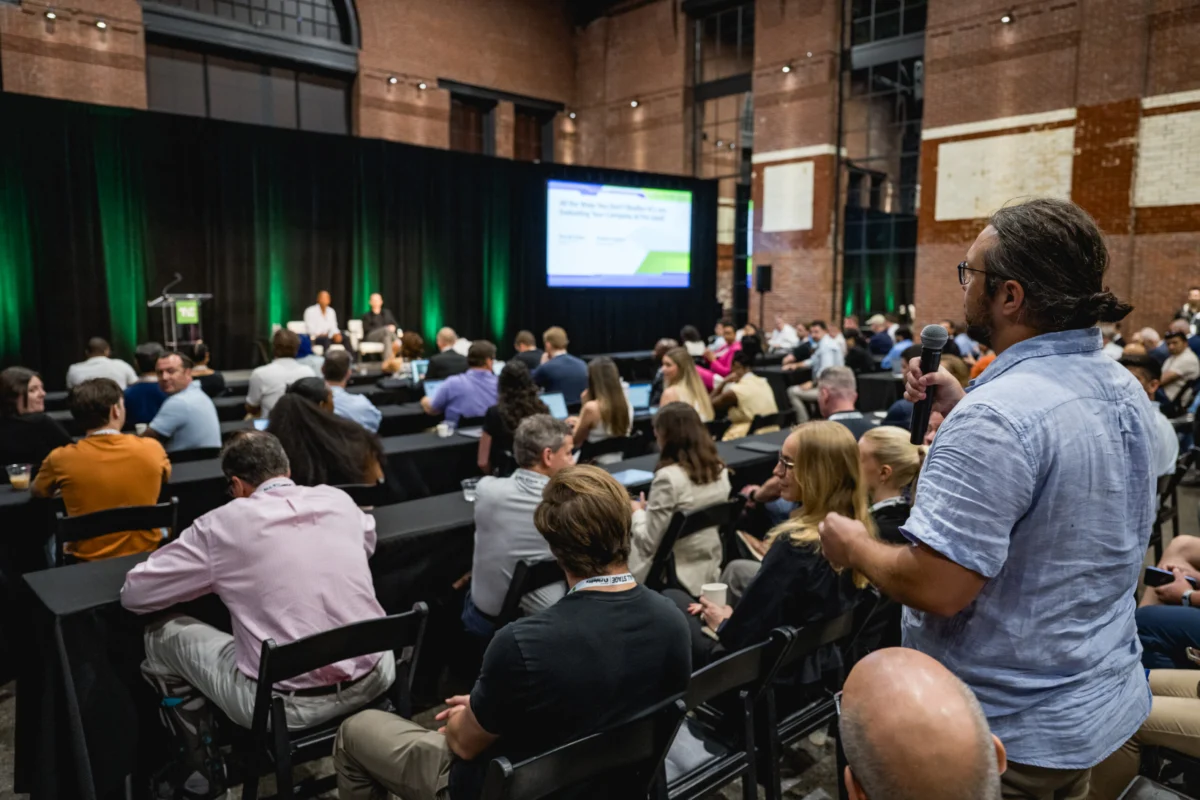
Scheduled to take place on November 4, 2026, in Boston, Massachusetts, the Founder Summit is expected to draw a highly concentrated cohort of over 1,000 participants. Unlike broader industry trade shows, this summit is specifically engineered for founders who have moved past the initial ideation phase and are navigating the complexities of scaling, fundraising, and operational management. The choice of Boston as the host city underscores a strategic shift toward one of the world’s most robust ecosystems for deep tech, life sciences, and enterprise software, providing a backdrop of academic excellence and venture capital density.
The Strategic Importance of the Early Bird Milestone
The expiration of the Early Bird rate serves as a critical milestone in the event’s promotional timeline, signaling the transition from early planning to the active curation of the summit’s agenda. Historically, such deadlines see a surge in registrations from Series A and Series B founders who are tightening their operational budgets while seeking high-value networking opportunities.
Financial analysts specializing in the startup sector note that the "cost of knowledge" is a significant line item for modern founders. In an era where venture capital is deployed with greater scrutiny regarding unit economics and path-to-profitability, the ability to access institutional-grade advice at a discount is more than a convenience—it is a reflection of the lean operational mindset encouraged by the current market. By saving $190 per head, a small founding team can redirect those funds toward product development or customer acquisition, embodying the very efficiency the summit aims to teach.

Navigating the Scaling Crisis: The Summit’s Core Mission
The primary thesis of the TechCrunch Founder Summit 2026 is that "founders rarely scale alone." This sentiment is backed by industry data suggesting that the "valley of death"—the period between seed funding and sustainable growth—is where approximately 70% of startups fail. The summit’s curriculum is built to address the specific friction points that lead to these failures.
The fastest path to growth, according to event organizers, is not found in theoretical textbooks but in the candid exchange of "war stories" between those who have successfully navigated market downturns and those currently in the trenches. The event structure prioritizes tactical learning over high-level inspiration. While keynote speeches provide a broad vision, the summit’s emphasis on breakout sessions and roundtables ensures that founders leave with actionable frameworks for:
- Fundraising and Investor Relations: Navigating the shift from "growth at all costs" to "sustainable scaling."
- Go-to-Market (GTM) Strategies: Refining customer acquisition costs (CAC) and lifetime value (LTV) ratios in a competitive digital landscape.
- Operational Excellence: Building resilient internal cultures and managing remote or hybrid engineering teams.
- Product-Market Fit Evolution: Adapting core offerings as companies move from early adopters to the mass market.
Boston as a Hub for Innovation and Capital
The relocation of the Founder Summit to Boston for its 2026 iteration is a calculated move by TechCrunch to tap into the city’s unique venture landscape. According to recent venture capital reports, the Boston-Cambridge corridor remains a global leader in VC investment, particularly in sectors such as Artificial Intelligence, Biotech, and Robotics. In 2025, Massachusetts-based startups reportedly raised significant portions of the national venture pool, second only to Silicon Valley.
By hosting the event in Boston, TechCrunch facilitates a collision between the city’s traditional "Old Guard" institutional investors and the "New Guard" of disruptive founders. The proximity to institutions like MIT and Harvard also ensures a high density of technical founders who are often looking for the commercial and operational expertise that the Founder Summit provides. Local economic development officials have expressed optimism that the summit will further solidify Boston’s reputation as the premier destination for founders who prioritize substance and technical rigor over the "hype cycles" often associated with other tech hubs.
A Legacy of Institutional Support and Expert Guidance
The credibility of the Founder Summit is largely derived from the caliber of its past contributors. Previous iterations of the event have featured a "who’s who" of the venture capital world, including representatives from Sequoia Capital, Greylock, and Greylock. Specific notable figures, such as Charles Hudson of Precursor Ventures, have led sessions that deconstruct the nuances of early-stage board management and diversity in tech.

For the 2026 summit, the speaker roster is expected to include a mix of veteran "unicorn" founders and partners from top-tier firms like NFX, Glasswing Ventures, Wing Venture Capital, and Construct Capital. These speakers are selected not just for their assets under management (AUM), but for their willingness to engage in "candid conversations"—the kind of off-the-record advice that is rarely found in public webinars or social media threads.
The agenda for the 2026 event is currently being finalized through a unique "Call for Content" process. This democratic approach allows the TechCrunch audience to vote on proposed roundtable and breakout session topics, ensuring that the discussions remain relevant to the immediate needs of the community. This crowdsourced model has historically led to sessions on niche but vital topics, such as secondary share sales for founders and the legalities of AI-generated code.
Chronology of the TechCrunch Founder Summit 2026
To understand the trajectory of the event, one must look at the key dates and milestones leading up to the November gathering:
- Early 2026: Launch of the "Call for Content," inviting industry experts to submit proposals for deep-dive sessions.
- June 26, 2026 (Today): The expiration of Early Bird pricing. This serves as the primary deadline for budget-conscious startups.
- Late Summer 2026: Announcement of the first wave of speakers and the release of the preliminary agenda.
- September 2026: Finalization of the roundtable schedule and the opening of session sign-ups for registered attendees.
- November 4, 2026: The summit commences in Boston, featuring 12 hours of intensive networking and education.
Analysis: The Shift Toward Curated Micro-Conferences
Industry analysts suggest that the TechCrunch Founder Summit represents a broader trend in the professional events industry: the shift from the "mega-conference" to the "curated micro-conference." In the 2010s, the tech industry was dominated by massive festivals with tens of thousands of attendees. However, post-2020, there has been a discernible fatigue with these large-scale events, which often lack the intimacy required for genuine business development.
The Founder Summit’s cap of approximately 1,000 attendees is a deliberate choice to maintain a high "signal-to-noise" ratio. For a founder, the value of an event is measured by the number of meaningful connections made. In a smaller, highly curated environment, the probability of sitting next to a future lead investor or a potential co-founder increases exponentially. This "high-touch" model is particularly effective for the Boston market, which prides itself on deep-seated professional networks and long-term relationship building.

Implications for the 2027 Startup Outlook
As the Founder Summit takes place in late 2026, it will likely serve as a barometer for the 2027 startup outlook. The conversations held in the hallways of the Boston venue will revolve around the macro-economic conditions of the coming year, including interest rate projections, IPO market receptivity, and the continued integration of generative AI into enterprise workflows.
Founders who attend the summit will be better positioned to weather potential volatility by having access to "real-time" data from their peers. For instance, if several Series A founders at the summit report a tightening of terms from West Coast VCs, East Coast founders can adjust their fundraising timelines accordingly. This collective intelligence is perhaps the most significant "hidden" benefit of the summit.
Final Call for Participation and Exhibition
In addition to attendee registration, TechCrunch has opened opportunities for companies to exhibit at the summit. This allows service providers—such as cloud infrastructure companies, legal firms, and fintech platforms—to connect directly with decision-makers. Given that founders are the primary purchasers of B2B SaaS and professional services, the exhibition floor is expected to be a hive of transactional activity.
As the clock ticks toward the 11:59 p.m. PT deadline, the message from the organizers is clear: the Founder Summit is designed to be a catalyst for growth. Whether a founder is preparing for their next growth milestone or refining a go-to-market strategy, the insights gained in Boston on November 4 could define the trajectory of their company for years to come.
Registration is available through the official TechCrunch portal, where the $190 discount remains active until the midnight cutoff. Participants are encouraged to finalize their plans immediately to secure their place among the 1,000 leaders who will shape the next generation of the global startup economy.