admin
admin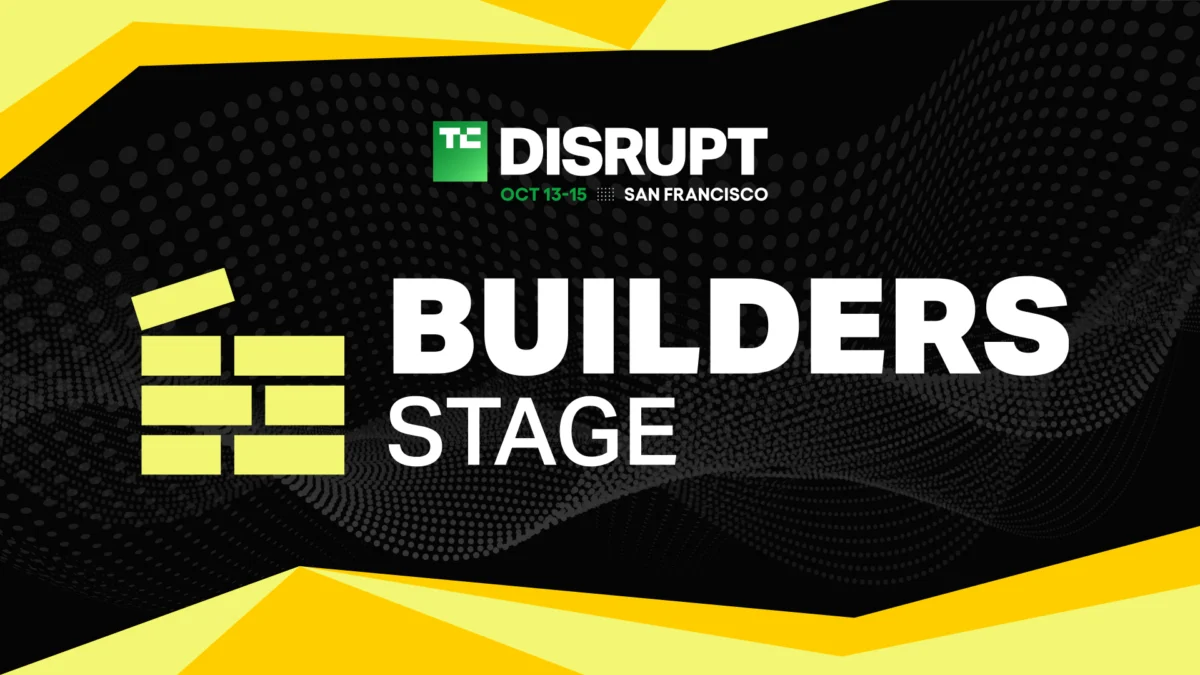
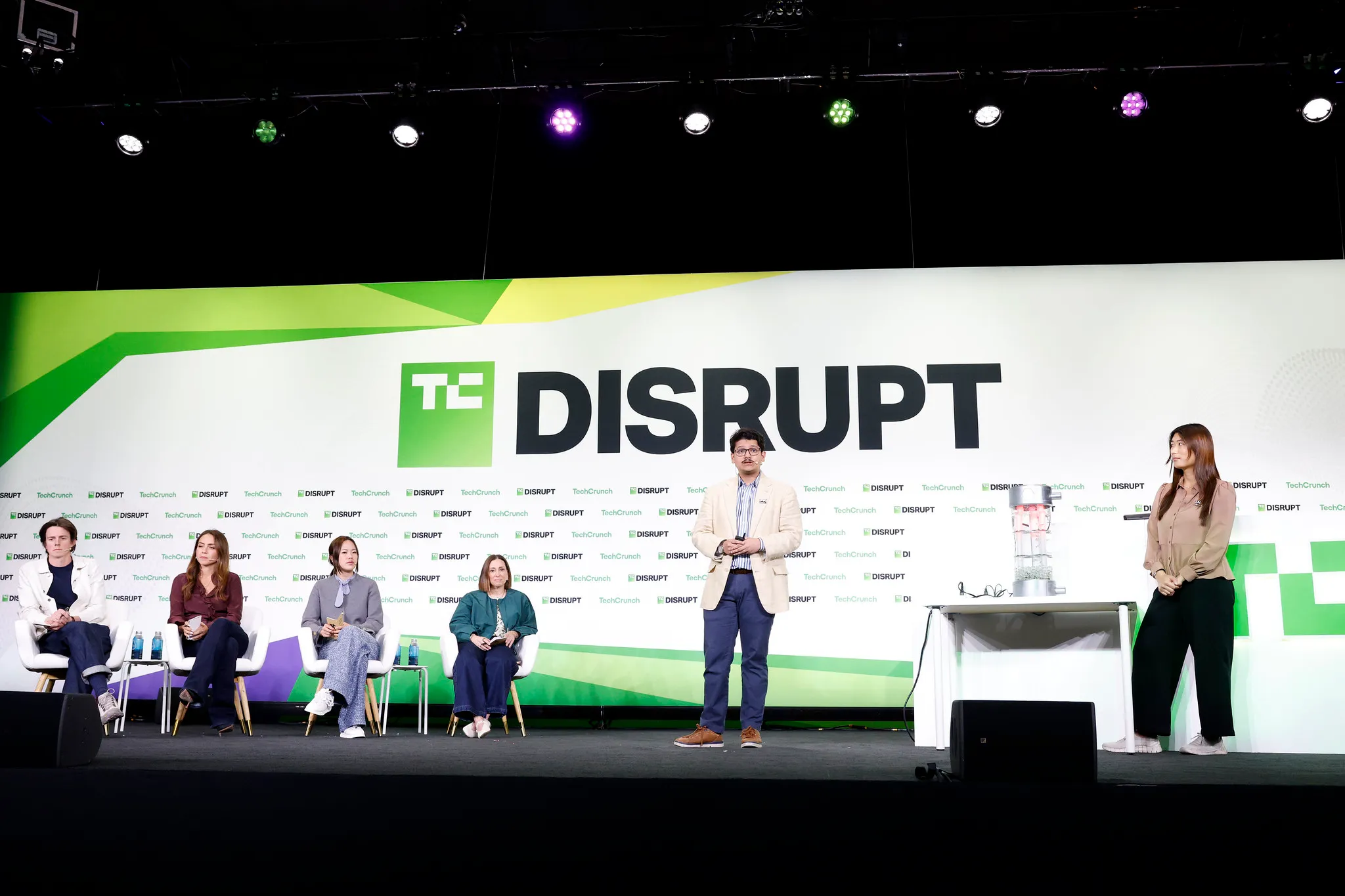
The Builders Stage will return to the Moscone Center in San Francisco for TechCrunch Disrupt 2026, serving as a primary hub for founders, startup operators, and venture capitalists to engage in high-level tactical discussions regarding the complexities of scaling modern technology companies. Scheduled for October 13-15, the event is expected to draw more than 10,000 participants from across the global tech ecosystem. The Builders Stage, one of six industry-specific tracks at the conference, is designed to bridge the gap between early-stage conceptualization and sustainable growth, offering a curriculum that reflects the unique economic and technological pressures of the mid-to-late 2020s.
The Evolution of TechCrunch Disrupt and the Builders Stage
TechCrunch Disrupt has long served as a bellwether for the technology industry. Since its inception, the conference has been the launchpad for numerous companies that have gone on to redefine their respective sectors, including Dropbox, Fitbit, and Cloudflare. As the startup landscape has evolved from the "growth at all costs" era of the 2010s to the "capital efficiency" era of the 2020s, the Builders Stage has become an essential component of the event.
The 2026 iteration of the Builders Stage focuses specifically on the "how-to" of company building. While the Disrupt Stage often features high-level visionary keynotes, the Builders Stage is characterized by its emphasis on operational decision-making, fundraising mechanics, and go-to-market strategies. This year’s programming is particularly centered on the integration of Artificial Intelligence (AI) into the foundational layers of business operations and the shifting metrics required to secure Series A and Series B funding in a more discerning venture environment.
Strategic Fundraising in a Selective Capital Market
One of the primary themes of the 2026 agenda is the changing nature of venture capital. Investors have increasingly moved away from speculative bets, prioritizing "revenue quality" and "retention" over raw user growth. This shift is reflected in several key sessions on the Builders Stage.
The session titled "The Series A in 2027" features Jahanvi Sardana of Index Ventures, Shailendra Singh of Peak XV, and Janelle Teng Wade of Bessemer Venture Partners. This panel is set to provide a forward-looking analysis of what "fundability" will look like in the coming year. Current data suggests that the "Series A crunch" has intensified; whereas in 2021, a compelling narrative and modest traction might have sufficed, the 2026-2027 cycle demands a demonstrated path to profitability and a robust "moat" against AI-driven commoditization.
Furthermore, the agenda addresses the "Winning Pre-Seed Without a Product" phenomenon. As venture capital moves upstream, founders are often expected to demonstrate "founder-market fit" and clear conviction before a line of code is even written. This session, featuring partners from True Ventures and Slauson & Co, will analyze how story-led fundraising is becoming a specialized skill for first-time entrepreneurs.
The AI Imperative: Defensibility and Roadmaps
Artificial Intelligence dominates the 2026 agenda, but the focus has shifted from general excitement to tactical defense. Founders are now facing the "platform risk" posed by giants like OpenAI, Google, and Anthropic. The session "What Happens When OpenAI Ships Your Roadmap" addresses a critical concern: the risk of a startup’s entire product becoming a native feature of a large language model (LLM).

Industry analysts note that this "Sherlocking" of AI startups has become a common occurrence. The panel, featuring leaders from Airbyte, Radical Ventures, and Webflow, will explore how founders can build "defensible layers" through proprietary data, unique workflows, or deep enterprise integrations that general-purpose AI models cannot easily replicate.
Complementing this is the "Hiring When AI Is a Co-Founder" session. This discussion reflects a broader shift in human resources within the tech sector. Startups in 2026 are increasingly leaning on "AI agents" to handle tasks previously assigned to junior engineers, customer support staff, and marketing associates. Josh Reeves, CEO of Gusto, will lead a conversation on how to build hybrid teams where human talent is reserved for high-leverage strategic work, while AI handles the operational heavy lifting.
Operational Excellence and the Path to $10M ARR
The Builders Stage also tackles the compression of growth timelines. The session "The 90-Day GTM: Why $0–$10M ARR Is the New Baseline" highlights a startling shift in market expectations. Due to the proliferation of AI-enabled development and automated sales tools, the time required to reach significant revenue milestones has decreased.
Ryan Meadows of Lovable and Tomasz Tunguz of Theory Ventures will discuss how high-growth startups are bypassing traditional marketing budgets in favor of "founder-led distribution." This involves leveraging personal networks, community building, and product-led growth (PLG) to achieve rapid scale. Data from recent venture reports indicates that the "middle ground" for startups is disappearing; companies either achieve rapid, viral-style growth or struggle to gain any traction at all in an overcrowded digital marketplace.
Product Decision-Making at Global Scale
While much of the Builders Stage is dedicated to the "zero-to-one" phase, the 2026 agenda also includes insights for companies making the jump to massive scale. Robby Stein, VP of Product at Google, will headline a fireside chat titled "From MVP to Billions of Users."
Stein’s participation is significant as it provides a rare look into how product management changes when the user base reaches the billions. In large organizations, the "move fast and break things" mantra is often replaced by a focus on "reliability and trust." This session will analyze how founders can prepare their product infrastructure for the stresses of global distribution, ensuring that innovation does not come at the cost of system stability.
M&A as a Proactive Strategy
Historically, mergers and acquisitions (M&A) were viewed as an "exit" or a fallback plan. However, the Builders Stage agenda suggests that M&A is now being integrated into early-stage strategy. The session "M&A Is Now an Early-Stage Strategy" features Aklil Ibssa, Head of Corporate Development at Coinbase, and Karl Alomar of M13.
The panel will discuss why founders should build with potential acquisition in mind from day one. In a market where initial public offerings (IPOs) remain infrequent for mid-sized tech firms, being "bought rather than sold" requires a specific product architecture and a strategic approach to partnerships. This shift reflects a maturing ecosystem where consolidation is viewed as a natural and often desirable outcome for successful startups.

The Human Element: Mental Health and High Performance
Recognizing that the psychological toll of entrepreneurship is a critical factor in company failure, the Builders Stage will host a candid conversation titled "Yes, It’s Hard to Be a Founder." Featuring Nell Daly of Revenge Capital and David H. Rosmarin of Harvard Medical School, the session aims to destigmatize the mental health challenges associated with high-growth environments.
Burnout, decision fatigue, and the "identity strain" of being a public-facing leader are cited as primary reasons for founder departures. This session will offer practical frameworks for maintaining high performance under sustained pressure, emphasizing that a founder’s mental resilience is a tangible business asset.
Registration and Event Logistics
TechCrunch Disrupt 2026 is expected to be one of the most significant gatherings of the tech community in recent years. The Moscone Center, a staple of San Francisco’s tech identity, will provide the backdrop for three days of networking, pitching, and learning.
The event organizers have incentivized early participation, offering savings of up to $330 for those who register before the upcoming price increase. In addition to the Builders Stage, attendees will have access to the Startup Battlefield—the world-renowned startup competition—as well as specialized stages focusing on Fintech, SaaS, Hardware, and Sustainability.
Broader Impact and Industry Implications
The agenda for the 2026 Builders Stage signals a broader maturation of the startup economy. The focus on "real" metrics, AI defensibility, and early M&A indicates an industry that is moving past the hype cycles of the early 2020s. For founders, the message is clear: the bar for success has been raised.
As AI continues to lower the technical barriers to starting a company, the competitive advantage is shifting back to operational excellence, deep market insight, and the ability to build a repeatable "multi-product engine." The Builders Stage at Disrupt 2026 is positioned to provide the blueprint for this new era of entrepreneurship, ensuring that the next generation of "unicorns" is built on a foundation of sustainable growth rather than fleeting trends.
The insights shared by leaders from Google, Gusto, and premier venture firms will likely influence startup strategies well into 2027 and beyond. As the tech ecosystem gathers in San Francisco this October, the Builders Stage will serve as the classroom for the most ambitious founders of the decade.