admin
admin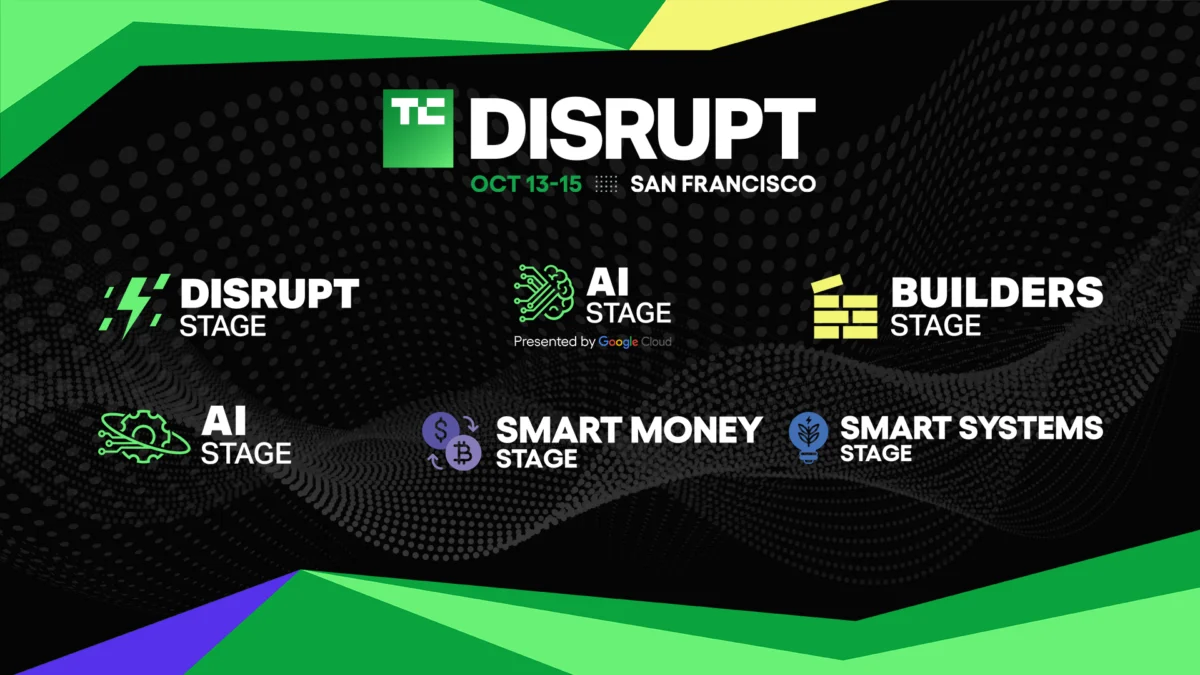
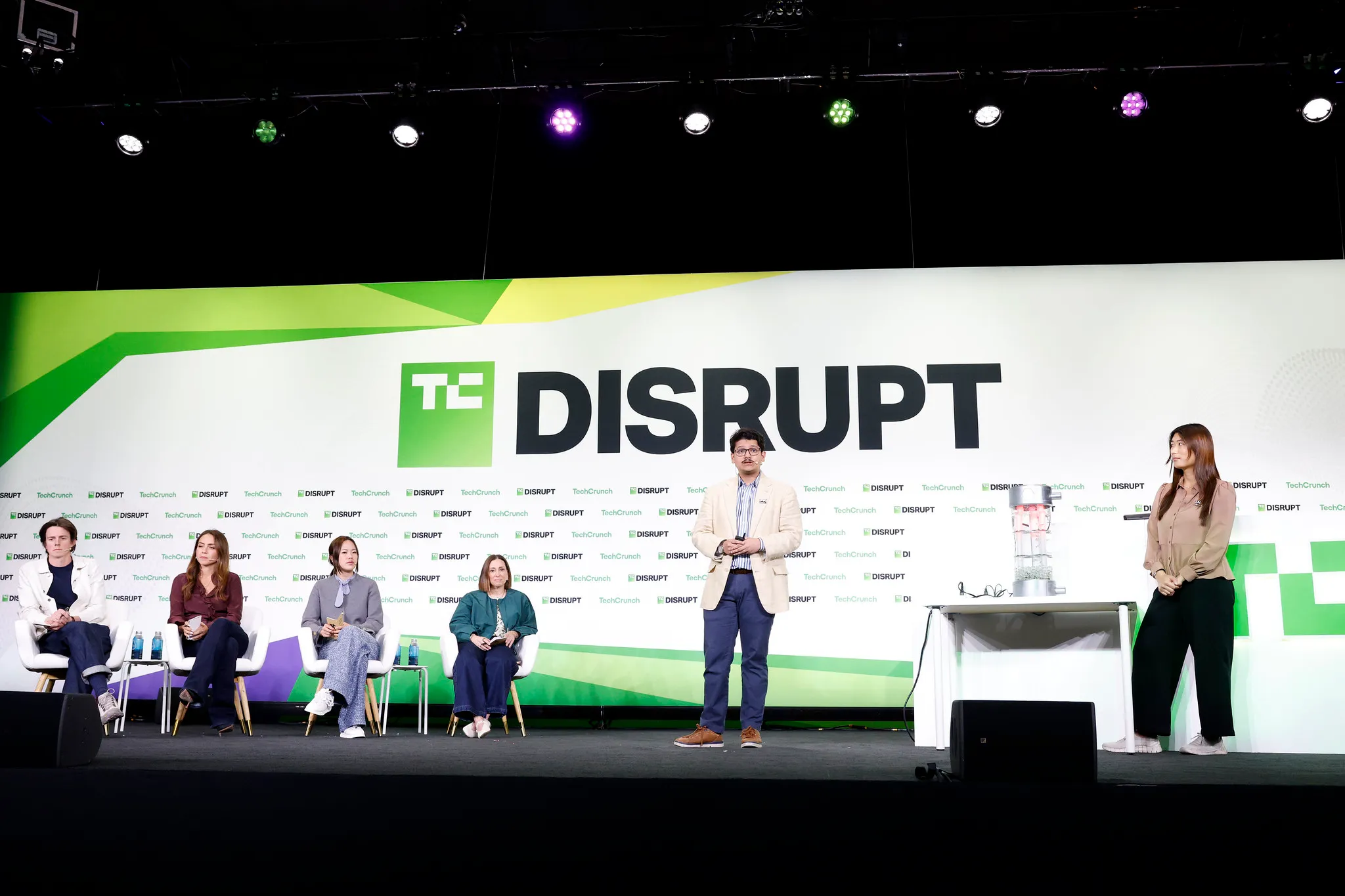
The global technology ecosystem is currently navigating a period of unprecedented transition, characterized by a shift from speculative growth to operational resilience. In response to these evolving dynamics, TechCrunch has announced the comprehensive programming for TechCrunch Disrupt 2026, scheduled to take place from October 13–15 at Moscone West in San Francisco. This year’s summit is designed to address the primary risk facing modern founders and investors: the danger of reacting too late to market shifts that have already occurred. As venture capital remains concentrated in artificial intelligence (AI) and infrastructure, the event aims to provide a strategic roadmap for navigating a landscape defined by infrastructure bottlenecks, changing enterprise adoption patterns, and the rise of AI-native competition.
TechCrunch Disrupt 2026 is expected to host more than 10,000 participants, including founders, venture capitalists, and corporate operators. The three-day event will feature over 250 sessions distributed across six specialized stages. These stages are structured to offer both high-level market analysis and granular, tactical advice for scaling companies in a high-interest-rate environment where capital efficiency has become the primary metric of success.
A Legacy of Innovation and Market Influence
Since its inception, TechCrunch Disrupt has served as a critical barometer for the technology industry. Historically known for the Startup Battlefield competition—which has seen past participants such as Dropbox, Cloudflare, and Turo collectively raise billions of dollars—the conference has evolved into a multi-disciplinary forum. In 2026, the event’s focus reflects a broader industry pivot toward the physical and operational requirements of the AI era.

The timeline for the 2026 event begins well before the October gates open. Startup Battlefield 200, the curated cohort of early-stage companies selected by TechCrunch editors, has a nomination and application deadline of May 29. This selection process serves as the first filter for the market, identifying the top 200 startups from a global pool of thousands. These companies will eventually compete for the Disrupt Cup and a $100,000 equity-free prize, providing attendees with an early look at the technologies likely to define the next decade.
The Six-Stage Framework for 2026
The architectural core of Disrupt 2026 is its six-stage format, each targeting a specific pillar of the modern tech economy. This structure is designed to help stakeholders move beyond the "hype cycle" and toward sustainable business models.
The Disrupt Stage: Macro Trends and the Startup Battlefield
The Disrupt Stage remains the focal point of the conference, where headline speakers and top-tier investors discuss the macro-economic forces reshaping the industry. In 2026, discussions are expected to center on the "post-AI-bubble" reality, focusing on where attention is concentrating and which categories are accelerating despite a tougher fundraising environment.
This stage will host the final rounds of the Startup Battlefield 200, offering a direct view into the innovations that media and investors believe have breakout potential. For the broader audience, the Disrupt Stage provides the "signals" necessary to distinguish between temporary market noise and durable long-term opportunities.

The Builders Stage: Tactical Operations for the Modern Founder
As the venture market becomes more discerning, the Builders Stage addresses the operational realities of company construction. Moving away from traditional, generalized advice, these sessions focus on current pressure points, such as the challenge of "How to Win When You’re Not Building AI." This specific topic highlights a growing divide in the ecosystem, where non-AI startups must compete for a shrinking pool of generalist capital.
The programming features a roster of seasoned operators and investors, including Nina Achadjian of Index Ventures, Rajeev Dham of Sapphire Ventures, and Josh Reeves, CEO of Gusto. These speakers will provide insights into high-stakes hiring, achieving product-market fit in saturated sectors, and executing go-to-market strategies that prioritize unit economics over raw user growth.
The Smart Money Stage: The Evolution of Financial Infrastructure
The fintech sector has transitioned from a period of rapid consumer expansion to one of deep infrastructure integration. The Smart Money Stage focuses on how digital financial systems are evolving as the "hype cycle" matures. With investor scrutiny at an all-time high, the success of a fintech startup now hinges on its ability to create durable growth through essential services.
Key themes for 2026 include the proliferation of real-time payments, the restructuring of embedded finance models, and the emergence of "fintech-as-a-service" for traditional enterprises. Speakers such as Jack Zhang, founder of Airwallex, and Lotti Siniscalco of Emergence Capital will analyze which financial technologies are surviving the market’s skepticism and where capital is still finding long-term value.

The Smart Systems Stage: Addressing the AI Power and Grid Crisis
Perhaps the most critical addition to the 2026 lineup is the Smart Systems Stage, which tackles the physical constraints of the technology industry. The rapid expansion of AI has led to an unprecedented demand for data center capacity, energy, and grid connectivity. This stage explores the operational systems that software companies increasingly depend on but often overlook.
Sessions will cover the "energy-AI nexus," the role of nuclear and fusion energy in powering the future, and the logistics of modernizing the industrial grid. Jeff Lawson, co-founder of Twilio and current CEO of Inertia, and David Kirtley, CEO of Helion, are among the leaders who will discuss how physical-world constraints are creating the next major set of opportunities—and barriers—for tech innovation.
AI in the Real World: Beyond the Prototype
The AI in the Real World Stage is dedicated to the transition of artificial intelligence from digital demos to physical reliability. In sectors such as robotics, autonomous systems, manufacturing, and drug discovery, the cost of failure is significantly higher than in consumer software.
The programming here focuses on building "trustworthy AI" and the challenges of deploying intelligent systems in environments with limited cloud access. This stage is essential for investors and founders who are evaluating the next generation of AI companies that must survive the transition from a laboratory prototype to a production-grade industrial tool.

The AI Stage: The Transformation of Software-as-a-Service
Presented by Google Cloud, the AI Stage examines how generative AI and autonomous agents are fundamentally rewriting the software industry. A primary session, “Rewriting SaaS: Why AI Breaks the Old Business Model,” underscores the existential threat facing traditional subscription-based software. As AI changes user expectations and product economics, the competitive advantages of the last decade are eroding.
Discussions will delve into the technical infrastructure of LLMs (Large Language Models), the role of open-source versus proprietary models, and the ethical implications of autonomous agents in the enterprise. This stage provides a look at how software companies are adapting their business models in real-time to avoid obsolescence.
Supporting Data and Market Context
The focus of Disrupt 2026 is supported by recent market data indicating a significant shift in venture capital allocation. According to industry reports from late 2024 and 2025, while overall venture funding saw a period of stabilization, "Deep Tech" and "AI Infrastructure" sectors experienced a 25% year-over-year increase in capital commitments. Conversely, traditional SaaS startups that failed to integrate meaningful AI capabilities saw a 15% decline in median valuations.
Furthermore, the International Energy Agency (IEA) has projected that data center electricity consumption could double by 2026, reaching over 1,000 TWh globally. This data explains the prominence of the Smart Systems Stage at Disrupt, as the tech industry’s growth is now inextricably linked to the global energy transition.

Official Responses and Industry Implications
Industry leaders have noted that the 2026 conference arrives at a pivotal moment for San Francisco’s tech identity. Local officials and business leaders have expressed optimism that the event’s return to Moscone West reinforces the city’s status as the global epicenter of the AI revolution.
“The biggest risk right now isn’t moving too slowly; it’s reacting too late to where the market has already shifted,” noted a representative from the TechCrunch editorial team. This sentiment is echoed by the event’s speakers, who emphasize that the "wait-and-see" approach of 2023 and 2024 is no longer a viable strategy for founders seeking to secure Series B and C funding rounds.
Broader Impact: The 2026 Tech Outlook
The implications of the discussions at TechCrunch Disrupt 2026 will likely be felt throughout the 2027 fiscal year. As the industry moves away from the "move fast and break things" era, the new mantra appears to be "build fast and sustain." The emphasis on infrastructure, reliability, and financial durability suggests a maturing ecosystem that is preparing for a decade of deep integration into the global economy.
For founders and investors, the 2026 summit serves as more than just a networking event; it is a strategic briefing on the survival of the fittest in a market that no longer subsidizes inefficiency. By bringing together 10,000 of the industry’s most influential figures, TechCrunch Disrupt continues to shape the narrative of technology’s role in solving the world’s most complex operational and physical challenges.

Registration for TechCrunch Disrupt 2026 is currently open, with early bird rates offering savings of up to $410. As the industry prepares to gather in San Francisco this October, the focus remains clear: identifying the signals within the noise to ensure that the next wave of innovation is both impactful and enduring.