admin
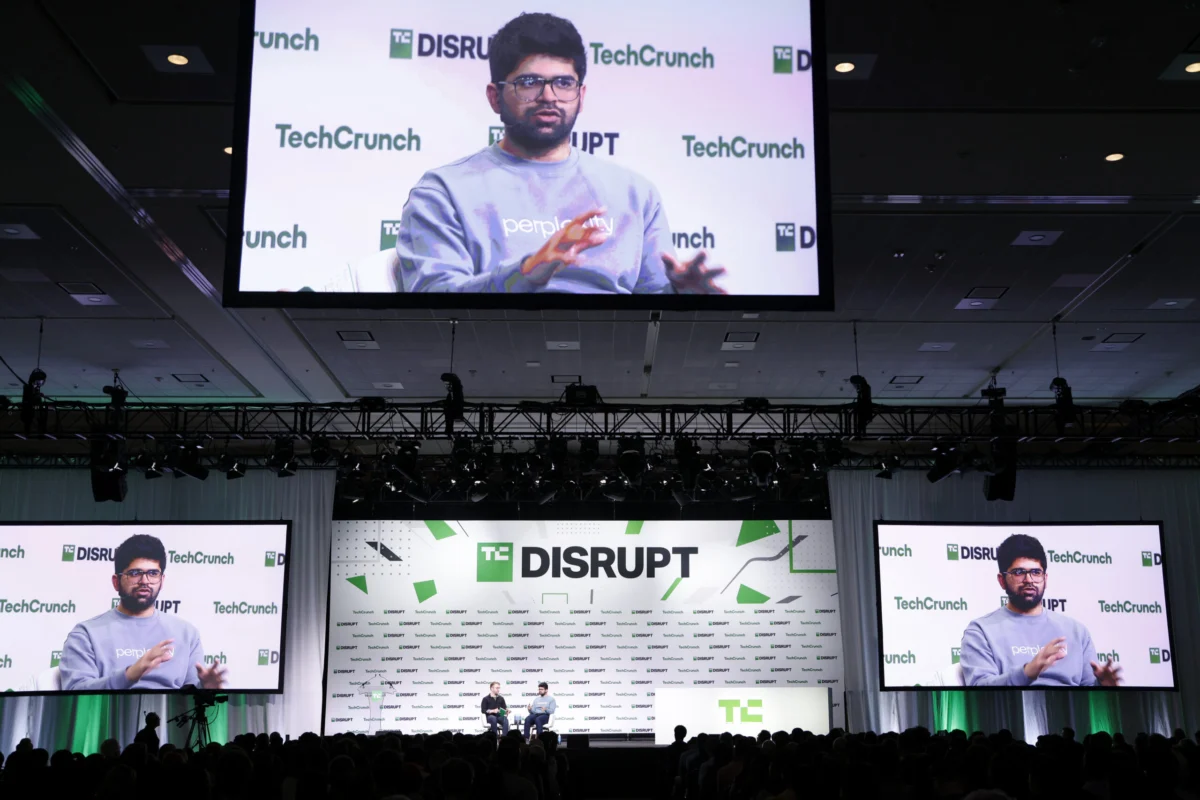
The countdown to one of the most anticipated events in the global technology calendar has entered its final 48 hours as TechCrunch Disrupt 2026 prepares to open its doors at San Francisco’s Moscone West on October 13. With an expected attendance exceeding 10,000 founders, venture capitalists, and industry executives, the three-day summit serves as a critical barometer for the health and direction of the international startup ecosystem. As final preparations are completed, organizers have issued a final call for registration, noting that ticket prices are set to increase significantly once door sales commence at 8 a.m. PT on the opening morning.
The 2026 edition of Disrupt arrives at a pivotal moment for the technology sector, characterized by rapid advancements in generative artificial intelligence, a resurgence in hardware innovation, and a complex venture capital environment. The event’s structure is designed to facilitate high-stakes networking and knowledge transfer through more than 200 sessions distributed across six specialized stages. With over 250 speakers confirmed, the agenda reflects a broad spectrum of modern technological challenges, ranging from the ethical deployment of autonomous robotics to the scaling of climate-tech infrastructure.
A Legacy of Innovation: The Evolution of TechCrunch Disrupt
To understand the significance of the 2026 gathering, one must look at the historical trajectory of the Disrupt franchise. Originally evolving from the TechCrunch50 conferences in the late 2000s, Disrupt established itself as the premiere "launchpad" for startups. Over the past decade and a half, the event has been the birthplace of companies that have fundamentally altered the digital landscape, including Dropbox, Mint, and Cloudflare.

The 2026 event marks a continued commitment to the "Startup Battlefield" format, a competition that has seen its alumni raise billions of dollars in aggregate funding. This year, the "Battlefield 200"—a hand-picked cohort of the world’s most promising early-stage companies—will take center stage in the Expo Hall. These companies were selected from thousands of applicants through a rigorous vetting process, representing the top tier of global entrepreneurial talent. For investors, this concentration of pre-vetted innovation provides a streamlined opportunity to identify the next generation of market leaders.
Strategic Focus Areas: AI, Robotics, and Beyond
The speaker lineup for 2026 underscores the industry’s current preoccupation with foundational infrastructure and the practical application of emerging tech. Among the headliners is RJ Scaringe, CEO of Rivian, whose presence highlights the ongoing integration of software and automotive manufacturing. As the electric vehicle (EV) sector faces new pressures regarding supply chains and charging infrastructure, Scaringe’s insights are expected to address the realities of building capital-intensive hardware at scale.
The artificial intelligence track is particularly robust, featuring leaders such as Cat de Jong of Anthropic and Les Karpas of NVIDIA. Their participation signals a shift in the AI discourse from theoretical capability to industrial implementation. While NVIDIA continues to dominate the hardware layer necessary for large language models, Anthropic’s presence highlights the growing importance of AI safety and alignment—a topic of increasing concern for regulators and enterprise adopters alike.
Furthermore, the inclusion of Andrew Feldman, CEO of Cerebras Systems, points toward a growing interest in alternative computing architectures designed specifically for AI workloads. As the industry seeks more energy-efficient and powerful processing solutions, the technical sessions led by these executives will likely set the tone for hardware investment strategies through 2027.

Economic Context and the "Layoff to Liftoff" Initiative
The 2026 summit is set against a backdrop of a shifting labor market within the tech sector. Following several years of workforce recalibration and high-profile layoffs across Silicon Valley, TechCrunch has introduced the "Layoff to Liftoff" program. This initiative offers deeply discounted $75 Expo+ passes to individuals who have recently lost their positions in the industry.
This move is viewed by analysts as both a community-building exercise and a pragmatic response to the current economic climate. By ensuring that displaced talent remains connected to the startup ecosystem, the event facilitates the "recycling" of expertise—a phenomenon that has historically fueled new waves of innovation following market downturns. The program highlights the dual nature of Disrupt: while it is a venue for elite deal-making, it also functions as a vital networking hub for the broader tech workforce.
Financial Dynamics and the Expo Hall
Beyond the main stages, the Expo Hall serves as the physical marketplace for the event. More than 300 startups will showcase products ranging from fintech solutions to sustainable energy breakthroughs. For founders, the goal is often more than just media exposure; it is about securing the "trajectory-changing" connections mentioned in the event’s mission statement.
The financial barriers to entry are also being managed through tiered pricing and group incentives. Organizers have promoted a "buy one, get one at 50% off" scheme to encourage collaborative attendance, alongside significant discounts for groups of four or more. These pricing strategies are designed to maximize the density of the networking environment, ensuring a high ratio of founders to investors.

Chronology of the Event: October 13-15
The three-day schedule is meticulously organized to balance high-level keynotes with intimate breakout sessions:
- Day 1 (October 13): The focus begins with the "State of the Union" in tech, featuring opening remarks that address the global venture capital landscape. The first rounds of the Startup Battlefield begin, and the Expo Hall opens to the public.
- Day 2 (October 14): This day typically dives deeper into vertical-specific tracks. Sessions on fintech, led by figures like Alexa von Tobel of Inspired Capital, and climate tech will dominate the smaller stages. The Builders Stage will host practical workshops on scaling operations and navigating the "Series A gap."
- Day 3 (October 15): The final day culminates in the Startup Battlefield Finals, where the top finalists compete for the $100,000 equity-free prize. Closing sessions will likely focus on the long-term implications of current trends, including a celebrity-infused perspective on tech investment from figures like Mark Wahlberg.
Broader Implications for San Francisco and the Global Hub
The hosting of TechCrunch Disrupt at Moscone West is also a significant event for the city of San Francisco. In recent years, the city’s status as the epicenter of technology has been debated, with some firms migrating to other hubs. However, the concentration of 10,000 industry leaders in the heart of the city reaffirms San Francisco’s enduring role as the primary "town square" for the global tech community.
The economic impact on the local hospitality and service sectors is estimated to be substantial, with hotels and venues across the SoMa district reporting high occupancy rates. More importantly, the event serves as a showcase for the city’s ability to host large-scale, high-security international summits, reinforcing its brand as a center for intellectual and financial capital.
Analysis: The Shift Toward "Real-World" Tech
A fact-based analysis of the 2026 agenda reveals a notable shift toward "real-world" applications over purely digital or consumer-social platforms. The heavy emphasis on robotics (NVIDIA), infrastructure (Rivian, Cerebras), and capital management (Inspired Capital) suggests that the "easy growth" era of software-as-a-service (SaaS) is being superseded by a more complex era of integrated technology.

Investors are increasingly looking for companies that solve tangible problems in energy, manufacturing, and data processing. The 2026 Disrupt lineup reflects this maturity. The "Disrupt" of a decade ago was often about disrupting consumer habits; the 2026 edition is about disrupting the fundamental industrial processes that power the global economy.
Conclusion: The Final Countdown
As the doors prepare to open, the atmosphere at Moscone West is one of high-stakes anticipation. For the 200 startups in the Battlefield, the next 72 hours could define their corporate existence. For the 10,000 attendees, the event offers a rare opportunity to step outside the "digital bubble" and engage in the face-to-face negotiations that remain the bedrock of the venture capital industry.
With registration rates set to hike at 8 a.m. PT on October 13, the window for strategic entry is closing. TechCrunch Disrupt 2026 stands ready to document, and perhaps influence, the next major cycle of technological progress. Whether through the crowning of a new Battlefield champion or the forging of a multi-million dollar partnership in a hallway, the impact of the next three days will likely be felt across the industry for years to come.