
 Dwi Wanna
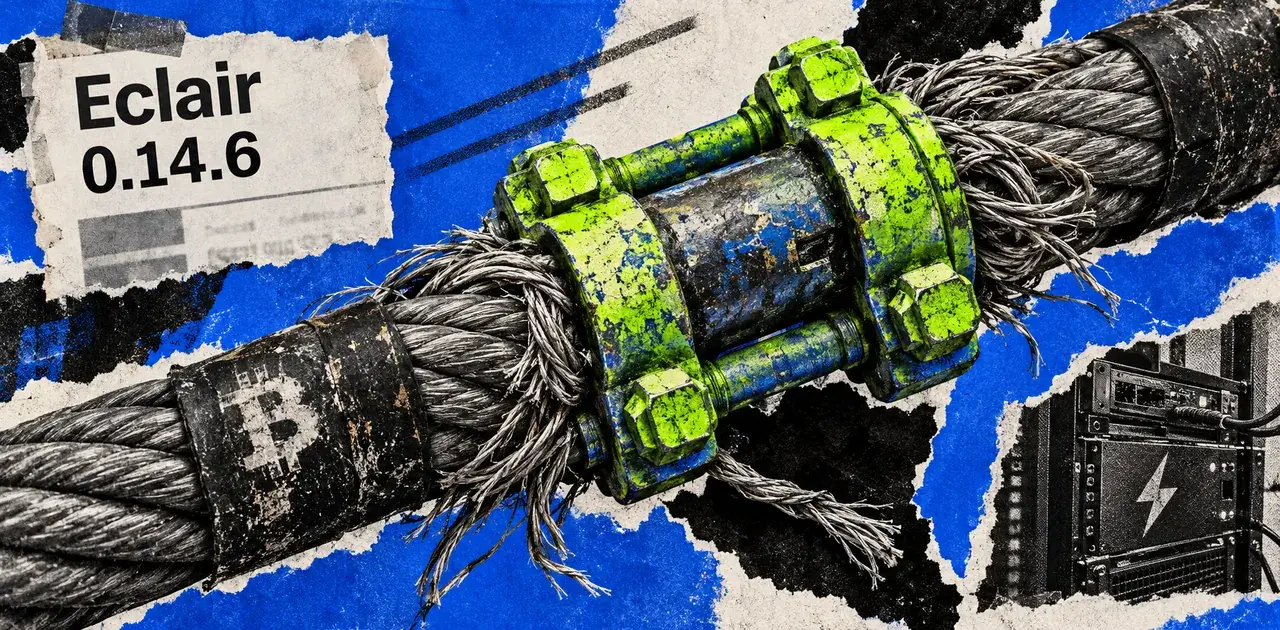
The vulnerability addressed in this update centers on the "splicing" mechanism, a relatively recent and highly anticipated feature in the Lightning Network protocol. Splicing allows users to resize their payment channels—adding or removing liquidity—without the need to close the channel and wait for multiple on-chain confirmations for a new one. While this feature drastically improves the user experience and capital efficiency of the network, ACINQ’s technical documentation reveals that the flexibility of accepting unconfirmed funding inputs from peers created a window of opportunity for exploitation.
The Mechanics of the Vulnerability
At the heart of the issue is the trust model associated with unconfirmed Bitcoin transactions, often referred to as mempool transactions. In a standard Lightning channel, the security of all off-chain payments relies on the integrity of the underlying "funding transaction" recorded on the Bitcoin blockchain. If this funding transaction is invalidated, any subsequent state updates or pending payments within the channel lose their legal standing on the blockchain.
The specific weakness identified by ACINQ involves a malicious peer providing unconfirmed inputs to a splice transaction. Because these inputs have not yet been included in a block, the peer retains the ability to "double-spend" them by broadcasting a different transaction with a higher fee that uses the same inputs. If the peer successfully double-spends the inputs after signing a splice, the splice transaction becomes invalid.
The danger escalates when a channel must close—either through a mutual agreement or a forced closure—while such a manipulated splice is pending. If the software attempts to settle the channel based on a state that relies on the now-invalidated splice, the settlement logic can fail. This puts Hashed Time-Locked Contracts (HTLCs), which are the conditional contracts used to secure payments across multiple hops in the network, at risk. If an HTLC cannot be claimed on-chain because the funding transaction it relies on has disappeared, the funds associated with that payment could be lost or remain in a state of perpetual limbo.
Technical Safeguards in Eclair 0.14.6
To counter these risks, ACINQ has introduced a series of stringent requirements in Eclair 0.14.6. The most notable change is a new security setting, enabled by default, that requires all peer inputs for splices to be confirmed on the Bitcoin blockchain before they are accepted. By enforcing this rule, Eclair ensures that the foundation of any liquidity adjustment is immutable, preventing the "vanishing parent" scenario that enables double-spending.
Furthermore, the update prevents operators from "chaining" splices. Previously, a node might attempt to perform a second splice on top of a first splice that was still awaiting confirmation. While efficient, this created a fragile chain of dependencies; if the first transaction failed, every subsequent transaction in the chain would also fail. The new version restricts additional splices until the preceding funding changes have reached a confirmed state.
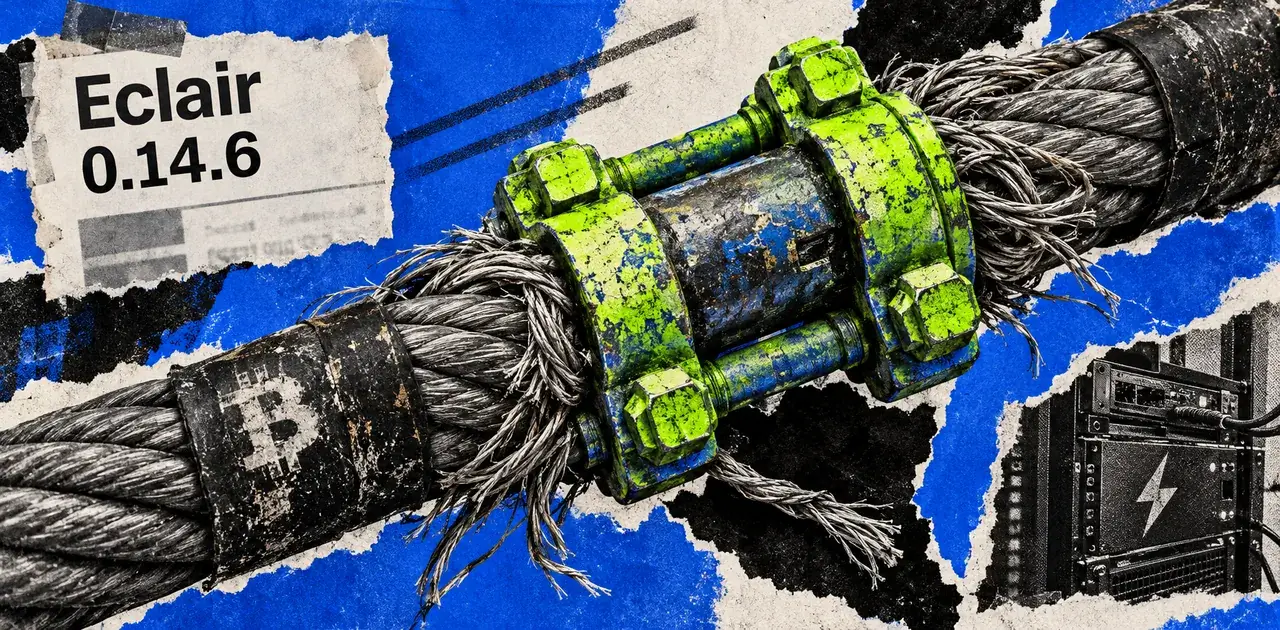
ACINQ has also overhauled the software’s internal settlement logic. In previous versions, if a channel closure was triggered while a funding transaction was unconfirmed, the software might struggle to identify the correct "commitment transaction" to broadcast. The revised logic ensures that Eclair’s backend—typically a Bitcoin Core node—only recognizes commitment transactions backed by valid funding. If a pending splice is found to be invalid, the software now automatically reverts to the latest known confirmed state of the channel, ensuring that funds can still be recovered using the last stable transaction recorded on the blockchain.
Chronology of Discovery and Disclosure
The identification of these risks is credited to security researcher Erick Cestari, who followed responsible disclosure protocols to alert ACINQ to the potential for exploitation. The timeline of the fix suggests a proactive approach by the development team:
- Initial Research: Throughout mid-2026, researchers began investigating the edge cases of the splicing protocol as it saw wider adoption across different Lightning implementations.
- Disclosure: Erick Cestari identified specific scenarios where unconfirmed parents could be used to invalidate splices and endanger HTLCs, sharing these findings with ACINQ.
- Development Phase: ACINQ engineers developed a multi-layered fix, addressing not only the input requirements but also the recovery logic for forced closures.
- Release: Eclair version 0.14.6 was officially released on October 27, 2026.
- Public Advisory: On November 2, 2026, ACINQ issued a broader warning to the community, emphasizing the importance of the upgrade for those dealing with untrusted peers.
While ACINQ characterized the update as a response to a "potential security exposure" rather than a fix for an ongoing wave of thefts, the urgency of the recommendation suggests that the exploit was technically feasible for sophisticated attackers.
The Evolution of Splicing and Liquidity Management
To understand the impact of this update, one must consider the role of splicing in the broader Bitcoin ecosystem. Historically, the Lightning Network suffered from "inbound liquidity" issues, where a user could send funds but could not receive them unless they specifically opened a channel with a provider or used a liquidity service. Splicing was designed to solve this by allowing "on-the-fly" adjustments.
The transition to Eclair 0.14.6 highlights a recurring theme in Layer 2 development: the trade-off between user experience (UX) and security. By requiring confirmed inputs, ACINQ is effectively slowing down the splicing process. A user adding funds to a channel will now have to wait for at least one Bitcoin block confirmation (approximately 10 minutes) before the new capacity is available for routing payments. While this introduces a delay, it eliminates a class of attacks that could undermine the trustless nature of the network.
Broader Implications for the Lightning Network
The Eclair update arrives at a time of increased scrutiny for Lightning Network security. Over the past two years, the community has grappled with various attack vectors, such as "Replacement Cycling" attacks, which also target the mempool and the way HTLCs are settled on-chain.
The vulnerabilities addressed in 0.14.6 underscore the complexity of building a secondary layer on top of a base layer with different finality rules. Bitcoin’s base layer is probabilistic—transactions are never "final," but rather become increasingly irreversible as more blocks are added. Lightning, however, requires a high degree of certainty to ensure that off-chain balances can always be enforced on-chain.

For node operators, particularly those running "routing nodes" that facilitate large volumes of traffic, the Eclair update is a reminder of the operational responsibilities inherent in the Lightning Network. Unlike a simple hardware wallet where a user can "set it and forget it," a Lightning node is an active participant in a complex protocol that requires regular maintenance and software updates to stay secure.
Analysis of Institutional and Network Impact
The Lightning Network has seen steady growth in capacity, with thousands of BTC currently locked in public channels. As institutional interest in Bitcoin grows, the robustness of Layer 2 solutions like Eclair becomes a focal point for risk assessments. ACINQ, being one of the three major implementations alongside Lightning Labs’ LND and Blockstream’s Core Lightning (CLN), carries a significant portion of the network’s volume.
The move to disable unconfirmed peer inputs by default is likely to set a standard for other implementations. While some node operators may choose to manually re-enable unconfirmed inputs for trusted peers (such as between two nodes owned by the same entity), the "secure by default" approach is essential for the permissionless growth of the network.
Furthermore, the correction of the "misidentification" logic in Eclair 0.14.6 is a subtle but vital improvement. Previously, if a miner confirmed a transaction that Eclair had stopped tracking as its preferred route, the software might fail to claim the funds, assuming they belonged to the counterparty. By fixing this, ACINQ has reduced the "long-tail" risk of fund loss during unusual chain conditions, such as high congestion or chain reorganizations.
Future Outlook and Recommendations
As the Lightning Network matures, the focus is shifting from basic functionality to hardened security. The Eclair 0.14.6 release is a testament to this maturation. ACINQ has advised that the upgrade process is straightforward: operators should stop their node, replace the existing binary with the new version, and restart. Existing channels do not need to be closed, as the software is designed to manage the transition of state seamlessly.
The developer also issued a specific warning regarding the optional "zero-fee commitment" feature. While this feature can reduce the cost of channel management, it should not be used when splicing with untrusted peers, as it adds another layer of complexity to the settlement process that could be exploited in conjunction with unconfirmed inputs.
In the long term, the Lightning community continues to work on "Package Relay" and other Bitcoin Core improvements that would provide better protection against mempool manipulation. Until such features are fully integrated into the Bitcoin base layer, the burden of security remains with Layer 2 implementations like Eclair to enforce strict rules and provide robust recovery paths for their users.