
 admin

The global cryptocurrency ecosystem is reeling following the confirmation by Binance, the world’s largest digital asset exchange, that state-sponsored hackers linked to North Korea successfully exfiltrated a record-breaking $6.3 billion in various cryptocurrencies. The breach, which has been characterized by security analysts as the most significant financial cyber-heist in history, was the culmination of a sophisticated, multi-month social engineering campaign targeting specific employees within the company’s wallet infrastructure team. In an updated statement released via social media and official channels on Tuesday, Binance confirmed the scale of the loss and detailed the methods used by the attackers to bypass the firm’s internal security protocols. The incident has forced the exchange to suspend customer withdrawals across its entire network as investigators work to trace the stolen funds and fortify the system against further intrusions.
The Federal Bureau of Investigation (FBI) and several prominent blockchain forensic firms have officially attributed the attack to the Democratic People’s Republic of Korea (DPRK). This attribution aligns with a long-standing pattern of North Korean cyber operations designed to circumvent international sanctions and generate hard currency for the regime’s nuclear weapons and ballistic missile programs. While Binance has faced numerous attempted breaches in the past—noting at least 57 suspected attacks from North Korean actors—this latest intrusion exploited human vulnerability through a meticulously crafted recruitment ruse, highlighting the persistent threat posed by state-sponsored actors to the decentralized finance sector.
The Architecture of Deception: Operation Dream Job
The genesis of the breach dates back several months, involving a tactic frequently referred to by cybersecurity researchers as "Operation Dream Job." According to Binance’s internal investigation, the hackers utilized fraudulent social media profiles, primarily on platforms like LinkedIn, to pose as high-level recruiters for prestigious technology and financial firms. These actors targeted a specific software engineer at Binance who possessed administrative access to the exchange’s wallet systems.
Over a period of several weeks, the attackers built a rapport with the employee, eventually extending a lucrative, albeit fictitious, job offer. The engineering of the trap was thorough, involving multiple rounds of video interviews with individuals posing as technical leads and HR executives. To finalize the purported hiring process, the engineer was instructed to complete a "technical coding assignment." This assignment was delivered as a compressed file which, when executed, bypassed the employee’s workstation security and installed a custom-built backdoor. Binance noted with concern that its existing endpoint detection and response (EDR) tools failed to flag the malicious payload, allowing the attackers to establish a persistent foothold on a work-issued laptop.
Lateral Movement and the Exploitation of Secondary Vulnerabilities
Once the attackers gained access to the first engineer’s laptop, they began a process of internal reconnaissance. Their primary objective was to escalate privileges and move laterally through the network to reach systems with the authority to sign transactions and move large volumes of digital assets. The investigation revealed that the initial foothold allowed the hackers to access an internal administrative tool. This tool was subsequently used to target two other engineers on the same wallet team, expanding the attackers’ reach within the most sensitive areas of Binance’s infrastructure.
The breach was further facilitated by a secondary, unrelated security lapse involving another member of the wallet team. Months prior to the main heist, a second engineer had unknowingly downloaded a tampered application containing password-stealing malware after clicking on a compromised link in search engine results. This technique, known as SEO poisoning or malvertising, involves hackers boosting malicious websites to the top of search results for popular software queries. Although Binance’s security team had identified that specific laptop as compromised and replaced the hardware, the attackers had already successfully exfiltrated the engineer’s credentials. By combining the access gained through the fake recruitment scheme with these stolen credentials, the hackers were able to compromise a third engineer’s system. This third workstation proved to be the "holy grail" for the attackers, as it held the necessary permissions to interface with systems controlling billions of dollars in user funds.
A Chronology of the Breach and Immediate Response
The timeline of the attack underscores the patience and persistence of state-sponsored actors. The preliminary phases of the social engineering campaign began in early 2026, with the final execution of the theft occurring last week.
- Early 2026: North Korean actors initiate contact with Binance employees via social media under the guise of recruitment.
- Mid-2026: A secondary engineer’s credentials are stolen via a malvertising campaign; Binance replaces the hardware but the credentials remain compromised in the hands of the attackers.
- August-September 2026: The primary target undergoes a series of fake interviews and eventually downloads the malicious coding assignment.
- October 2026: Attackers move laterally through the network, gaining access to the third engineer’s workstation and the wallet control systems.
- Last Week: The hackers execute a series of massive, unauthorized transactions, draining $6.3 billion from Binance’s hot wallets.
- Tuesday: Binance releases an updated statement confirming the North Korean attribution and the record-breaking scale of the loss.
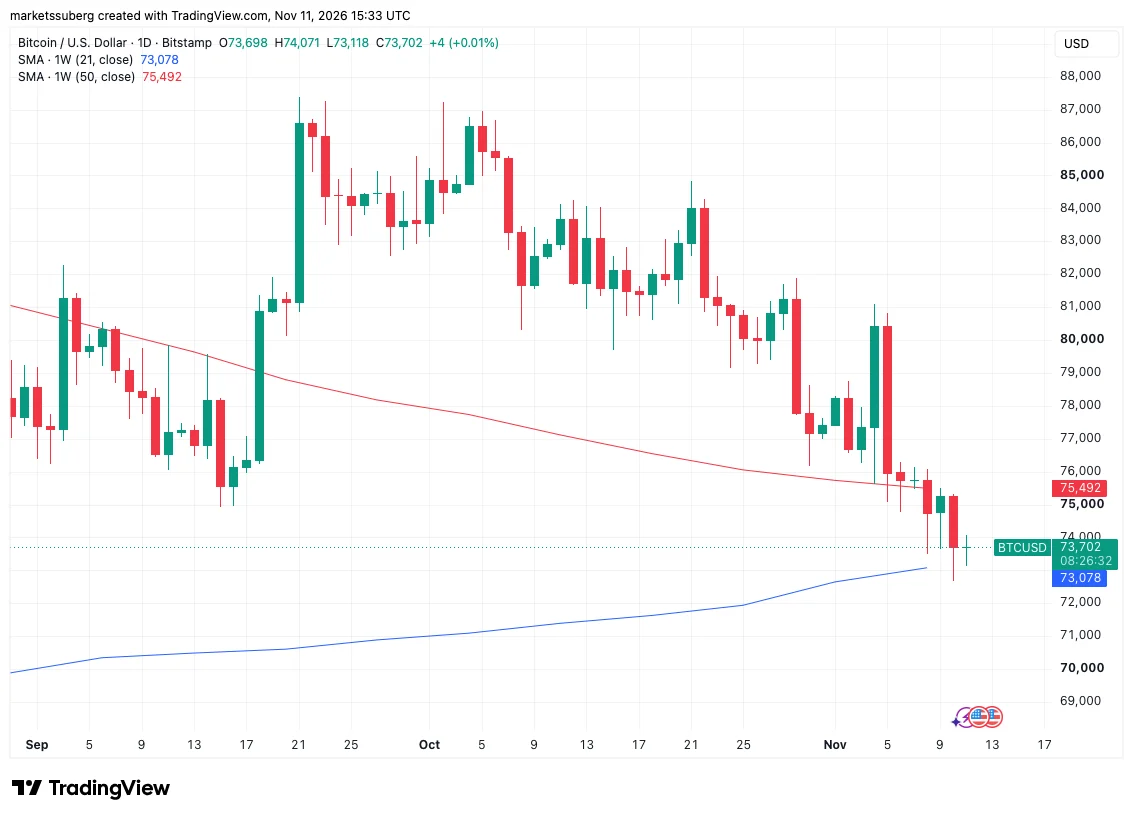
In the immediate aftermath of the discovery, Binance took the drastic step of halting all customer withdrawals. This move was intended to prevent any further unauthorized movement of funds and to allow the company to conduct a comprehensive audit of its remaining reserves. While the company has assured users that it is working to resolve the situation, the suspension has caused significant volatility in the broader cryptocurrency market.
The North Korean Nexus: Funding a Regime
The attribution of the hack to North Korea places the incident within a broader geopolitical context. For years, the United Nations and various Western intelligence agencies have warned that the DPRK has pivoted toward cybercrime as a primary source of national revenue. As traditional avenues for trade remain closed due to international sanctions, the regime has invested heavily in its cyber capabilities, training elite units of hackers such as the Lazarus Group.
Recent data suggests that North Korean hackers were responsible for nearly half of all major intrusions at U.S. tech companies last year. These operations are not merely about financial gain but are directly linked to the funding of the country’s weapons of mass destruction (WMD) programs. The $6.3 billion stolen from Binance represents a staggering windfall for the regime, potentially covering a significant portion of its annual military expenditures. The U.S. government has repeatedly issued alerts regarding North Korean "remote IT workers" and fake recruiters, but the Binance incident demonstrates that even the most well-resourced firms remain vulnerable to these highly targeted campaigns.
Industry Implications and the Path Forward
The scale of the Binance hack has reignited the debate over the security of centralized exchanges and the inherent risks of "hot" wallet storage. While Binance has stated that the attack "should not have happened" and has committed to bringing in third-party cybersecurity experts for a full audit, the incident exposes a critical bottleneck in crypto security: the human element. No matter how robust the encryption or how decentralized the blockchain, the administrative tools used by human engineers remain a primary target for sophisticated adversaries.
Industry analysts suggest that this event will lead to increased regulatory pressure on cryptocurrency exchanges to implement more stringent internal controls. This could include mandatory multi-party computation (MPC) for all transaction signing, stricter air-gapping of sensitive systems, and more rigorous background checks and security training for employees with high-level access. Furthermore, the failure of Binance’s security tools to detect the initial malware infection raises questions about the efficacy of current EDR solutions against custom-built state-sponsored payloads.
As the investigation continues, the focus will likely shift to the recovery of the stolen assets. Blockchain investigators are currently monitoring the movement of the funds, which are being "tumbled" or put through mixing services to obscure their origin. However, given the transparency of the public ledger, the hackers face a significant challenge in converting such a massive amount of crypto into fiat currency without being detected.
Binance has pledged to implement new security measures to prevent a repeat incident, but for many in the industry, the $6.3 billion heist serves as a stark reminder of the evolving nature of cyber warfare. In a landscape where a single employee’s decision to download a file can result in the loss of billions, the line between corporate security and national security has become increasingly blurred. The company has declined to answer specific questions regarding its previous audit history or the exact nature of the administrative tools compromised, but the fallout from this event will undoubtedly shape the security architecture of the digital asset industry for years to come.