admin
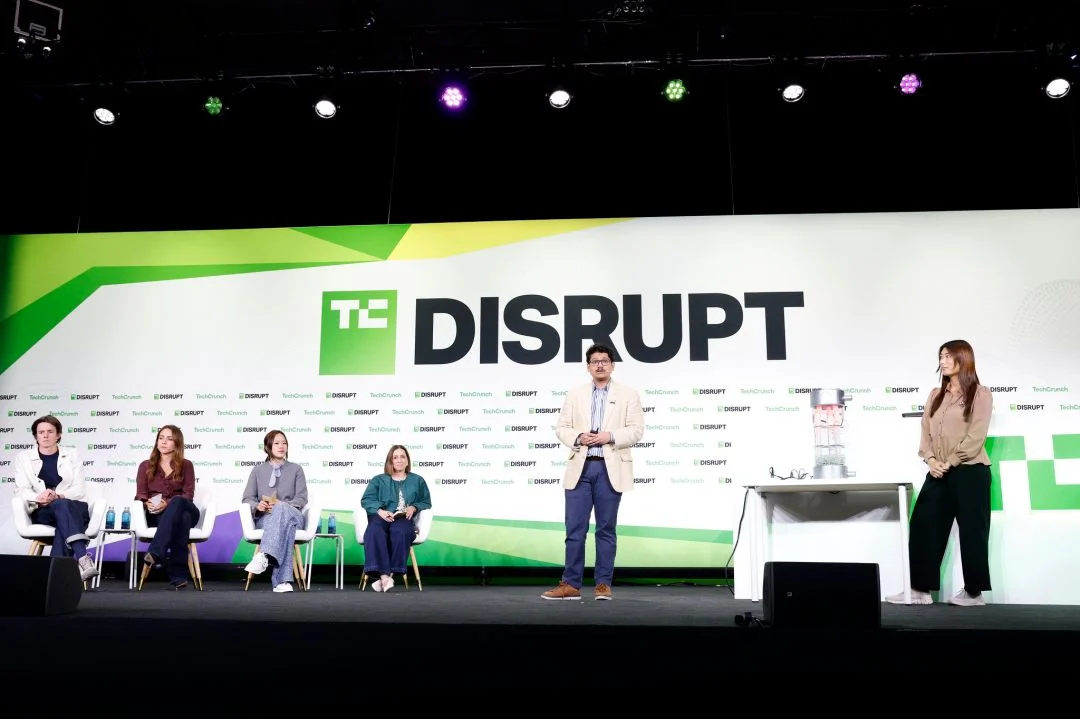
The first day of TechCrunch Disrupt 2026 has officially concluded at San Francisco’s Moscone West, marking the beginning of a high-stakes week for the global startup ecosystem. As the event transitions into its second and third days on October 14 and 15, organizers have announced a strategic 50% discount on all ticket types to encourage last-minute participation from founders, investors, and technologists. This pricing adjustment reflects the event’s ongoing mission to democratize access to top-tier networking and venture capital opportunities during a pivotal year for the technology sector. With more than 320 exhibitors and a curated list of speakers ranging from Hollywood actors to the architects of the generative AI revolution, the remainder of the programming is positioned to address the most pressing challenges in software development, hardware innovation, and decentralized social media.
Strategic Access and the Moscone West Venue
TechCrunch Disrupt has long served as the premier stage for early-stage startups to gain visibility, and the 2026 edition continues this tradition within the expansive halls of Moscone West. The decision to offer a mid-event discount serves as a tactical move to fill the revamped Expo Hall, which has been redesigned this year to facilitate more spontaneous "hallway tracks"—the informal networking sessions that often result in seed-stage term sheets. For founders who remained undecided leading up to the opening ceremonies, the 50% reduction applies to all tiers, including general admission and specialized founder passes, lowering the barrier to entry for the final 48 hours of the summit.
The venue itself, a cornerstone of San Francisco’s South of Market (SoMa) district, is currently hosting a diverse array of interactive roundtable sessions and breakouts. These smaller, more focused gatherings are designed to supplement the high-level discussions occurring on the main Disrupt Stage, allowing for direct Q&A between industry veterans and burgeoning entrepreneurs.
High-Profile Speaker Lineup and Industry Heavyweights
The programming for the upcoming two days features an eclectic mix of speakers, illustrating the intersection of culture, finance, and deep tech. On the Disrupt Stage, A-list actor and entrepreneur Mark Wahlberg is expected to discuss the intersection of brand building and venture investment. Wahlberg’s presence underscores a growing trend of celebrity involvement in the tech sector, where personal brand equity is increasingly leveraged to scale consumer-facing startups.
Complementing the celebrity presence is a rare joint appearance by all five partners of Benchmark, one of Silicon Valley’s most storied venture capital firms. Historically known for their lean partnership and early bets on companies like eBay, Twitter, and Uber, the Benchmark partners are expected to provide a cohesive analysis of the current investment climate. Their insights come at a time when the venture capital industry is recalibrating after the hyper-growth phases of previous years, shifting focus toward sustainable unit economics and "moatable" technology.
Other notable speakers include:
- Amjad Masad (CEO of Replit): A leader in the AI-assisted coding space, Masad is expected to discuss the future of software development in an era where natural language is becoming the primary programming interface.
- Panos Panay (Amazon): Following his high-profile move from Microsoft to Amazon, Panay will likely address the integration of artificial intelligence into consumer hardware and the future of the smart home ecosystem.
- Toni Schneider and Rose Wang (Bluesky): The CEO and COO of the decentralized social media platform will discuss the challenges of scaling a protocol-based alternative to traditional centralized social networks.
The AI Revolution: Flagship Stages and Autonomous Agents
A significant portion of the 2026 agenda is dedicated to two flagship AI Stages, reflecting the technology’s dominance in current market valuations and research efforts. One of the most anticipated sessions features Alexander Embiricos, OpenAI’s Head of Enterprise Product. Embiricos is slated to provide deep-dive insights into the launch of "Dots," the company’s latest iteration of AI agents.
Unlike standard chatbots, "Dots" represent a shift toward autonomous agents capable of executing complex workflows across multiple software environments. This development is viewed by industry analysts as the next frontier in enterprise productivity, moving beyond simple content generation to task execution. The AI Stages will also host leadership from Anthropic, Hugging Face, and Clay, providing a comprehensive look at the "AI stack," from foundational large language models (LLMs) to the infrastructure tools that allow developers to deploy them at scale.
Startup Battlefield 200 and the Competitive Landscape
The Startup Battlefield 200 remains the centerpiece of the Disrupt experience. This year, 200 startups were selected from a global pool of thousands of applicants to pitch their innovations on the Disrupt Stage. These companies represent a cross-section of the most promising sectors, including climate tech, fintech, SaaS, and biotech.

The competition is not merely a showcase but a rigorous vetting process. Historically, Battlefield participants have collectively raised billions of dollars in follow-on funding. The 2026 cohort is operating in a more discerning market than their predecessors, where investors are looking for clear paths to profitability alongside technological breakthroughs. The final rounds of the competition, occurring over the next two days, will determine which startup takes home the coveted Disrupt Cup and the accompanying equity-free cash prize.
Chronology of the 2026 Event
The timeline of TechCrunch Disrupt 2026 follows a structured progression designed to maximize both learning and deal-making:
- Day 1 (October 13): Focused on the "State of the Union" for tech, featuring opening remarks and the initial rounds of the Startup Battlefield. Early sessions highlighted the resilience of the San Francisco tech scene and the resurgence of hardware startups.
- Day 2 (October 14): The focus shifts toward deep-tech dives and enterprise scaling. This is the primary day for the AI Stages and the highly anticipated Benchmark partner session. The Expo Hall reaches peak density as exhibitors begin their second day of product demonstrations.
- Day 3 (October 15): The final day emphasizes the "Future of Everything," featuring the Startup Battlefield finals and closing keynotes. This day is traditionally when the most significant networking occurs, as attendees rush to finalize connections made earlier in the week.
Throughout all three days, "Side Events" are taking place across San Francisco. These independently organized meetups, happy hours, and founder brunches extend the conference’s reach beyond the walls of Moscone West, embedding the event into the city’s broader technological fabric.
Supporting Data: The 2026 Tech Ecosystem
The backdrop of Disrupt 2026 is one of cautious optimism. According to recent venture data, while the total volume of deals has stabilized compared to the volatility of 2024, the average deal size for AI-related startups has increased by 15%. Furthermore, San Francisco has reclaimed its title as the undisputed hub for AI development, with over 40% of all global AI venture capital flowing into the Bay Area in the first half of 2026.
The presence of 320+ exhibitors at Disrupt serves as a physical manifestation of this data. Of these exhibitors, approximately 60% are utilizing some form of machine learning as a core component of their value proposition, up from 45% in 2025. This saturation underscores the reality that AI is no longer a standalone category but a foundational layer for all modern software.
Broader Impact and Implications
The 2026 edition of TechCrunch Disrupt arrives at a time when the tech industry is facing increased regulatory scrutiny and a shifting macroeconomic environment. The discussions held on the Disrupt Stage regarding decentralized social media (Bluesky) and autonomous agents (OpenAI) have implications that reach far beyond Silicon Valley.
For instance, the rise of autonomous agents like "Dots" prompts critical questions regarding labor markets and the future of white-collar work. If AI agents can autonomously manage enterprise workflows, the role of middle management and administrative support may undergo a radical transformation. Similarly, the push for decentralized social media reflects a broader societal desire for data sovereignty and resistance to the algorithmic control exerted by major tech conglomerates.
Furthermore, the "Benchmark effect"—the rare public appearance of the firm’s entire partnership—suggests a desire to project stability and long-term vision in an industry often criticized for its short-termism. Their collective perspective will likely influence how other venture firms approach the "Series A crunch" that many mid-stage startups are currently navigating.
Conclusion for Prospective Attendees
As TechCrunch Disrupt 2026 moves into its final two days, the event stands as a barometer for the health of the global startup economy. The 50% discount on tickets is more than a promotional offer; it is an invitation for the next wave of founders to enter the room where the future of technology is being negotiated. For those sitting on the fence, the opportunity to connect with over 320 exhibitors, observe the Startup Battlefield finals, and hear from the architects of the AI age represents a significant value proposition. In the fast-moving world of technology, the connections made in the final 48 hours of Disrupt could very well define the next decade of innovation.